






Choosing flooring can feel overwhelming. There are a lot of options, unfamiliar terms, and big decisions to make — often without seeing the floor in person first.
Explore guides by floor type
Choose the guide that matches the flooring you’re considering.

Laminate
Durable, practical and easy to live with.
View guide

Glue Down LVT
Waterproof and refined underfoot.
View guide

Click Vinyl SPC
Quick to install, tough in daily life.
View guide

Engineered Wood
Real wood beauty with greater stability.
View guide

Solid Wood
Timeless character that ages gracefully.
View guide
1. START WITH THE ROOM
Before thinking about materials or styles, ask one simple question:
How is this room really used?
Flooring works best when it reflects everyday life, not just how a space looks in photos. The way a room feels underfoot, how it handles movement, and how easily it fits into your routine all matter.
Busy areas
Hallways and living spaces see the most foot traffic. These are the hardworking parts of the home, so durability, stability, and ease of cleaning should come first, without sacrificing the overall look.
Bedrooms
Quieter spaces invite a softer approach. Comfort, warmth, and visual calm tend to matter more here than maximum durability. The goal is a floor that makes the room feel relaxed and inviting from the moment you step in.
Kitchens & dining spaces
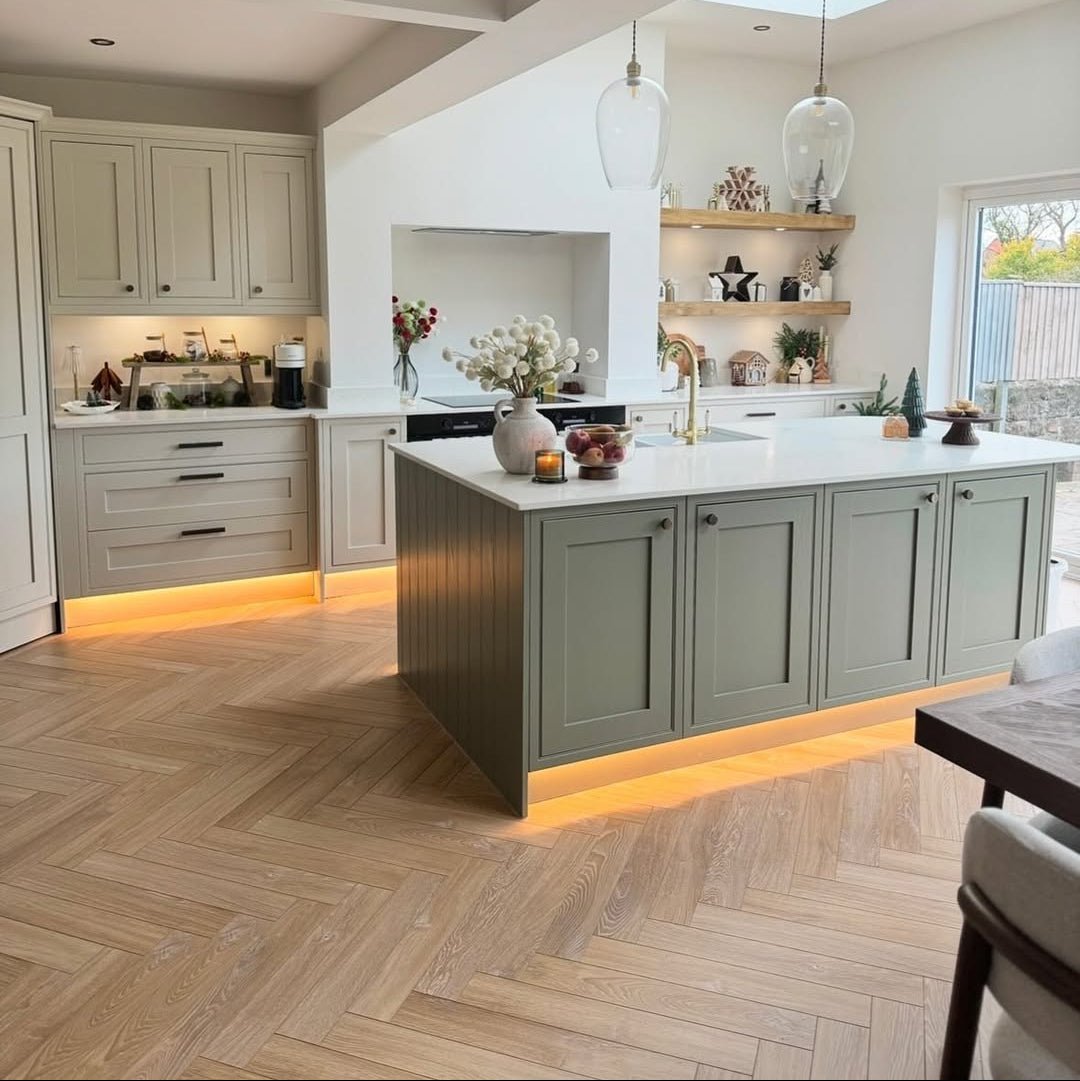
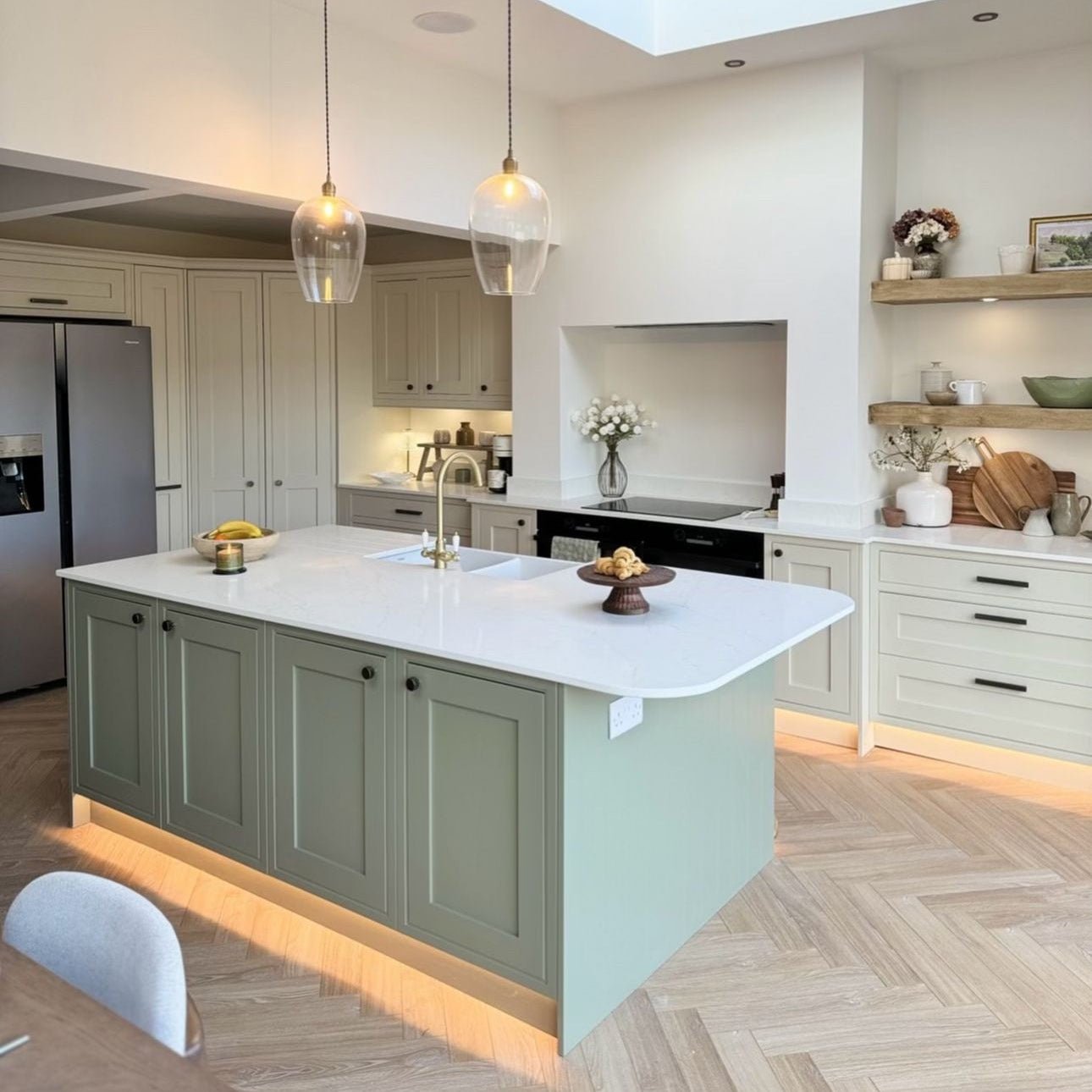
These rooms need flooring that keeps up with daily life — spills, movement, and constant use — while still feeling considered and stylish. Practical doesn’t have to mean plain.

2. Maintenance
Every floor needs some care. The key is choosing one that fits your lifestyle.
Think about how much upkeep you’re happy with:
- Do you want something low-maintenance?
- Are you okay being careful with spills and marks?
- Or do you want a floor you can just live with?
There’s no right or wrong — only what works for your home.
If low maintenance matters, look for flooring that:
- Needs no sealing or specialist treatments
- Cleans easily with everyday products
- Handles daily use without fuss

3. HOW DO YOU WANT THE SPACE TO FEEL?
Flooring has a powerful influence on the mood of a space, shaping how a room looks and feels from the moment you step inside. Before choosing, it’s worth asking yourself a few key questions:
- Do I want the room to feel warm or cool?
- Calm and minimal or bold and characterful?
- Traditional, modern, or somewhere in between?
Lighter tones can make spaces feel open and airy. Darker or textured finishes add depth and character.
This is where samples really matter — what works online doesn’t always work in your light.
OUR FREE SAMPLE PROCESS

CHOOSE SAMPLES
Order the finishes you’d like to see in your space before deciding.
4. UNDERSTAND OUR FLOORING TYPES
Feature |
Laminate |
Engineered Wood |
LVT |
SPC |
Solid Wood |
|---|---|---|---|---|---|
| Durability | |||||
| Water Resistance | |||||
| Authentic Look | |||||
| Installation Ease | |||||
| Underfloor Heating | ✓ | ✓ | ✓ | ✓ | ✓ |
| Refinishing | ✕ | ✓ | ✕ | ✕ | ✓ |
| Price Range | £ | ££ | ££ | ££ | ££ |
| Lifespan | 15–25 years | 20–30 years | 15–25 years | 20–30 years | 30+ years |
| Best For | Budget-friendly, high traffic areas | Premium look, living areas | Bathrooms, kitchens, wet areas | Commercial spaces, high moisture | Luxury, traditional homes |
Laminate
Engineered Wood
LVT
SPC
Solid Wood
5. DIY VS PROFESSIONAL FITTING
Many of our floors are suitable for DIY installation, especially where the fitting system is designed to keep things straightforward. If you’re confident, have the time, and enjoy being hands-on, this can be a rewarding option.
Professional installation is just as valid. Accurate measuring, good preparation, and the right tools all matter, and for many people, an experienced fitter brings welcome peace of mind.
Each product page includes a dedicated installation guide, so you can understand what’s involved before committing. Whether you choose DIY or professional fitting, clear guidance and trusted support are available either way.
6. MEASURE EARLY (IT MAKES EVERYTHING EASIER)
Measuring your room correctly ensures you order the right amount of flooring. Follow our easy guide for measuring rooms of all shapes and sizes. Doing this early helps:
- Show accurate pricing
- Avoid under- or over-ordering
- Reduce surprises later

A [Length] x B [Width] = M² required
Eg: 5m x 4m = 20m²
RECTANGULAR ROOMS
For standard rectangular rooms, calculating the required flooring is simple. Measure the length and width of the room, then multiply the two to find the total area.
For example, a room measuring 5 metres by 4 metres has an area of 20m².
This means you’ll need at least 20m² of flooring, before allowing for waste.

[A x B] + [C x D] = M² required
Eg: [5m x 2m] + [2.5m x 1.5m] = 13.75m²
IRREGULAR & L-SHAPED ROOMS
For irregular or L-shaped rooms, divide the space into smaller rectangular sections. Measure each section individually, calculate the area of each, then add them together to find the total.
In the example shown, the total flooring required would be 13.75m², before allowing for waste.
Our mission is simple:
to help everyday people transform their homes faster, simpler, better, and for less.
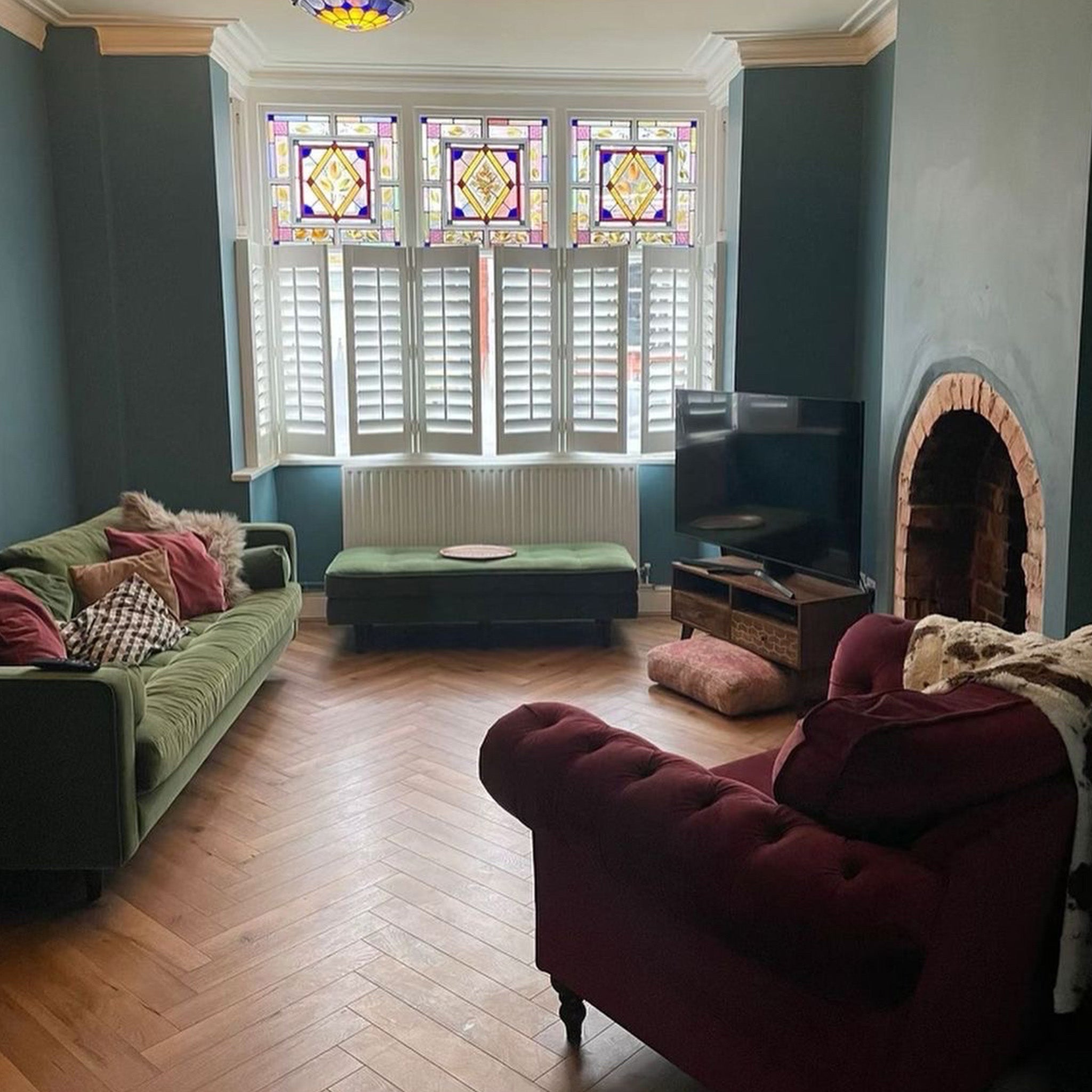
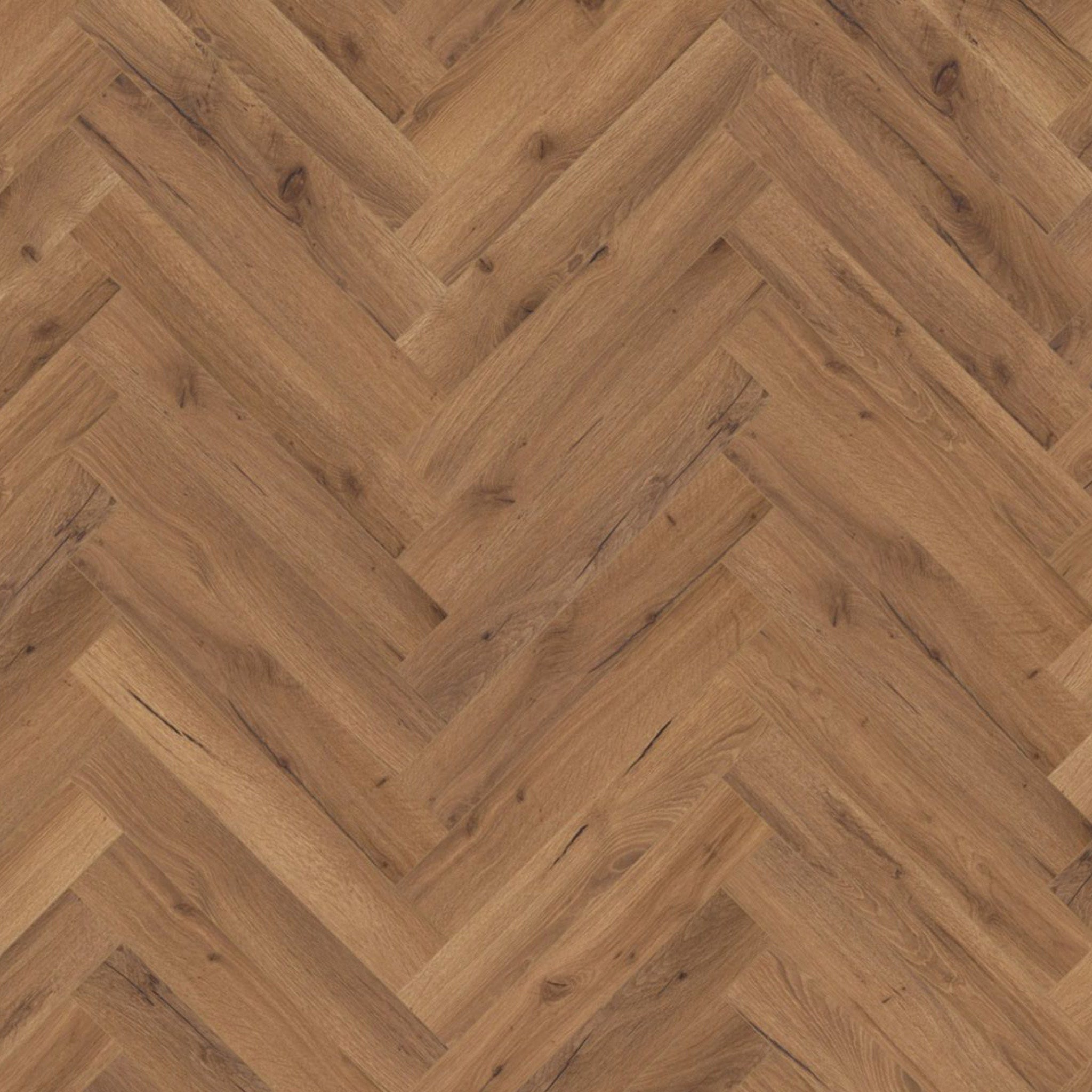
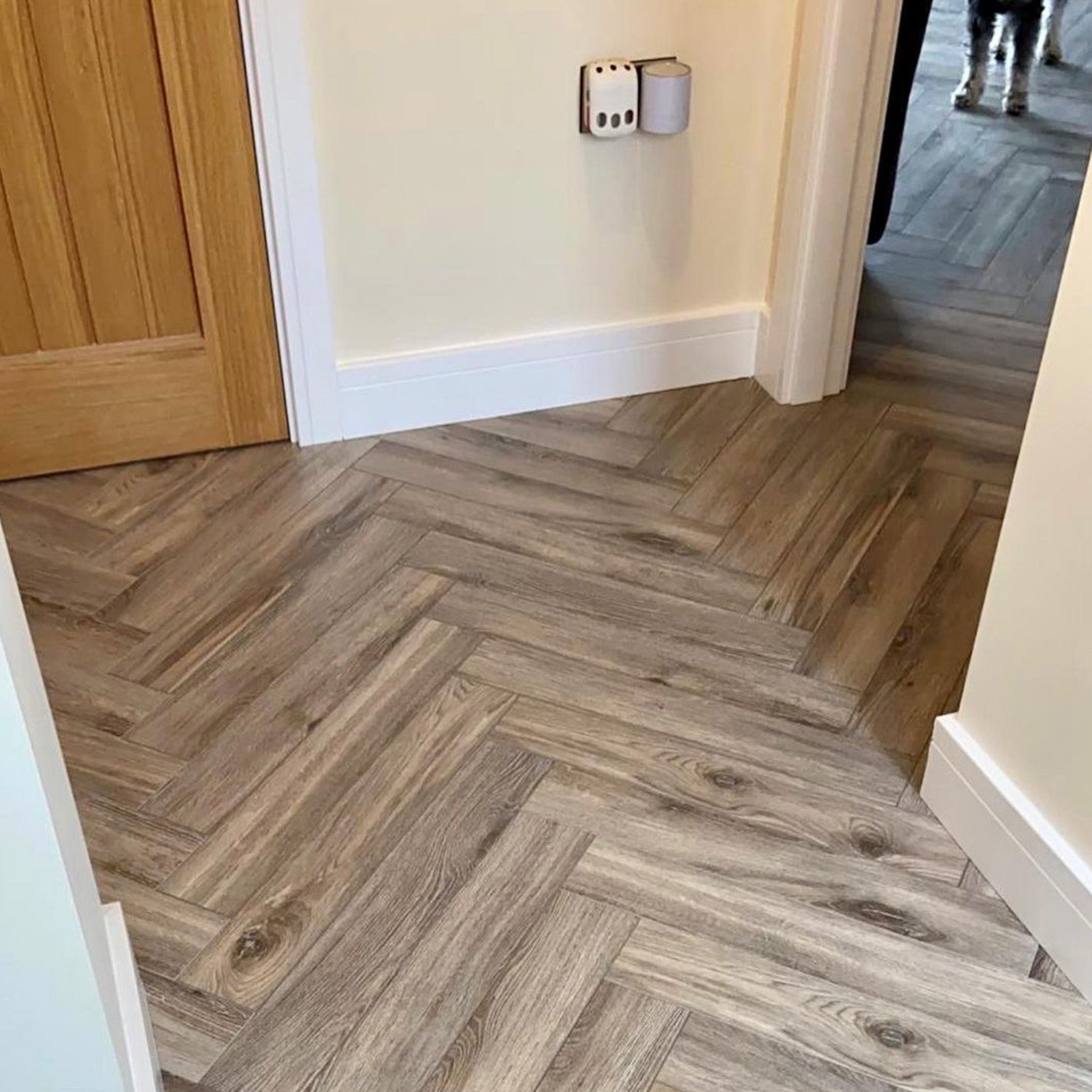
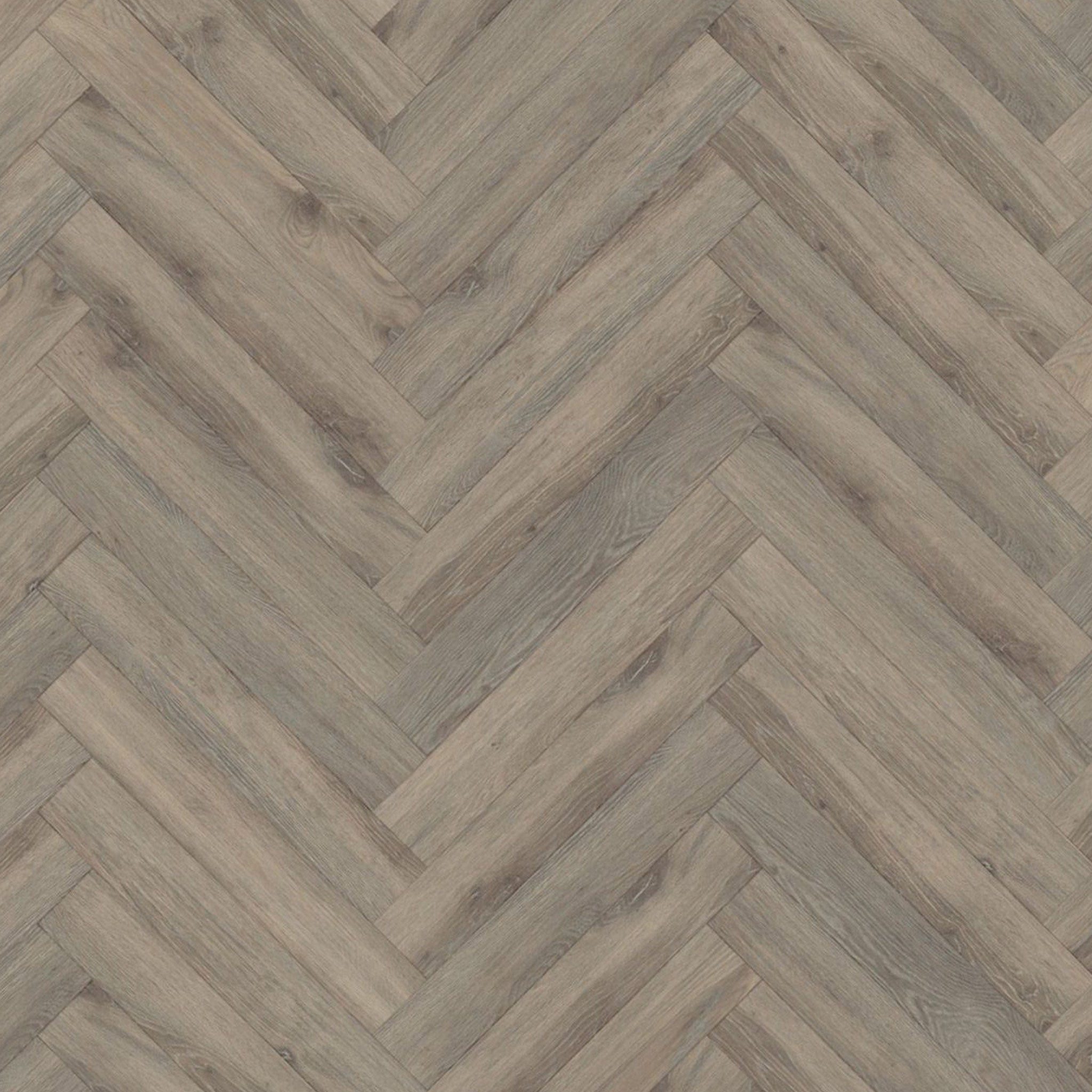
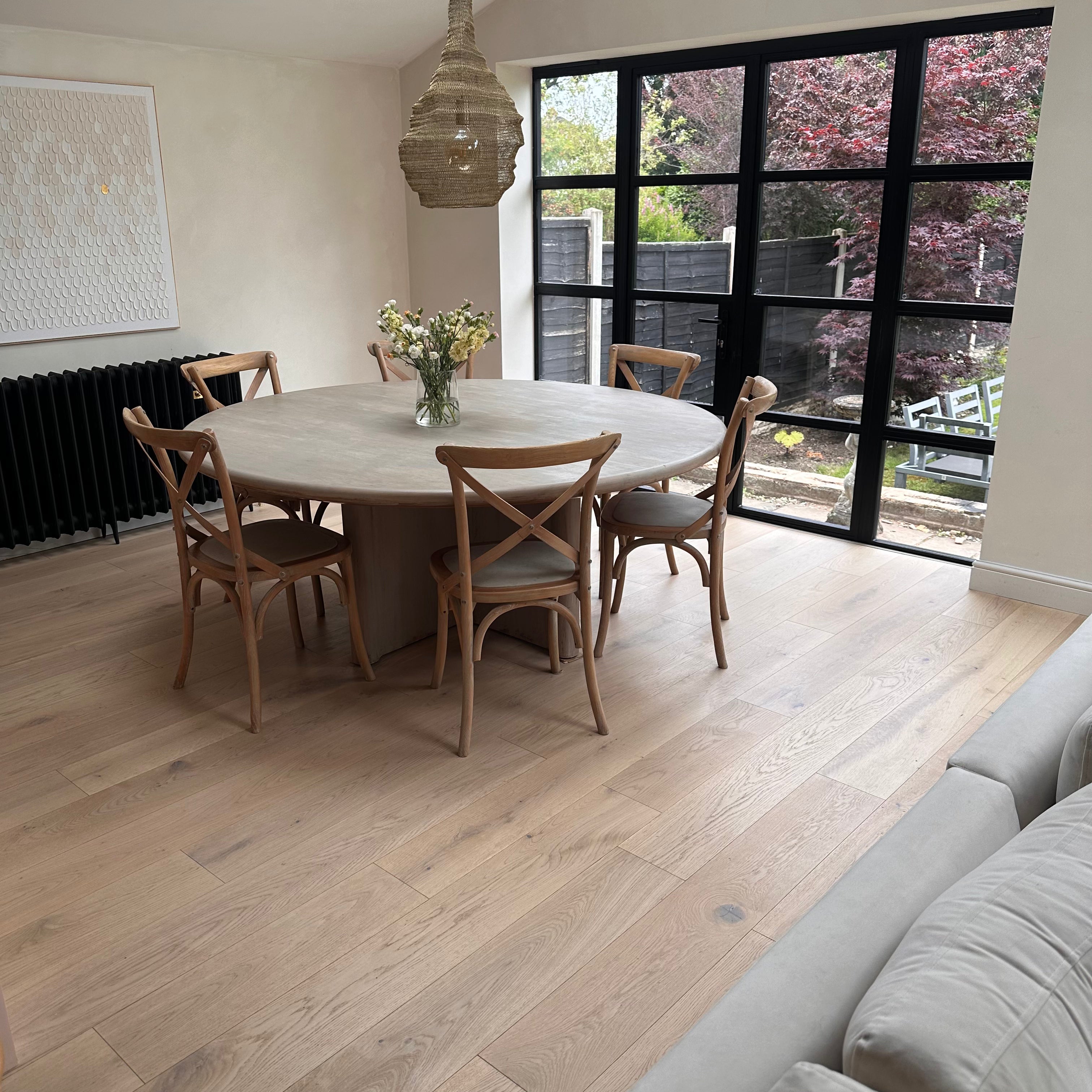
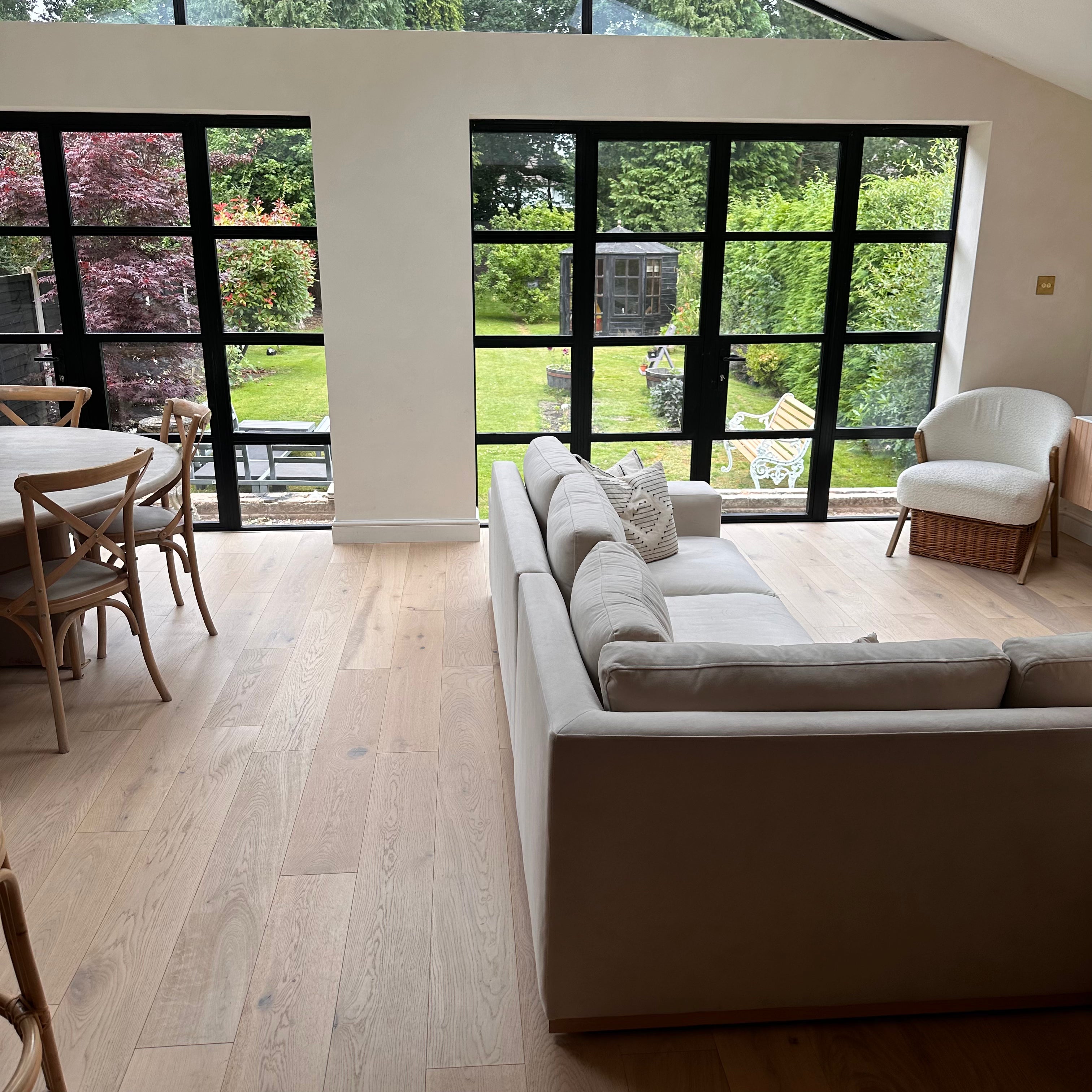
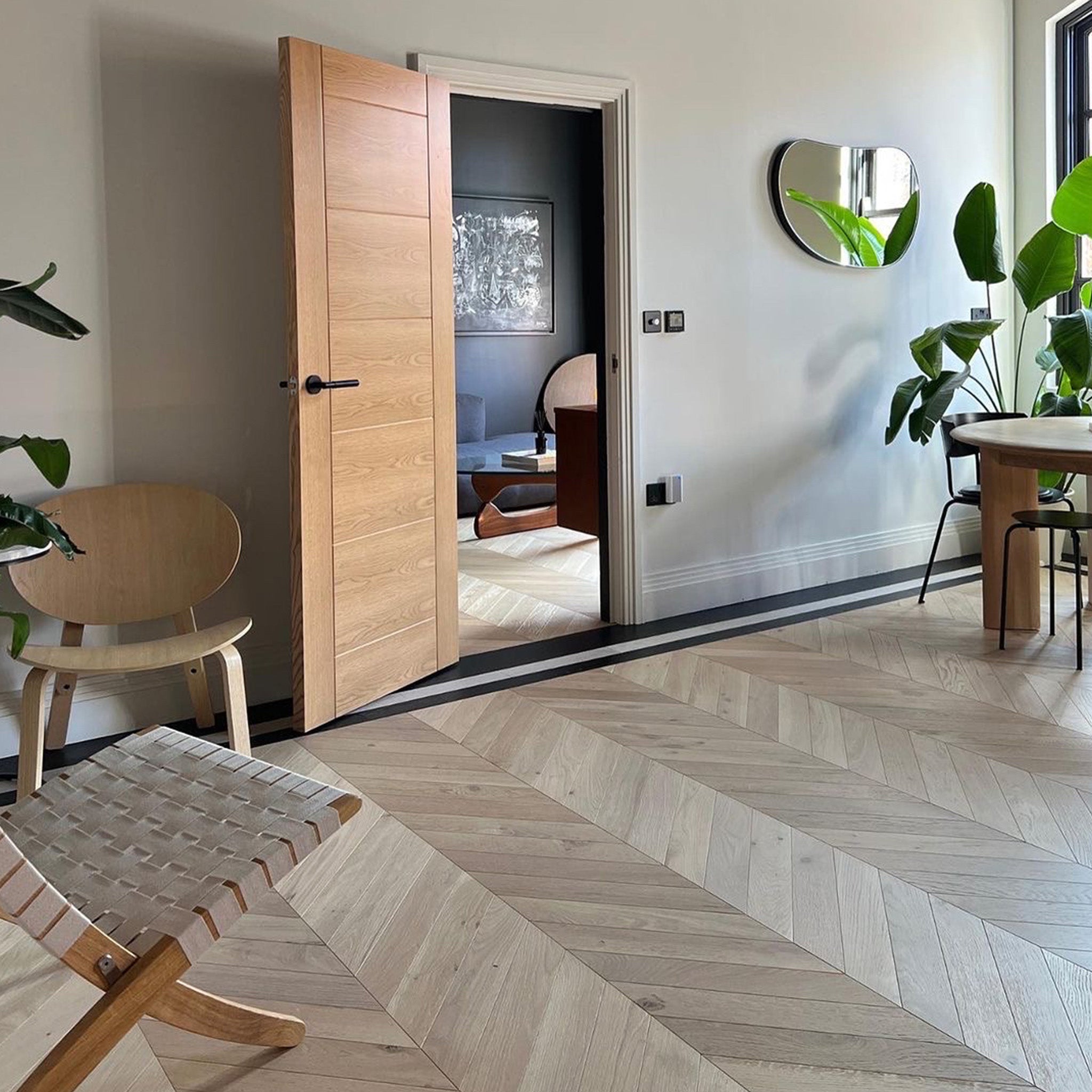
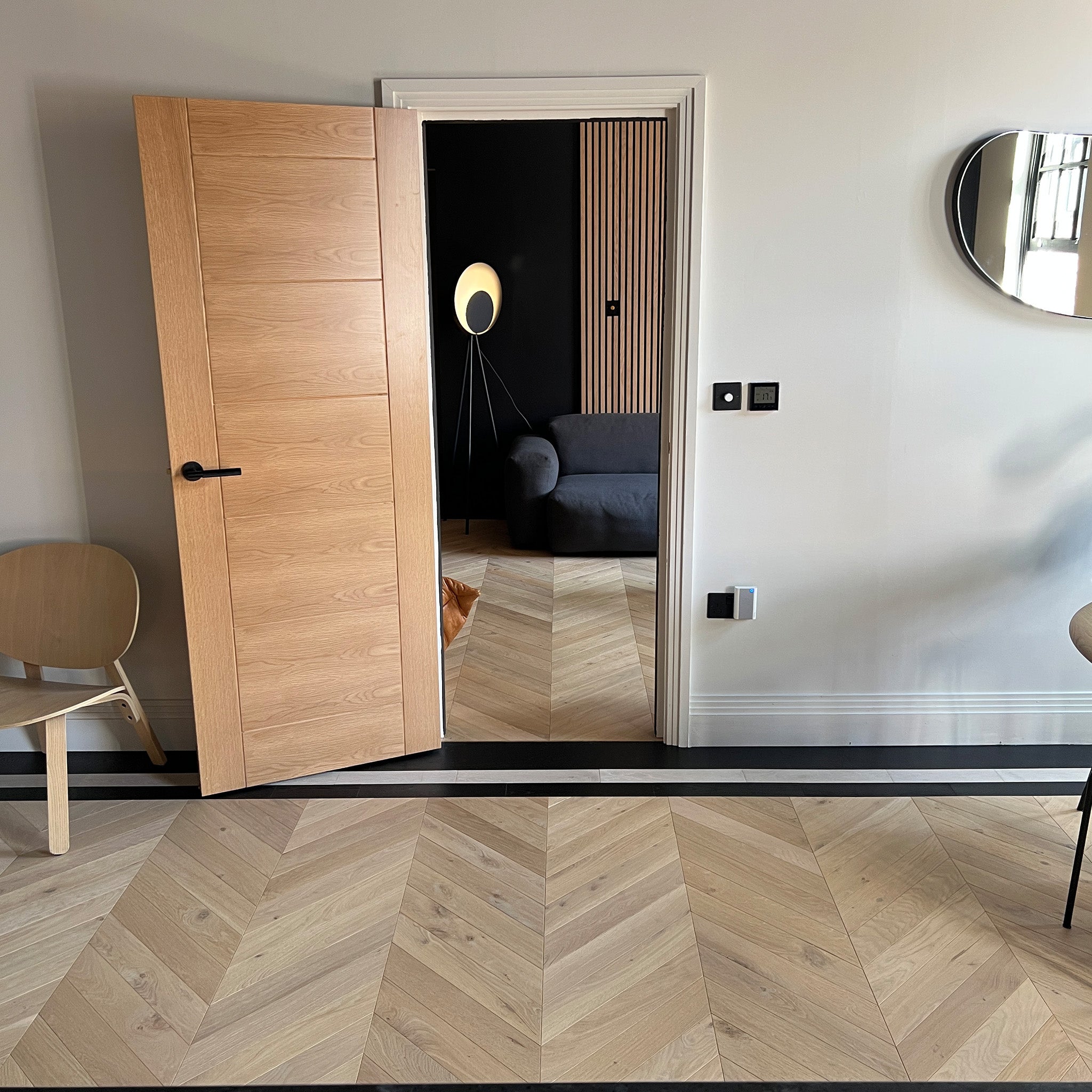
Our best sellers
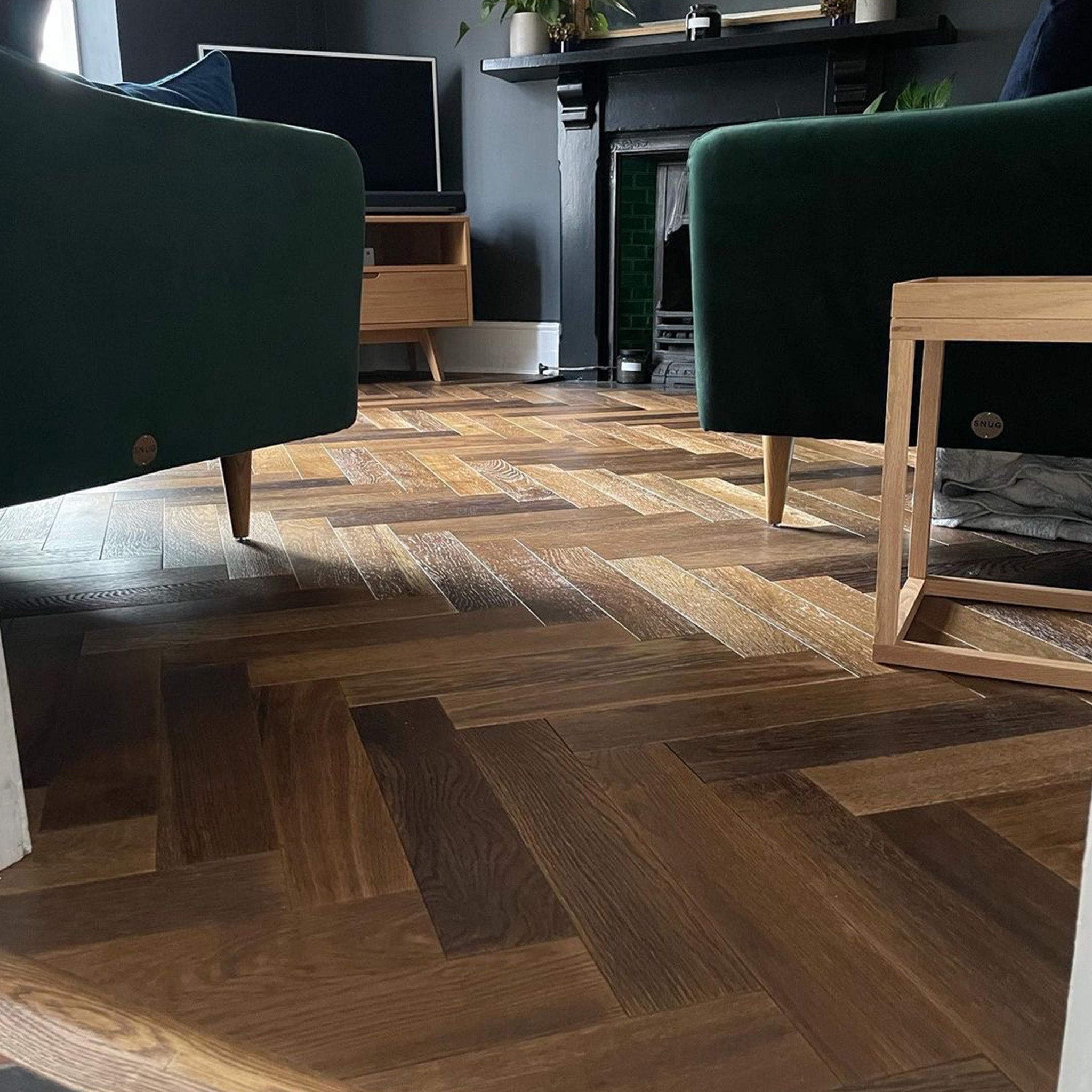

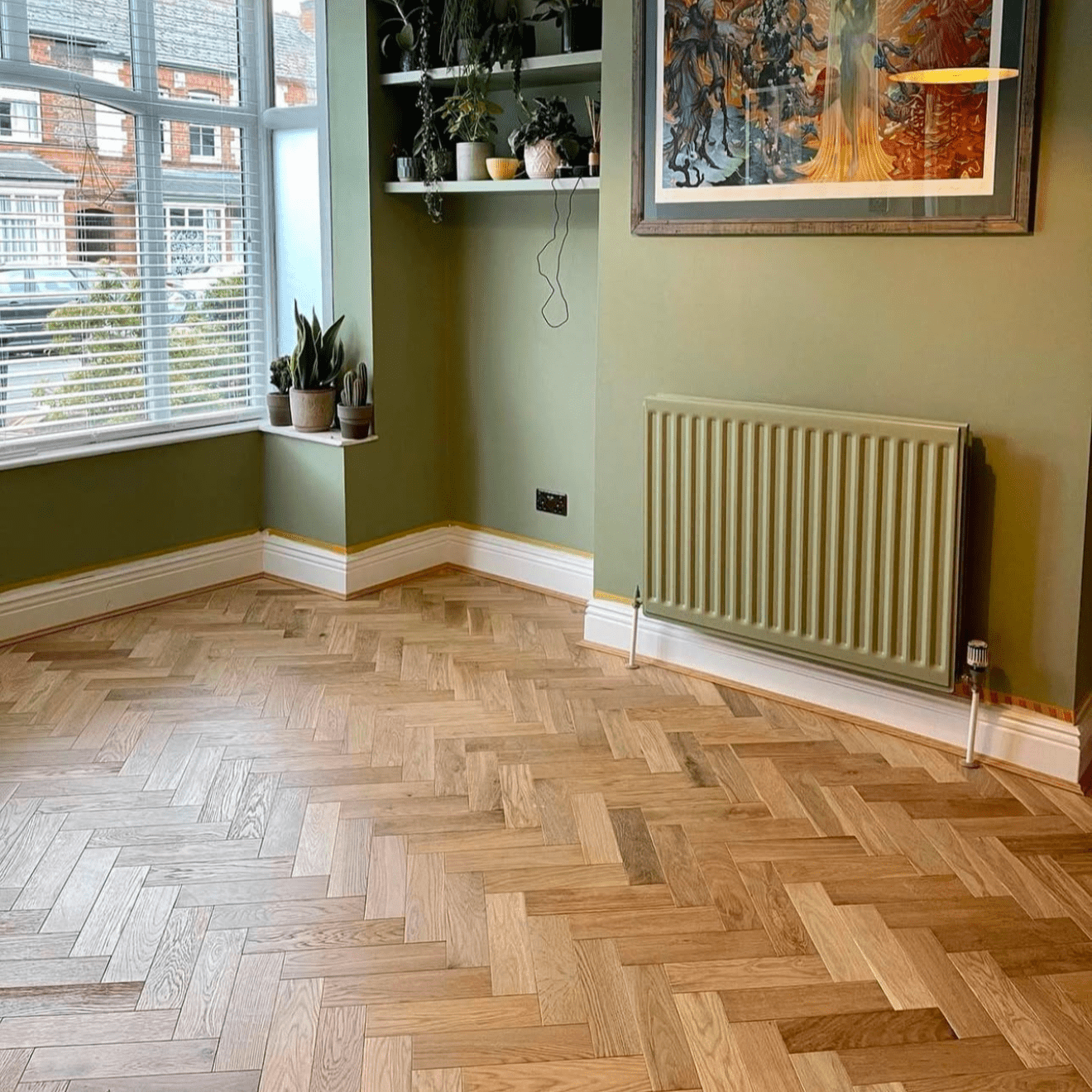
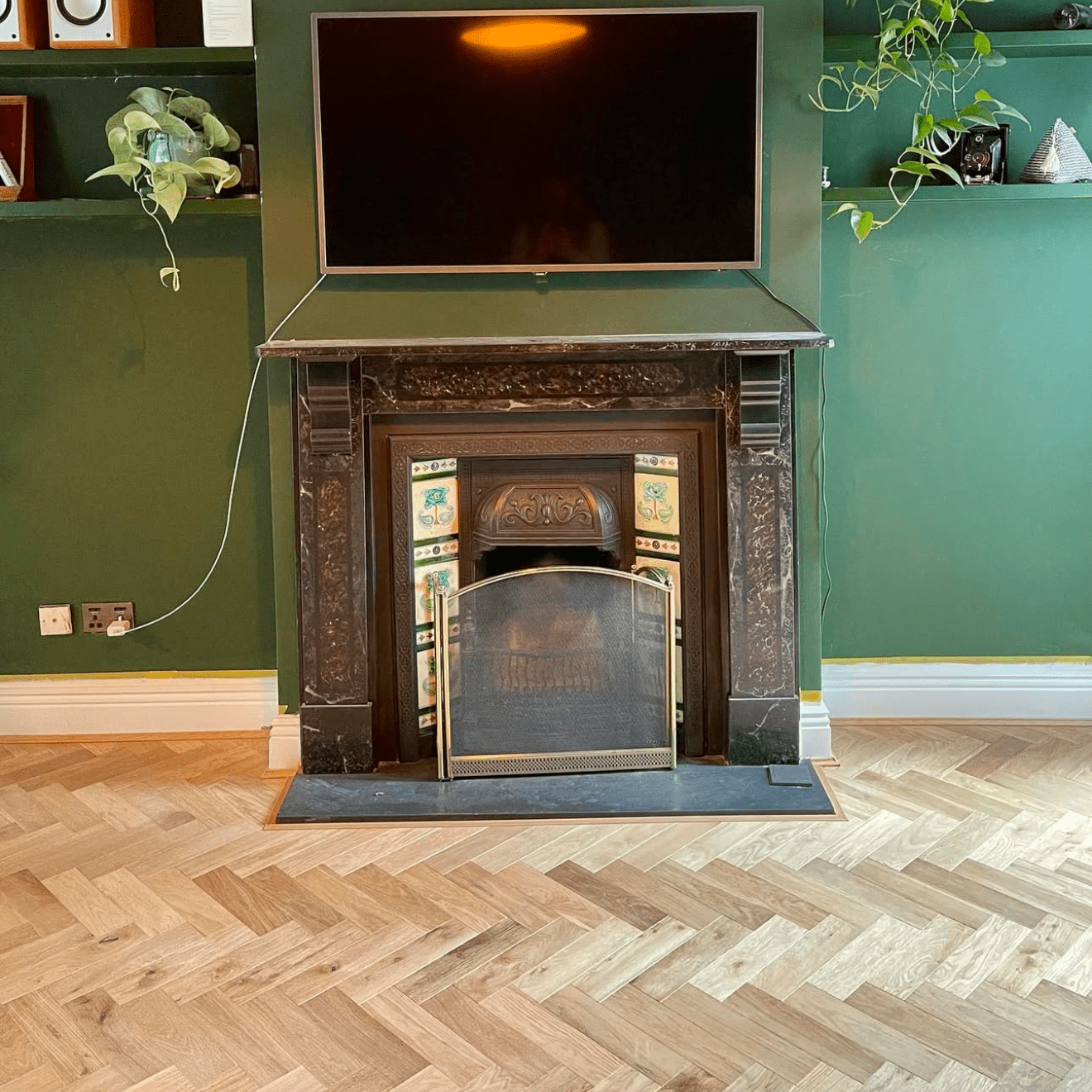
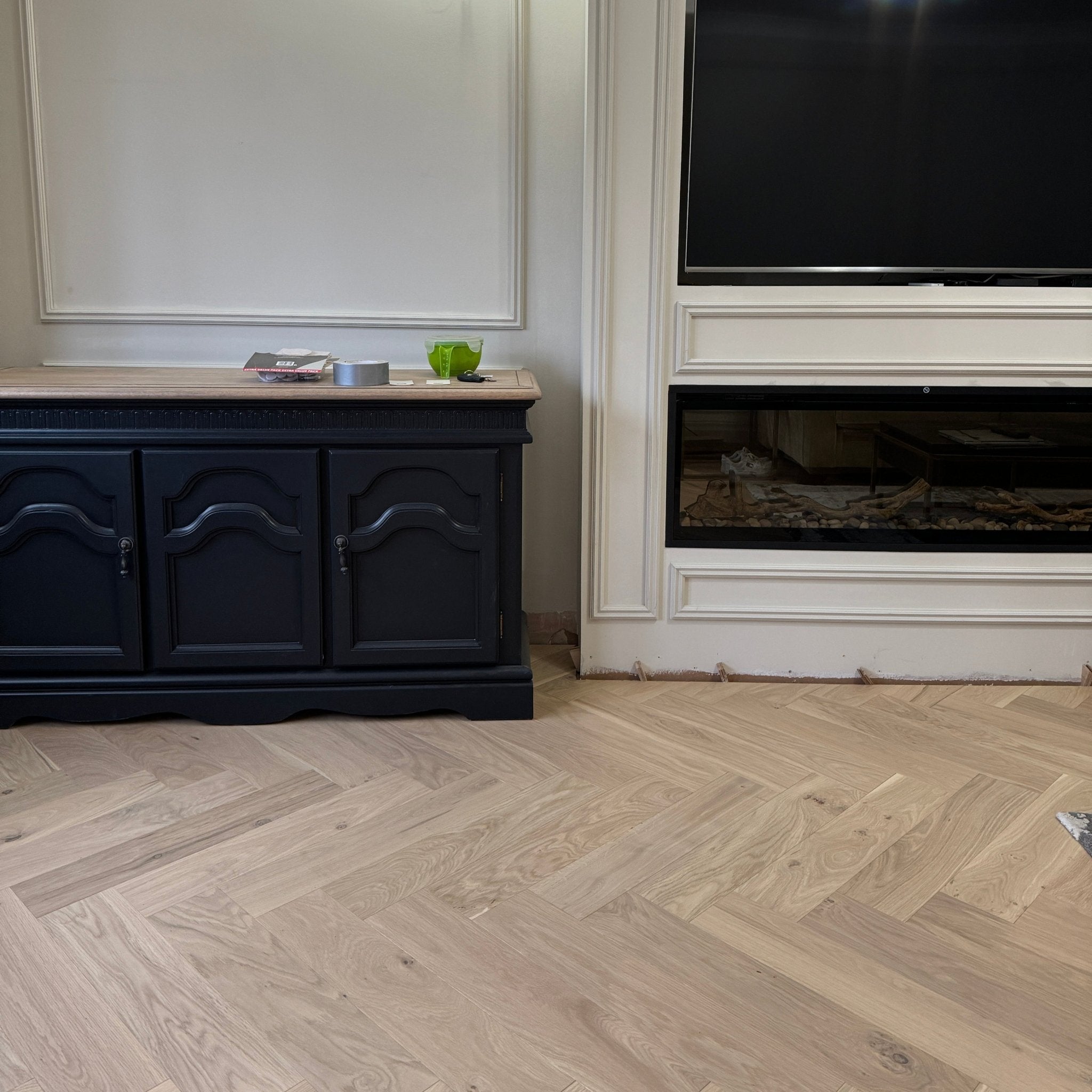
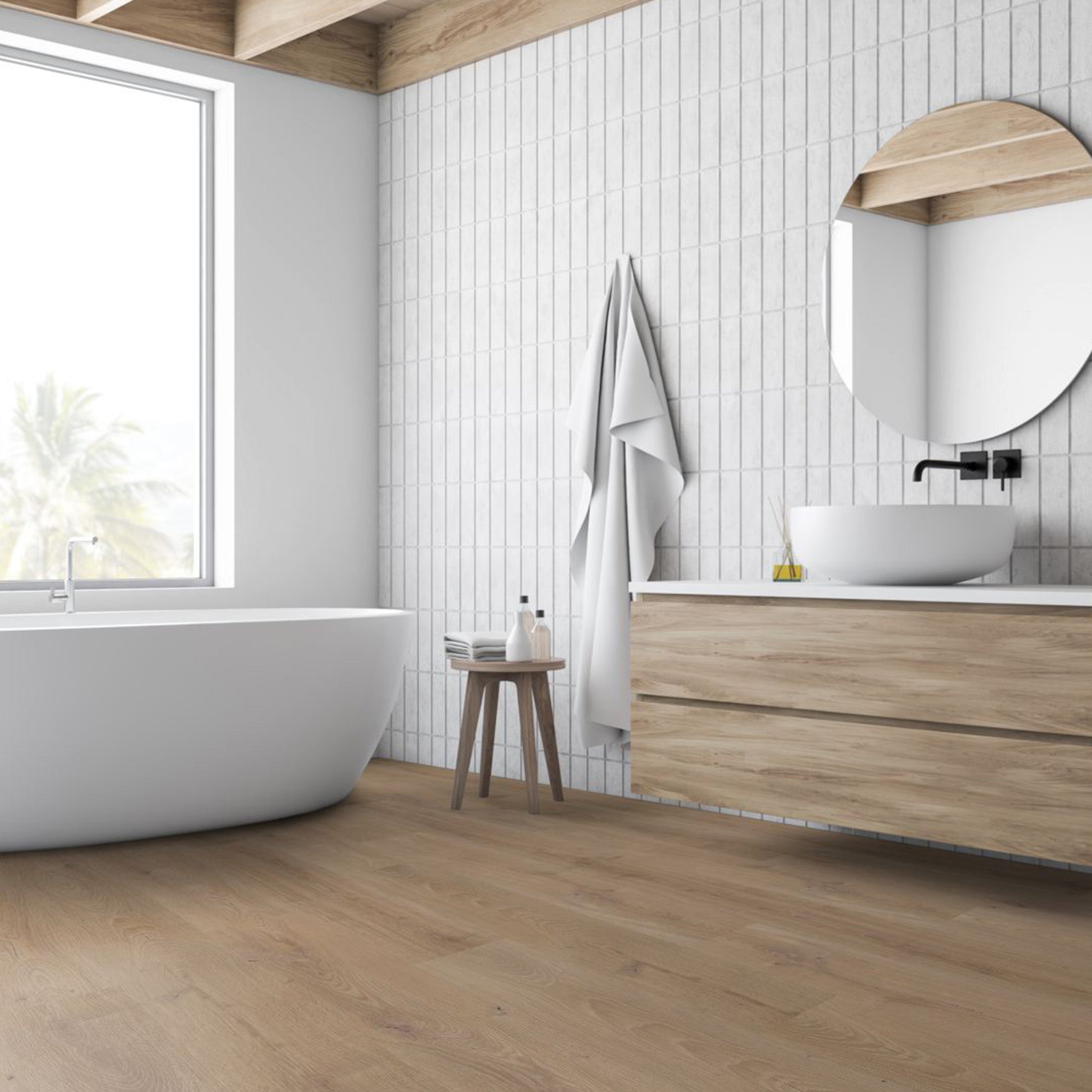
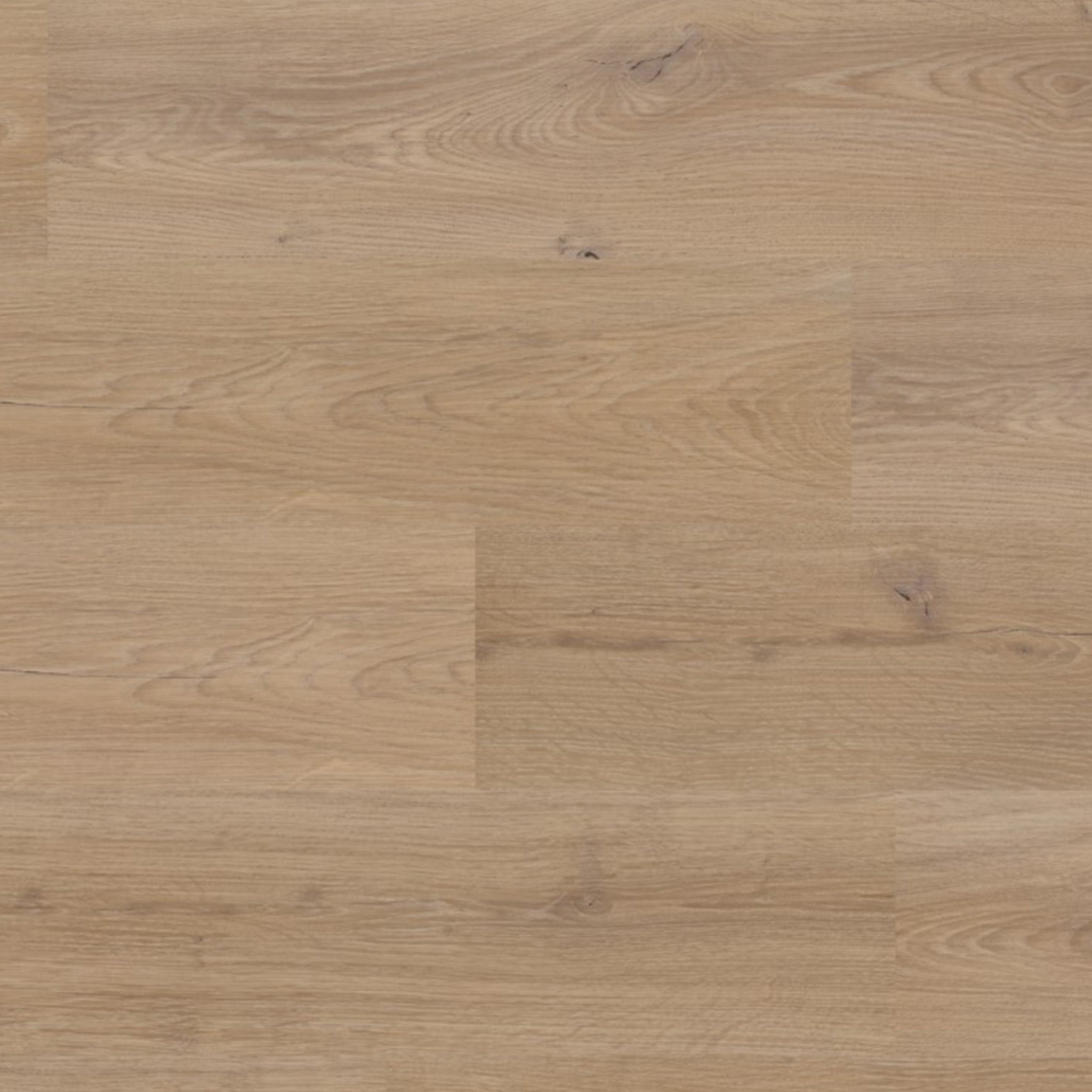
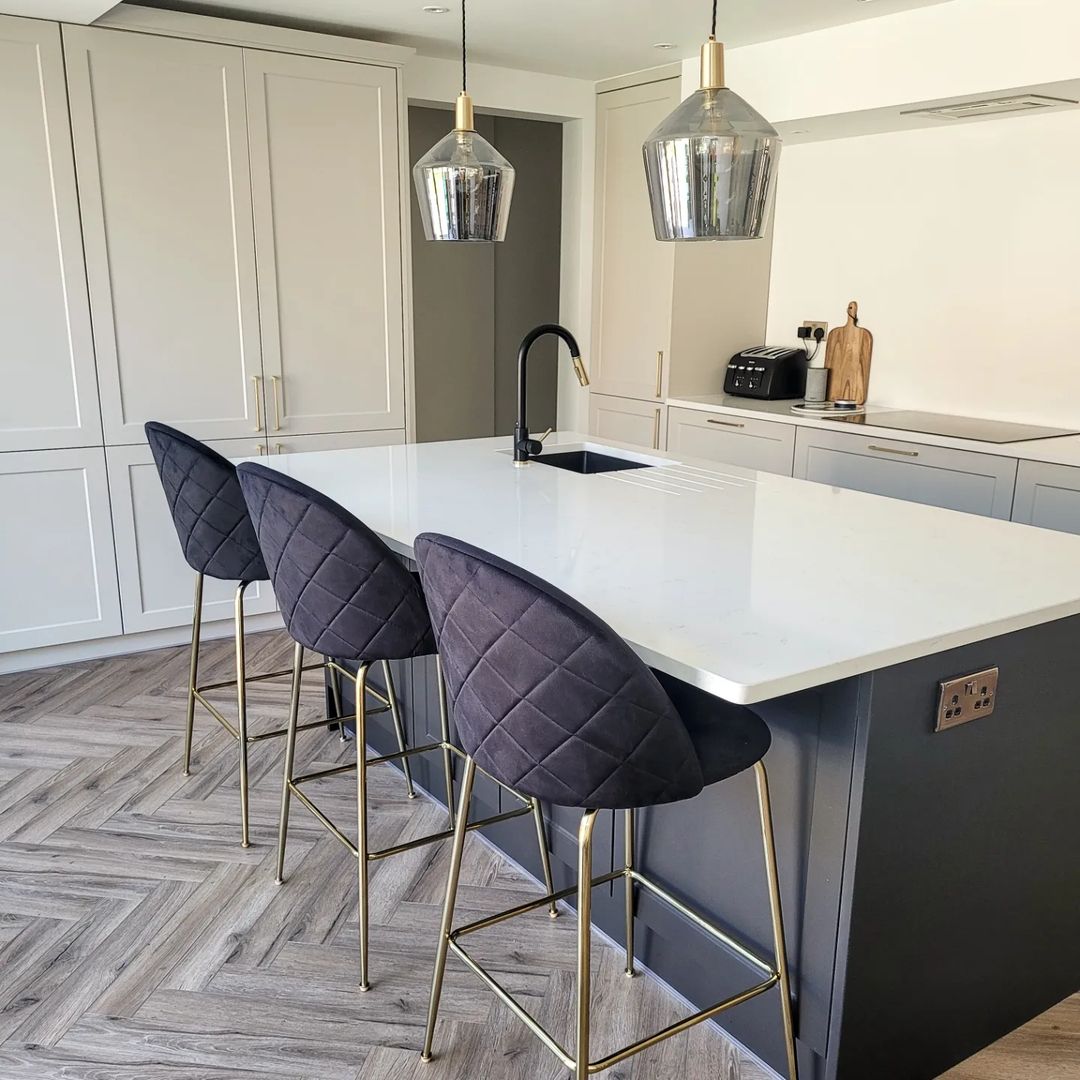
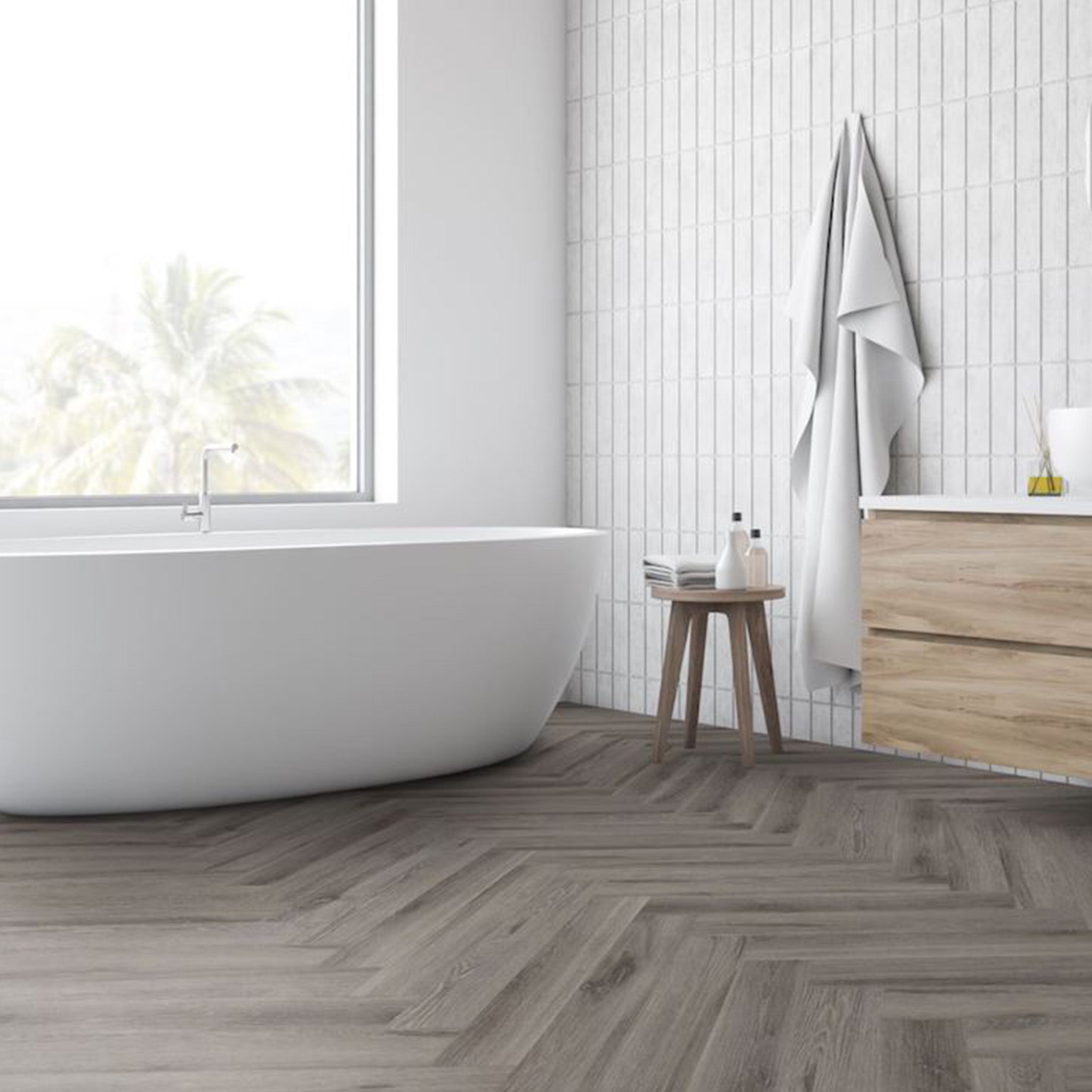








Common questions
Floating floors (e.g. laminate or SPC click systems) should not be installed under kitchen units. These floors need room to expand, so it’s best to fit them around the units. Kickboards, plinths, and side panels can be added after the floor is laid.
Glue-down floors (such as engineered wood or LVT) can be installed wall-to-wall, with kitchen units fitted on top.
Yes, if the existing floor is securely fixed and in good condition, you can install the new floor over it. Always consult your installer to confirm suitability for your specific flooring type.
Yes — all flooring should be acclimatised before fitting to prevent expansion or contraction post-installation.
- Laminate, LVT, and SPC: Leave in the room for 24–48 hours
- Engineered wood: Minimum of 72 hours, with boxes opened
Ensure the room is at normal living temperature (18–22°C) and relative humidity between 40–60%.
Floor Street is a flooring retailer, not an installation company. We don’t provide fitting services directly. Instead, we can connect you with trusted local contractors we’ve worked with for years. These professionals are independent, and you’ll pay them directly.
Please note: your installation guarantee is with the contractor. Floor Street is only responsible for the flooring products you purchase, which are covered by the manufacturer’s warranty.
Here’s how the process usually works:
1. Browse our user-friendly website to choose your floor and order samples directly from each product page.
2. Get a quote based on your provided measurements directly on our website with our smart calculator.
3. Purchase your flooring and accessories. We can ship it to you or store it until needed.
4. When you're ready to book, just contact us and we'll connect you with a recommended local fitter to schedule your installation.
5. Enjoy your beautiful new floor!
Yes, our smart Flooring Calculator helps you estimate how much flooring you'll need, including recommended waste allowances:
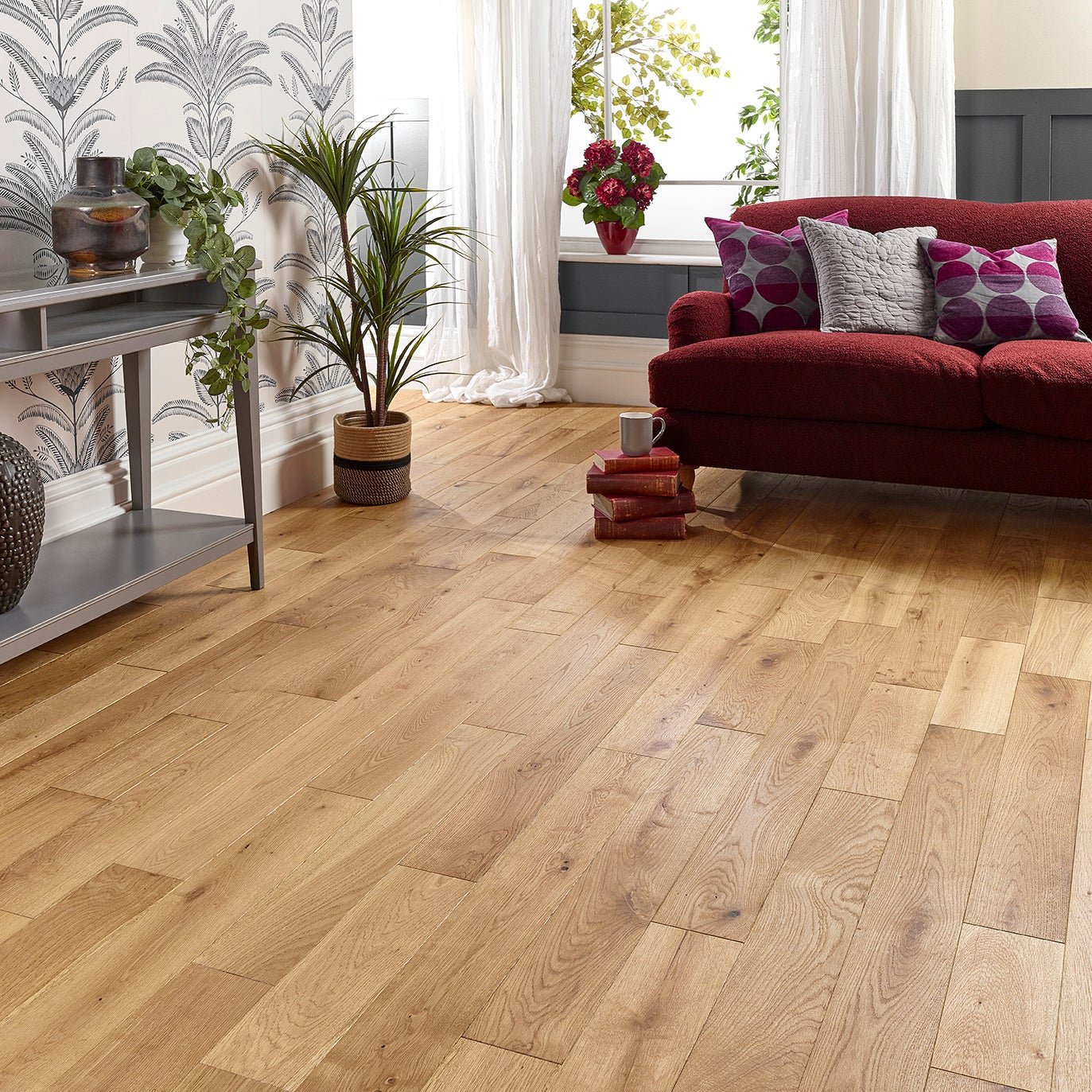
- Straight Plank Floors: +10% waste
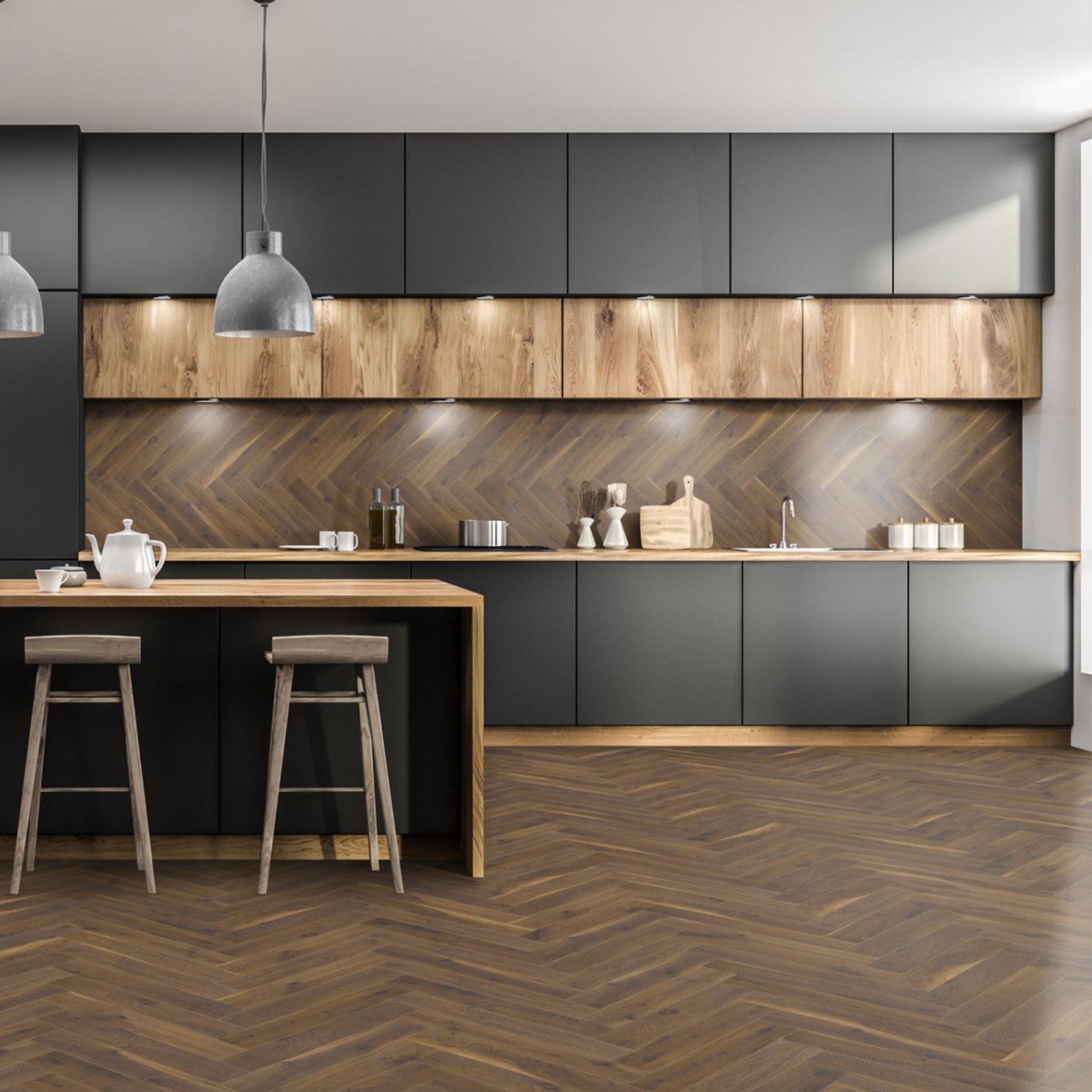
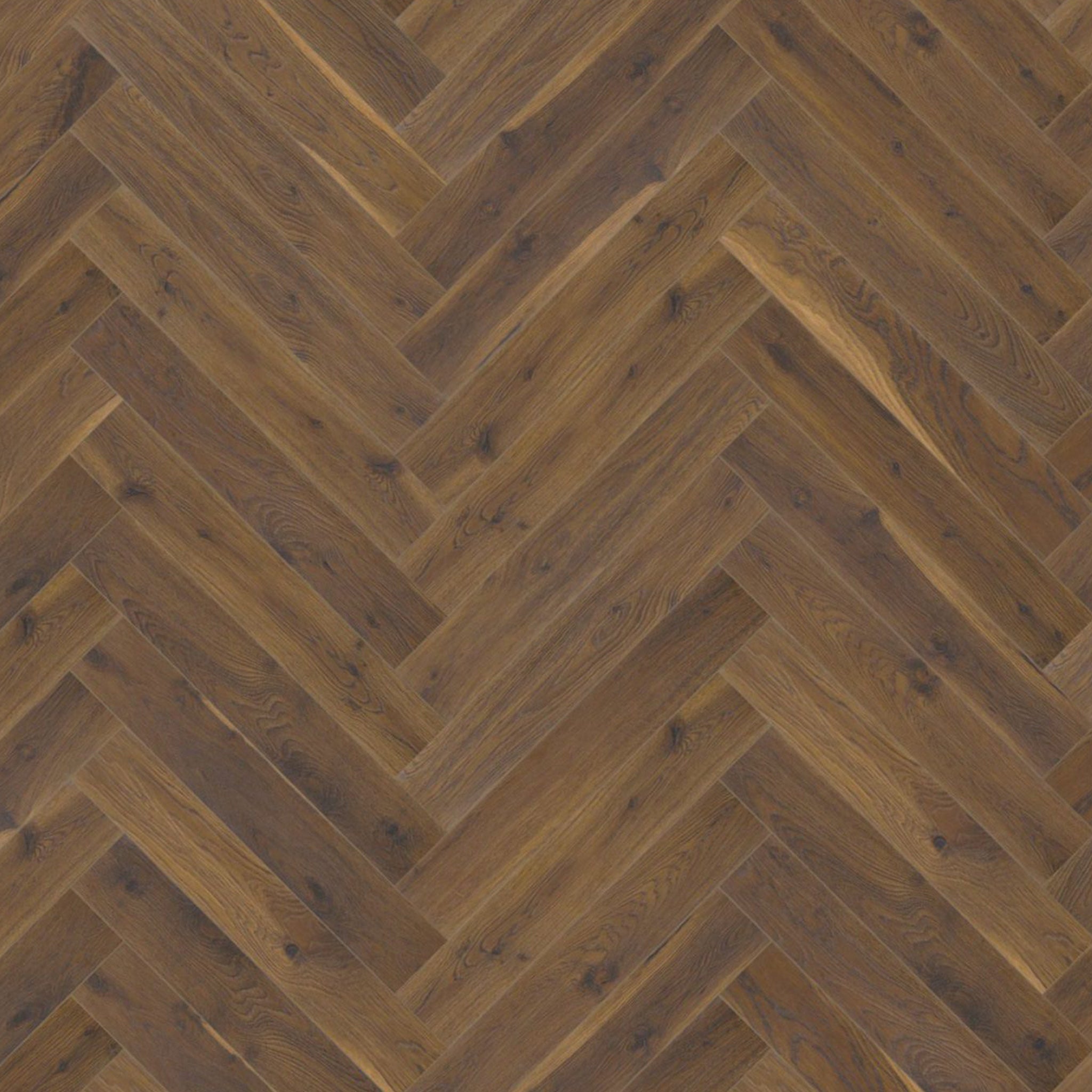
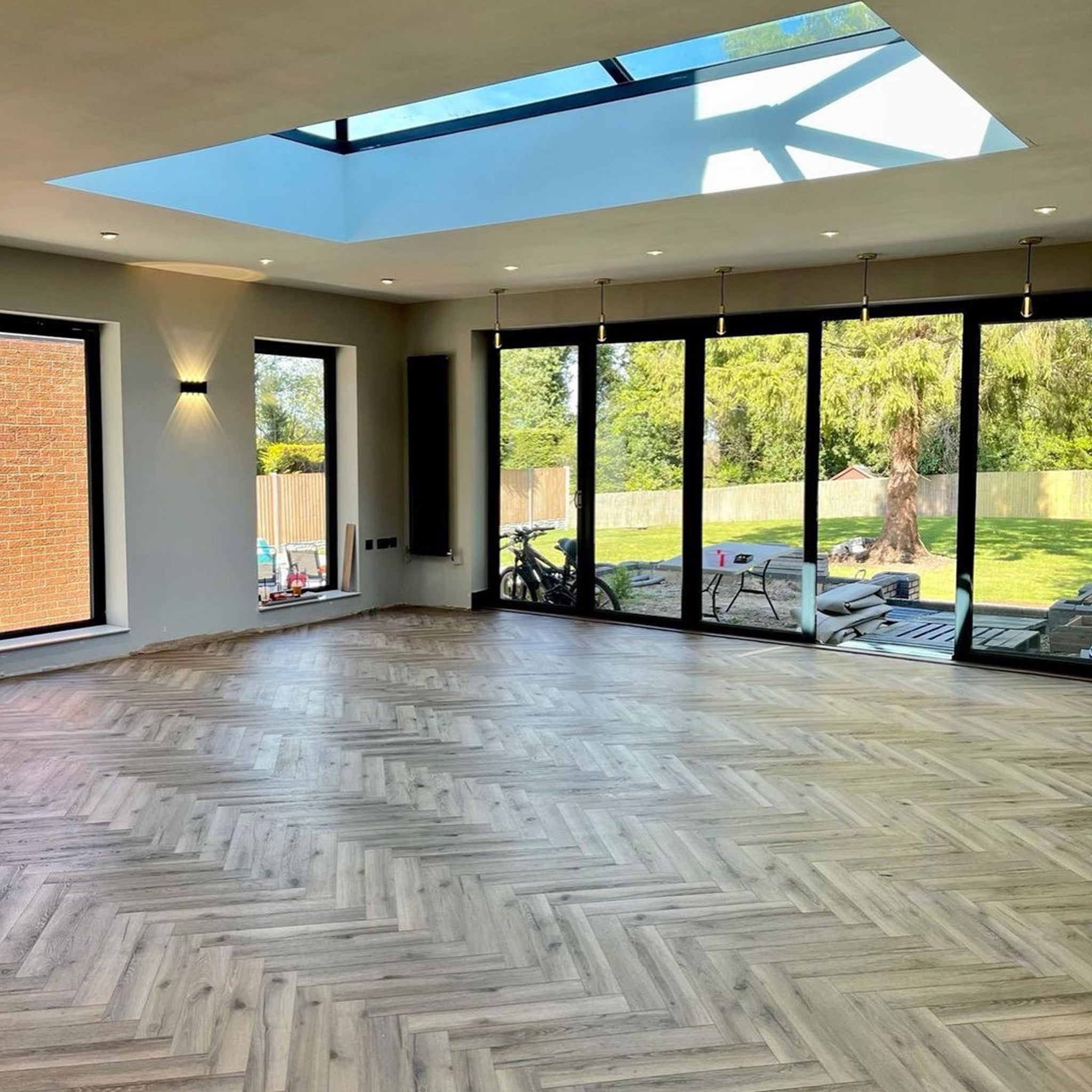
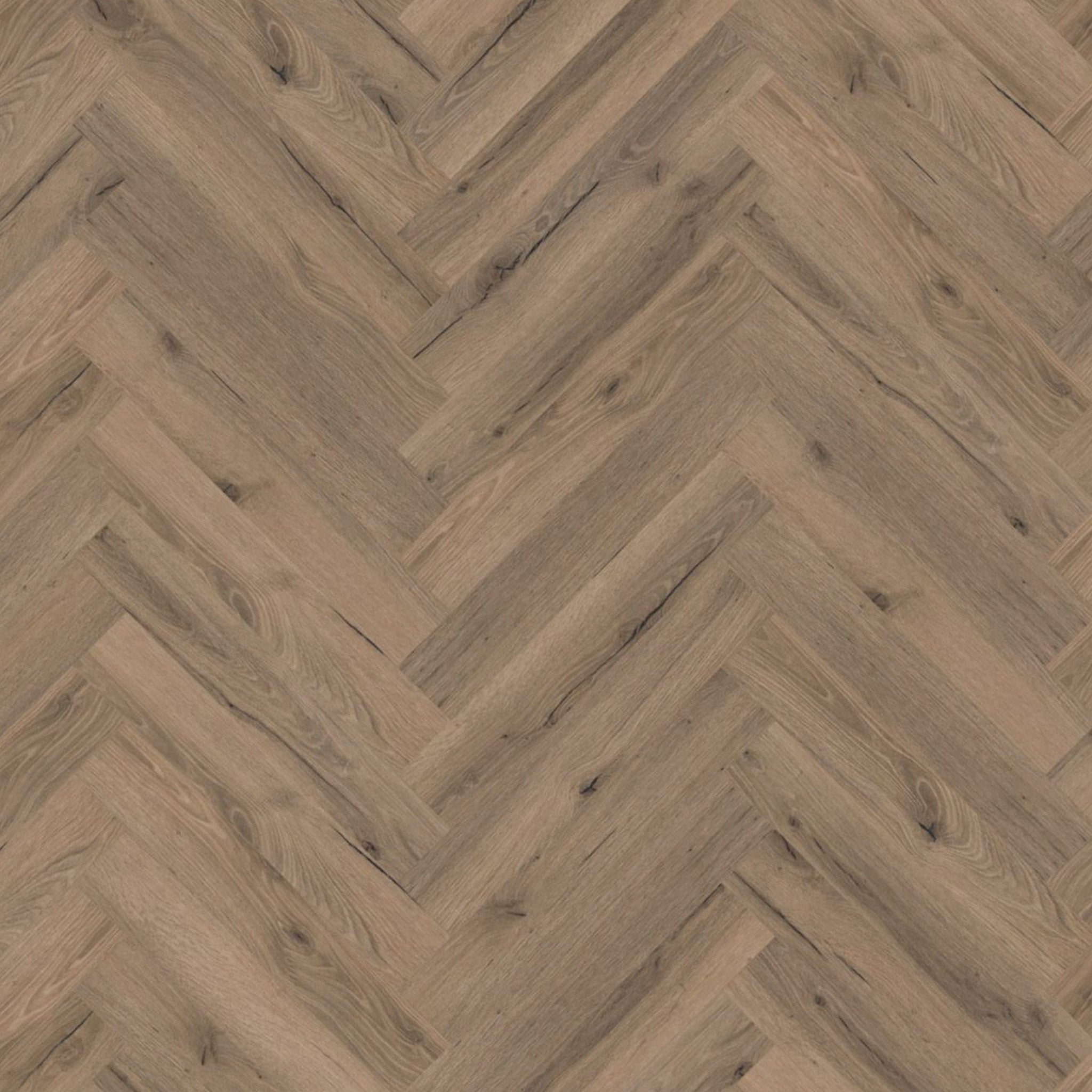
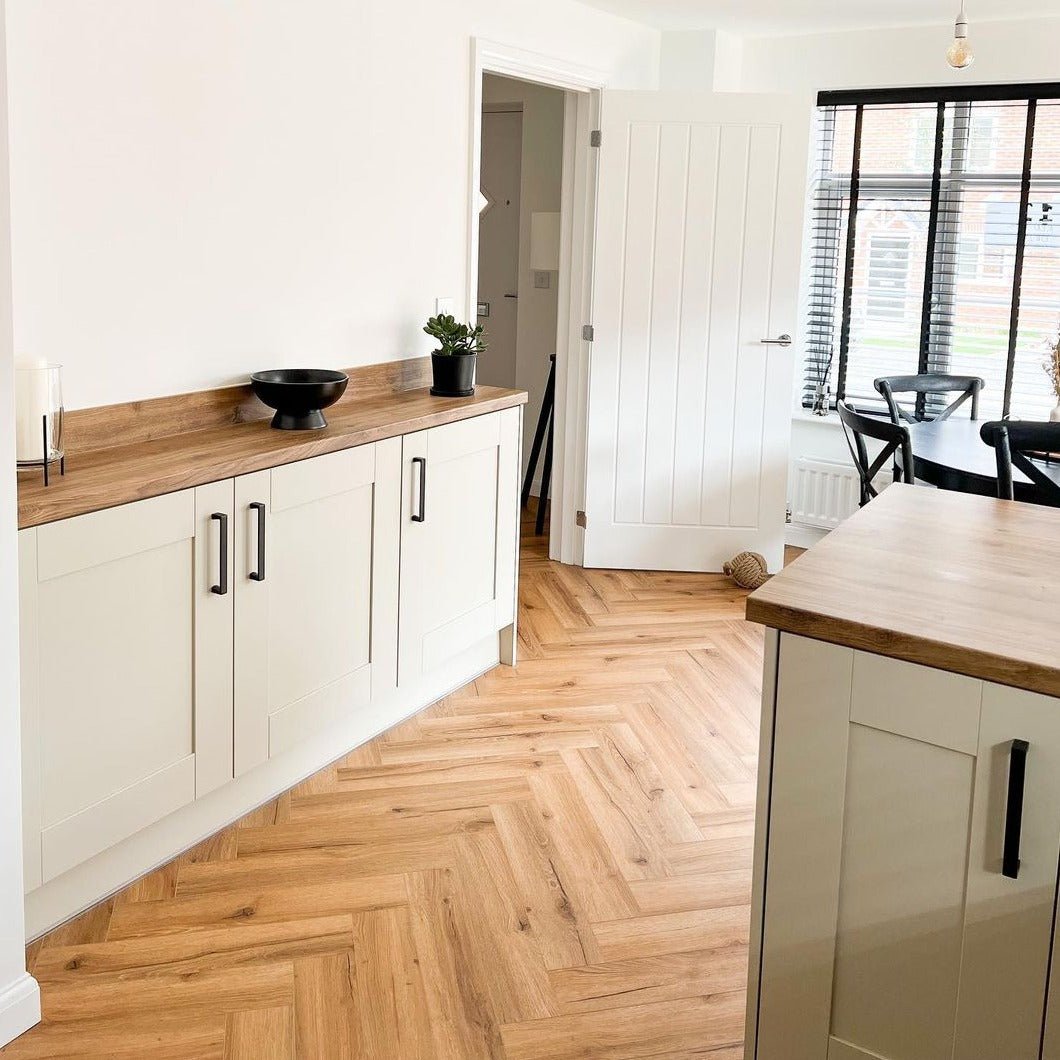
- Herringbone Floors: +15% waste
This ensures you have enough material to complete your space without running short.
Please be sure to select the ‘Add Waste’ option on the product page when placing your order.
Yes — most of our flooring options, including engineered wood, LVT, SPC, and certain laminates, are compatible with underfloor heating systems.
Be sure to:
- Keep the temperature under 27°C
- Use the correct underlay (where applicable)
- Follow the acclimatisation process before installation
Click system flooring refers to planks designed to lock together without glue or nails. It’s perfect for quick, clean DIY installation.
- Found in SPC, laminate, and some engineered wood
- Great for floating floors
- Fast, cheaper and hassle-free fitting

See it in your home.
Samples are basically free when you buy your floor — you get every penny back.
-
Order your samples Pick a bundle, build your own, or take a single sample and check out as normal.
-
Your credit is saved We credit the full sample cost to your account automatically.
-
It comes off your floor order When you buy your floor, log in and apply the credit at checkout.
Already ordered samples? Just log into the account you used — your credit will be waiting when you buy your floor.
See every color, side by side.
Single Sample
One colour only.
Mix & match any colours
Create a personal sample pack with exactly the shades you want to see.