







In Stock | Next Day Delivery
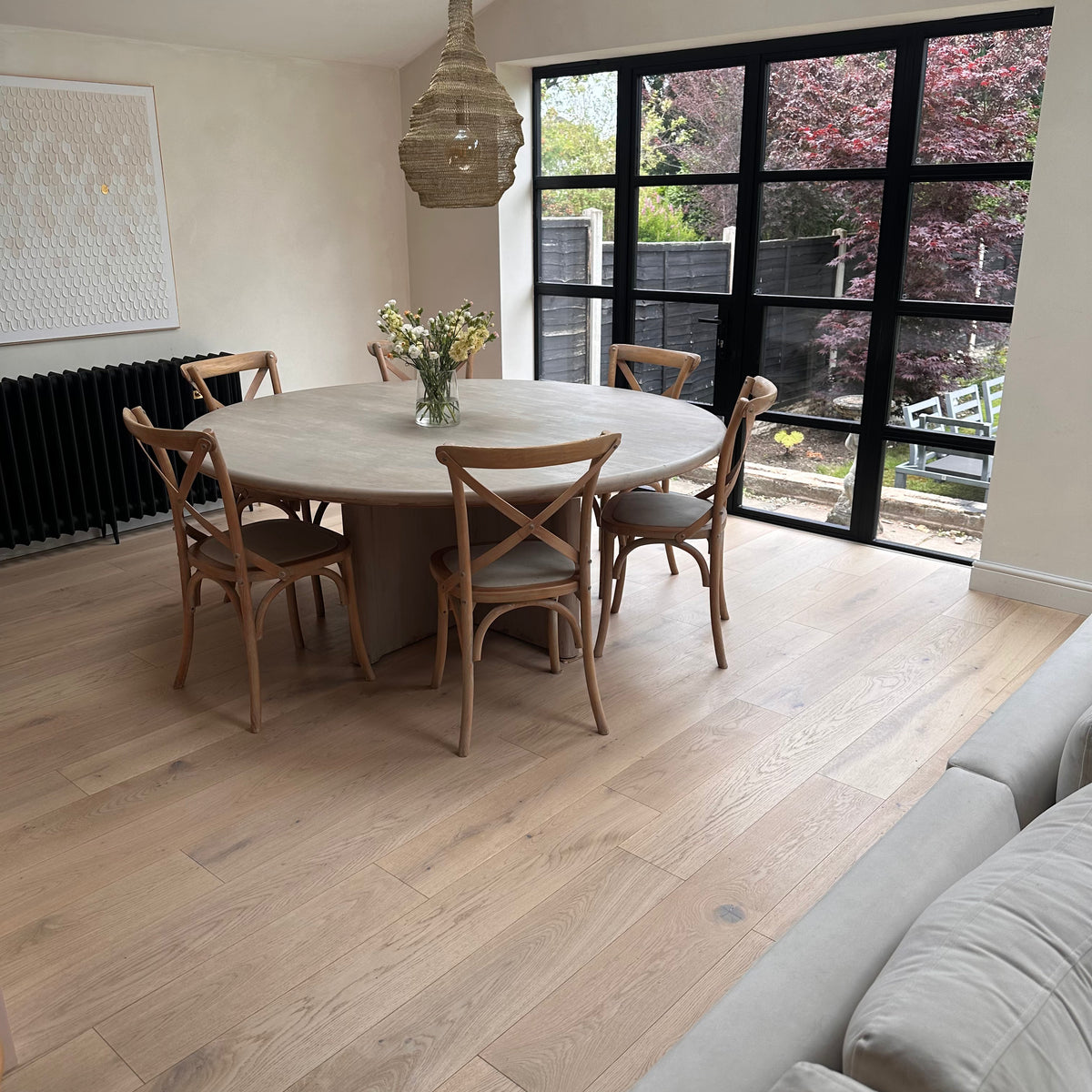
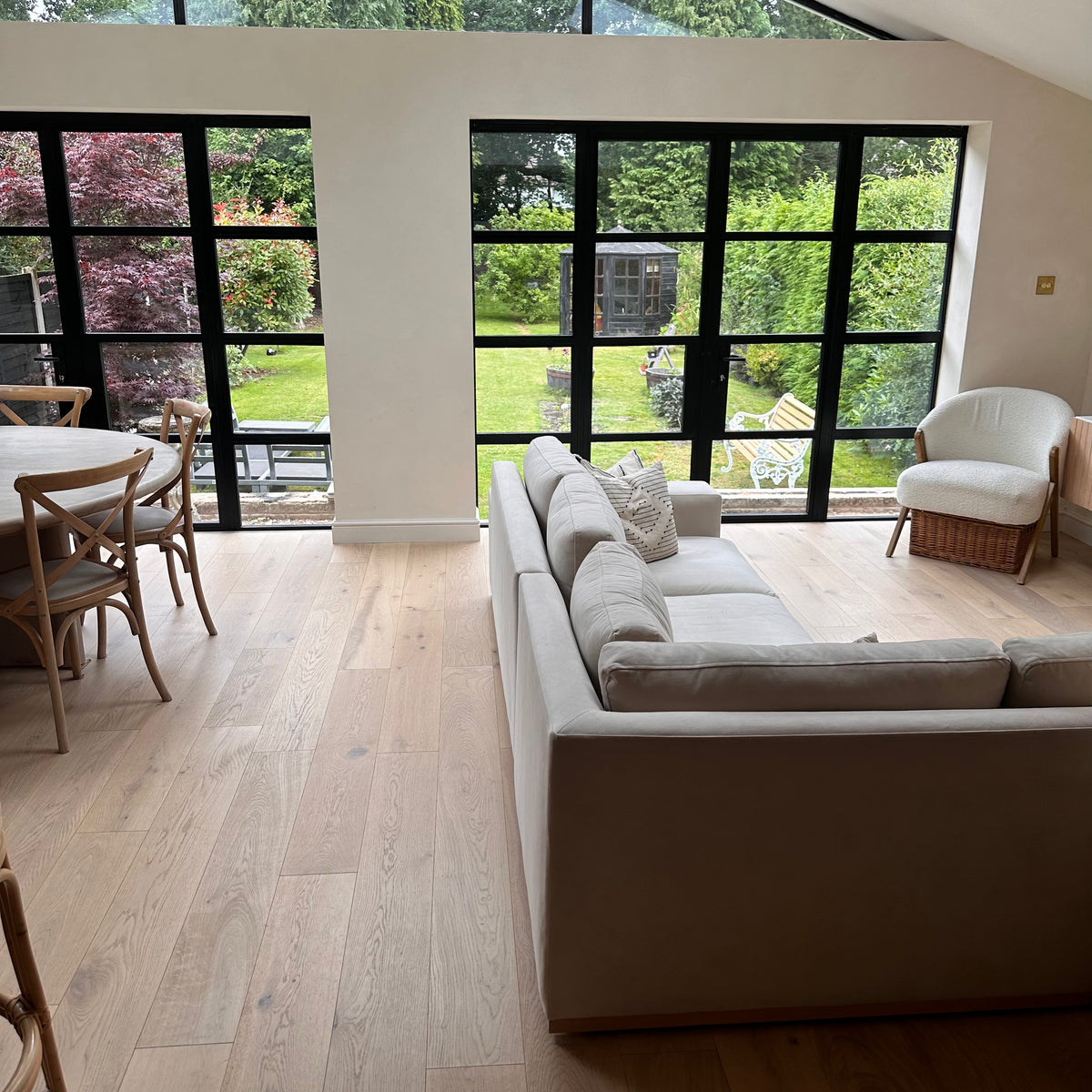
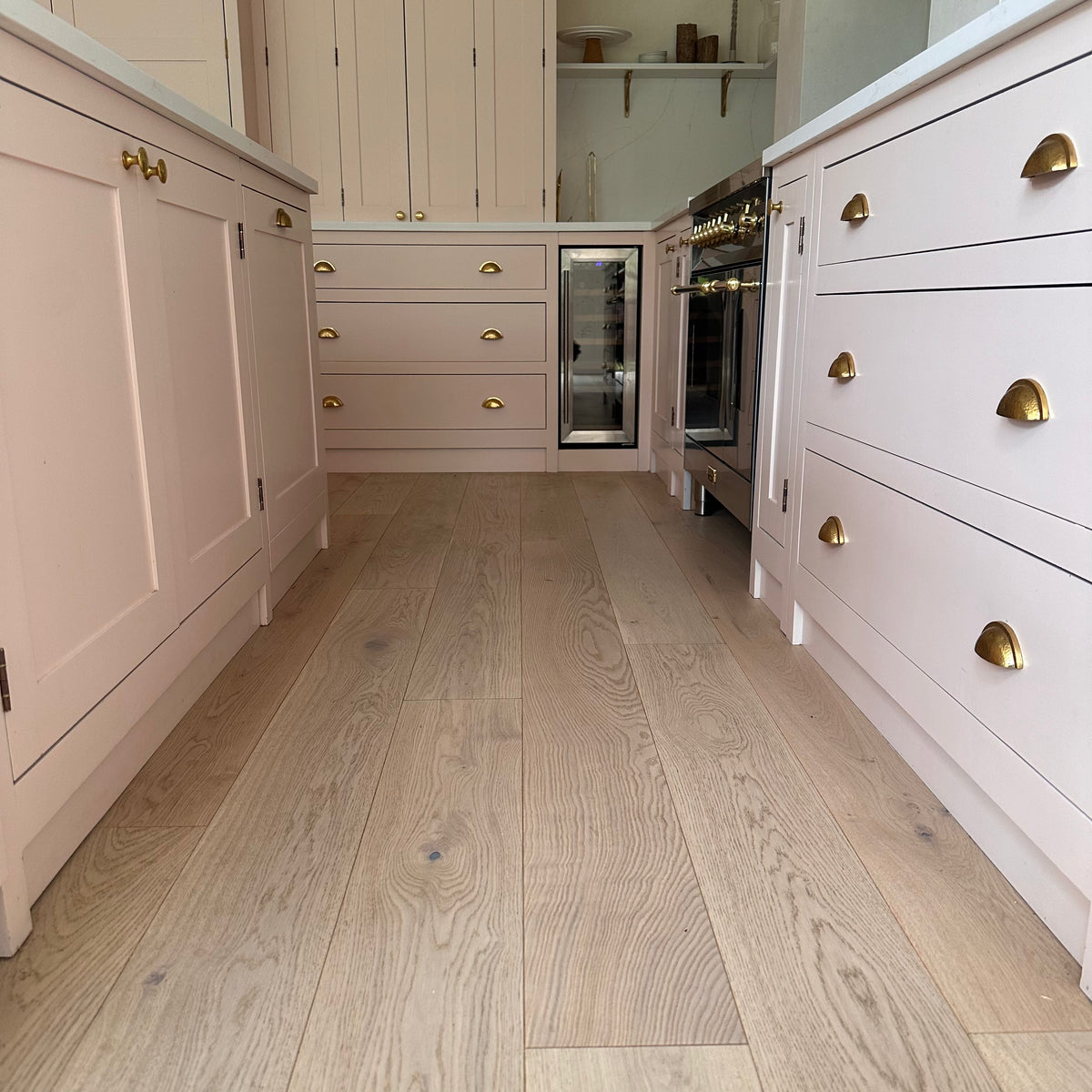
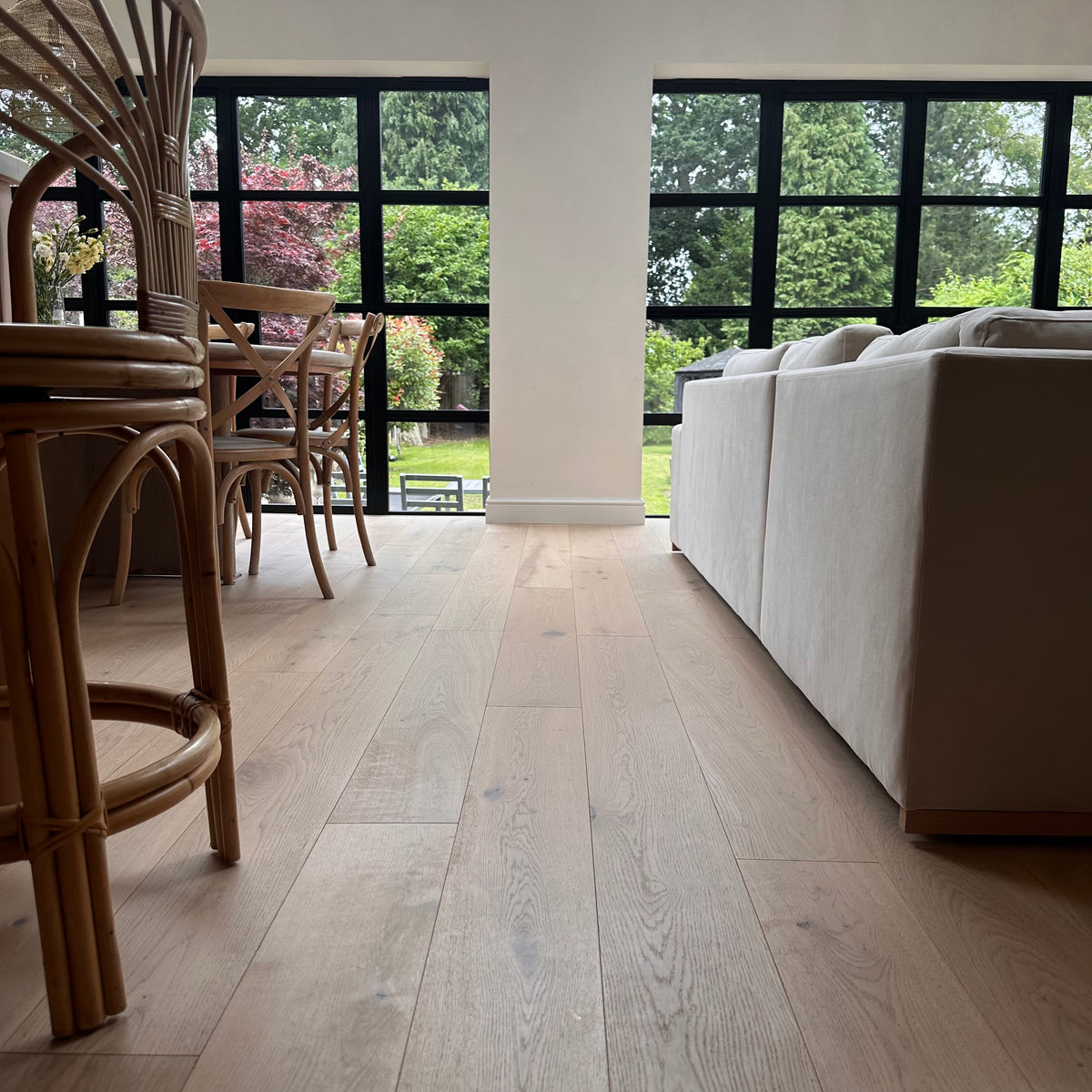
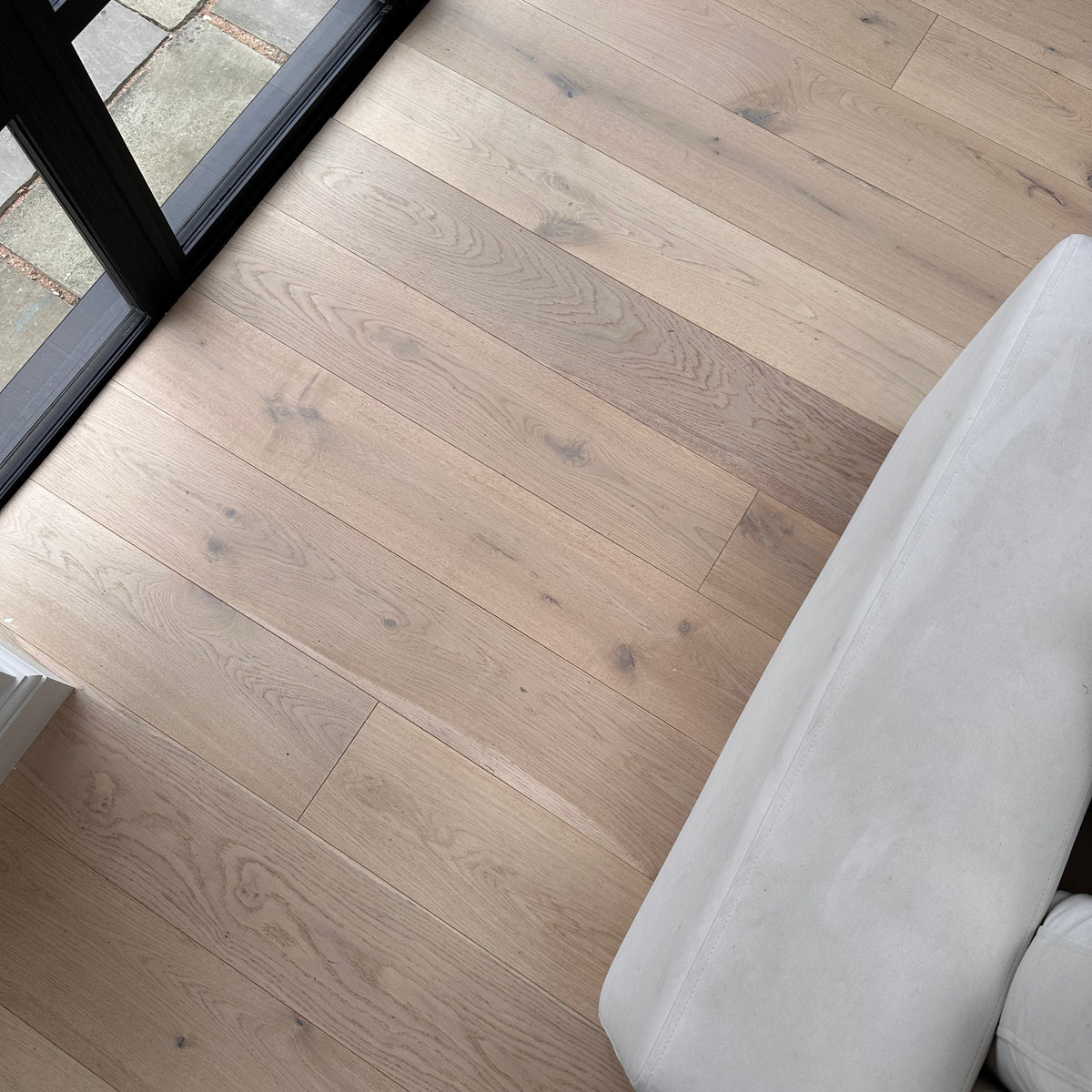
London Oak Herringbone Engineered
£29.25 per m²
£64.99 per m²
Save £35.74 per m²

Running out of stock - Order Now
London Oak Engineered
£36.00 per m²
£79.99 per m²
Save £43.99 per m²


Running out of stock - Order Now
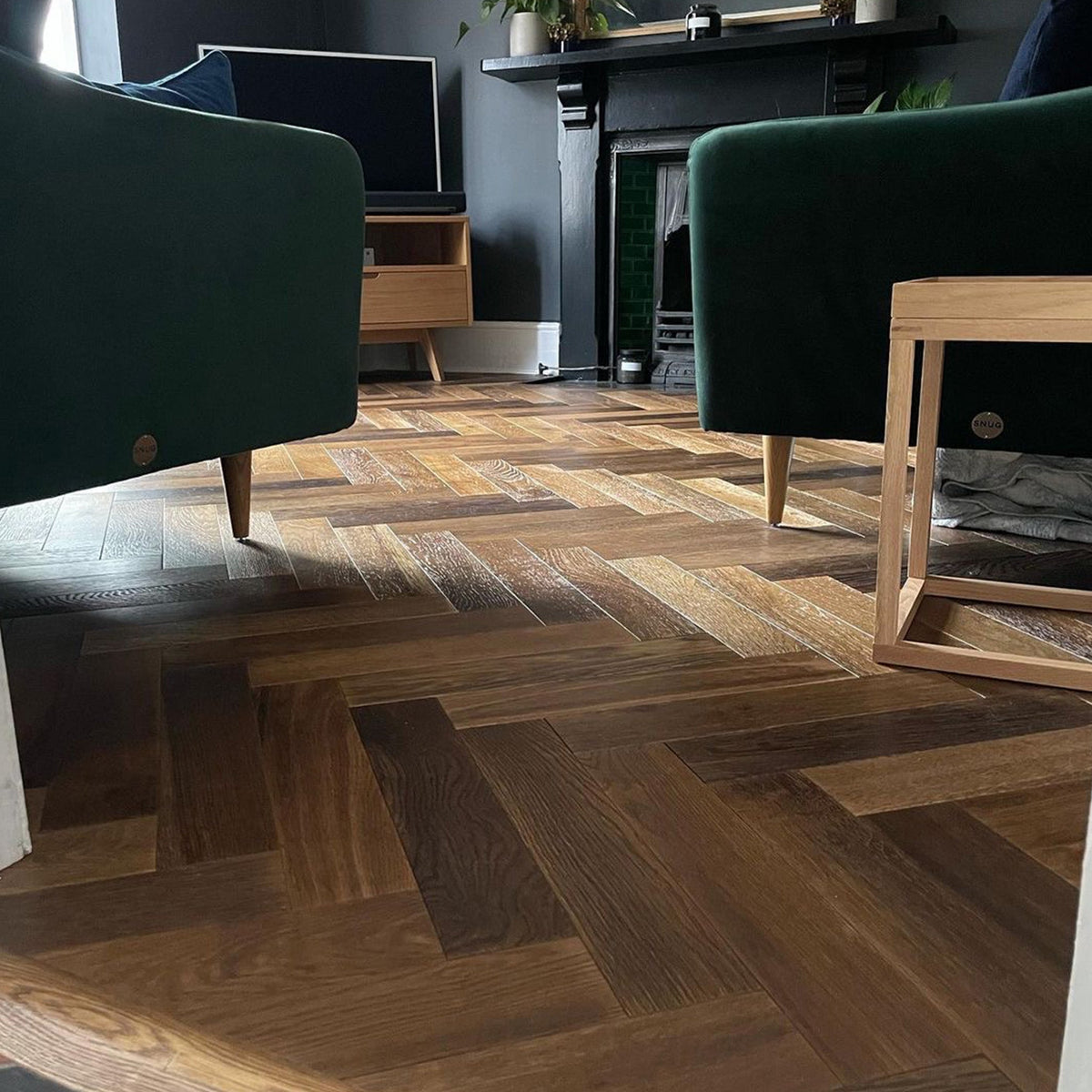
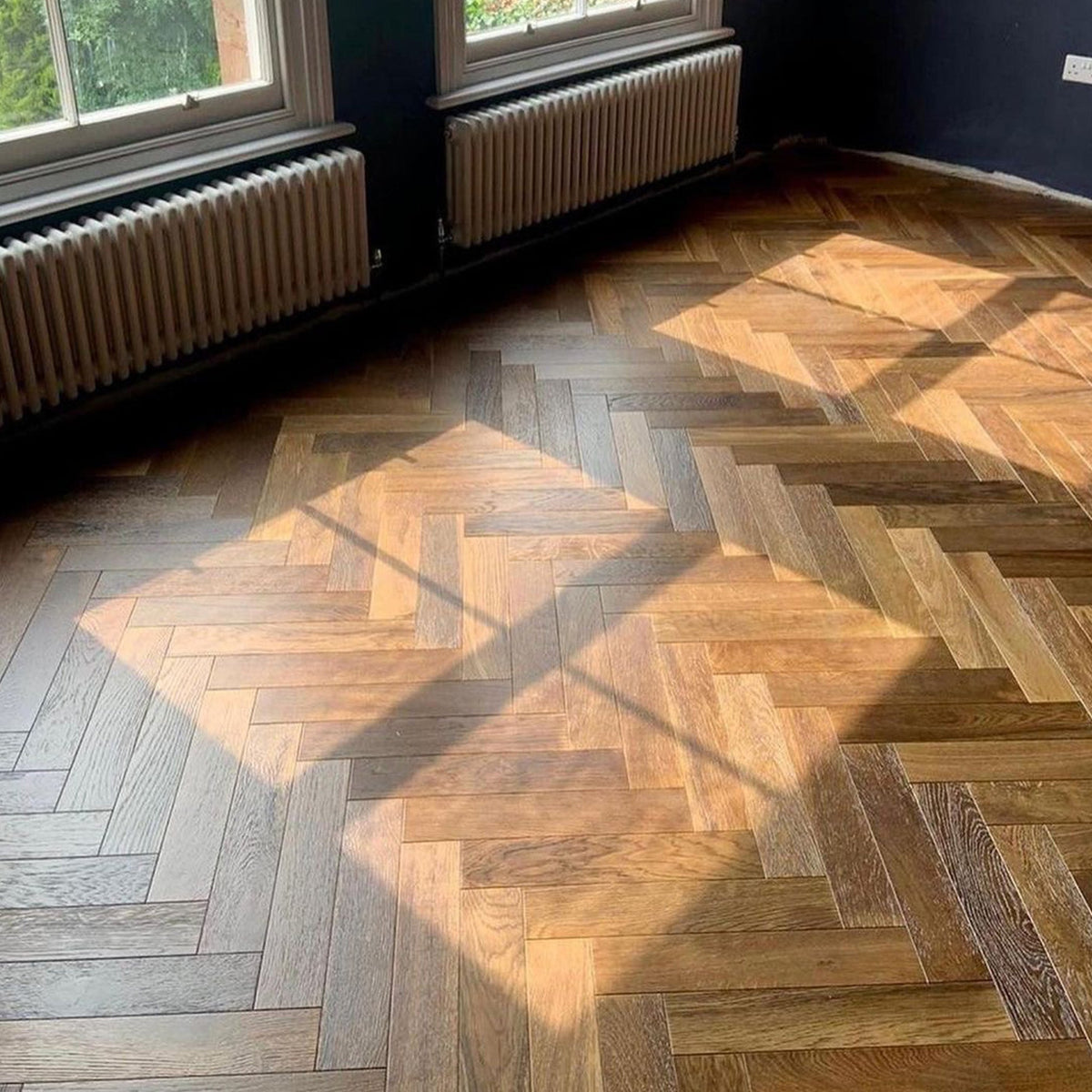
Summer Oak Chevron Engineered
£51.75 per m²
£114.99 per m²
Save £63.24 per m²



In Stock | Next Day Delivery
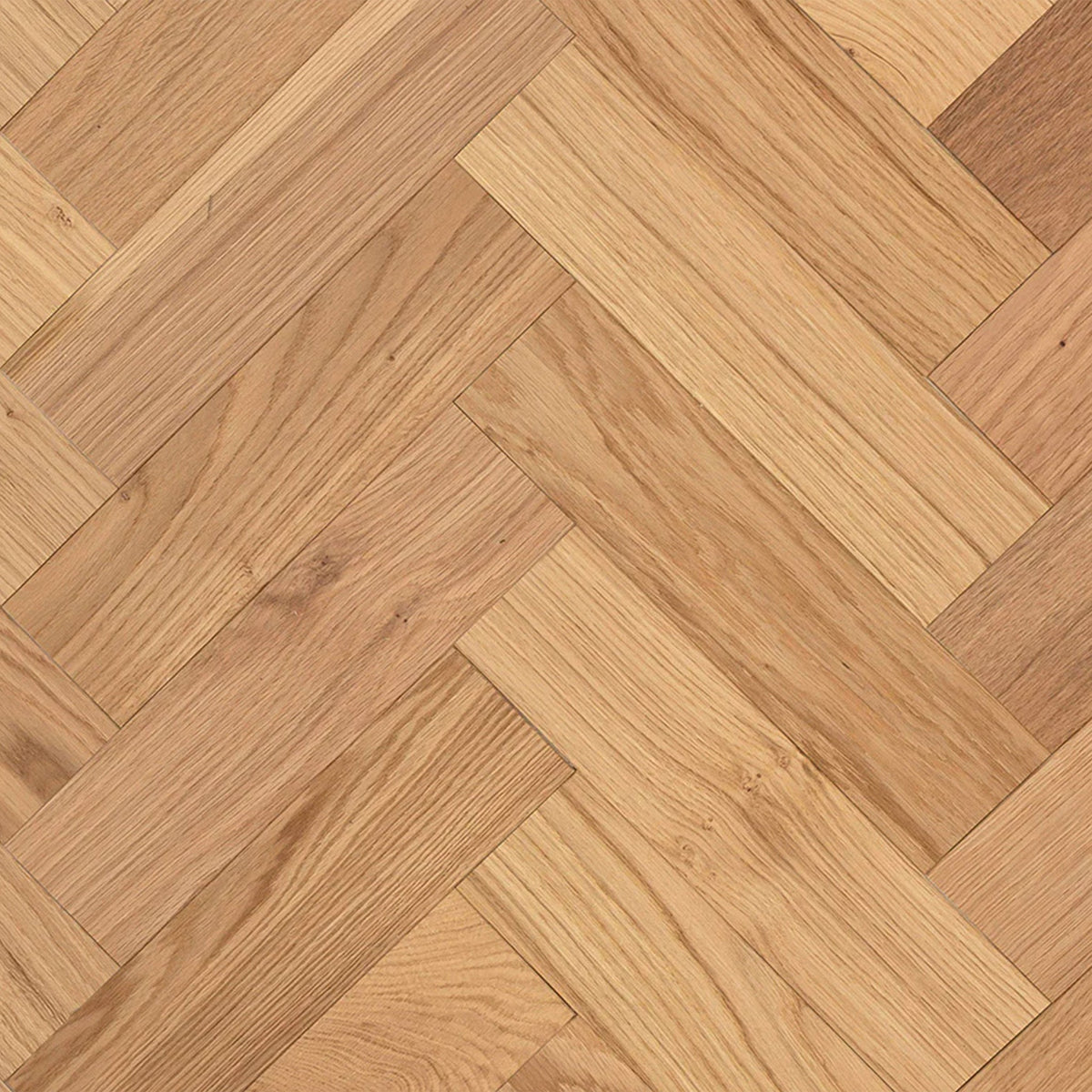
Caramel 15/4 x 90mm Herringbone Engineered
£46.98 per m²
£104.40 per m²
Save £57.42 per m²



In Stock | Next Day Delivery
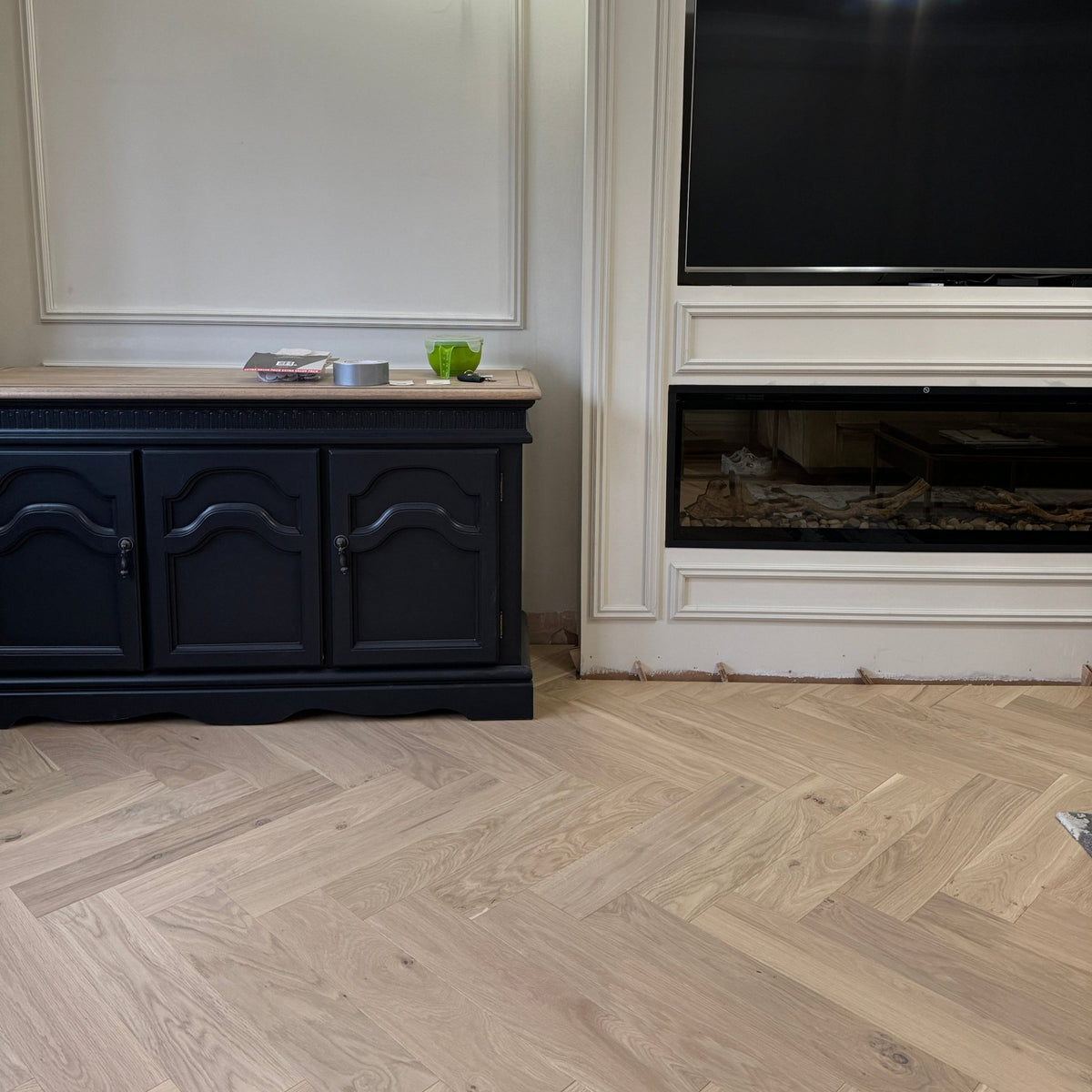
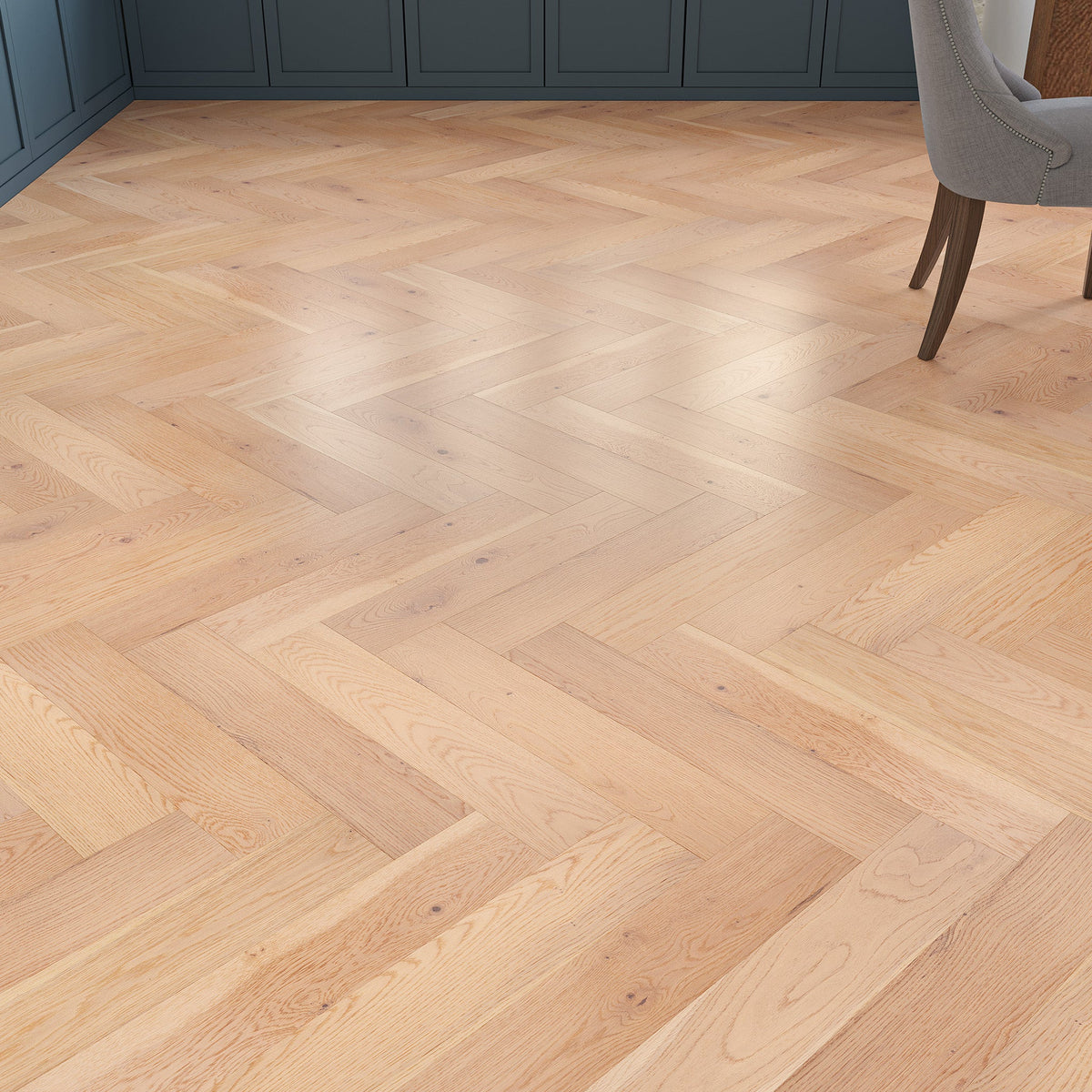
Paradise Herringbone Engineered
£29.25 per m²
£64.99 per m²
Save £35.74 per m²



In Stock | Next Day Delivery
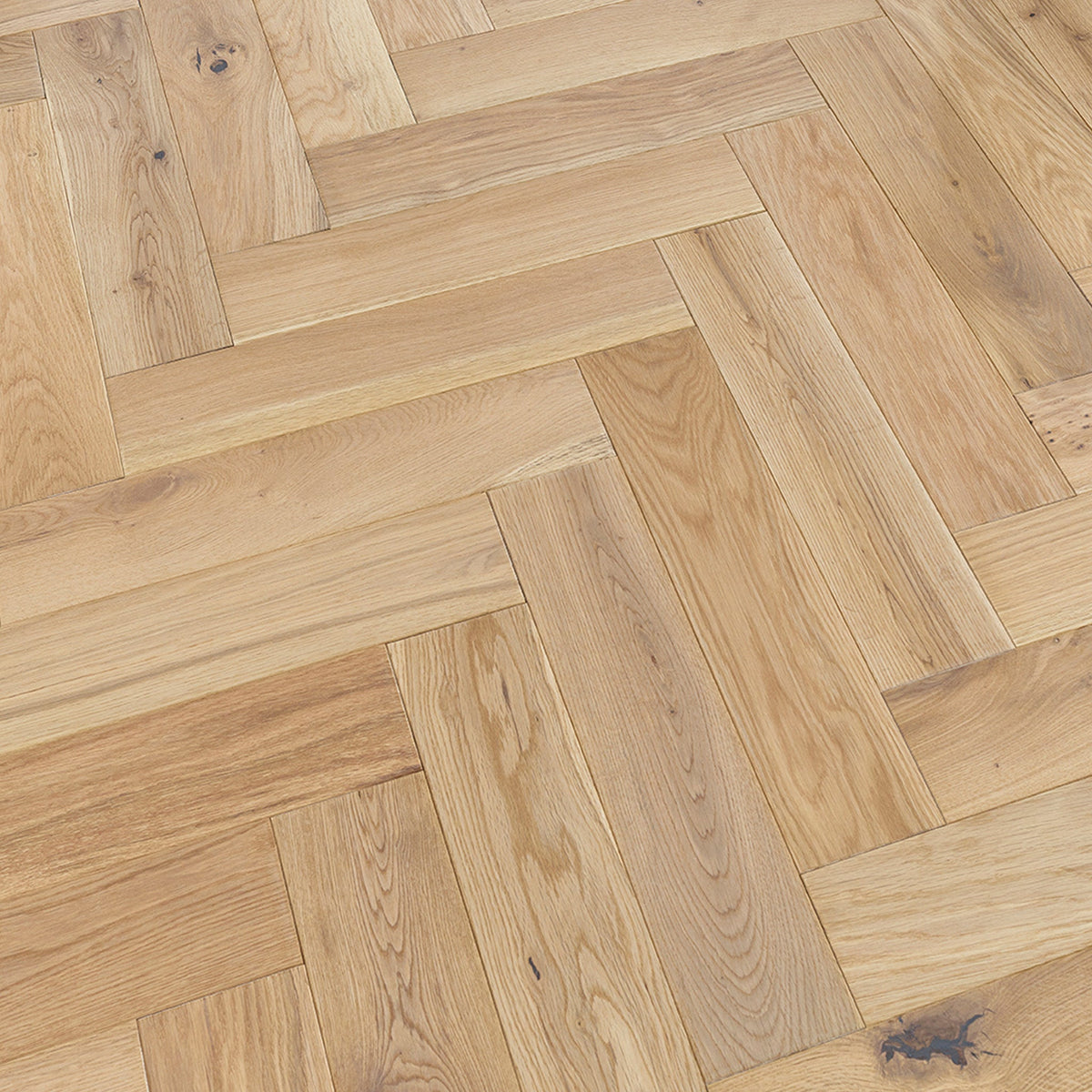
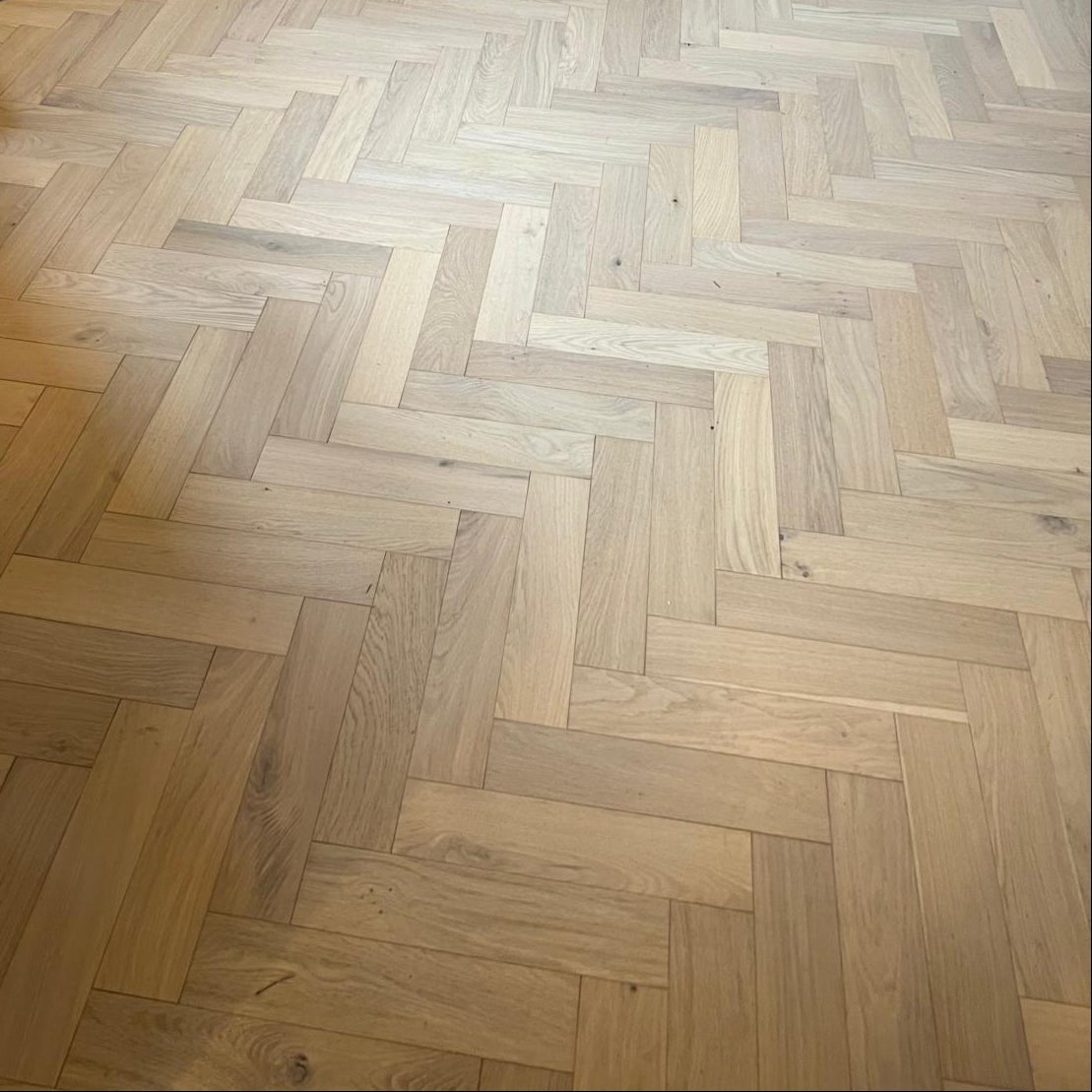
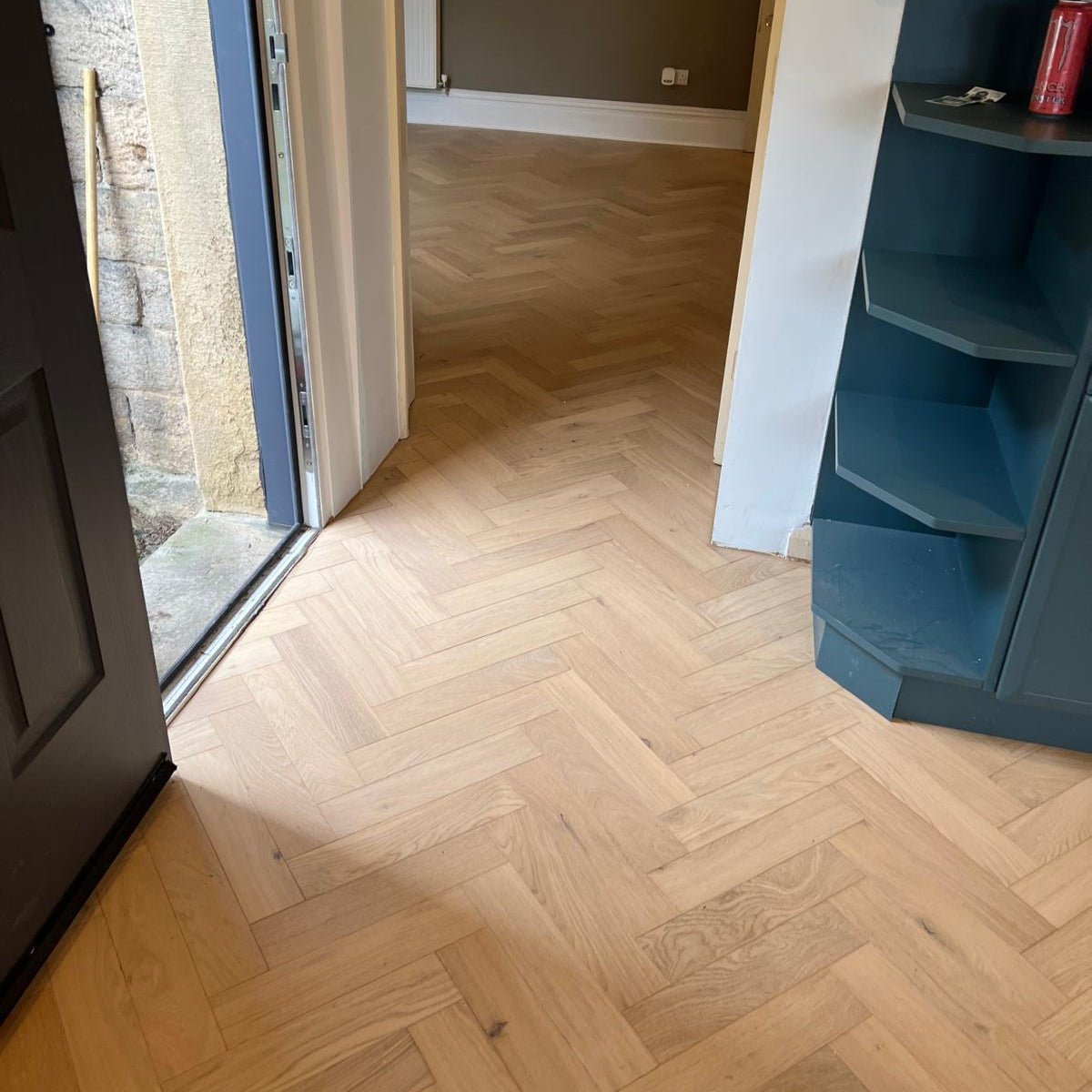
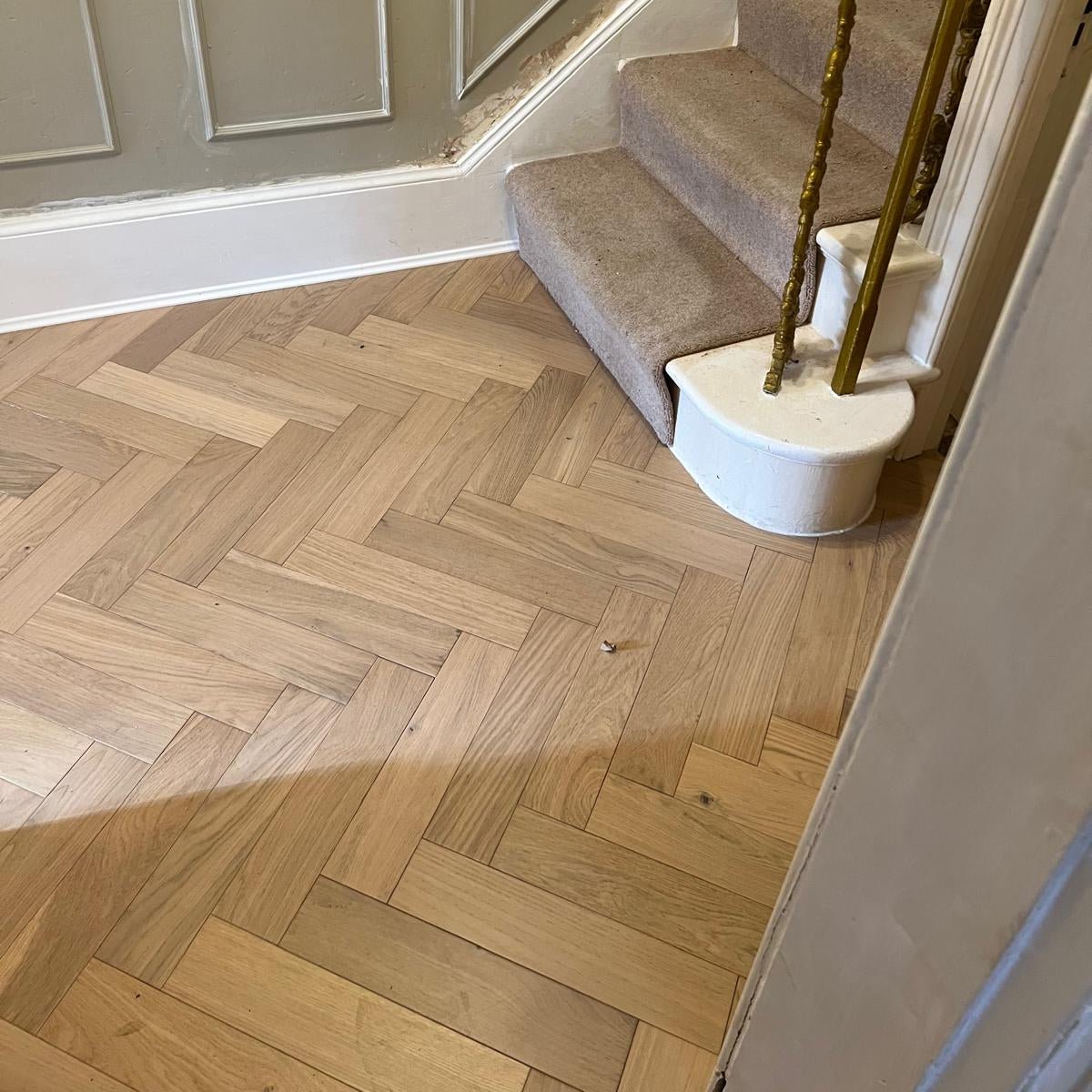
Valerian Herringbone Engineered
£38.25 per m²
£84.99 per m²
Save £46.74 per m²


In Stock | Next Day Delivery
Smooth & Invisible Oak Herringbone Engineered
£29.90 per m²
£66.45 per m²
Save £36.55 per m²


In Stock | Next Day Delivery
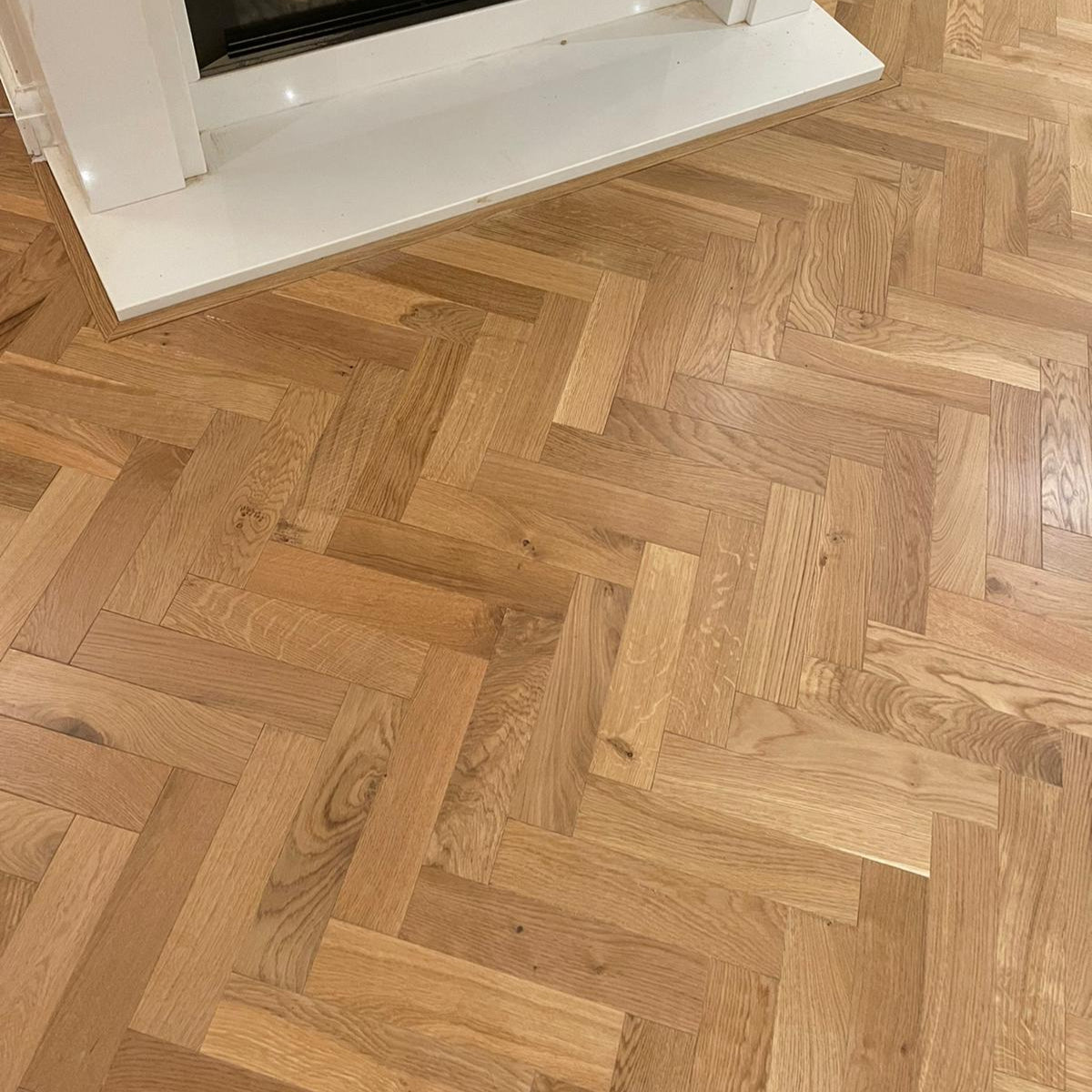
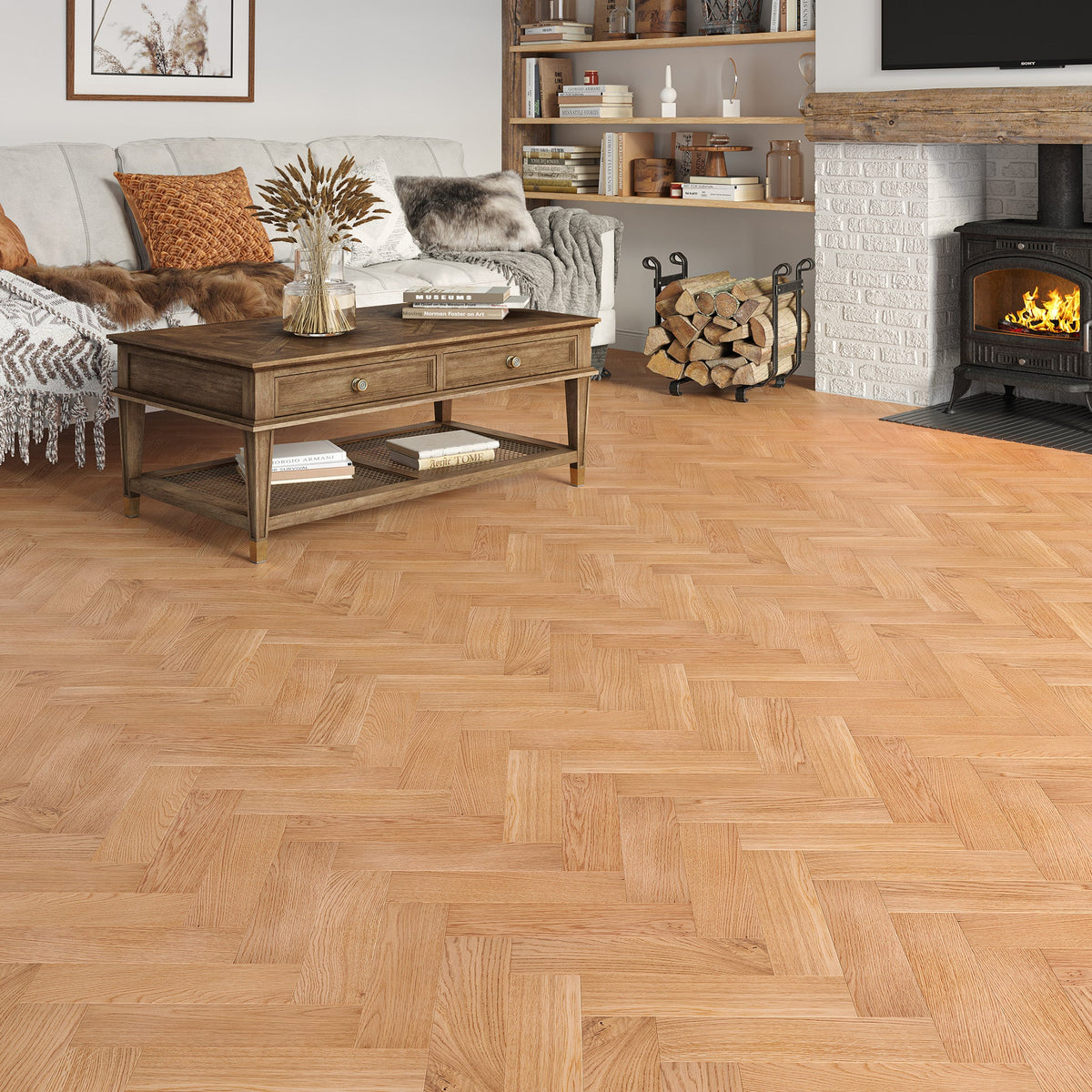
Smokey Oak Herringbone Engineered
£29.90 per m²
£66.45 per m²
Save £36.55 per m²




In Stock | Next Day Delivery
Peony Oak Herringbone Engineered
£29.25 per m²
£64.99 per m²
Save £35.74 per m²


Smoked Brushed & Oiled 15/4 x 90mm Herringbone Engineered
£45.00 per m²
£99.99 per m²
Save £54.99 per m²


In Stock | Next Day Delivery
Smoked Grey Herringbone Engineered
£29.90 per m²
£66.45 per m²
Save £36.55 per m²



Running out of stock - Order Now
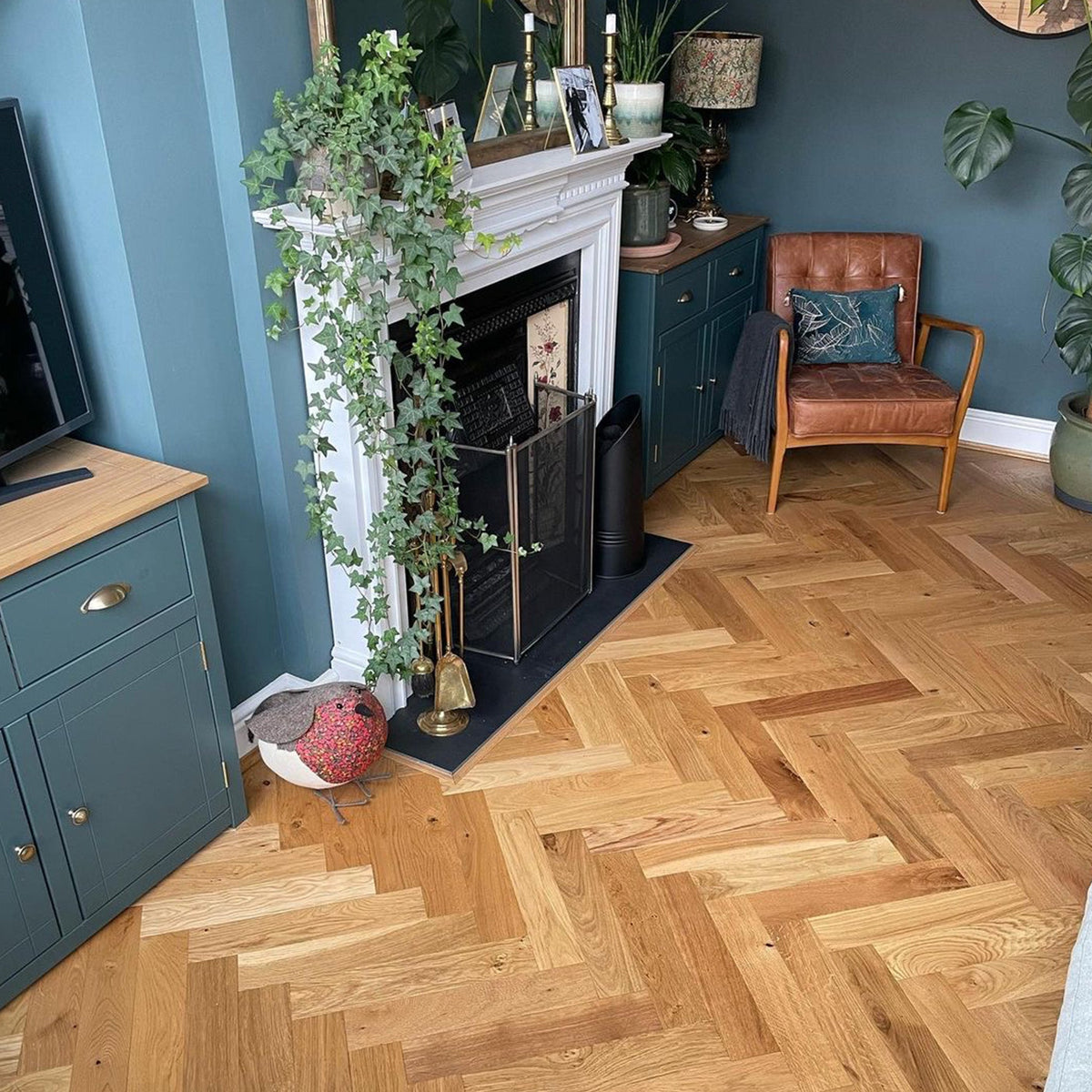
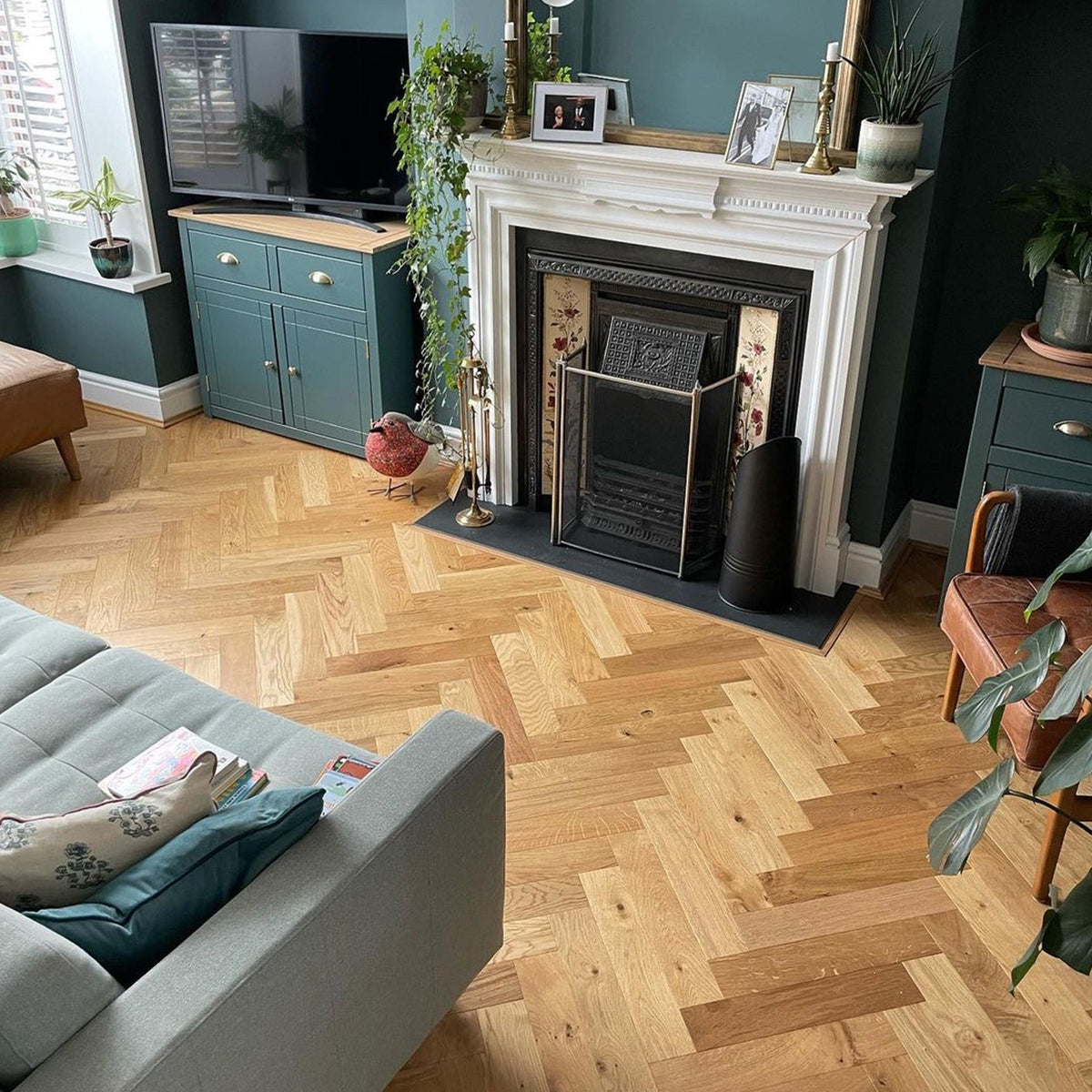
Honey Oak 15/4 x 90mm Herringbone Engineered
£44.75 per m²
£99.45 per m²
Save £54.70 per m²


Running out of stock - Order Now
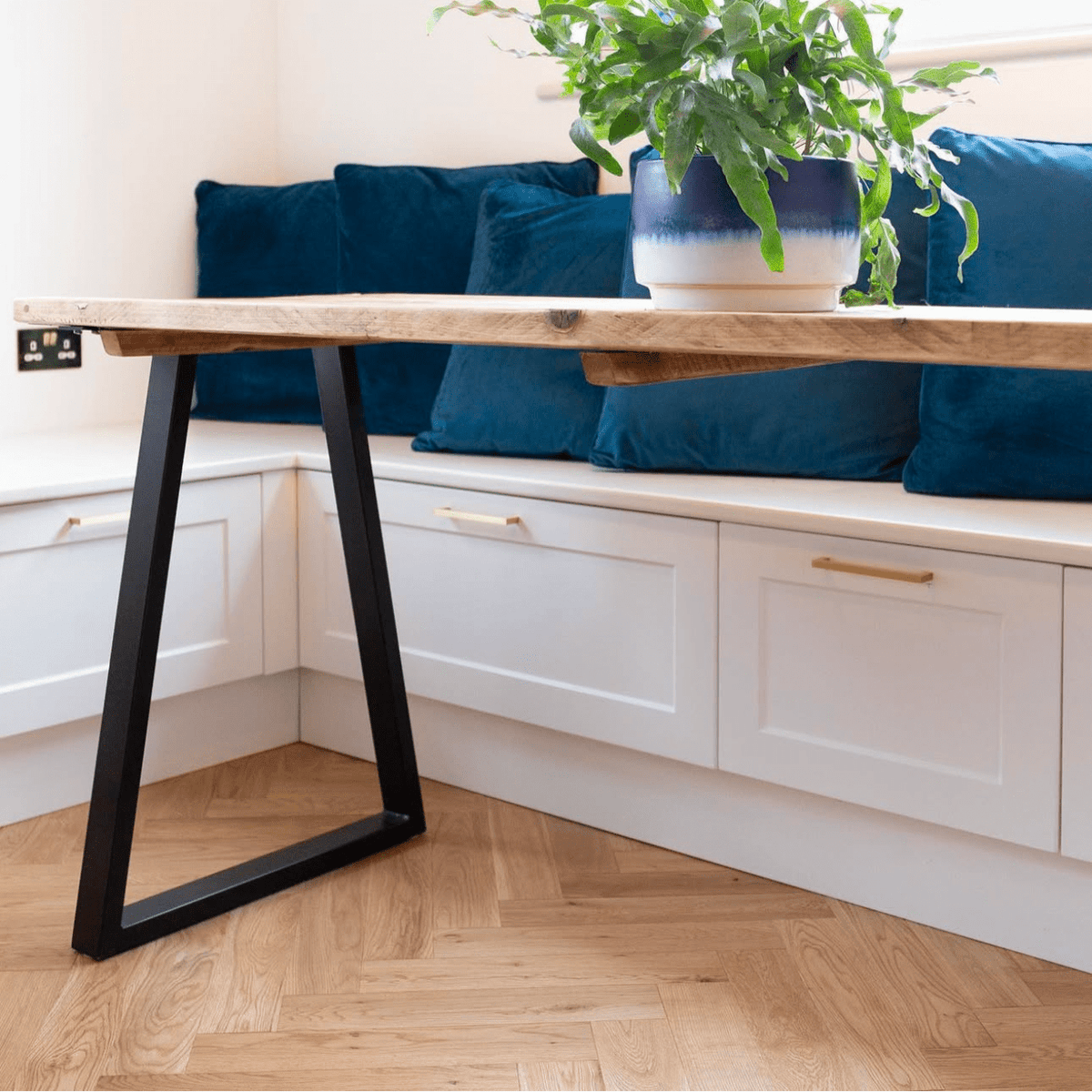
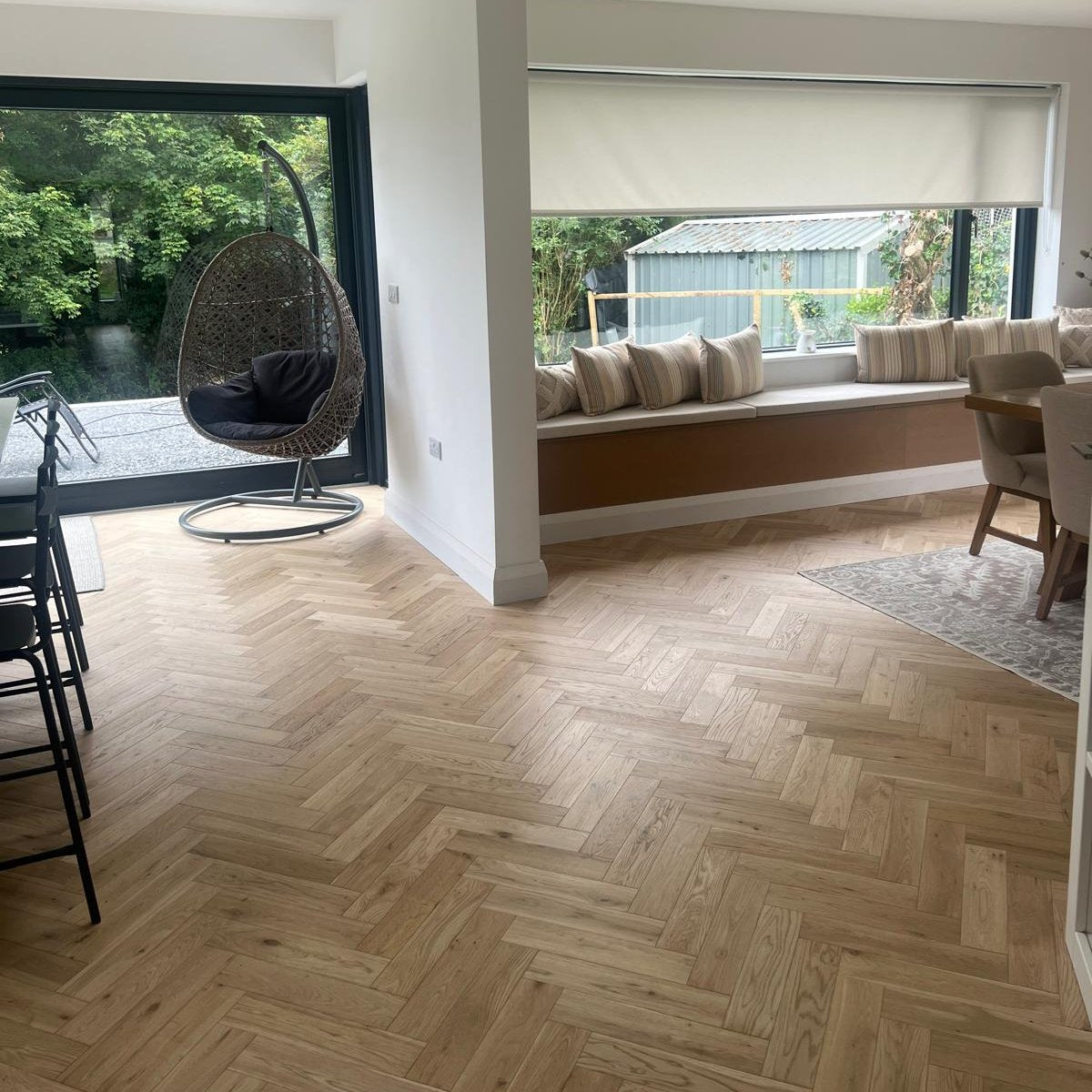
Natural Brushed UV Lacquered 15/4 x 90mm Herringbone Engineered
£40.61 per m²
£90.25 per m²
Save £49.64 per m²




In Stock | Next Day Delivery
Ile De Re 15/4 x 90mm Herringbone Engineered
£44.75 per m²
£99.45 per m²
Save £54.70 per m²
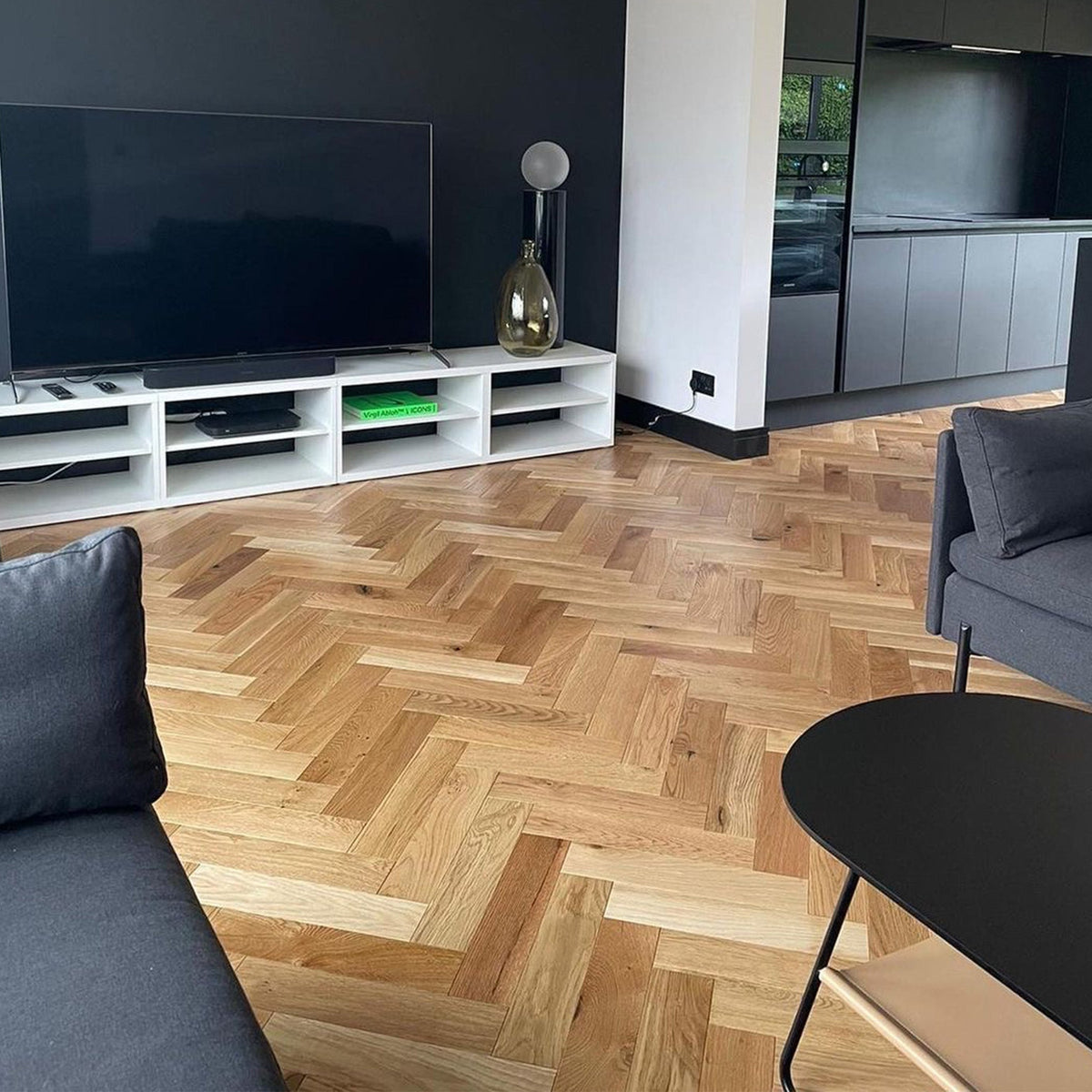


In Stock | Next Day Delivery
Timeless Oak Herringbone Engineered
£29.25 per m²
£64.99 per m²
Save £35.74 per m²
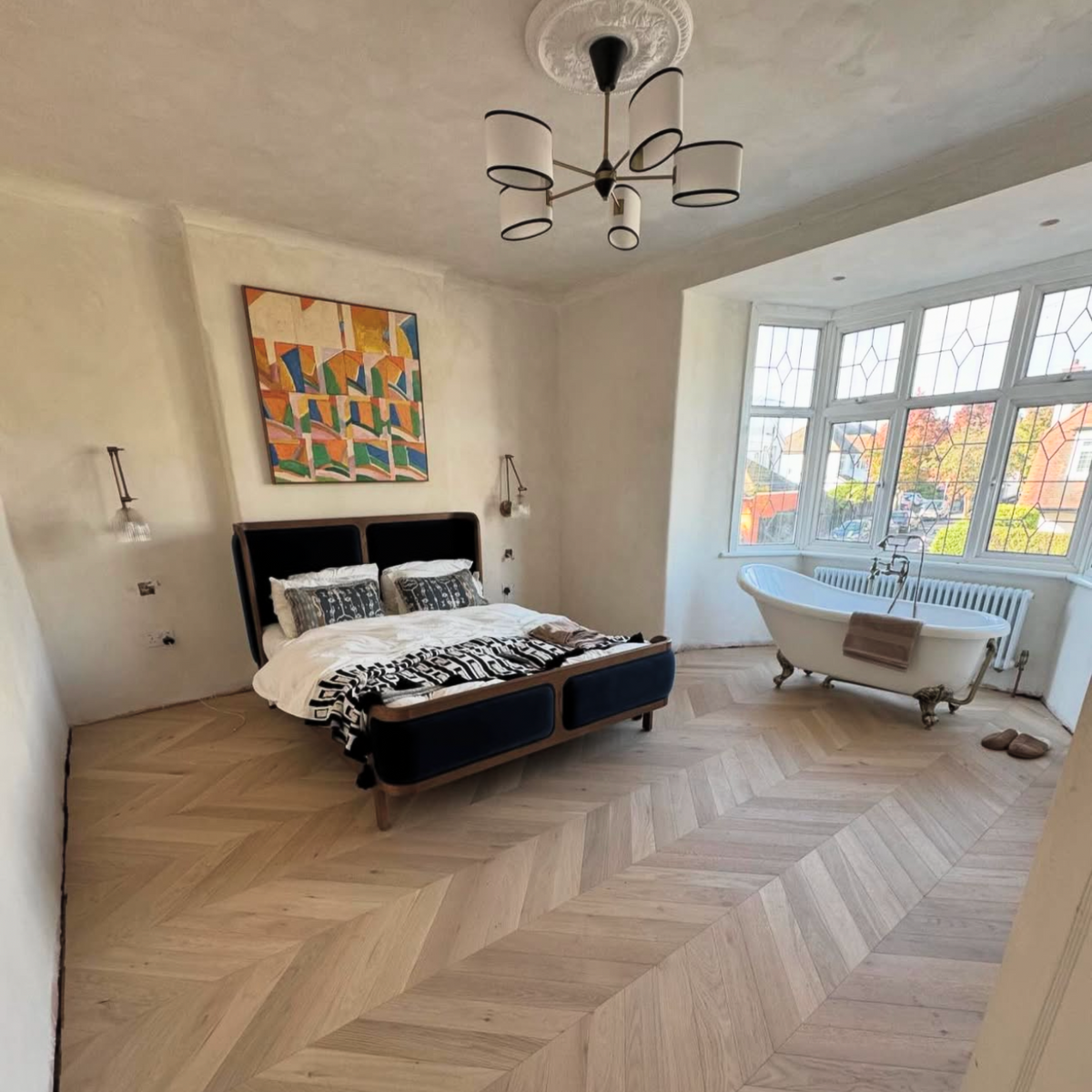


In Stock | Next Day Delivery
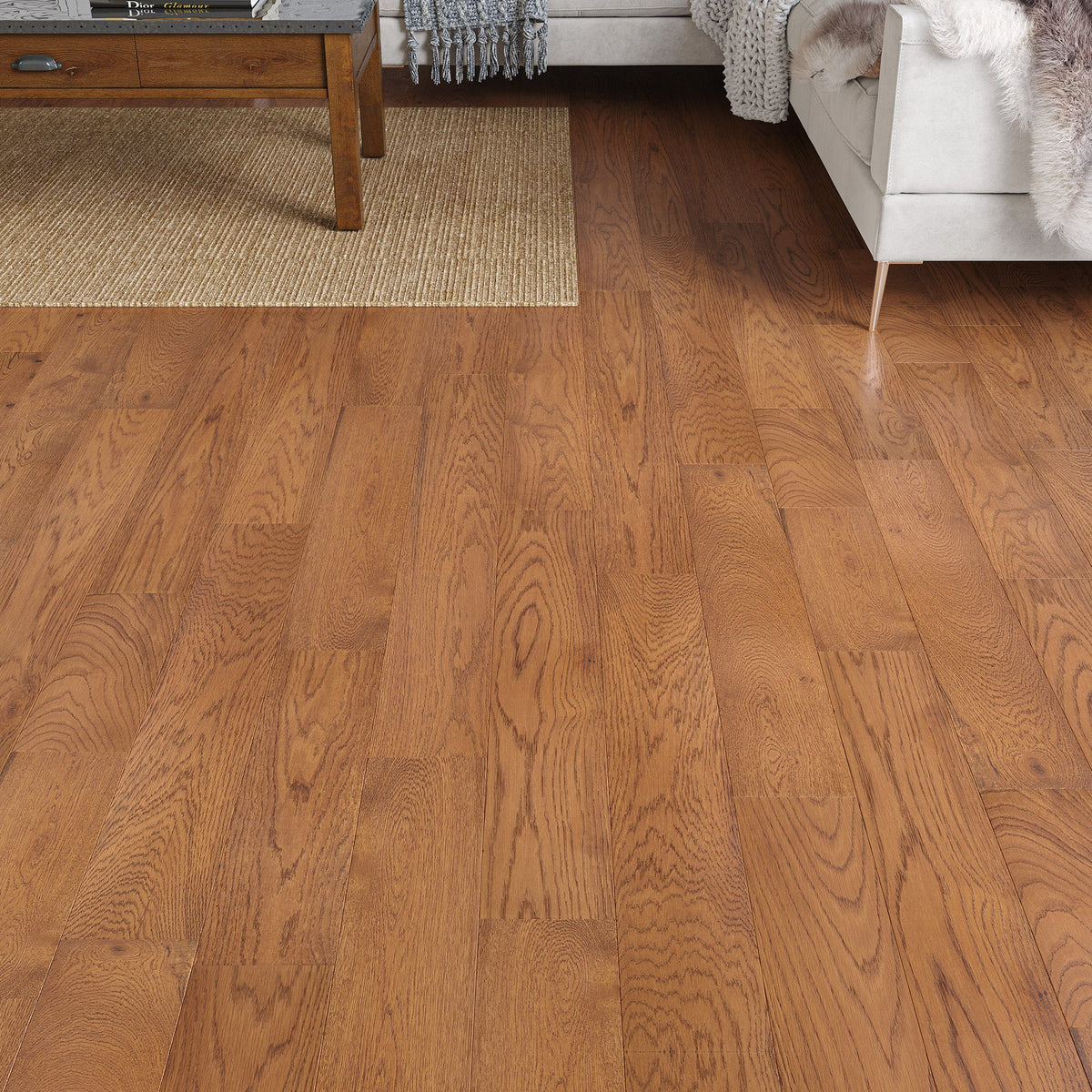
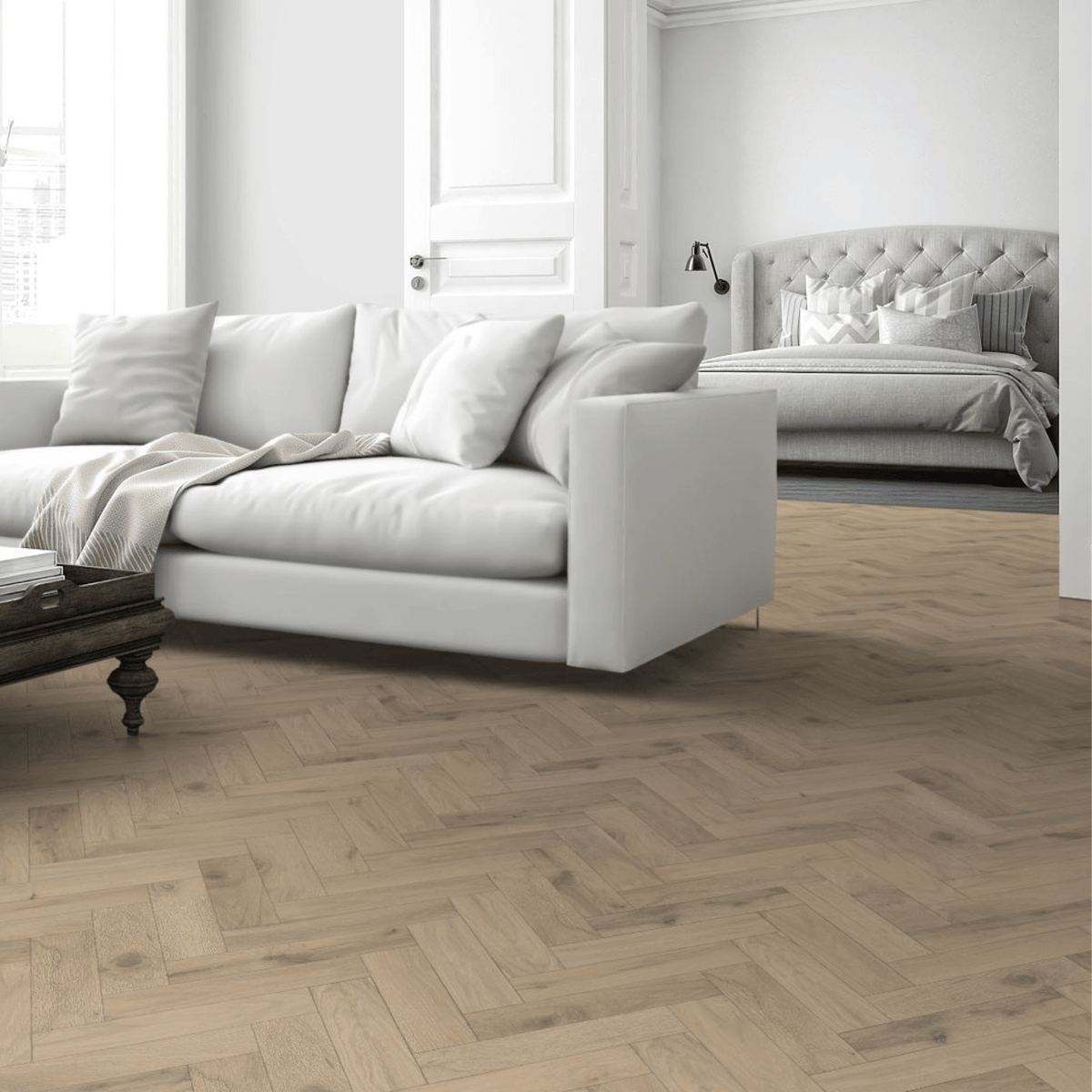
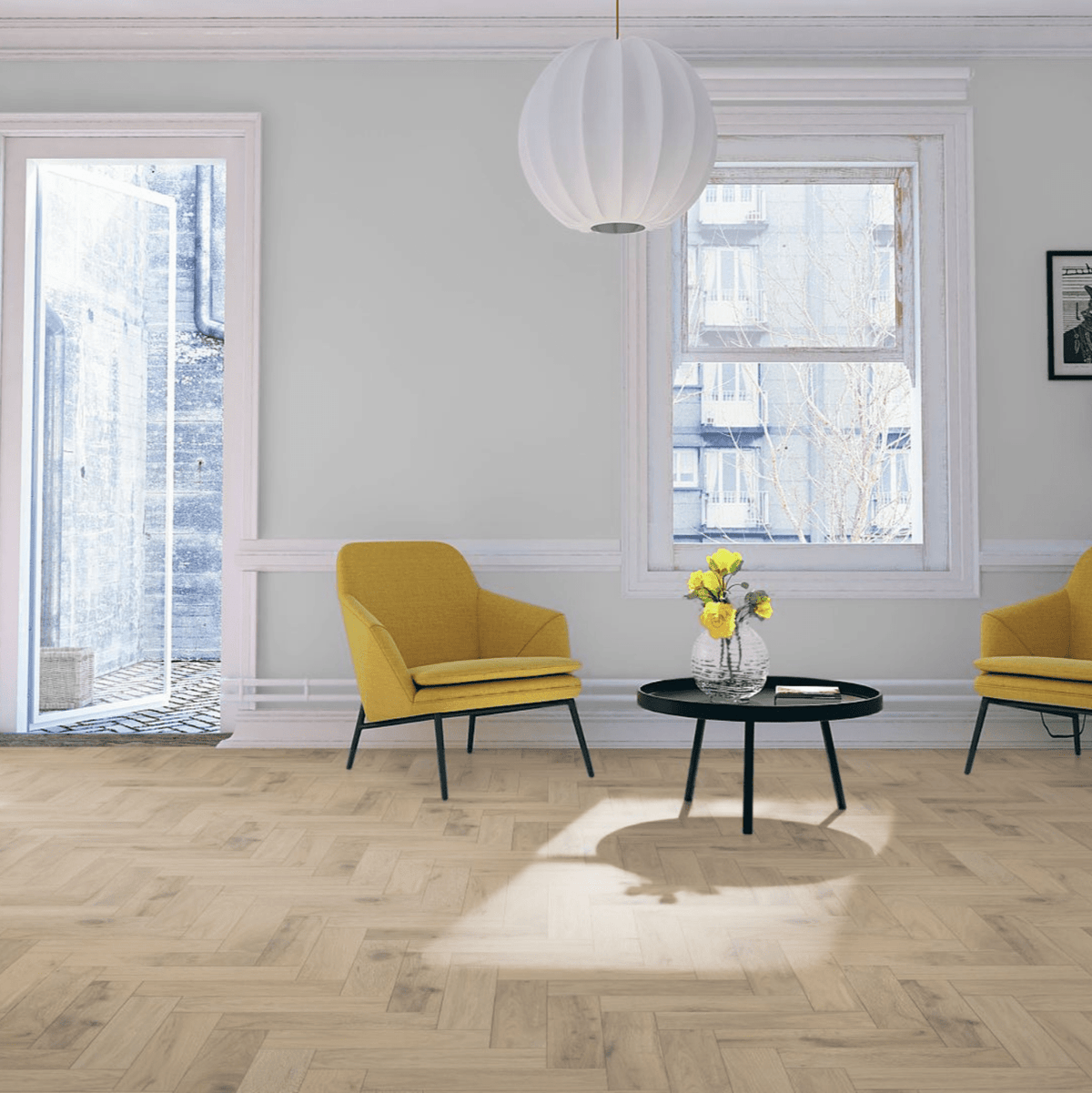
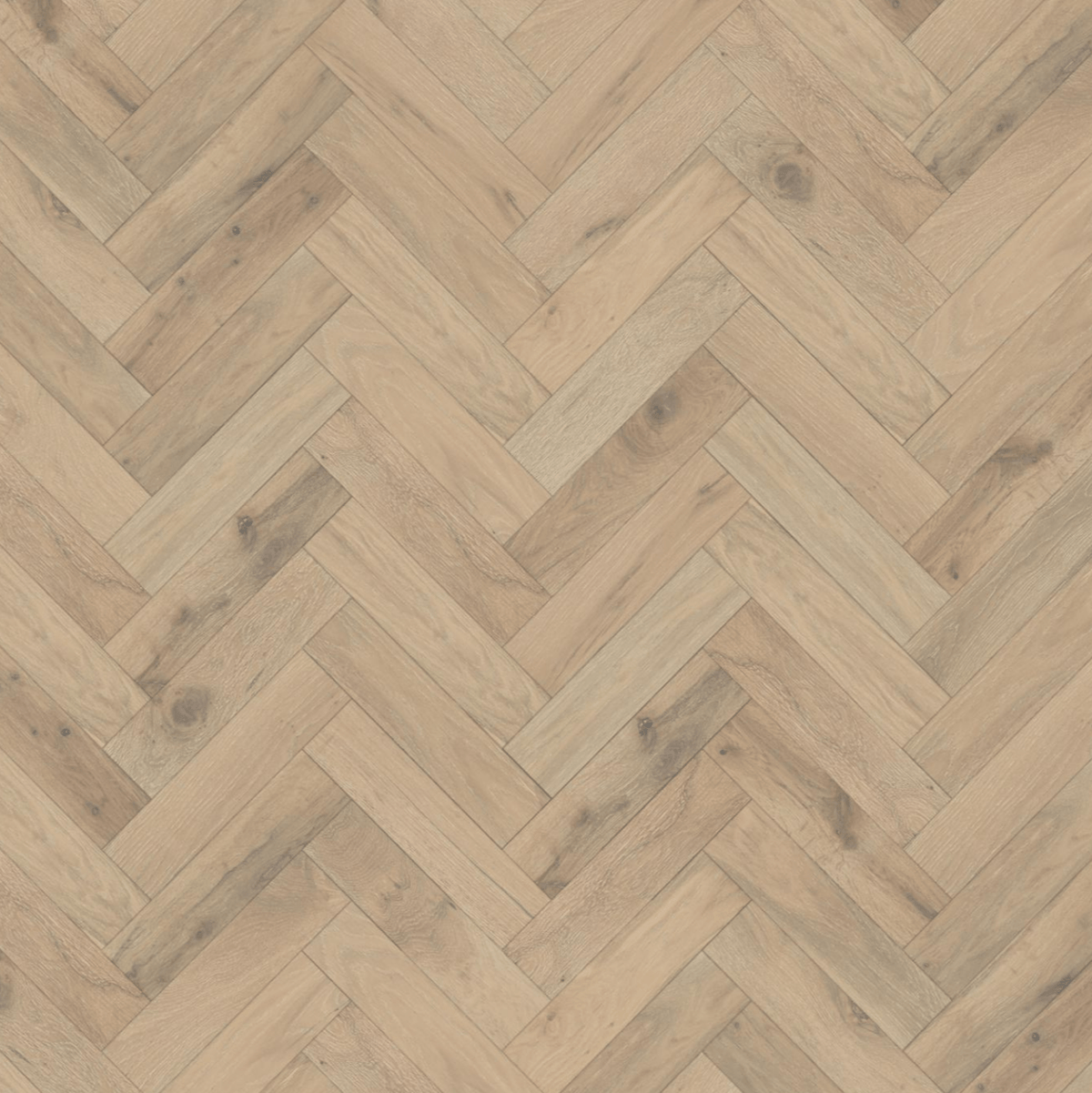
Invisible Oak Chevron Engineered
£47.25 per m²
£104.99 per m²
Save £57.74 per m²
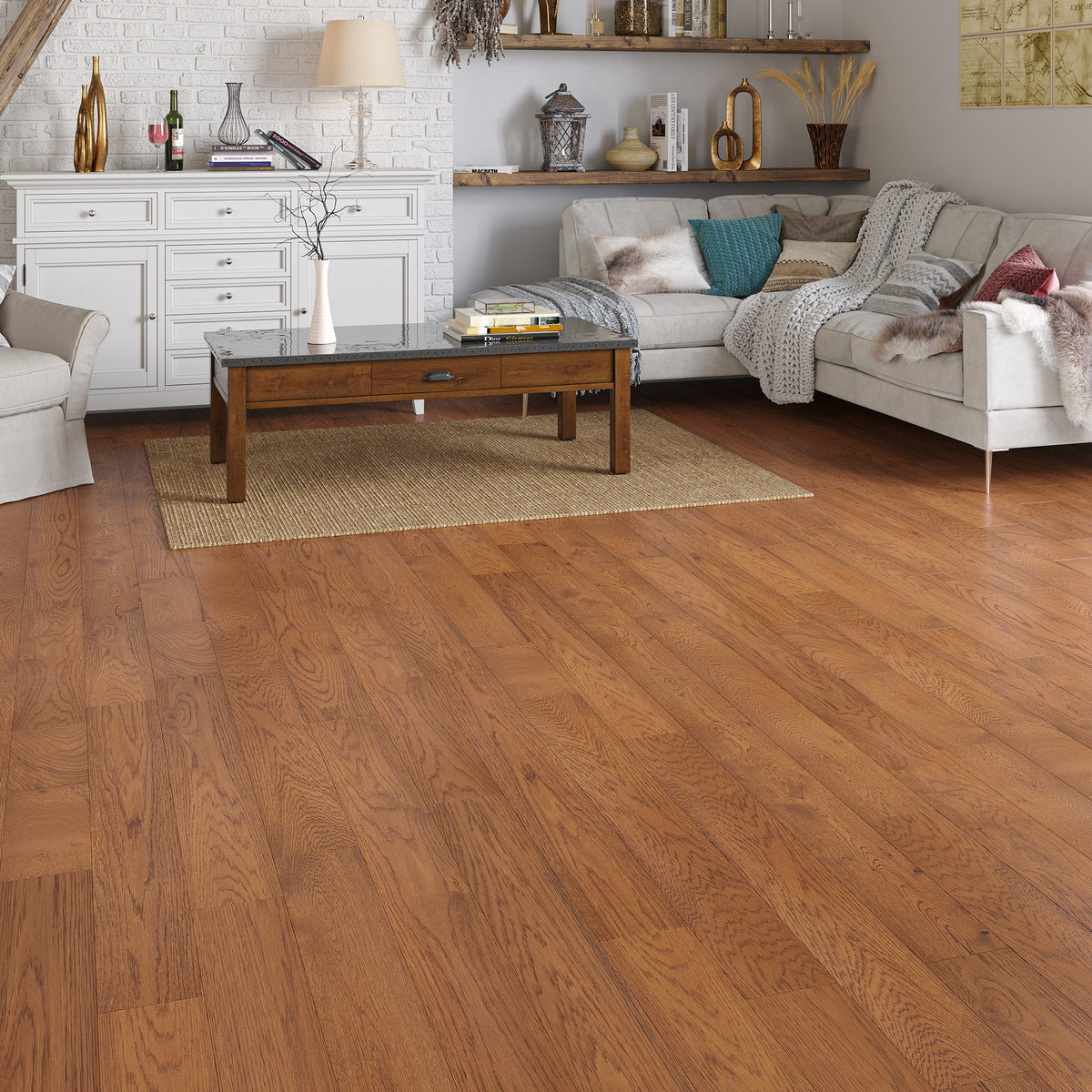
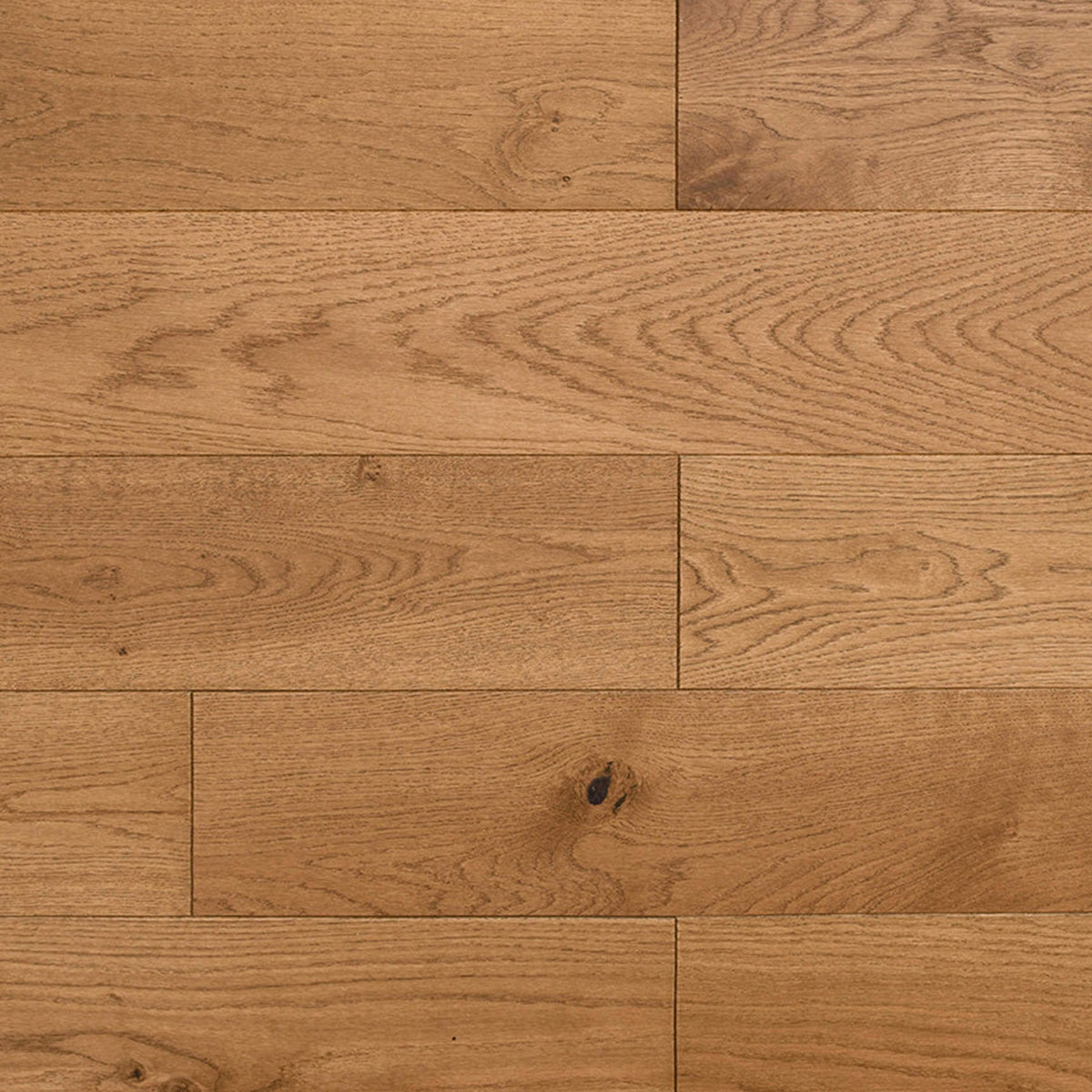


In Stock | Next Day Delivery
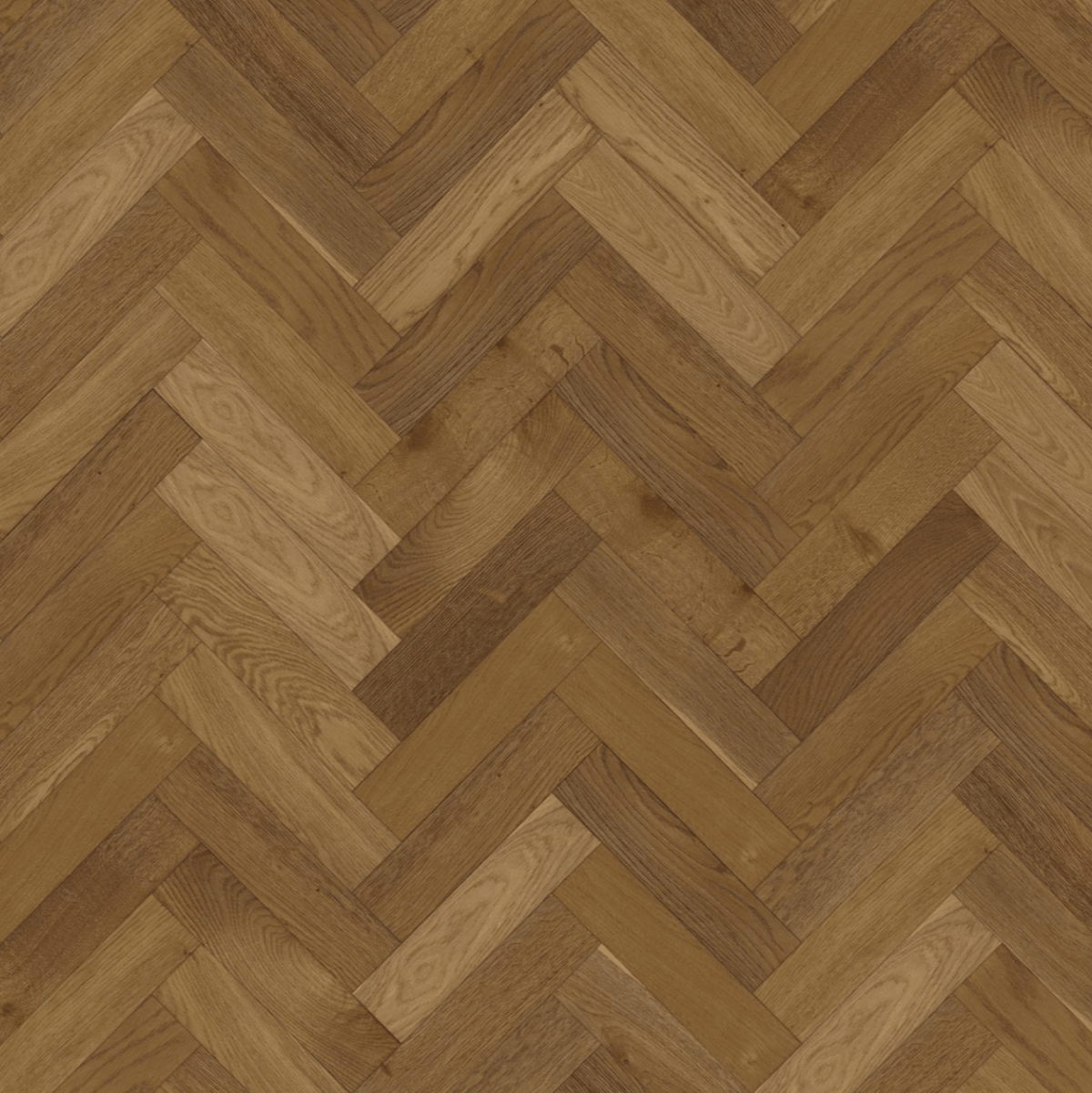
White Sundays 15/4 x 90mm Herringbone Engineered
£44.75 per m²
£99.45 per m²
Save £54.70 per m²
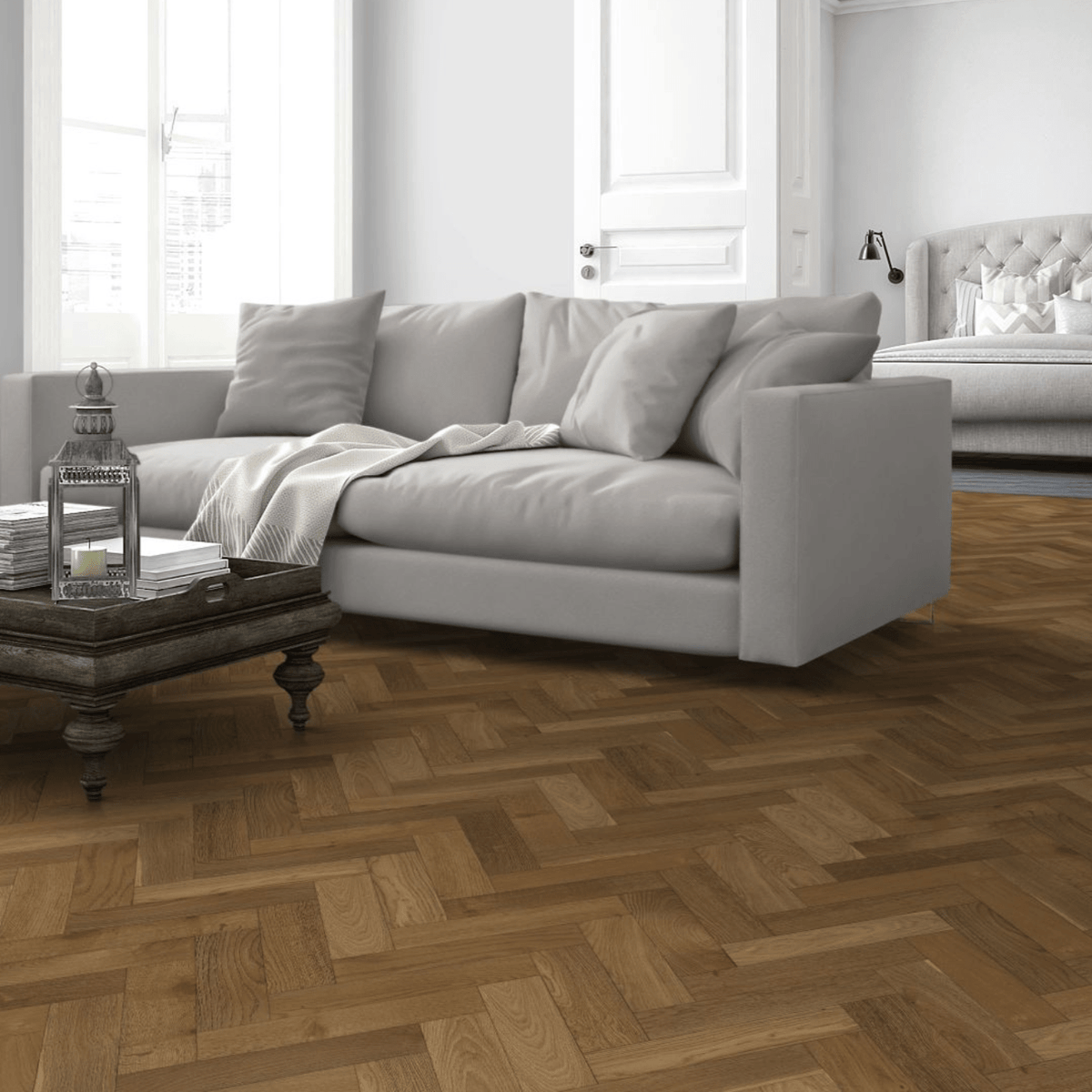
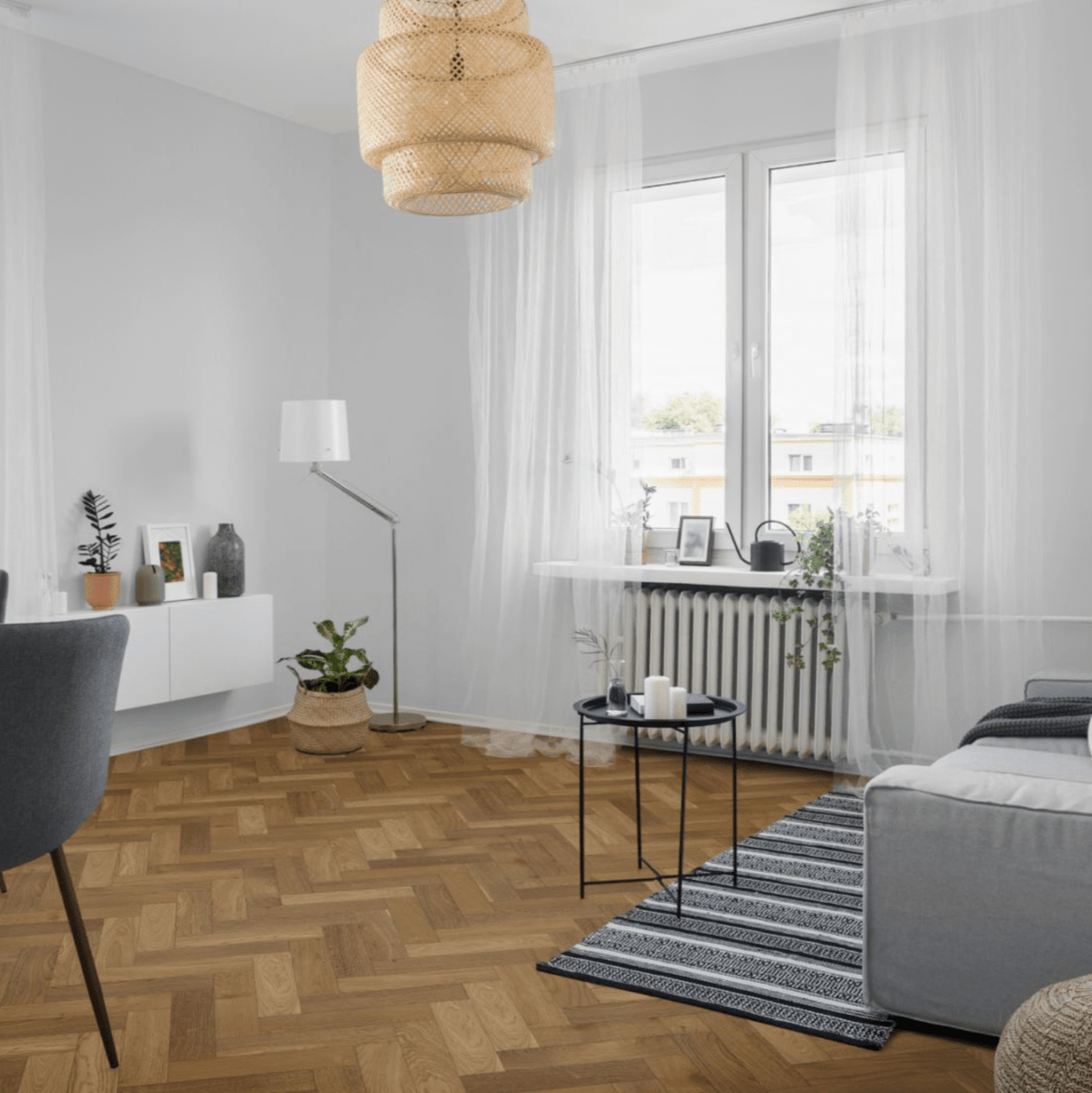
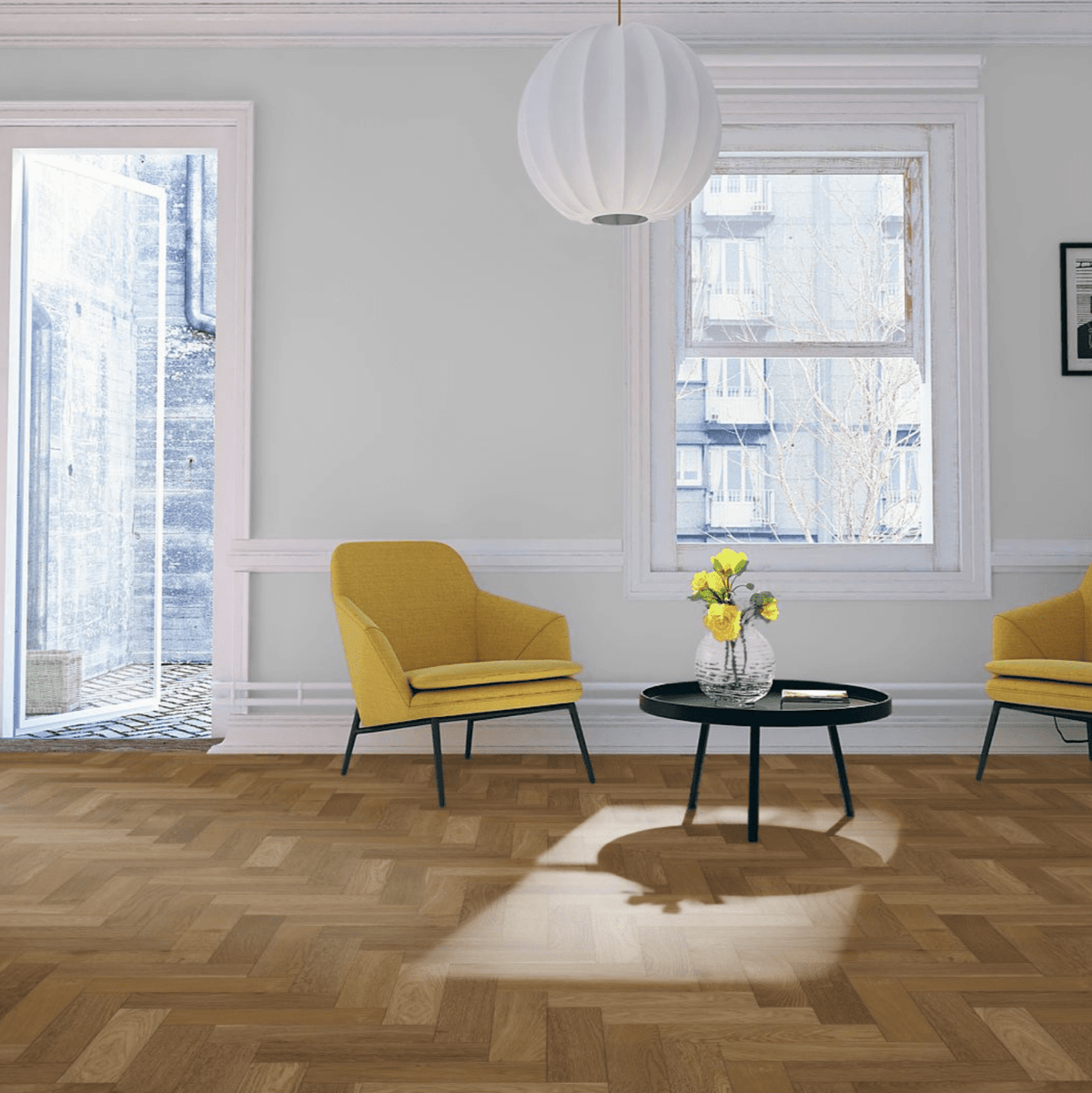
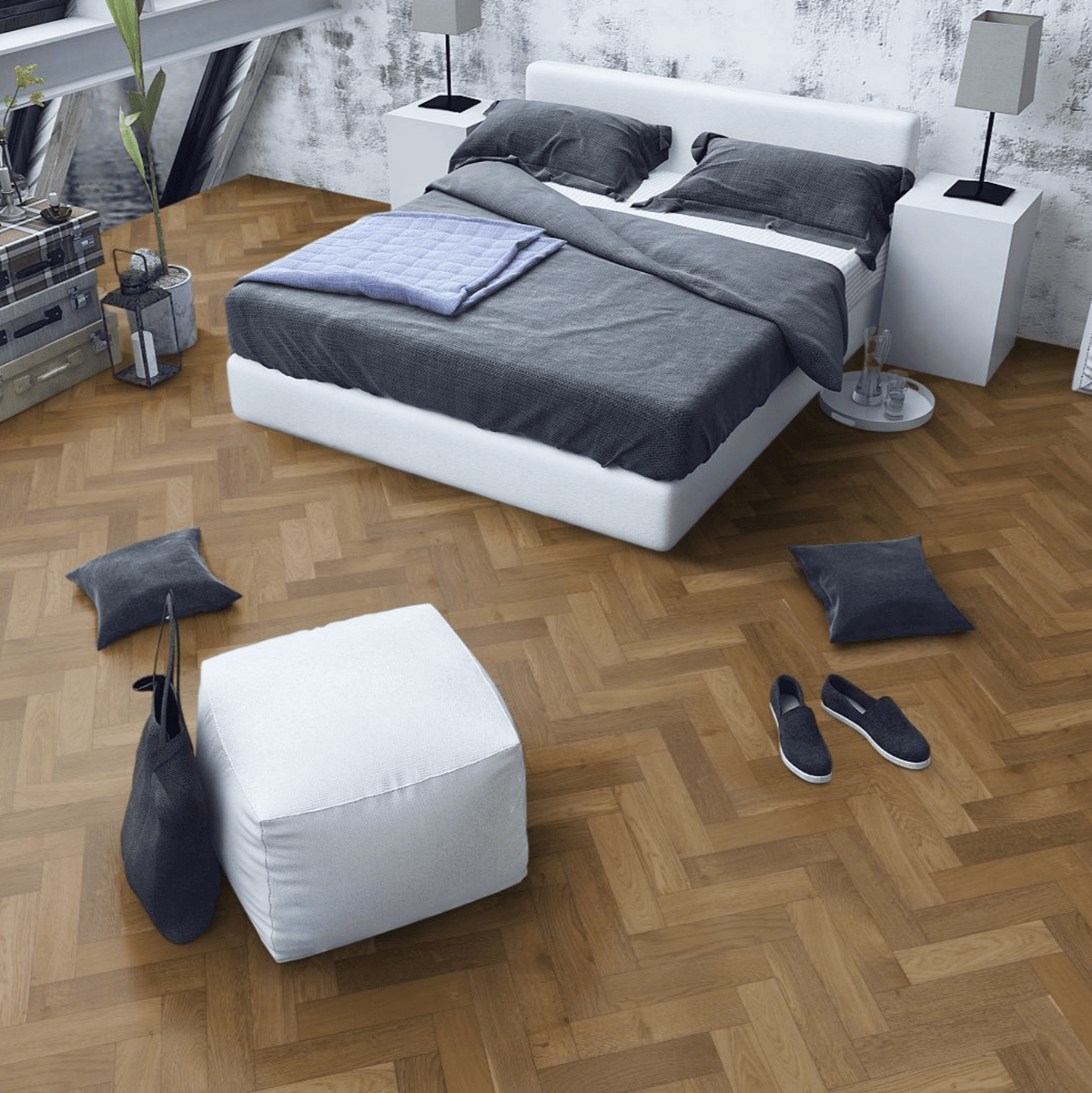
In Stock | Next Day Delivery
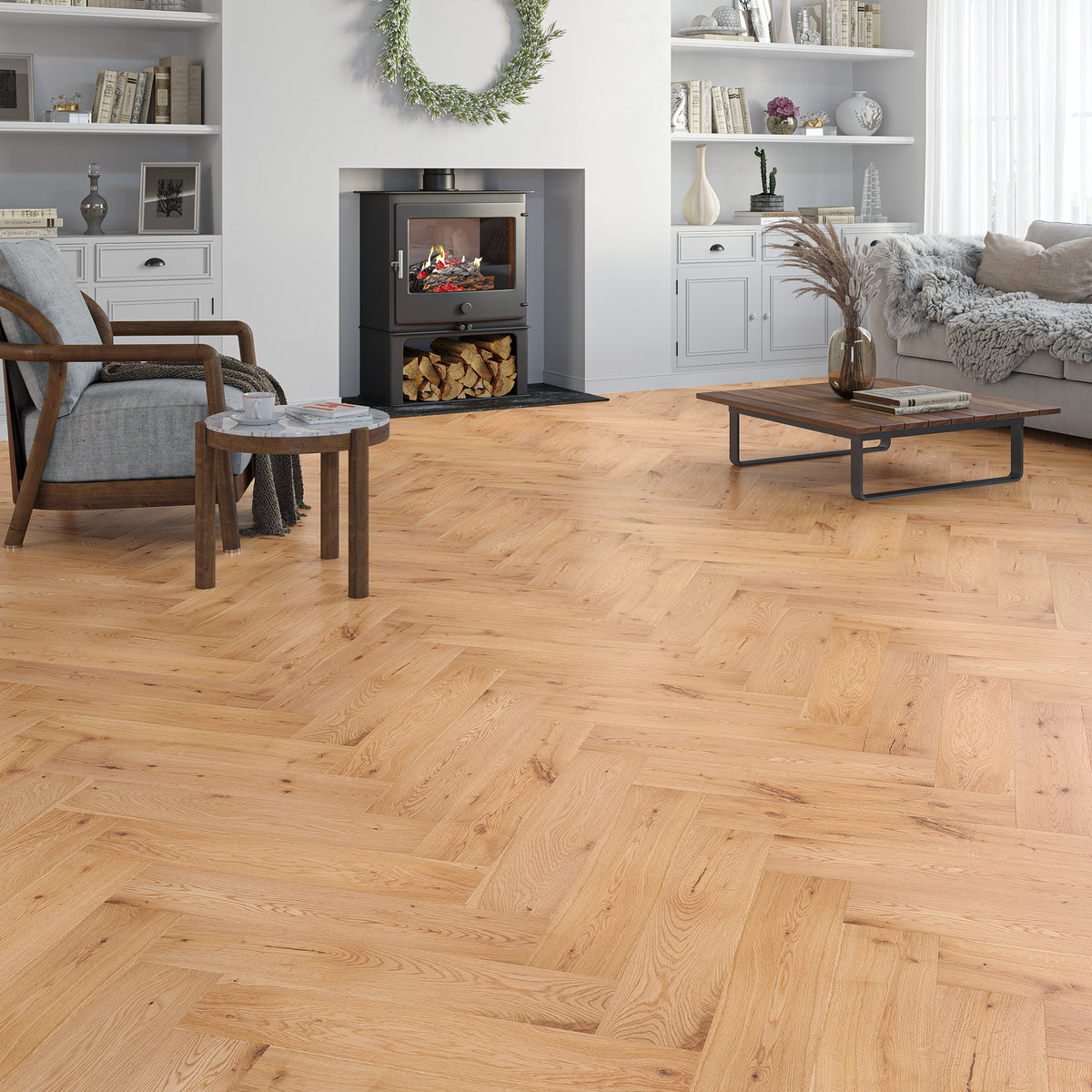
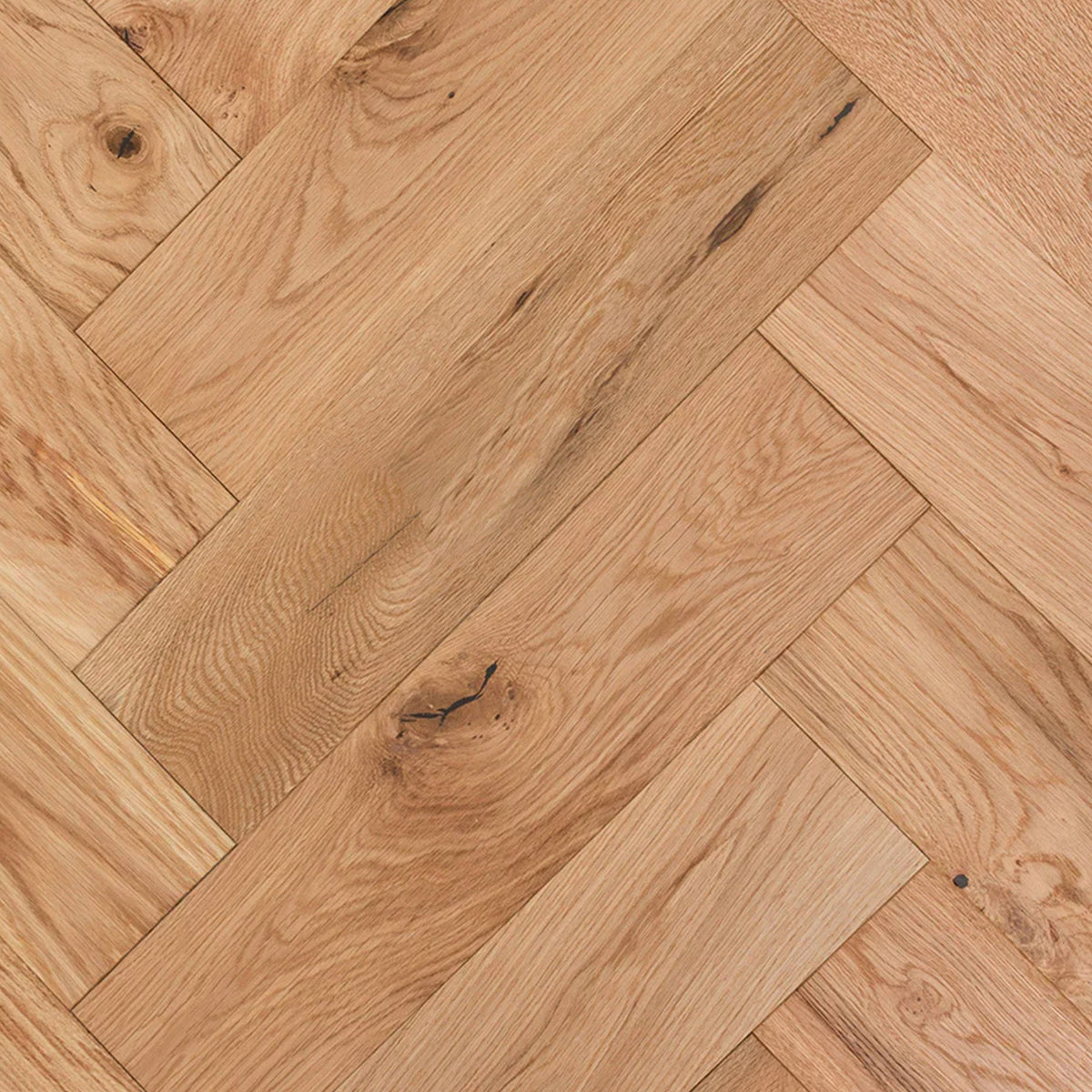
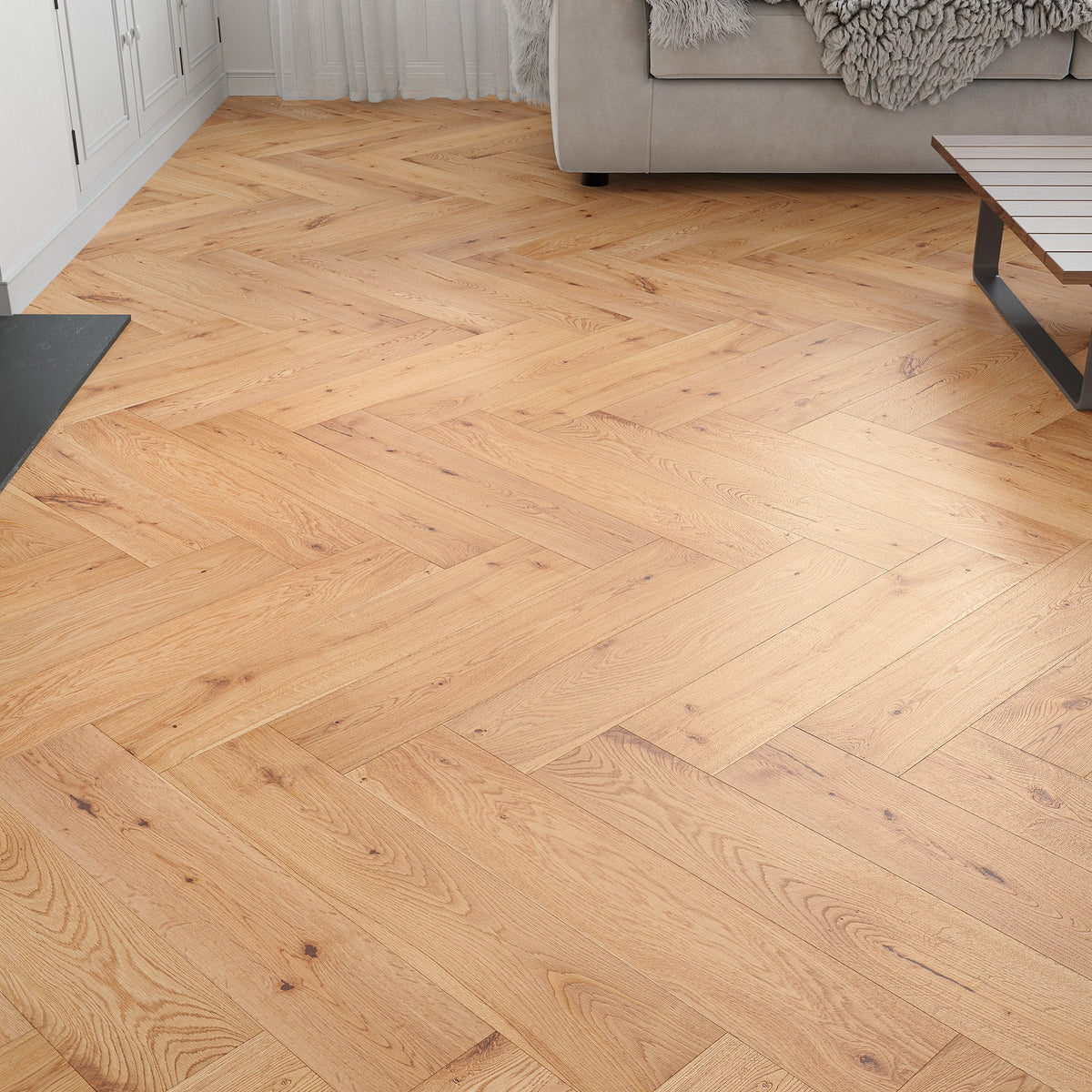
Toffee Oak 15/4 x 90mm Herringbone Engineered
£44.75 per m²
£99.45 per m²
Save £54.70 per m²
In Stock | Next Day Delivery
Freesia Herringbone Engineered
£38.25 per m²
£84.99 per m²
Save £46.74 per m²
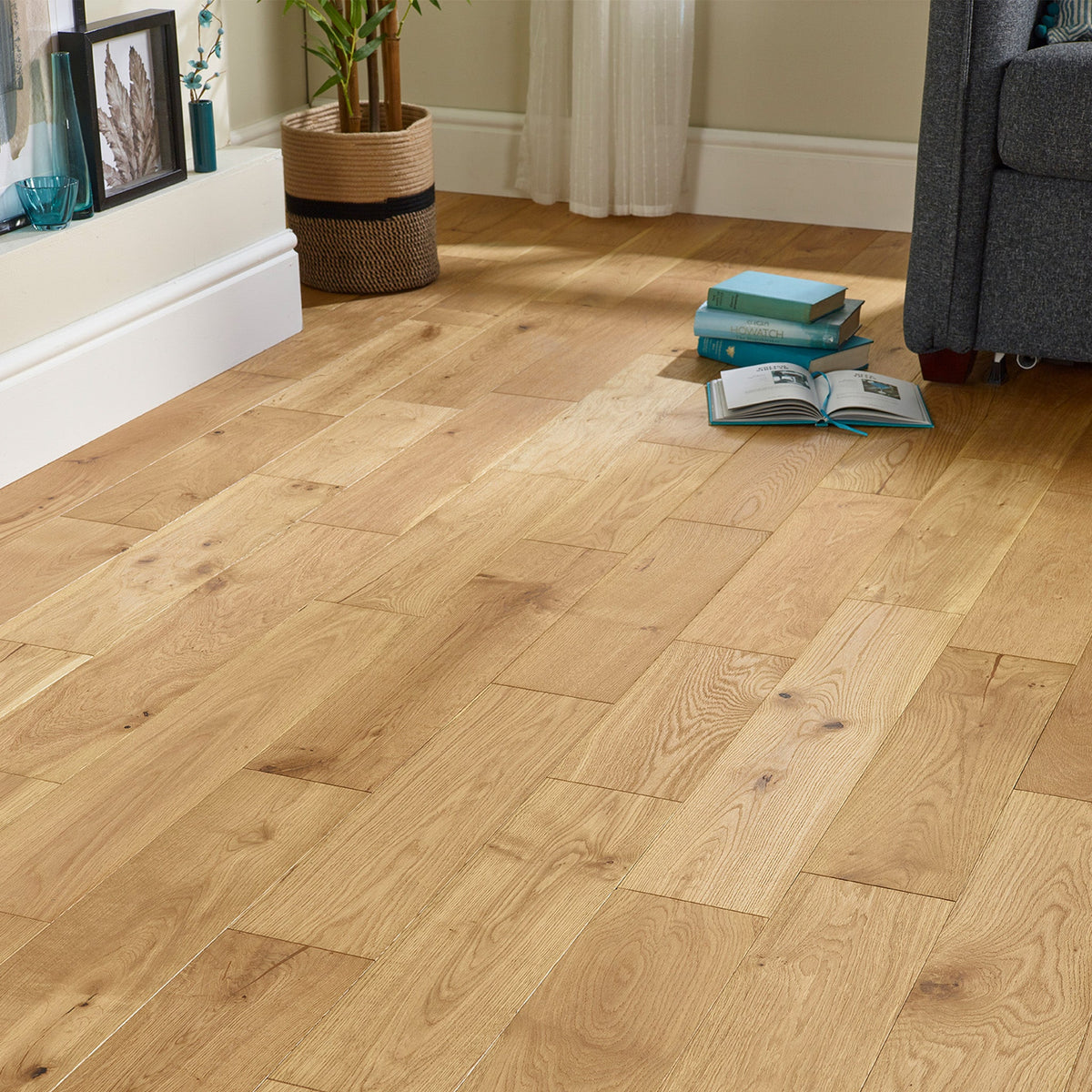
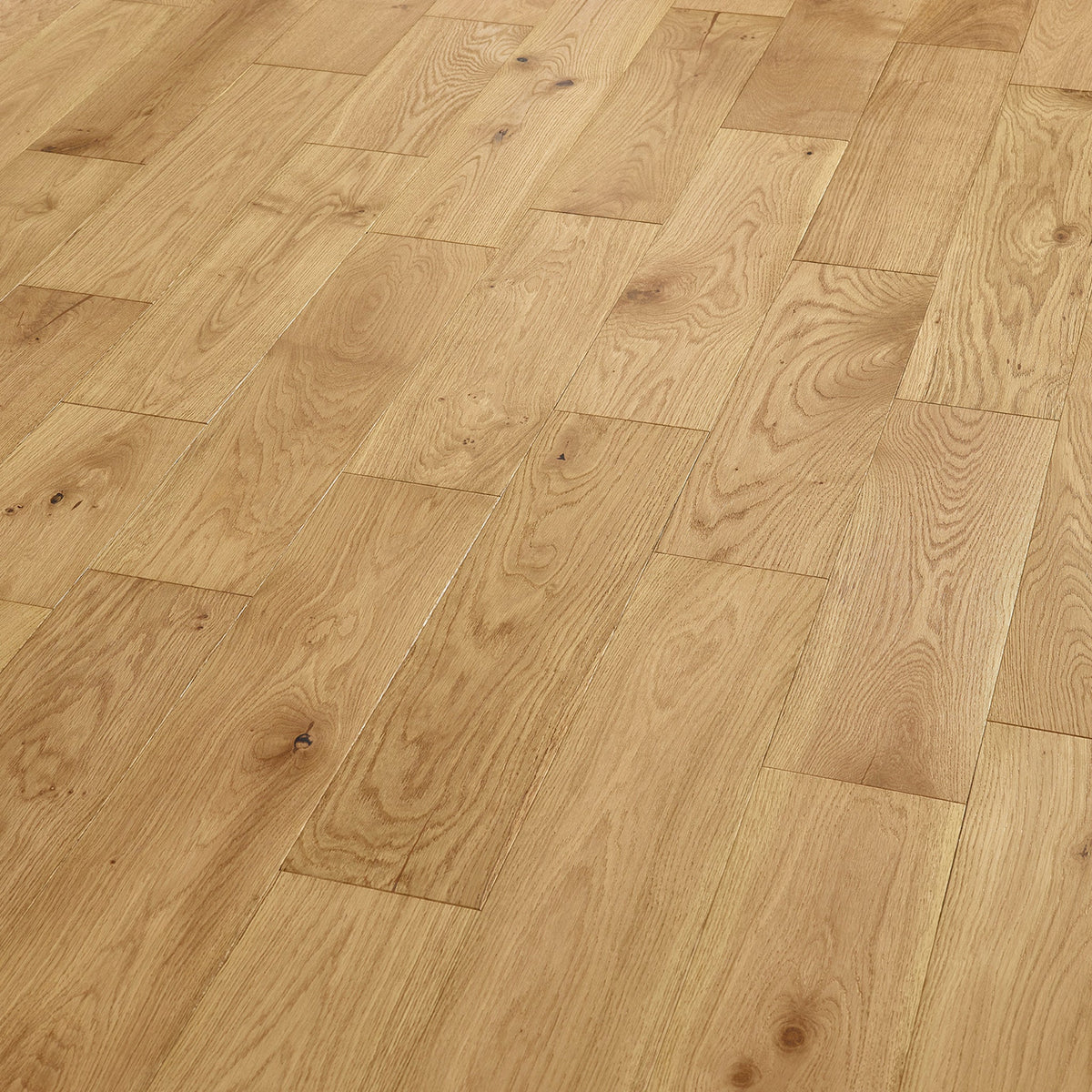
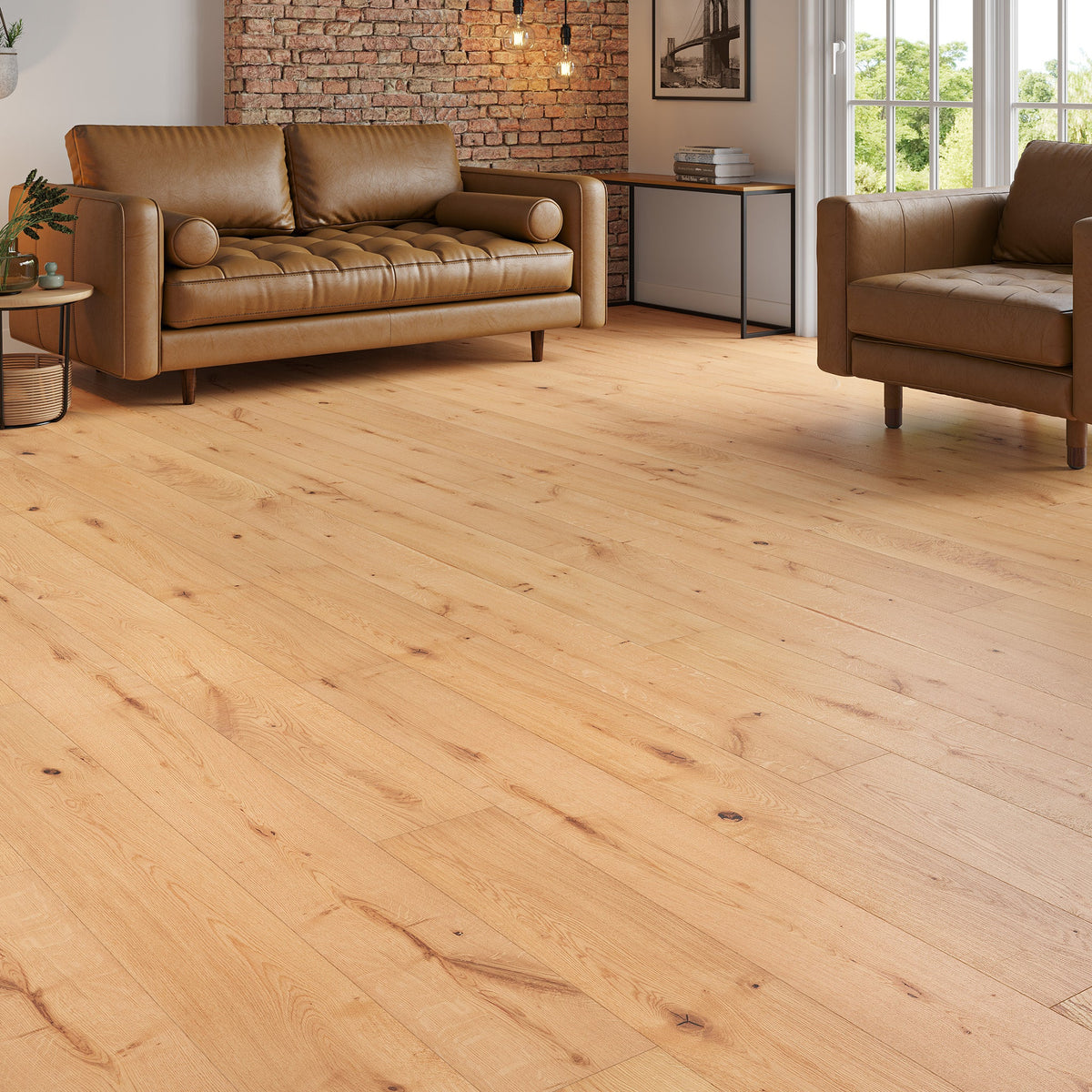
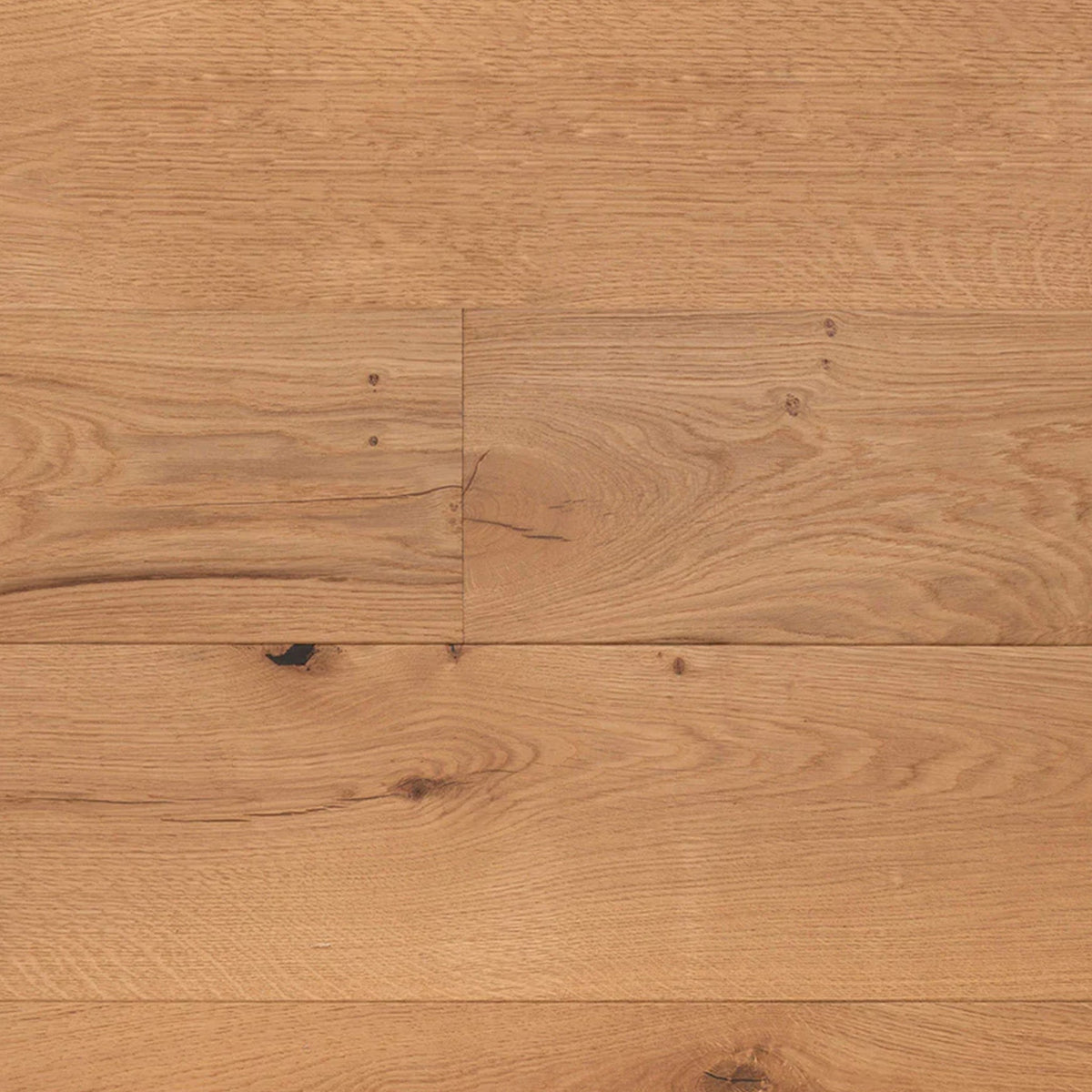
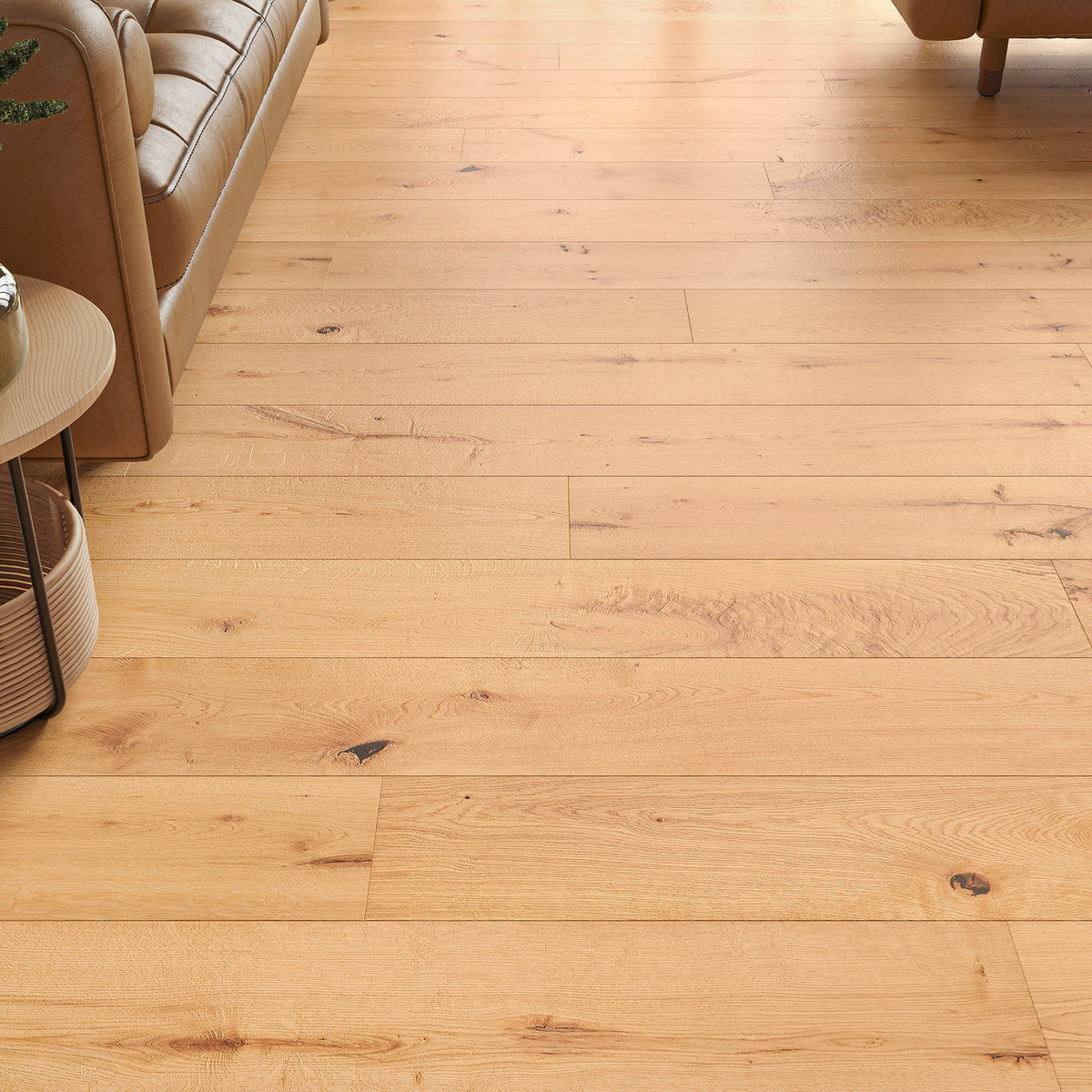
Brushed & Oiled 18/5 x 150mm Straight Engineered
£54.00 per m²
£119.99 per m²
Save £65.99 per m²
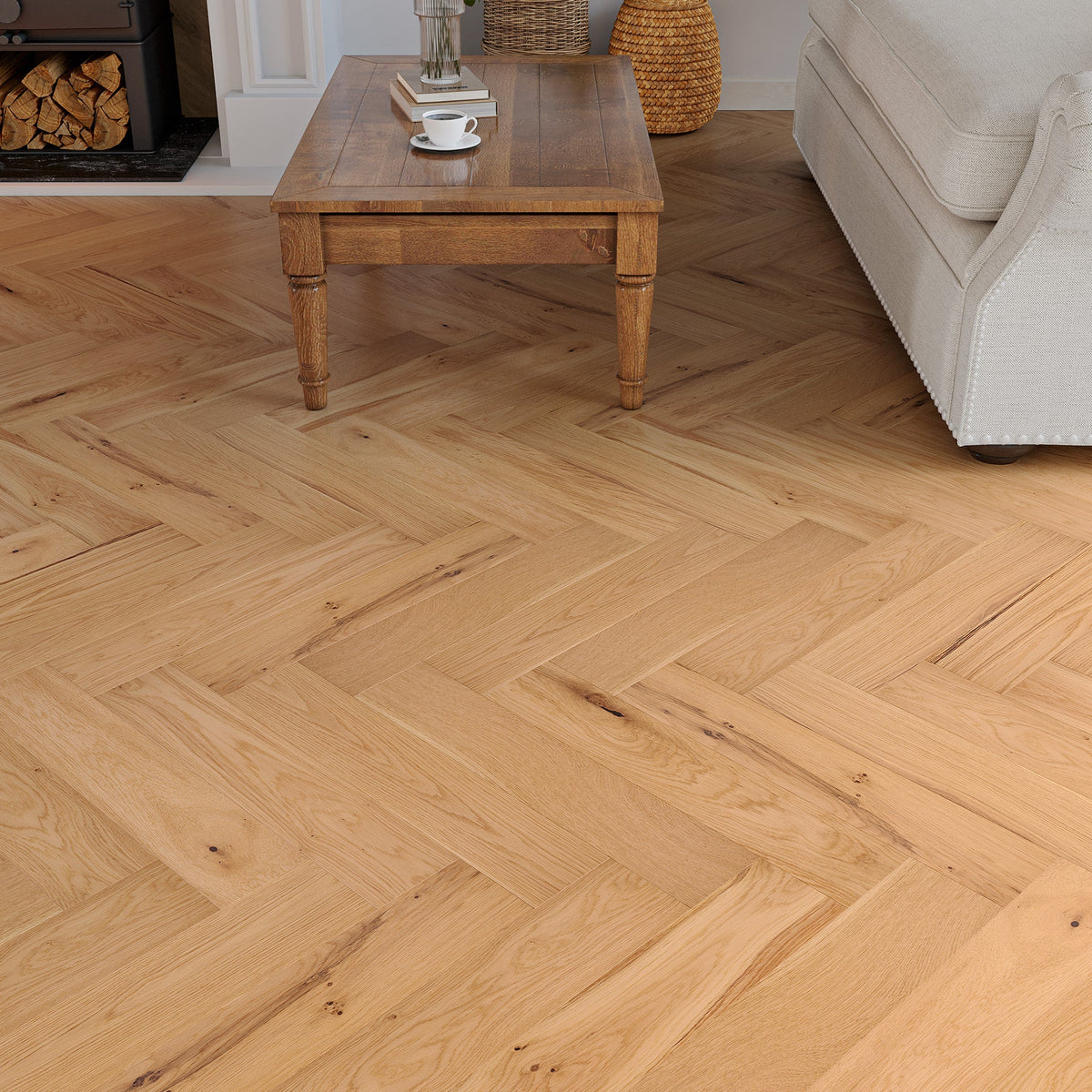
In Stock | Next Day Delivery
Thistle Herringbone Engineered
£38.25 per m²
£84.99 per m²
Save £46.74 per m²
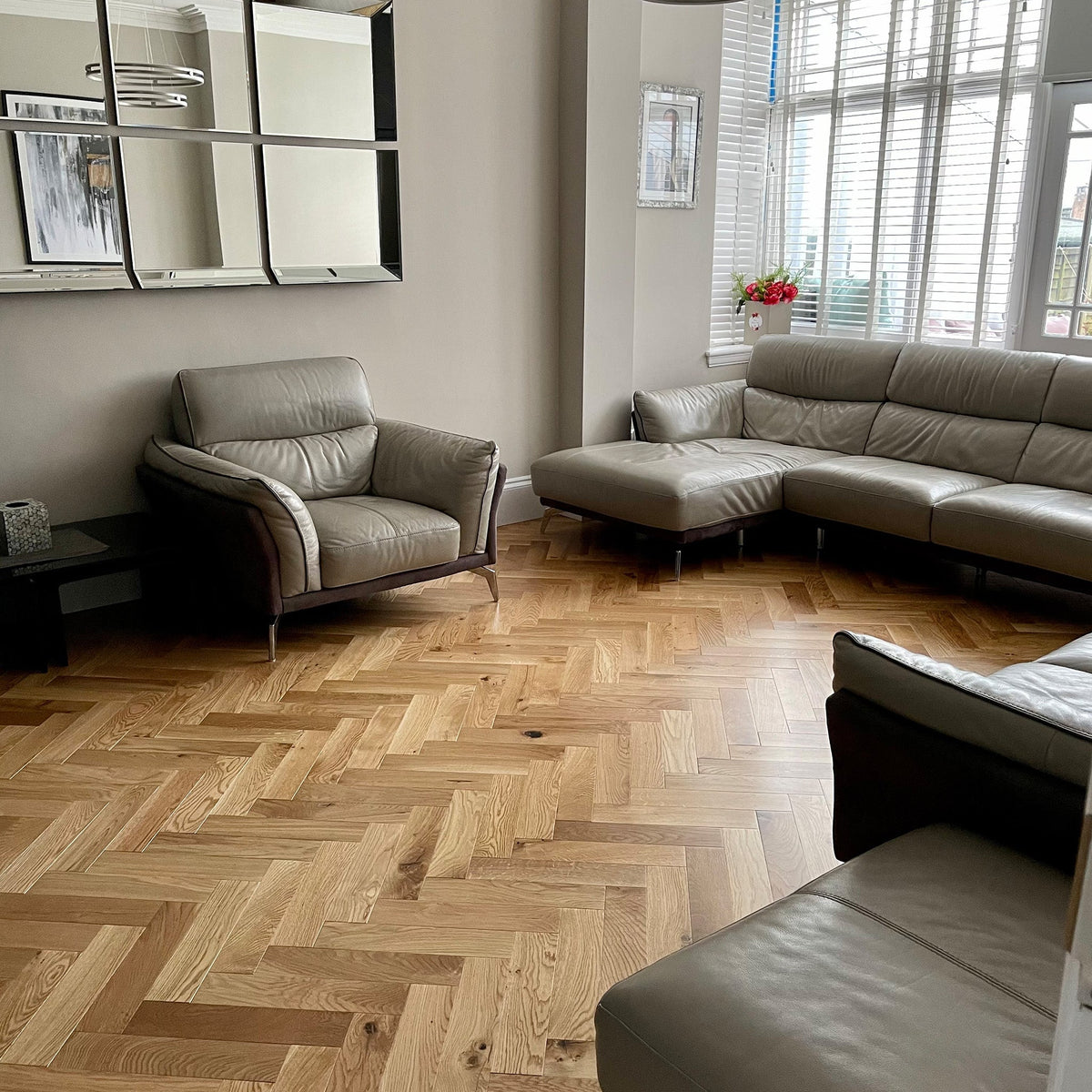
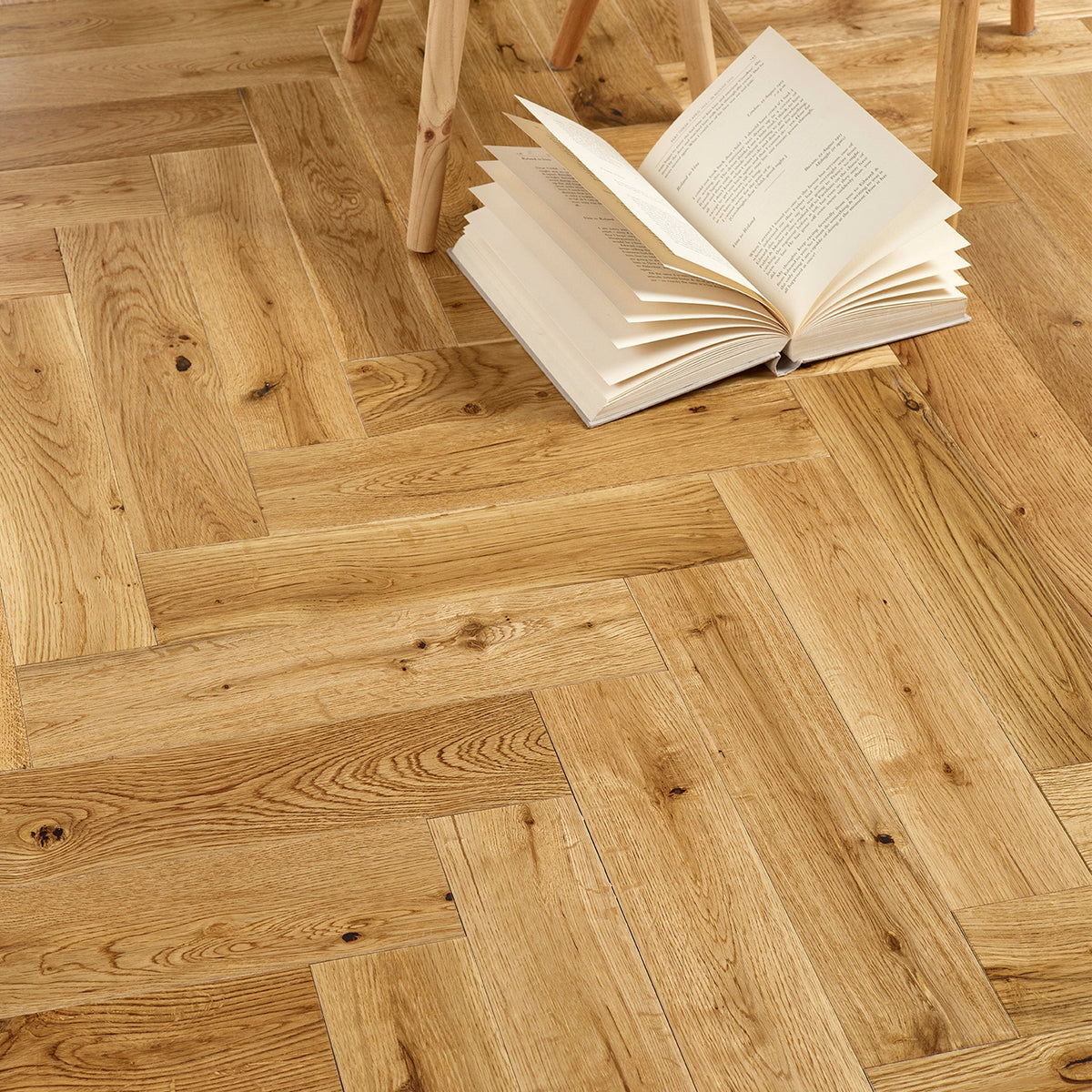
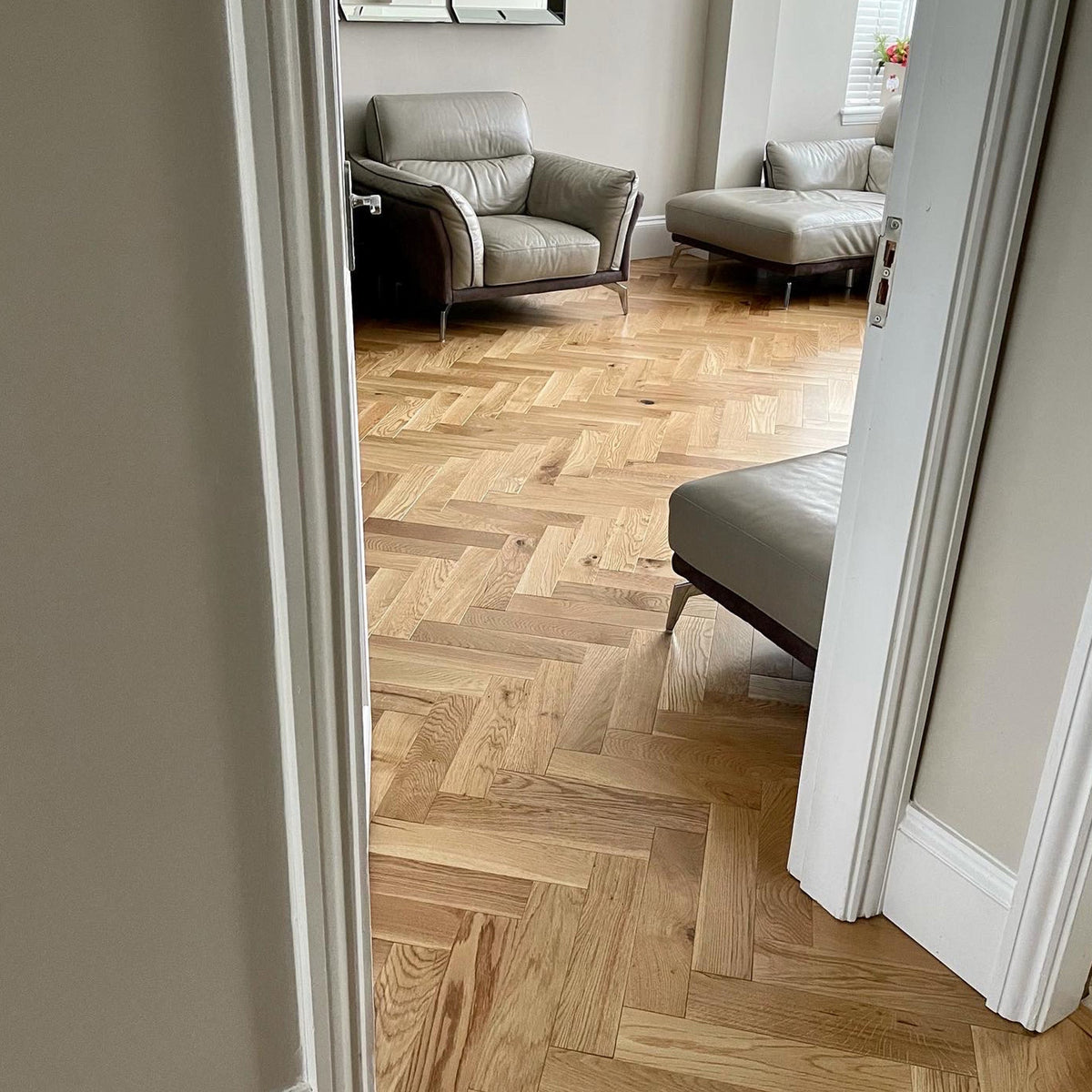
In Stock | Next Day Delivery
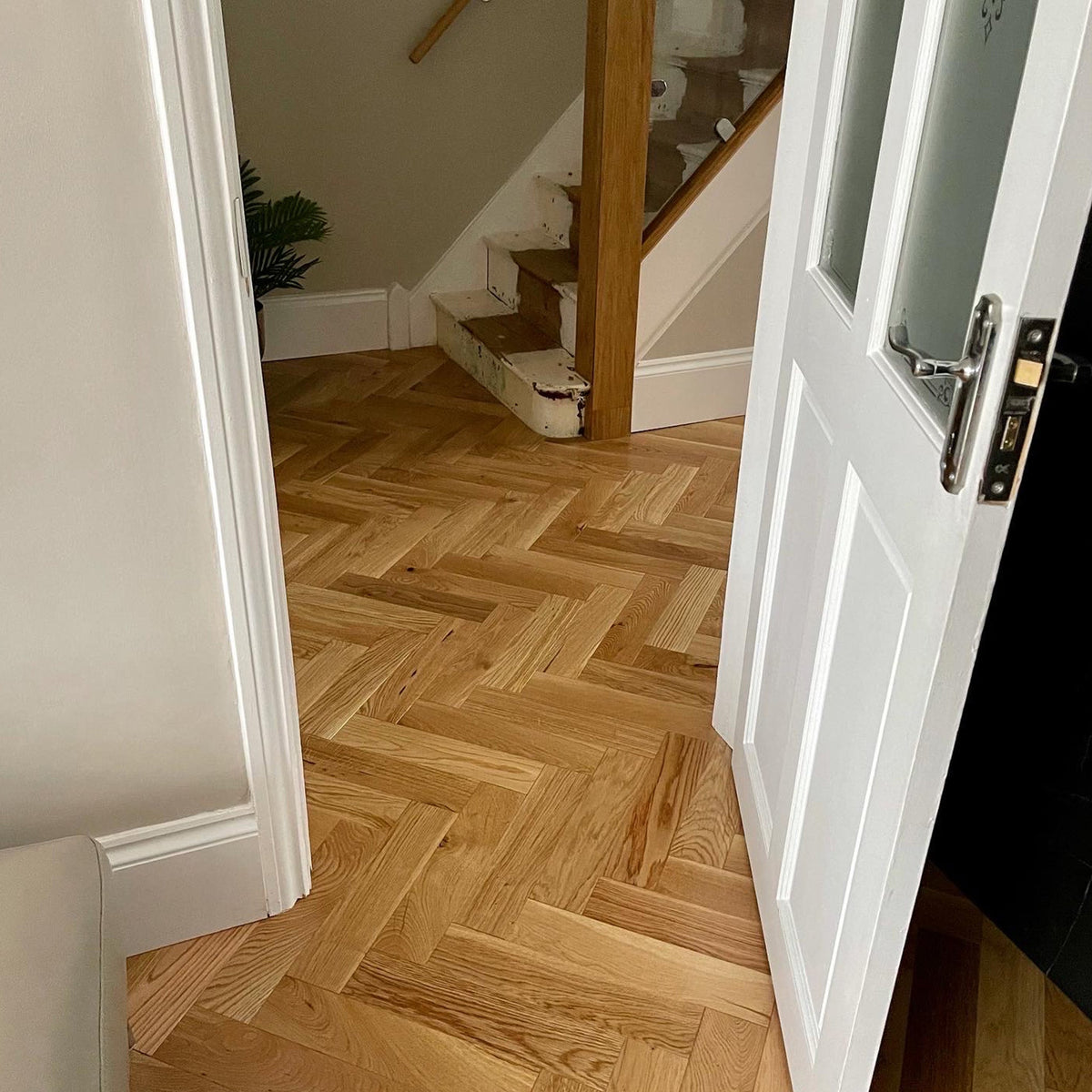
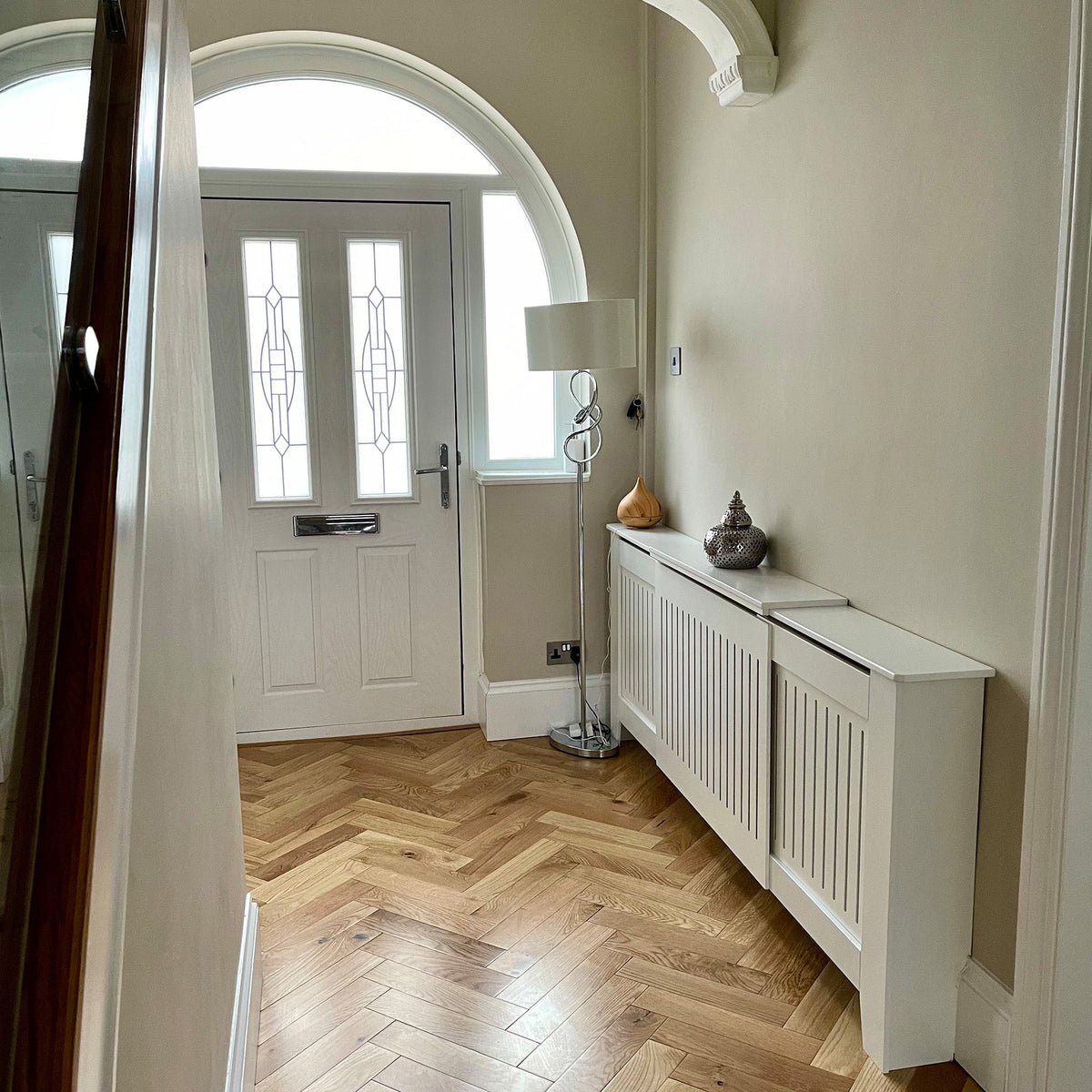
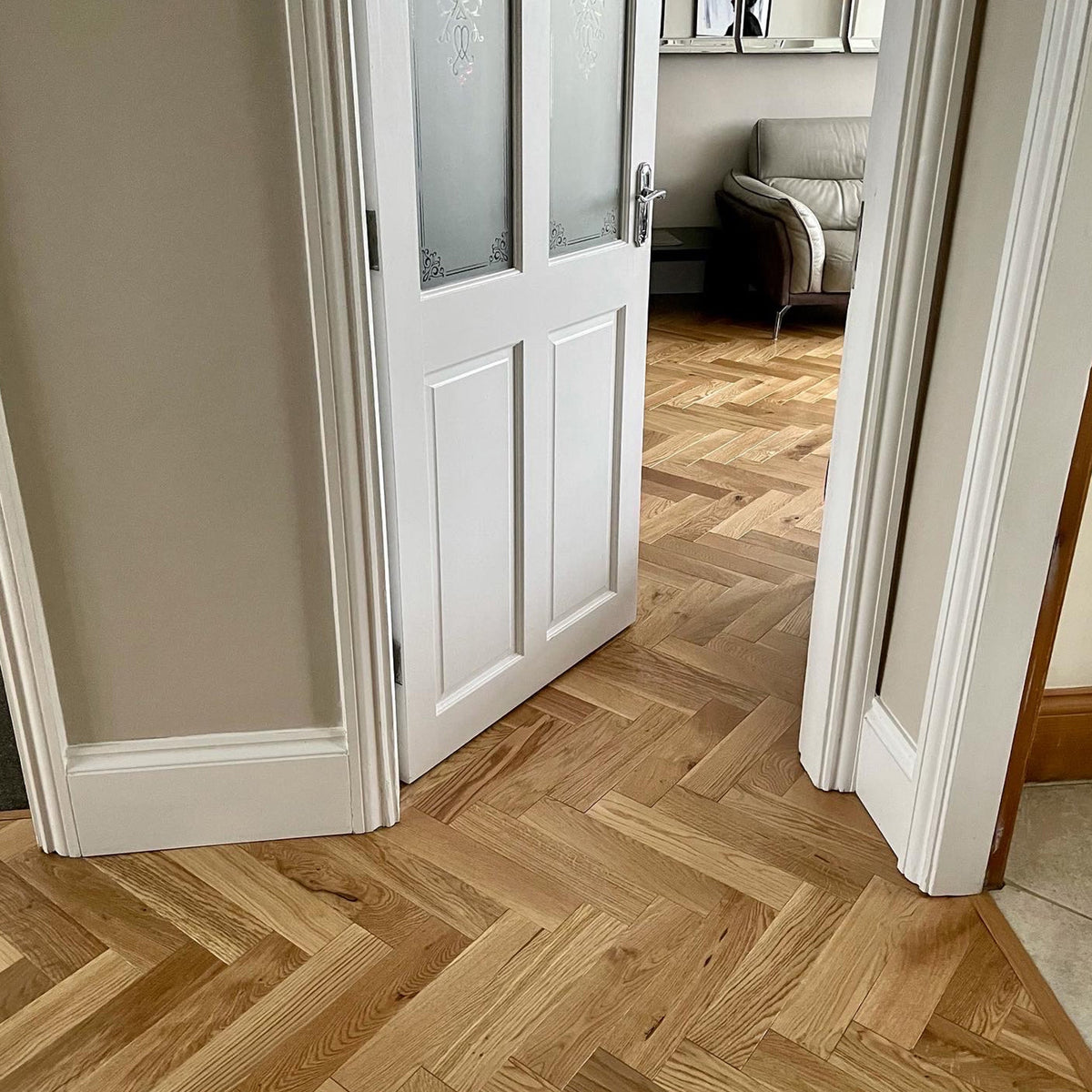
Natural Lacquered 15/4 x 90mm Herringbone Engineered
£40.61 per m²
£90.25 per m²
Save £49.64 per m²
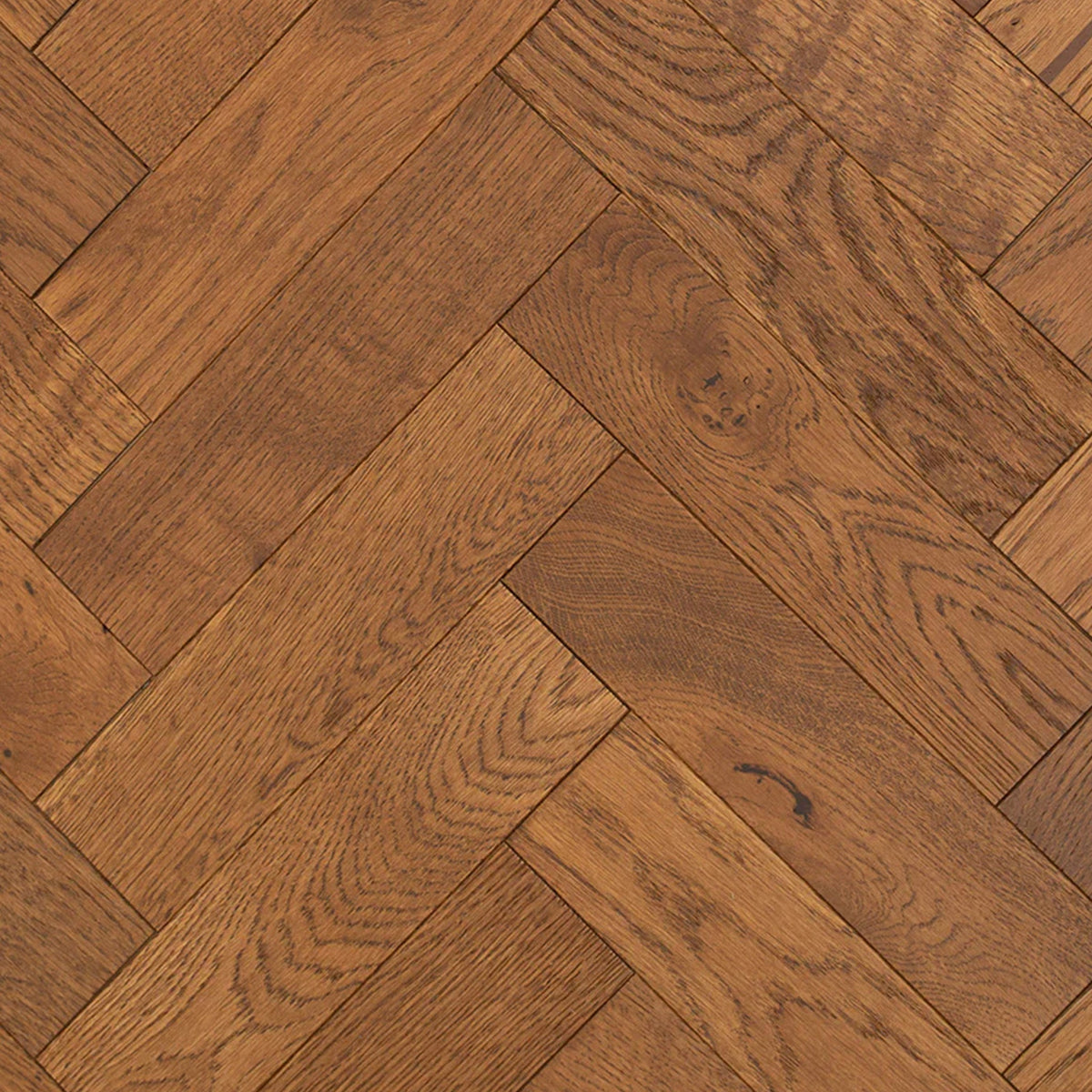
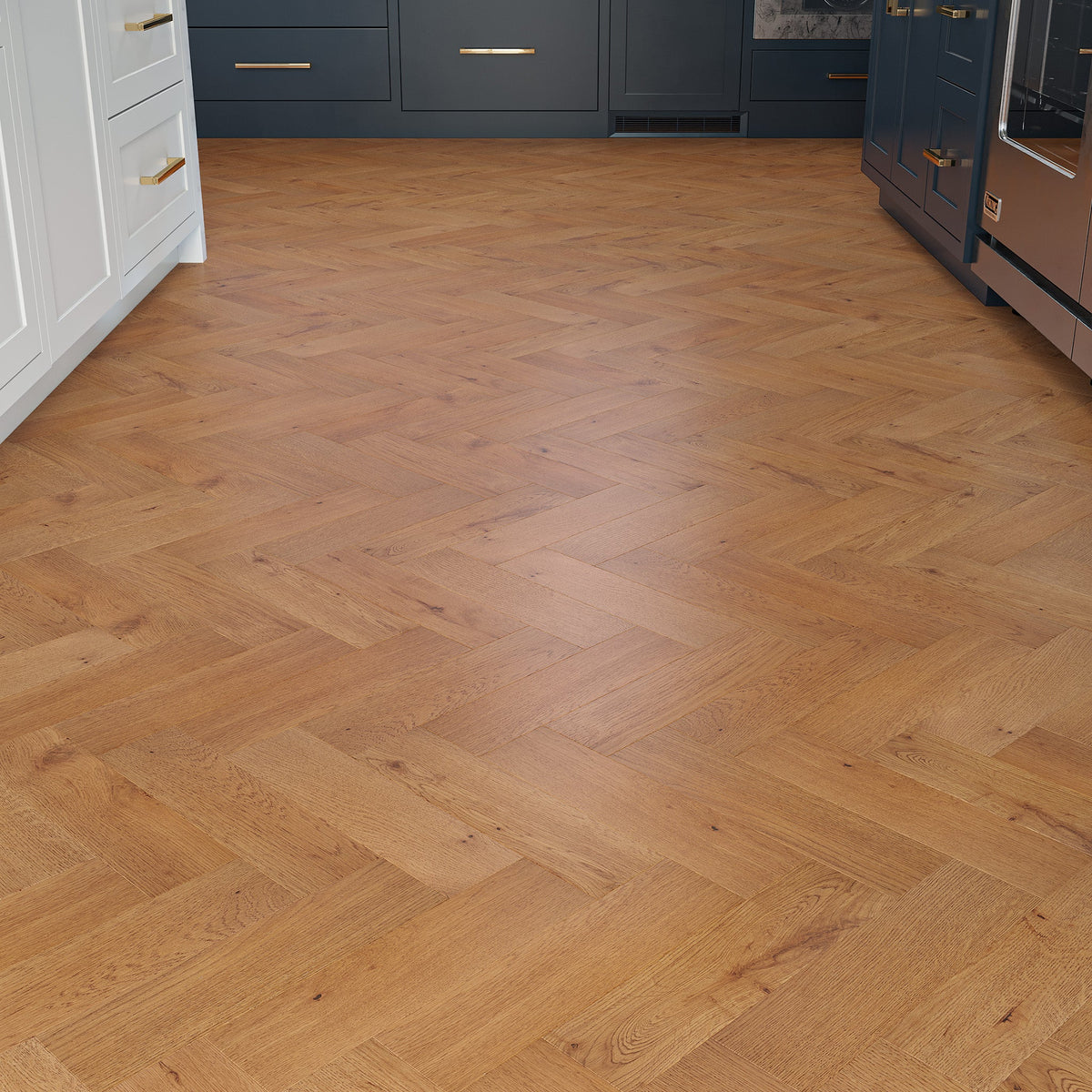
In Stock | Next Day Delivery
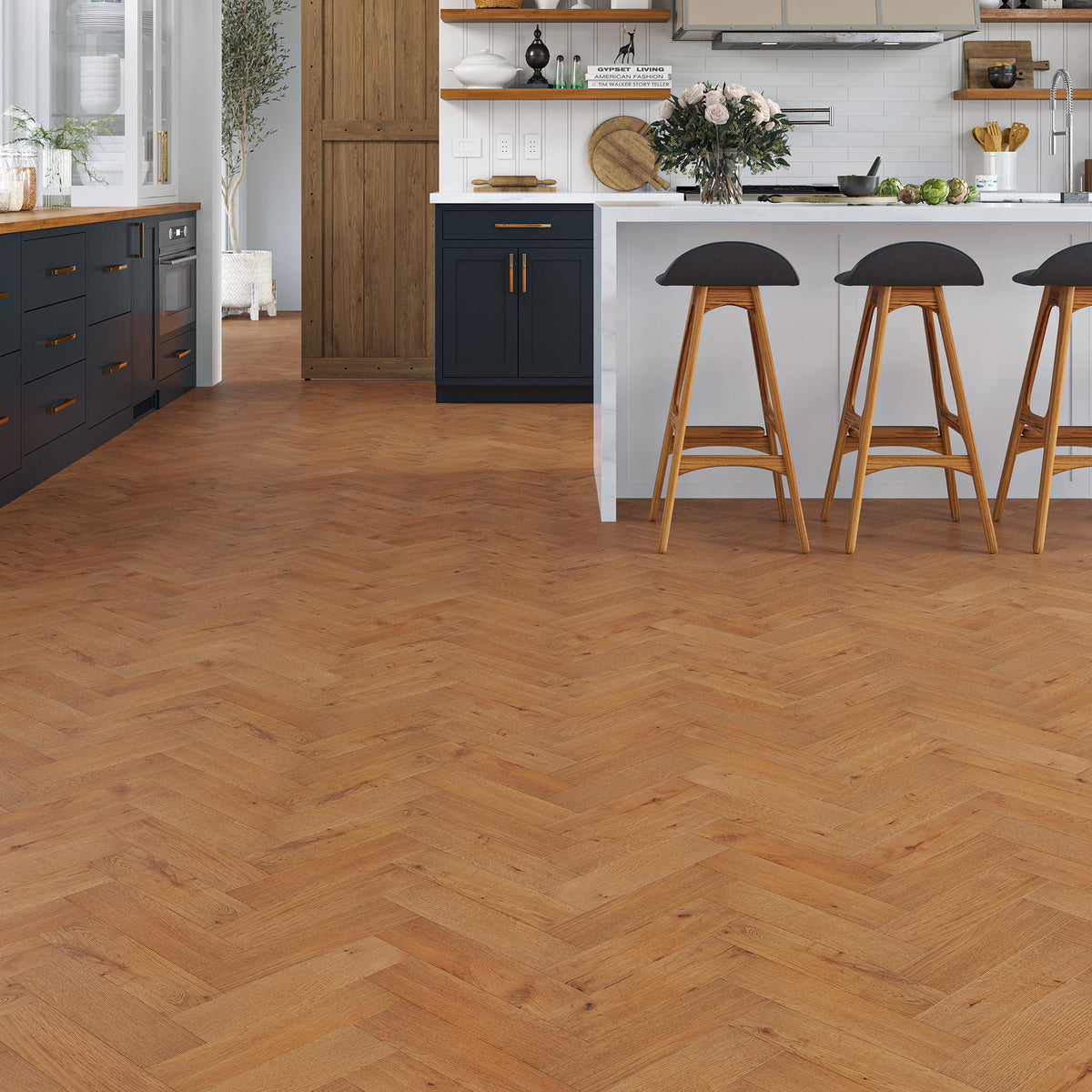
Aster Herringbone Engineered
£29.25 per m²
£64.99 per m²
Save £35.74 per m²
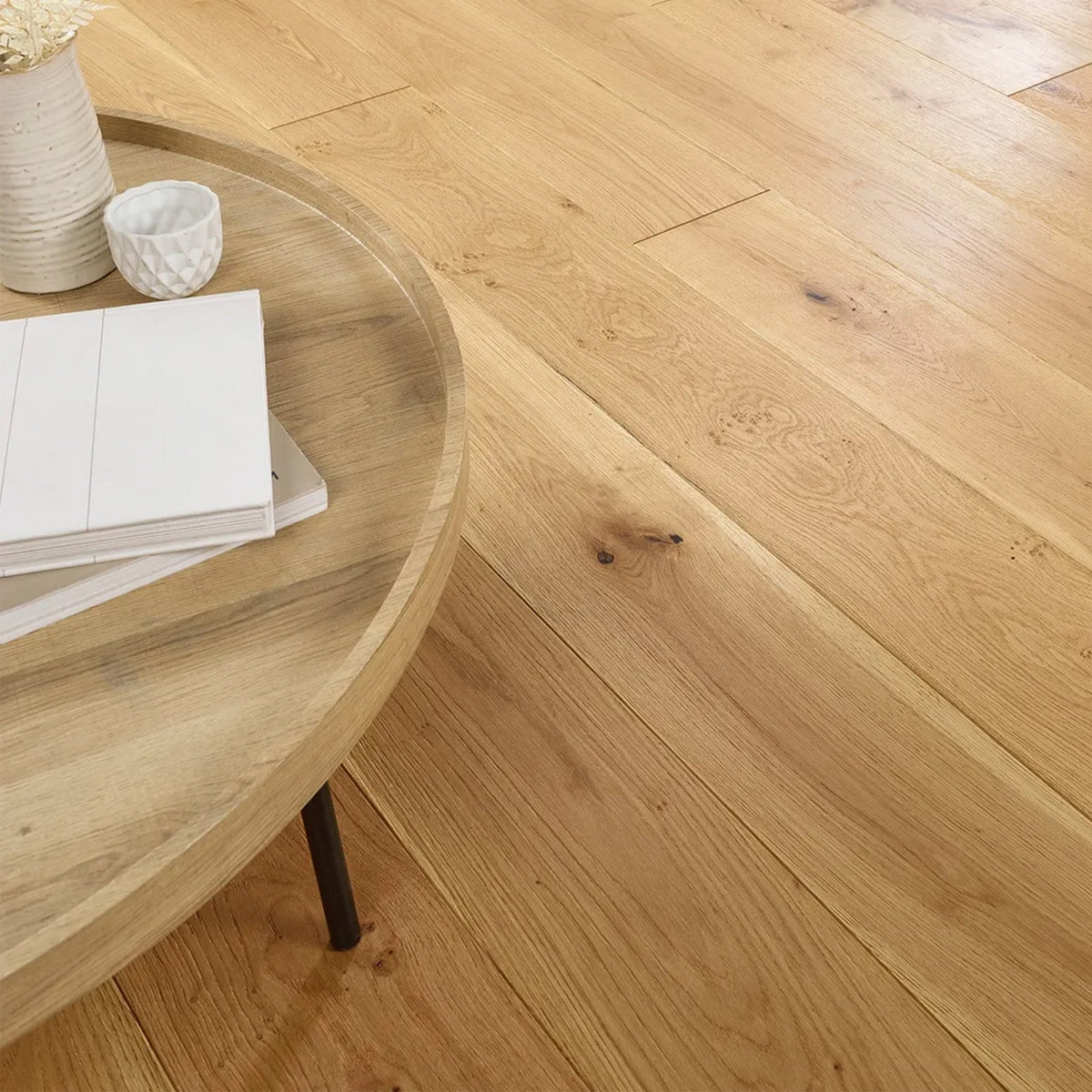
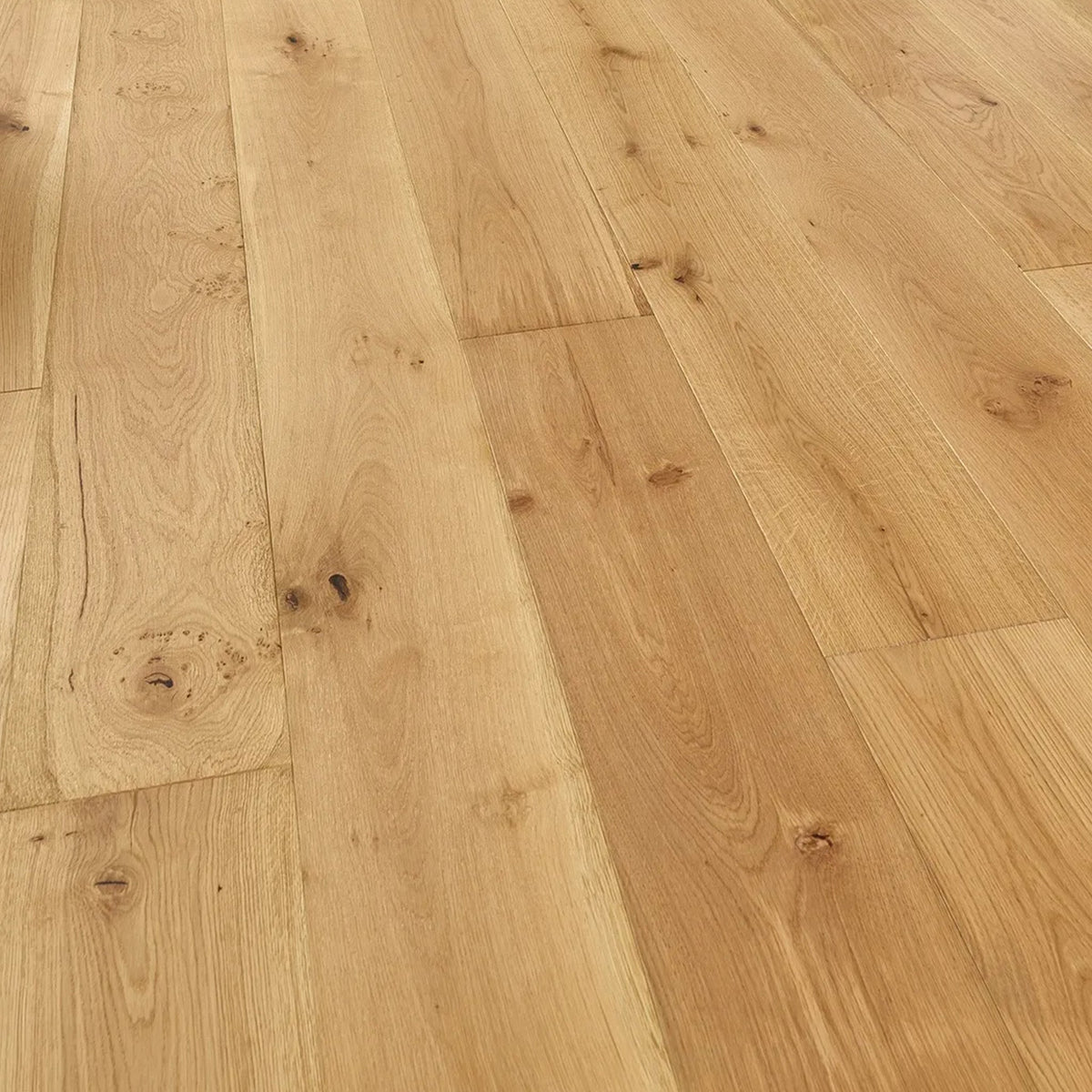
In Stock | Next Day Delivery
Natural Brushed & Oiled 15/4 x 190mm Straight Engineered
£52.20 per m²
£115.99 per m²
Save £63.79 per m²
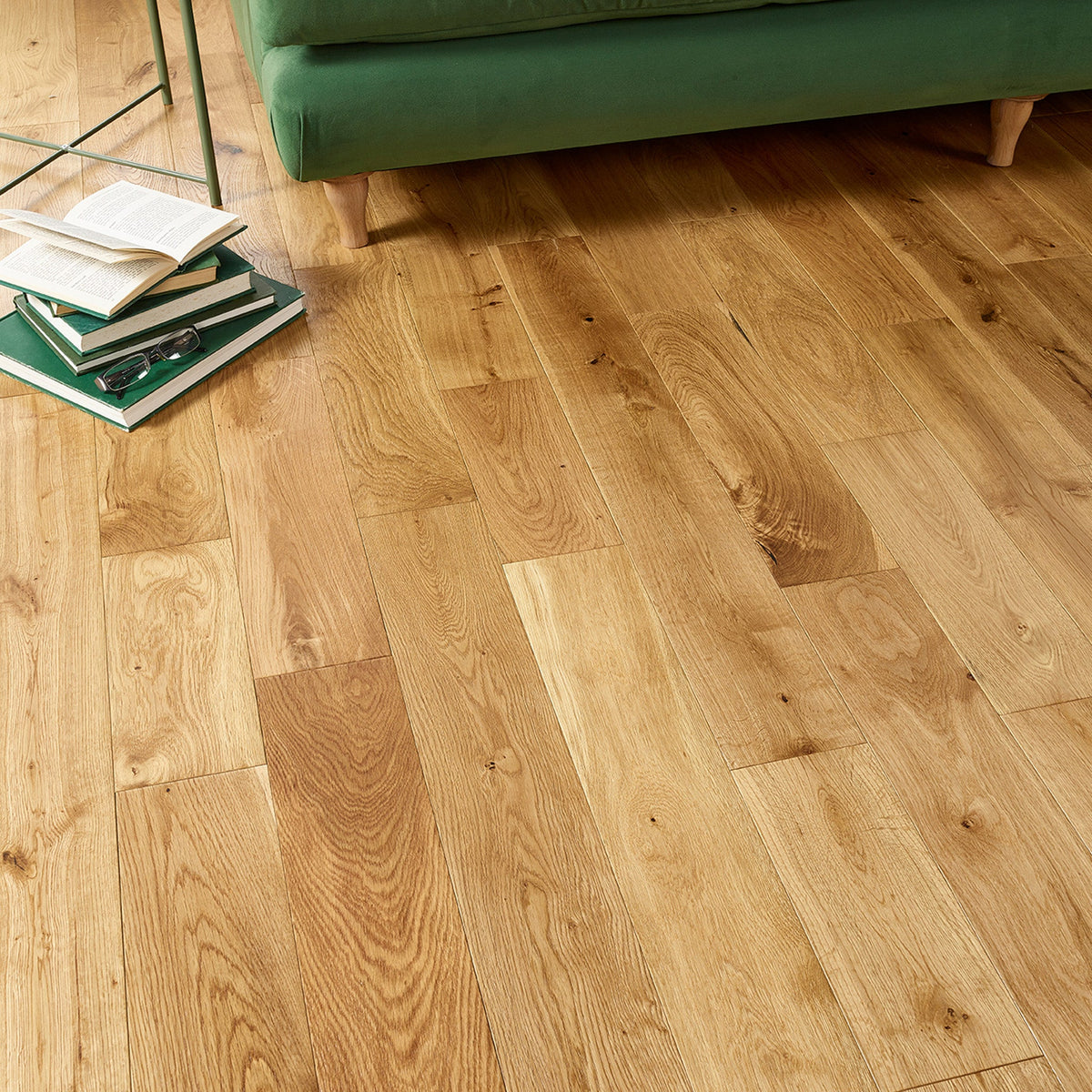
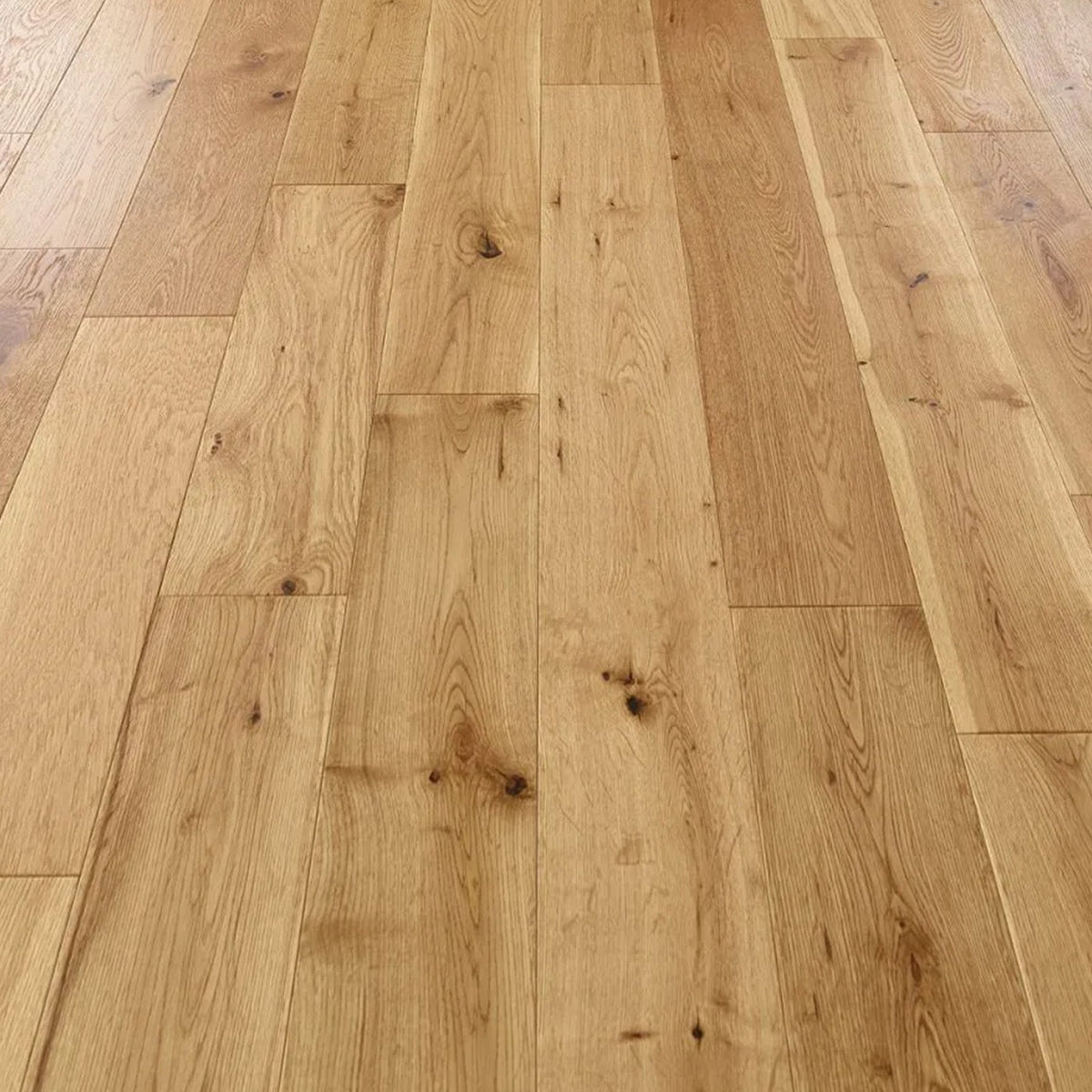
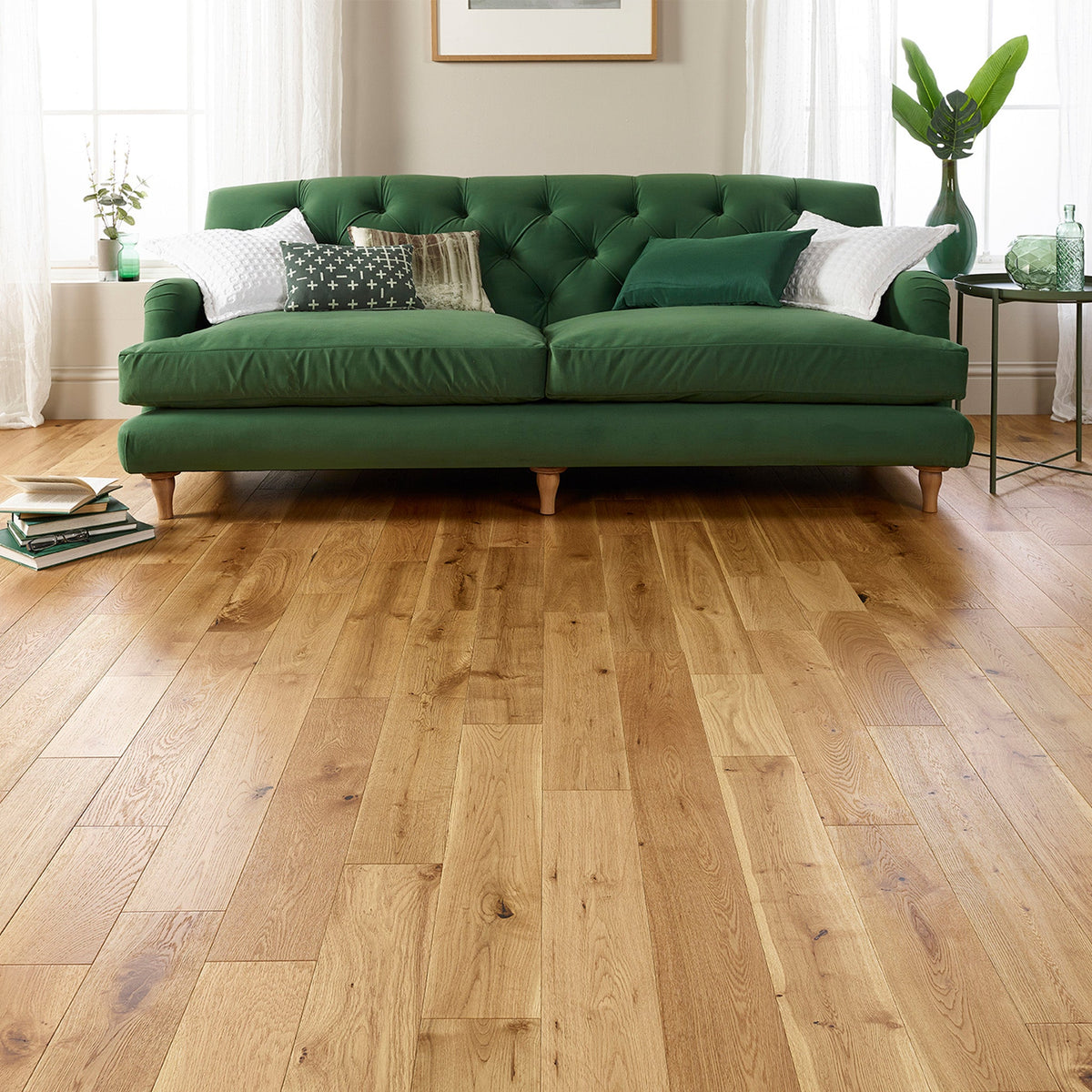
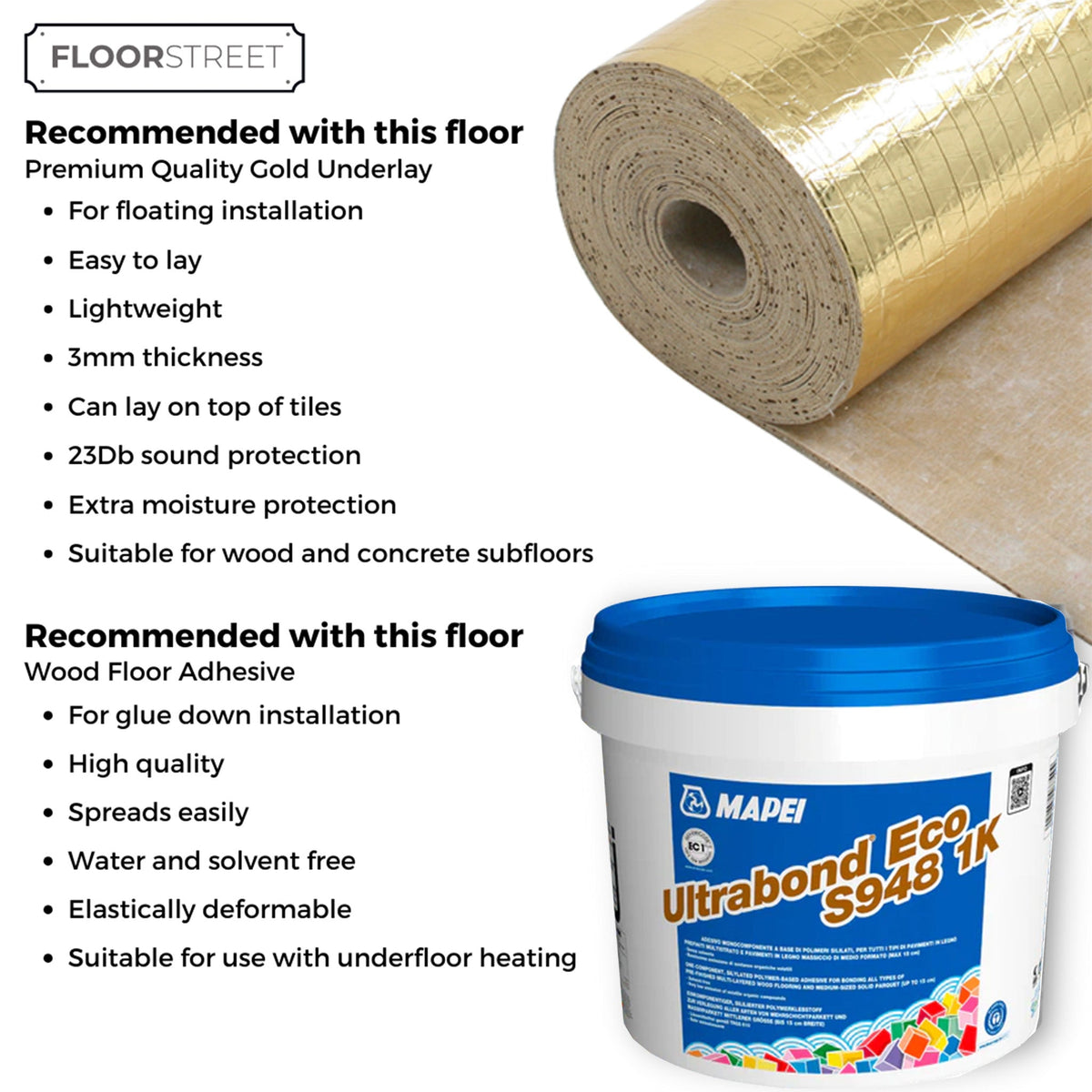
In Stock | Next Day Delivery
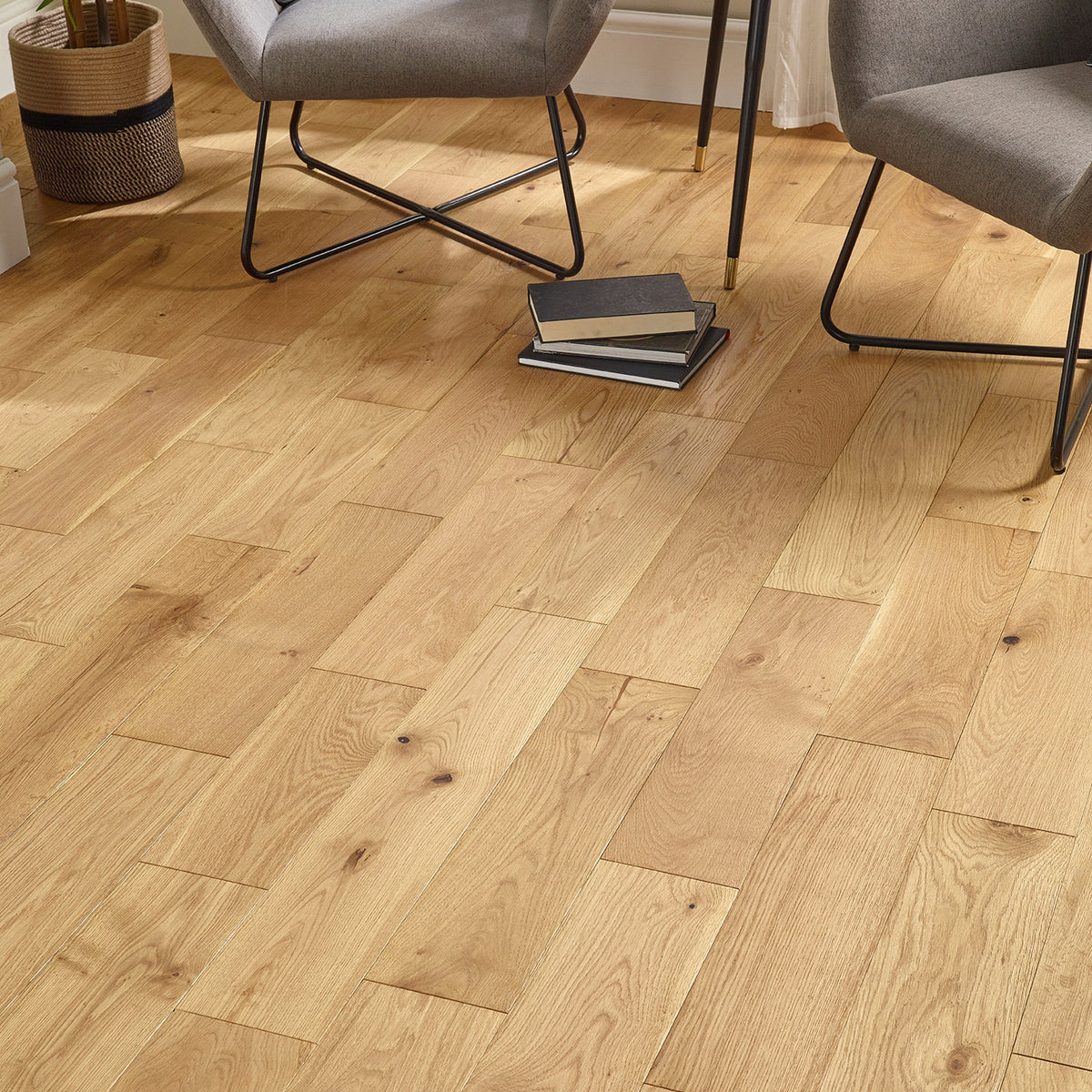
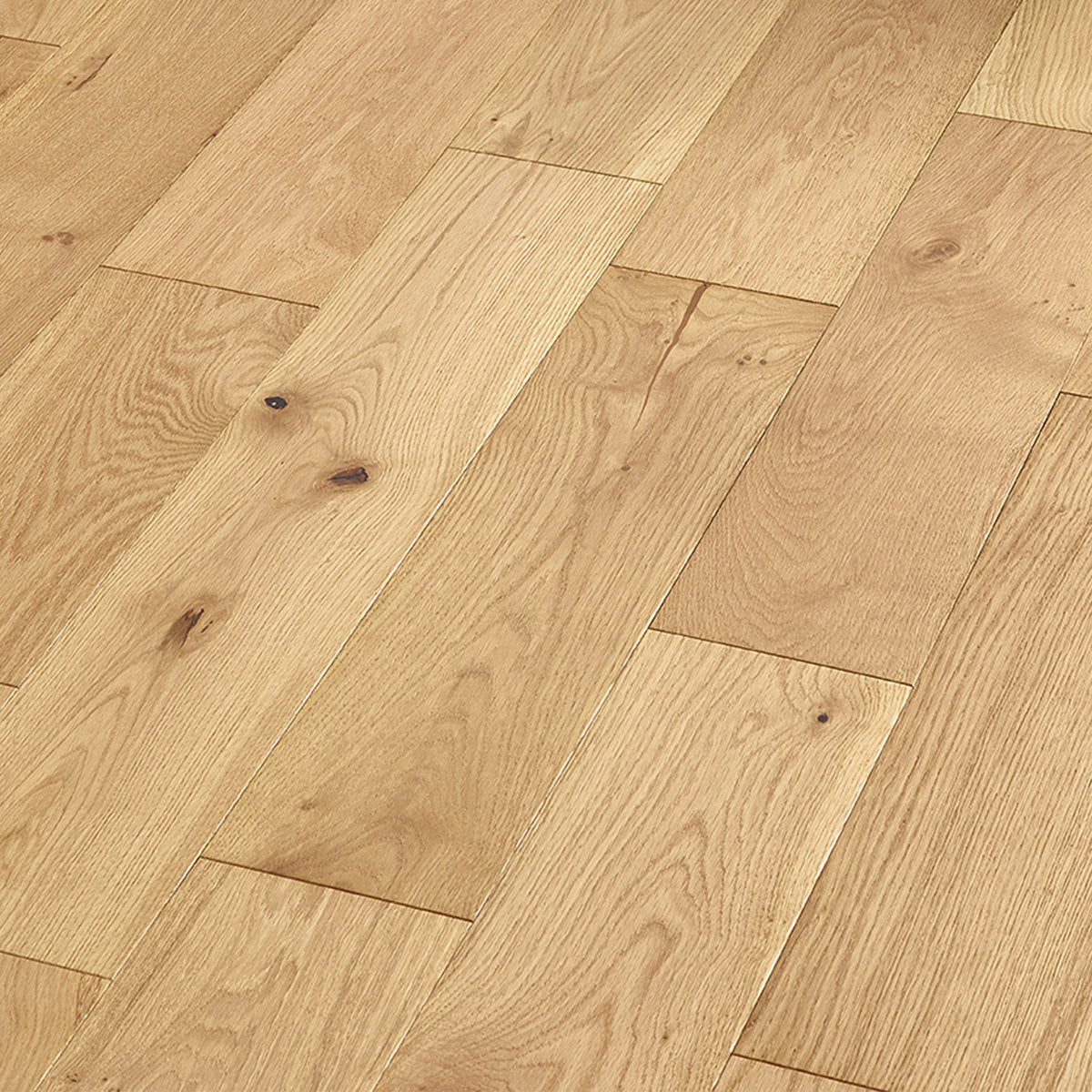
Natural Brushed UV Lacquered 14/3 x 125mm Straight Engineered
£40.50 per m²
£89.99 per m²
Save £49.49 per m²
In Stock | Next Day Delivery
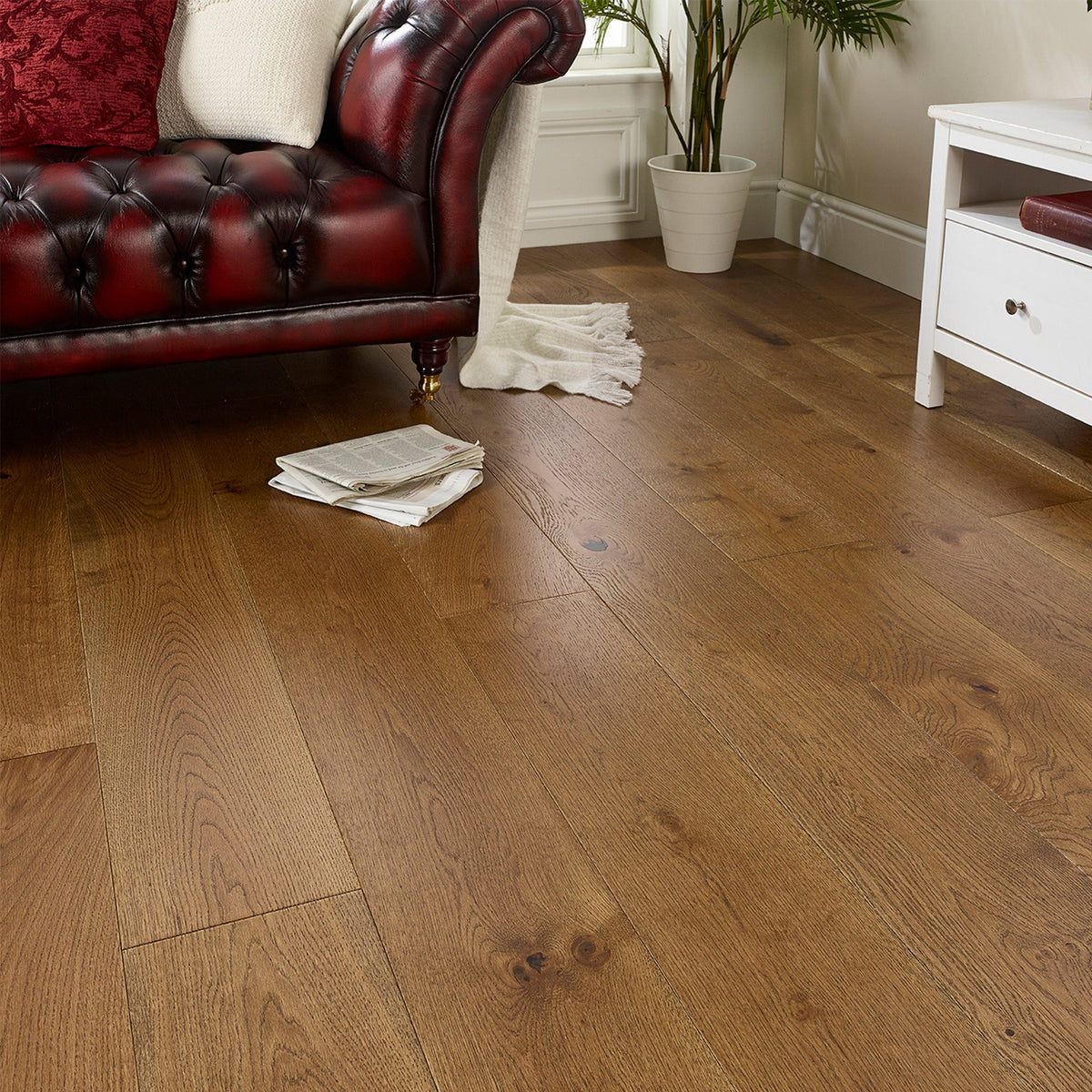
Brushed & Oiled 14/3 x 150mm Straight Engineered
£41.40 per m²
£91.99 per m²
Save £50.59 per m²
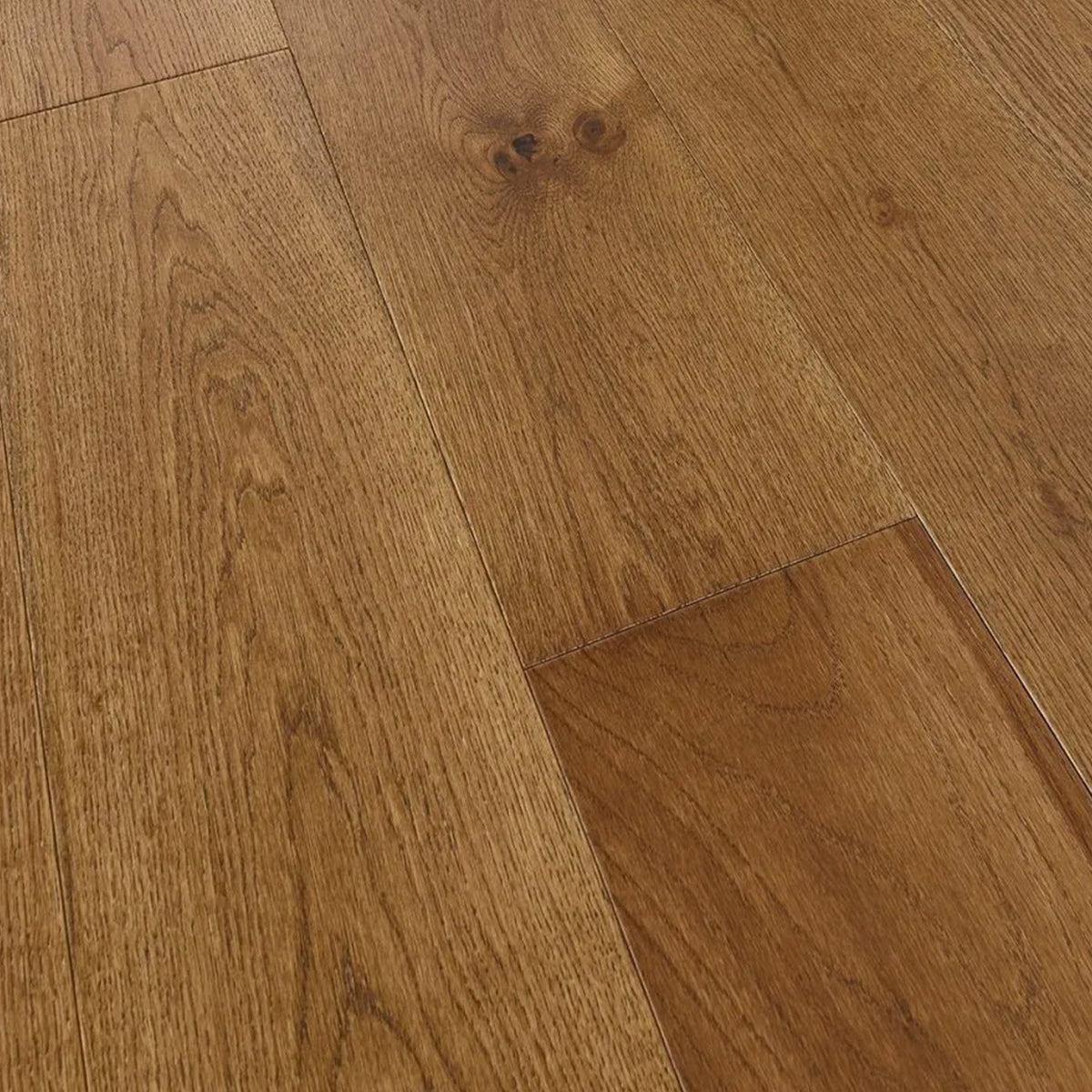
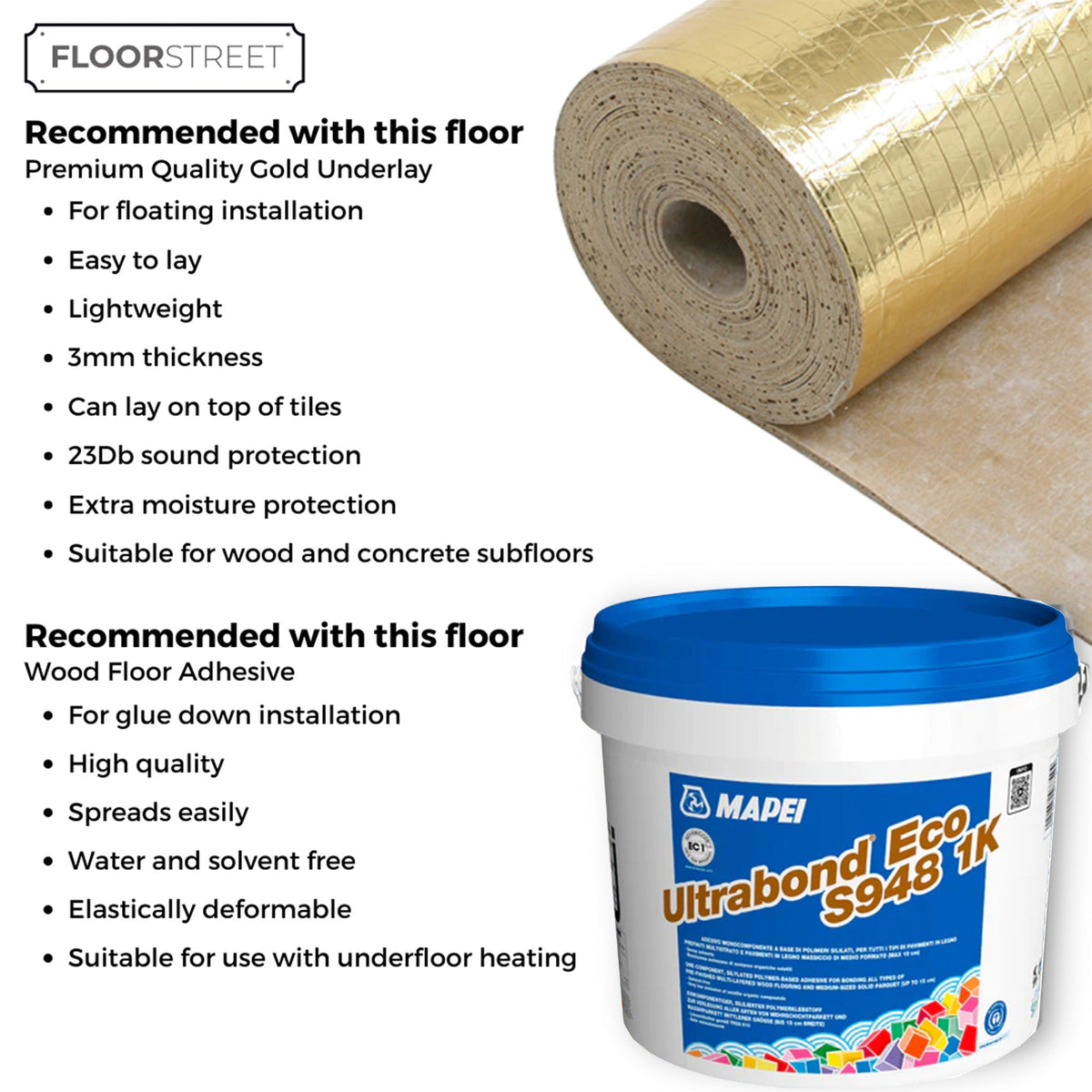
In Stock | Next Day Delivery
Cognac Brushed & Lacquered 15/4 x 220mm Straight Engineered
£51.75 per m²
£114.99 per m²
Save £63.24 per m²
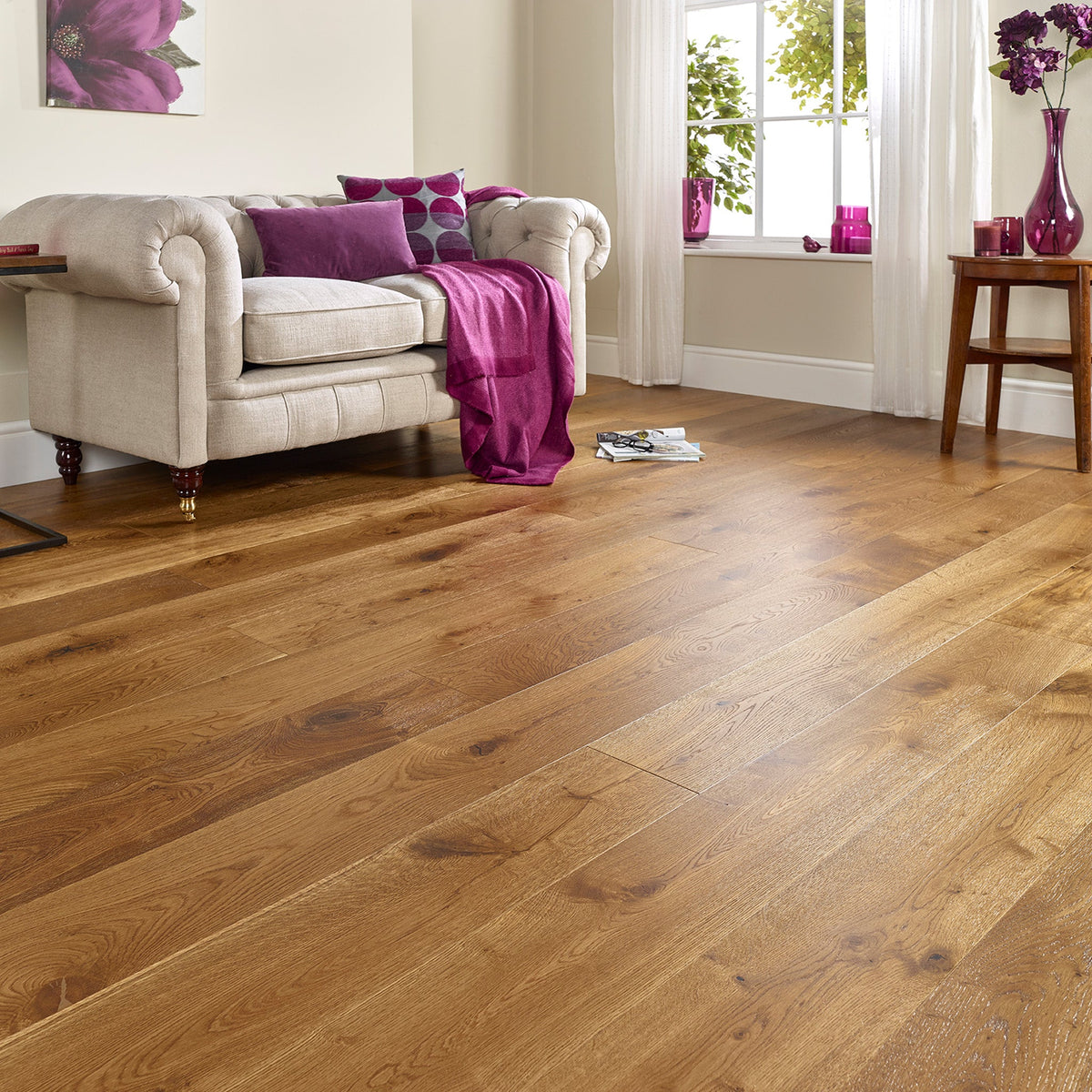
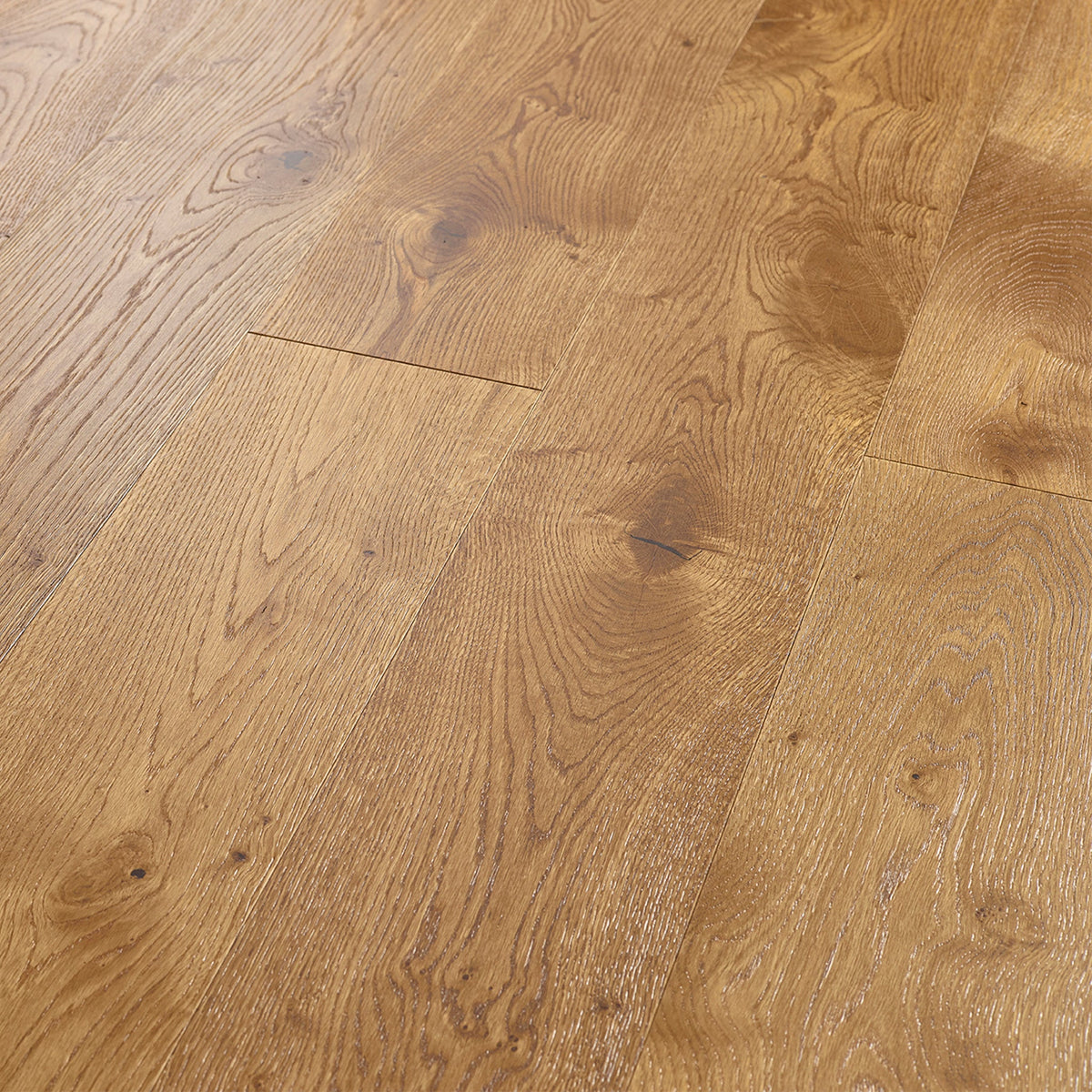
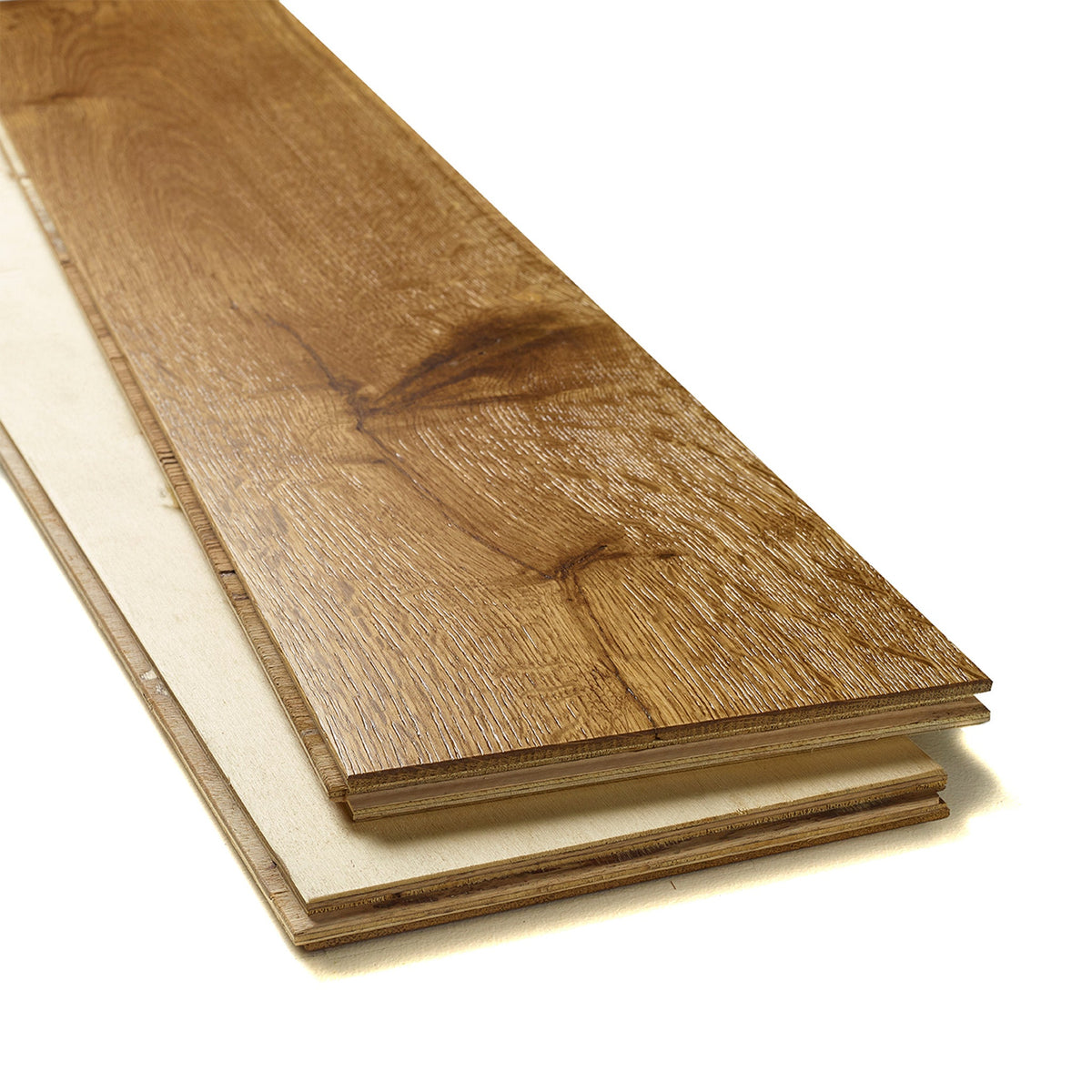
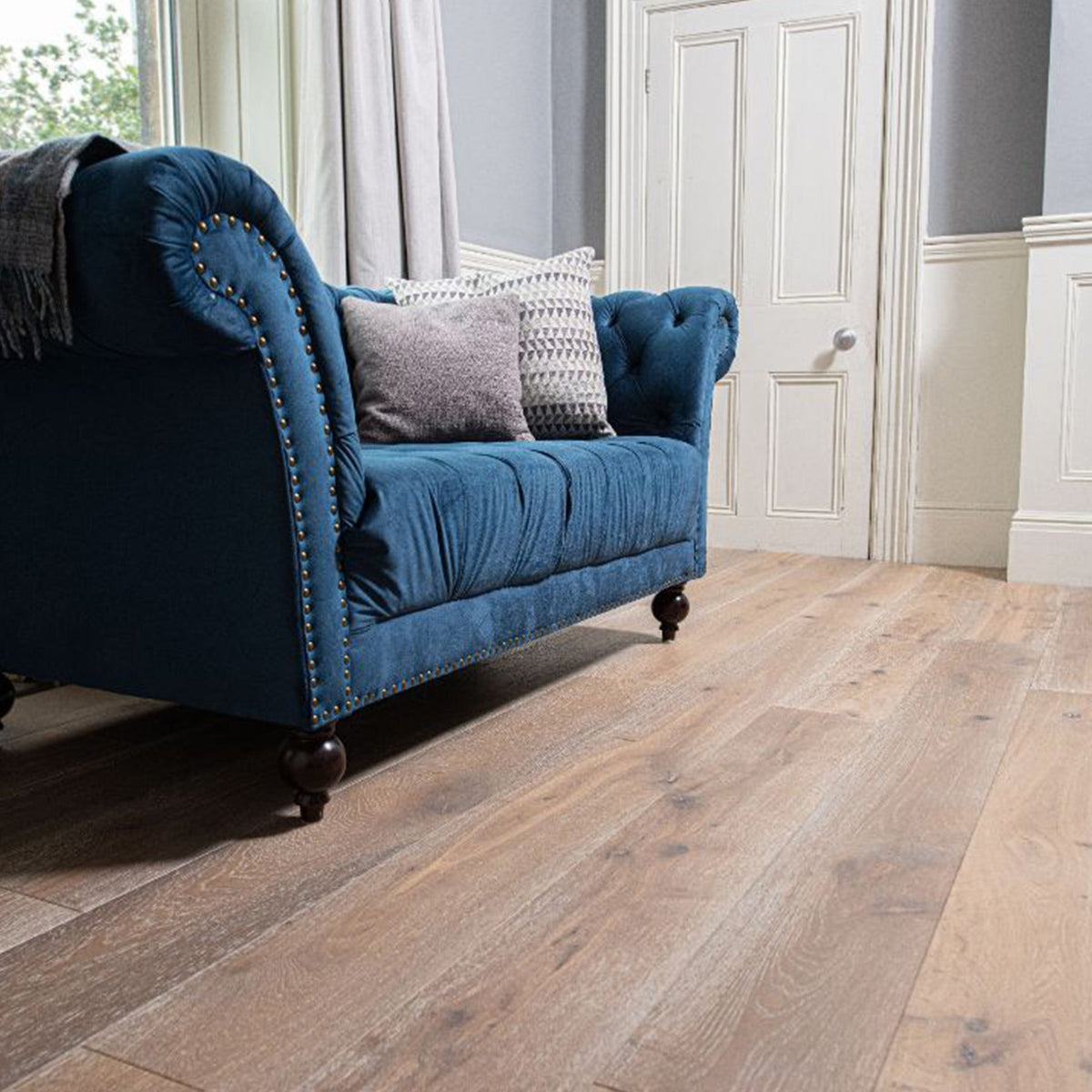
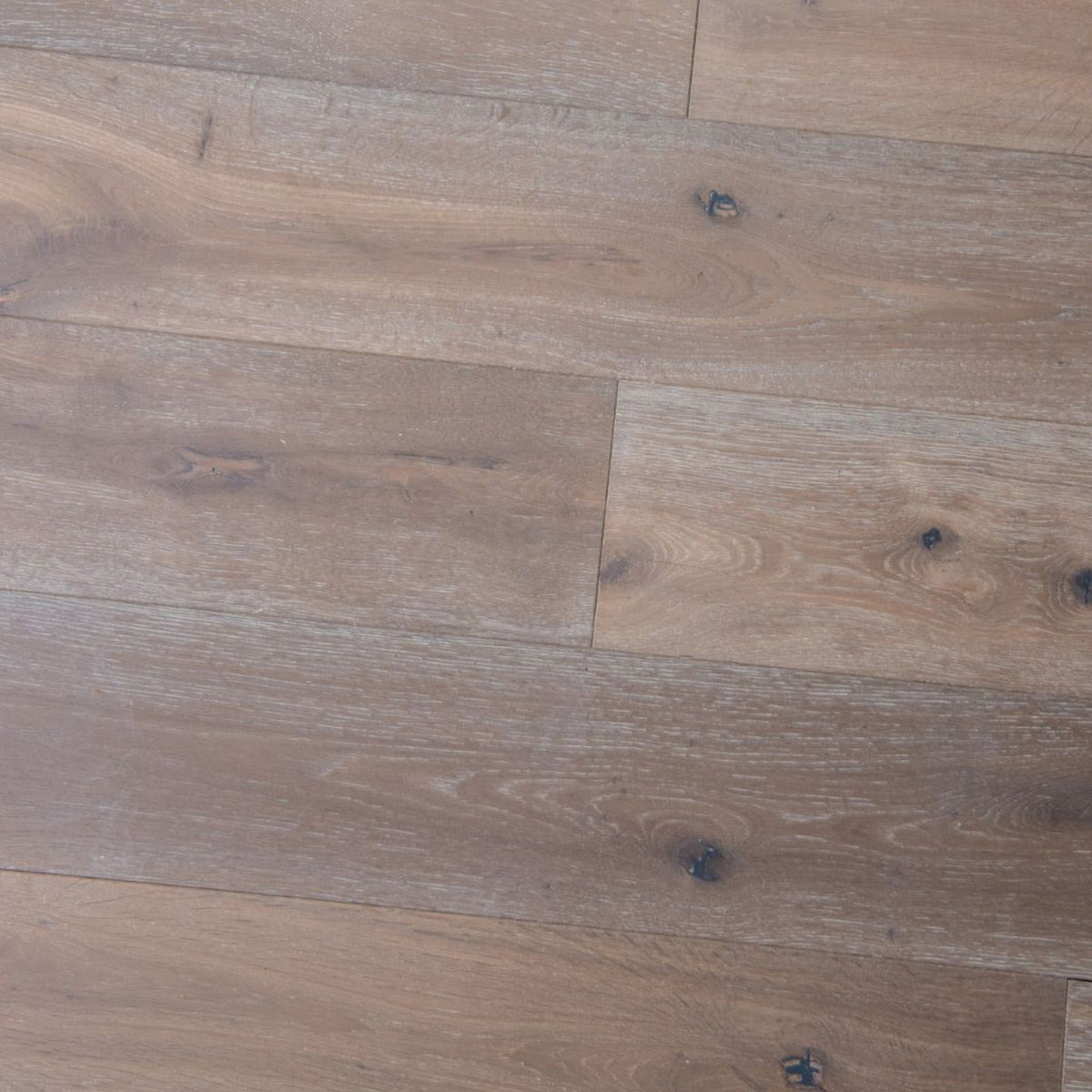
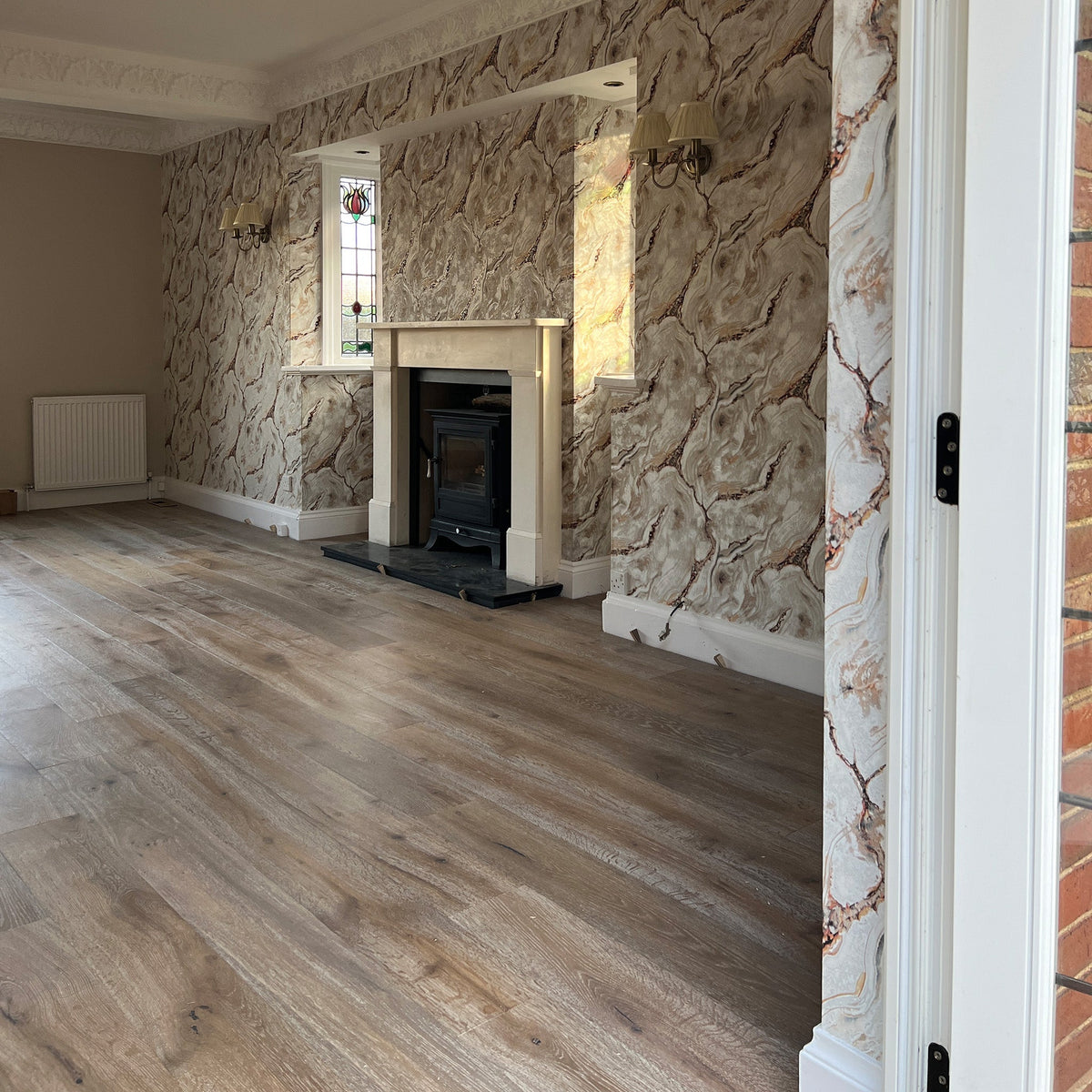
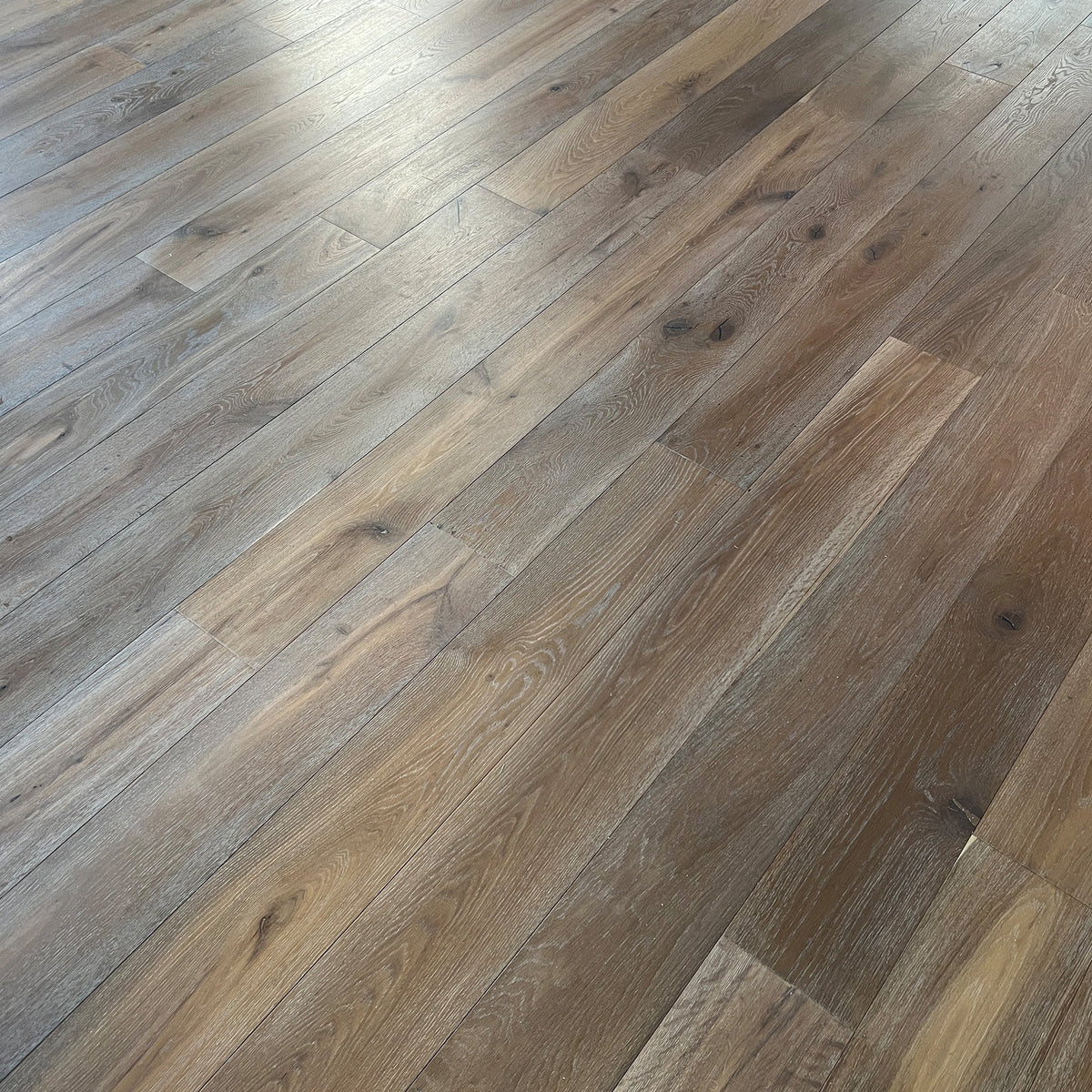
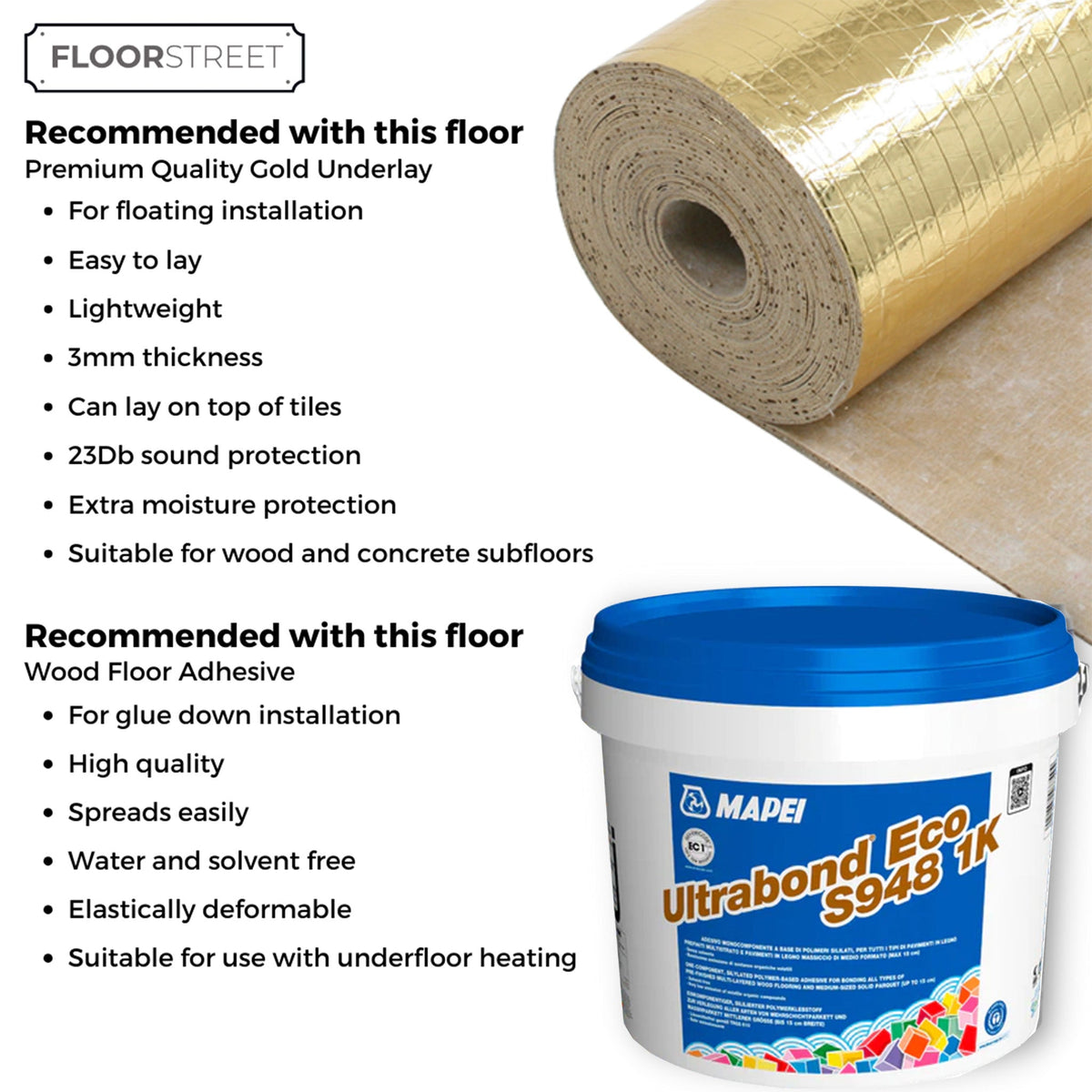
Smoked Brushed & Lacquered 15/4 x 190mm Straight Engineered
£52.20 per m²
£115.99 per m²
Save £63.79 per m²
In Stock | Next Day Delivery
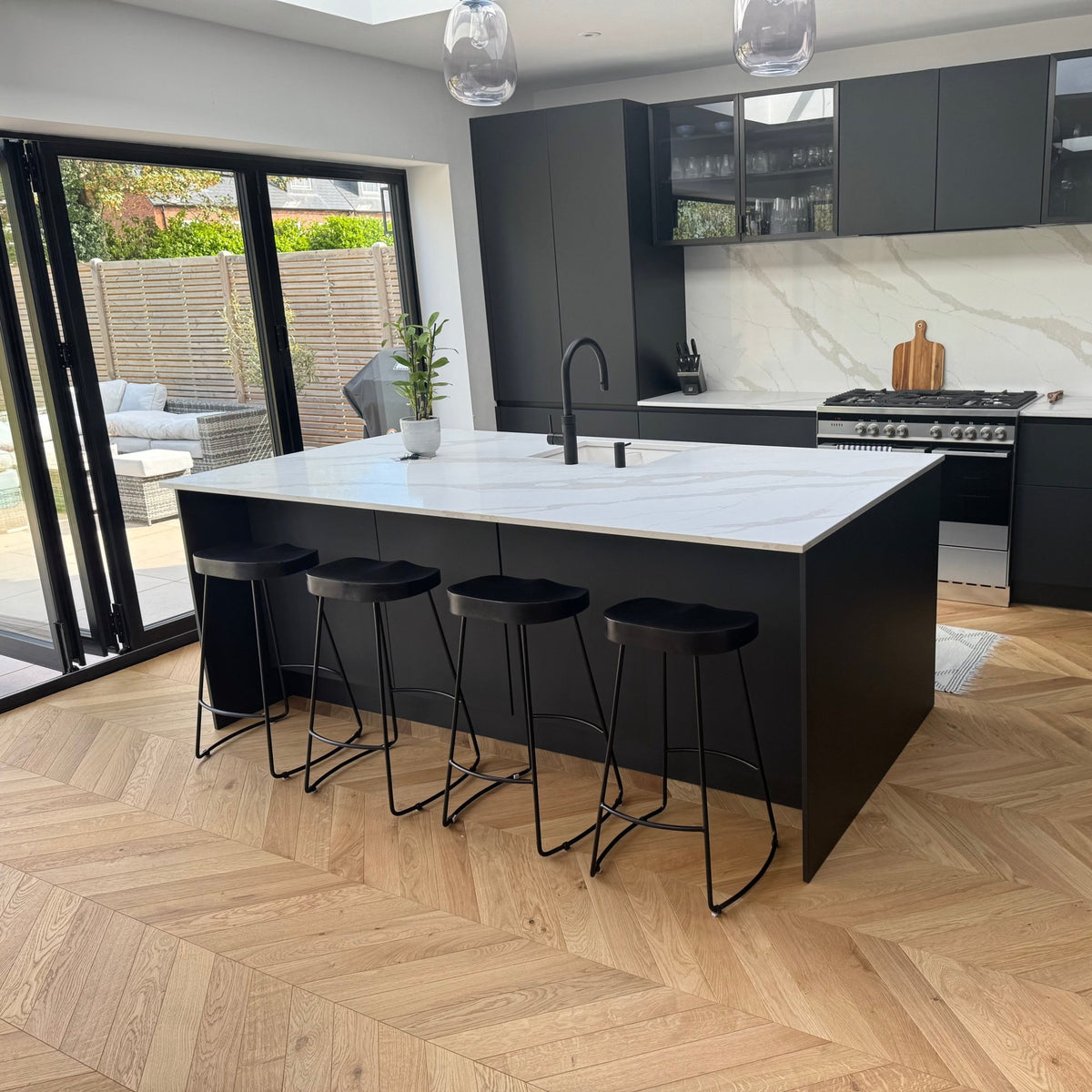
Smoked Grey Hardwax Oiled 15/4 x 190mm Straight Engineered
£52.20 per m²
£115.99 per m²
Save £63.79 per m²
In Stock | Next Day Delivery
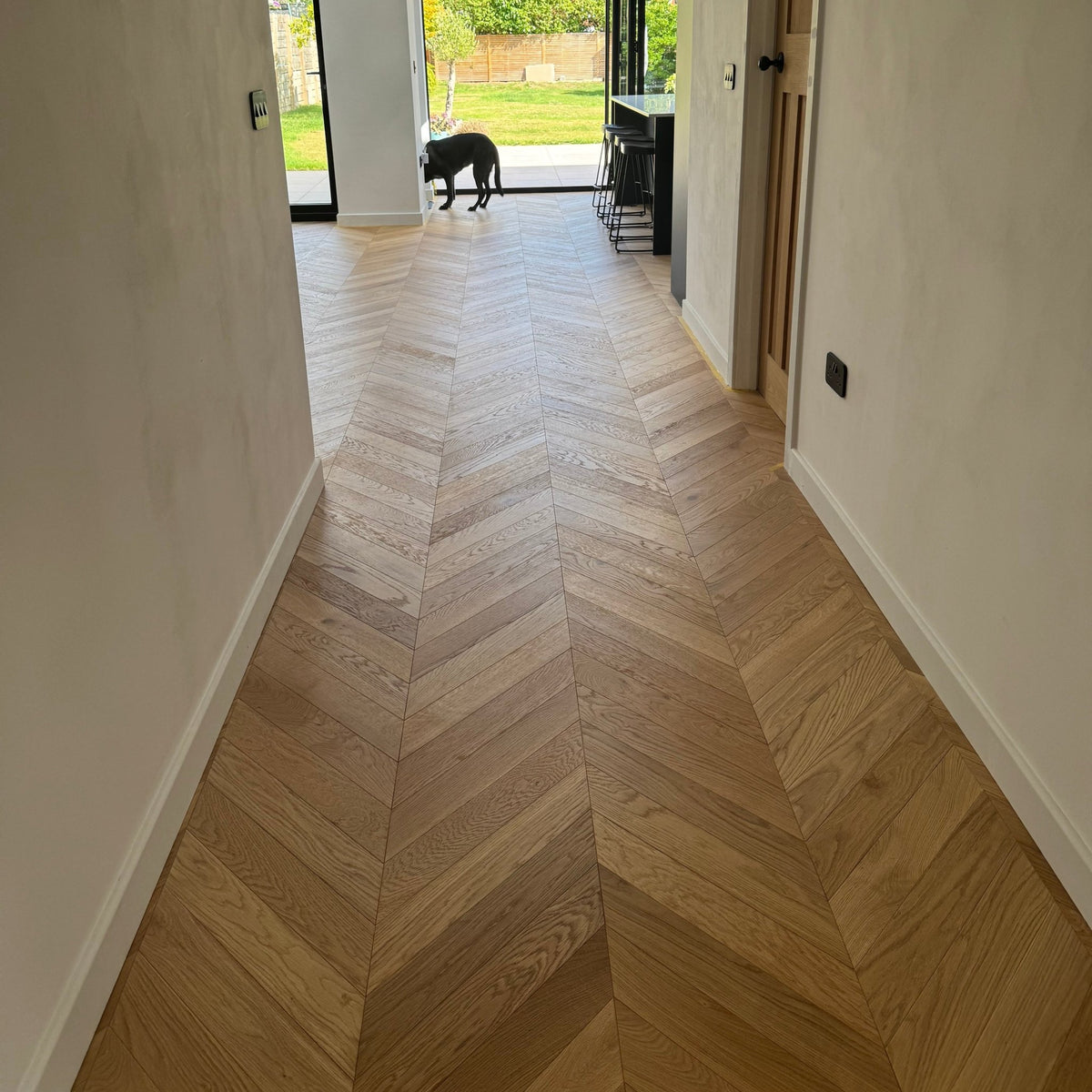
Natural Oak Chevron Engineered
£42.97 per m²
£95.49 per m²
Save £52.52 per m²


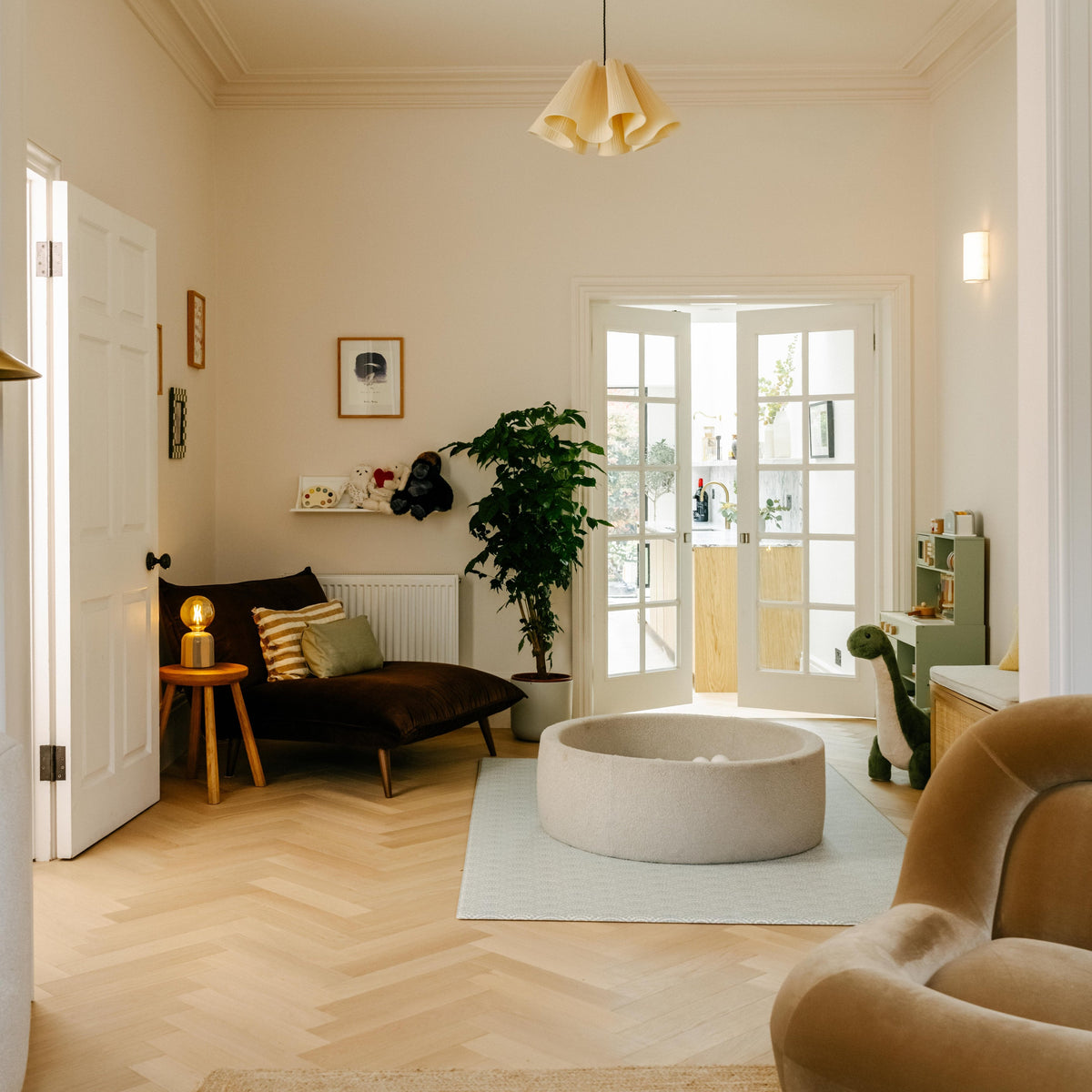
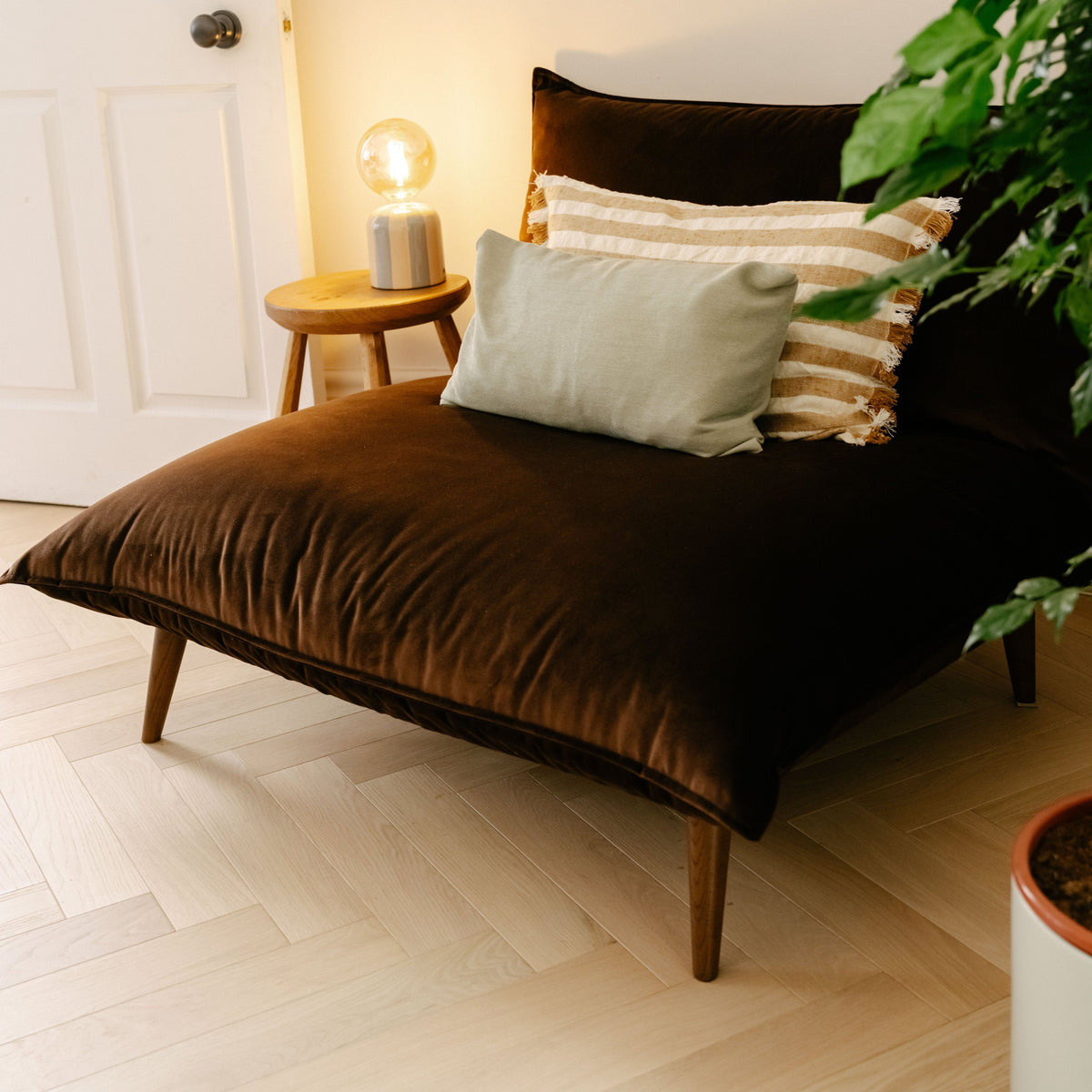
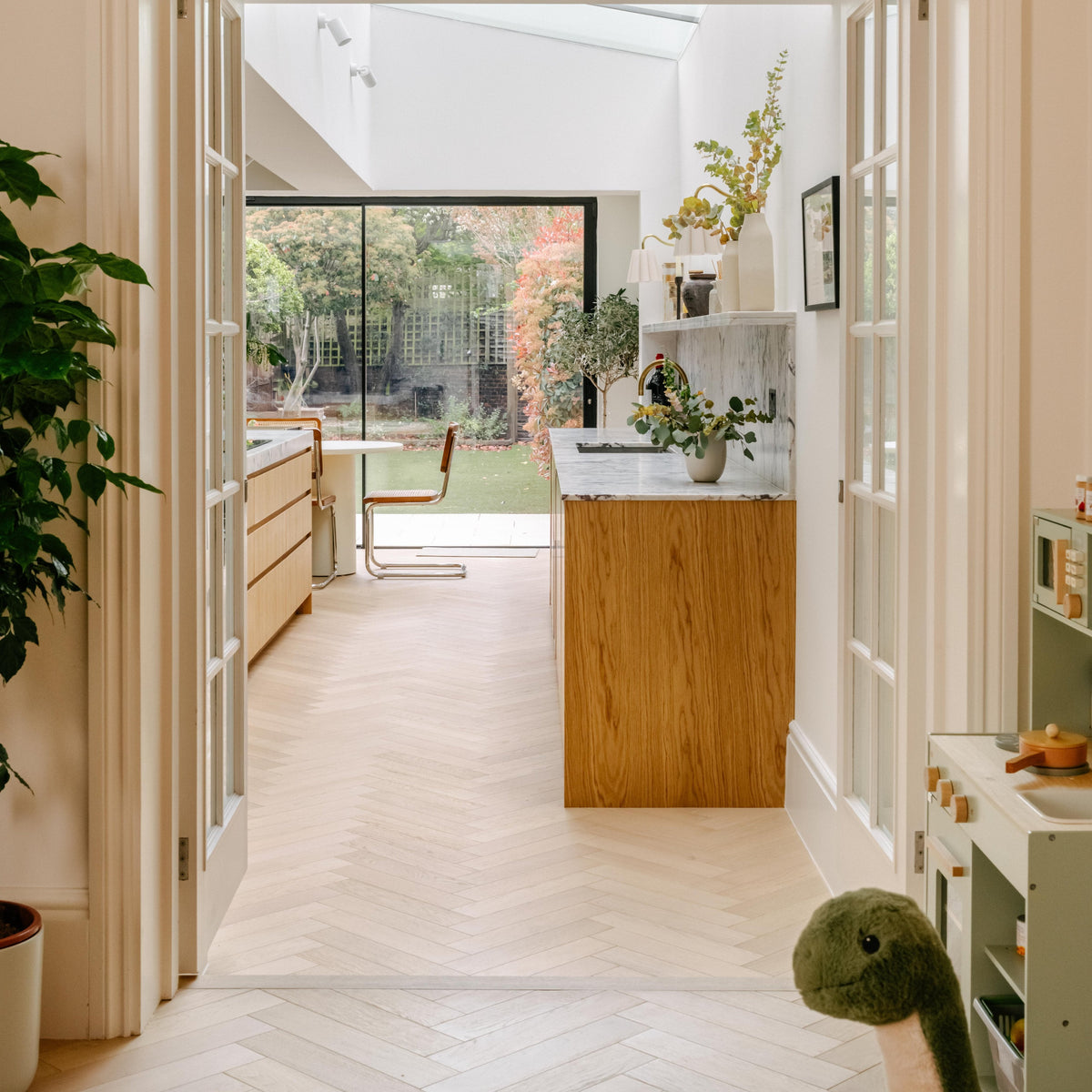
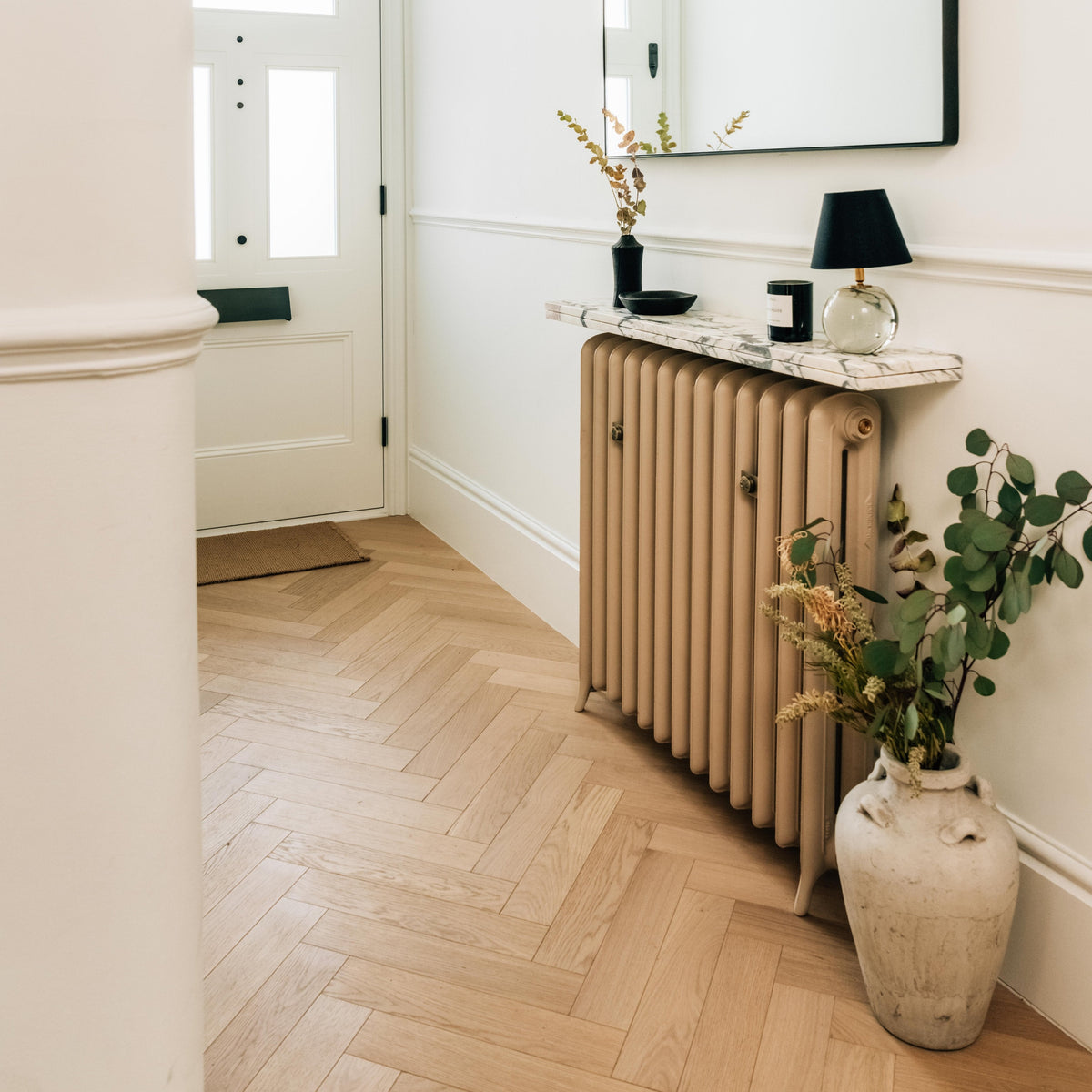
Summer Oak Herringbone Engineered
£41.99 per m²
£93.31 per m²
Save £51.32 per m²
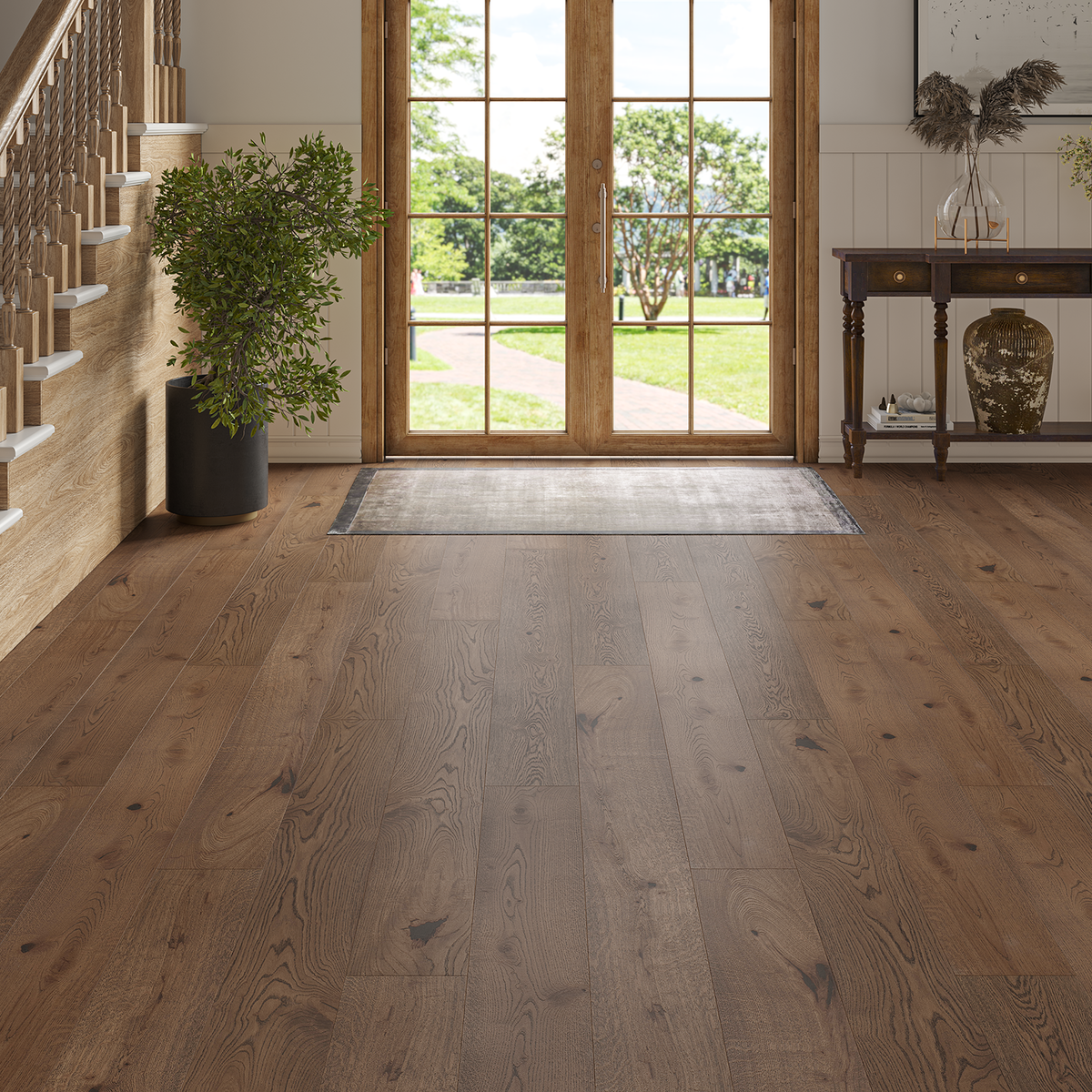
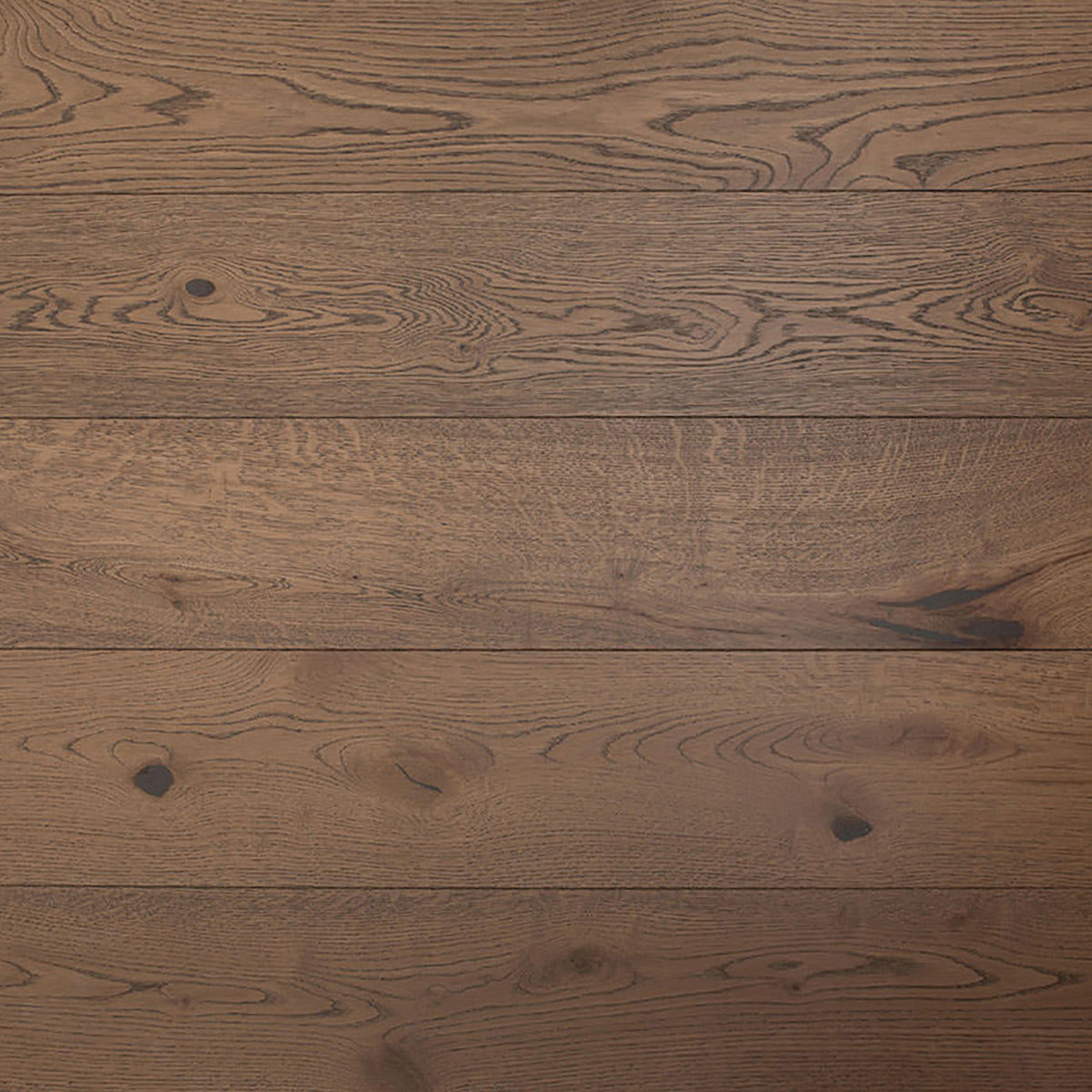
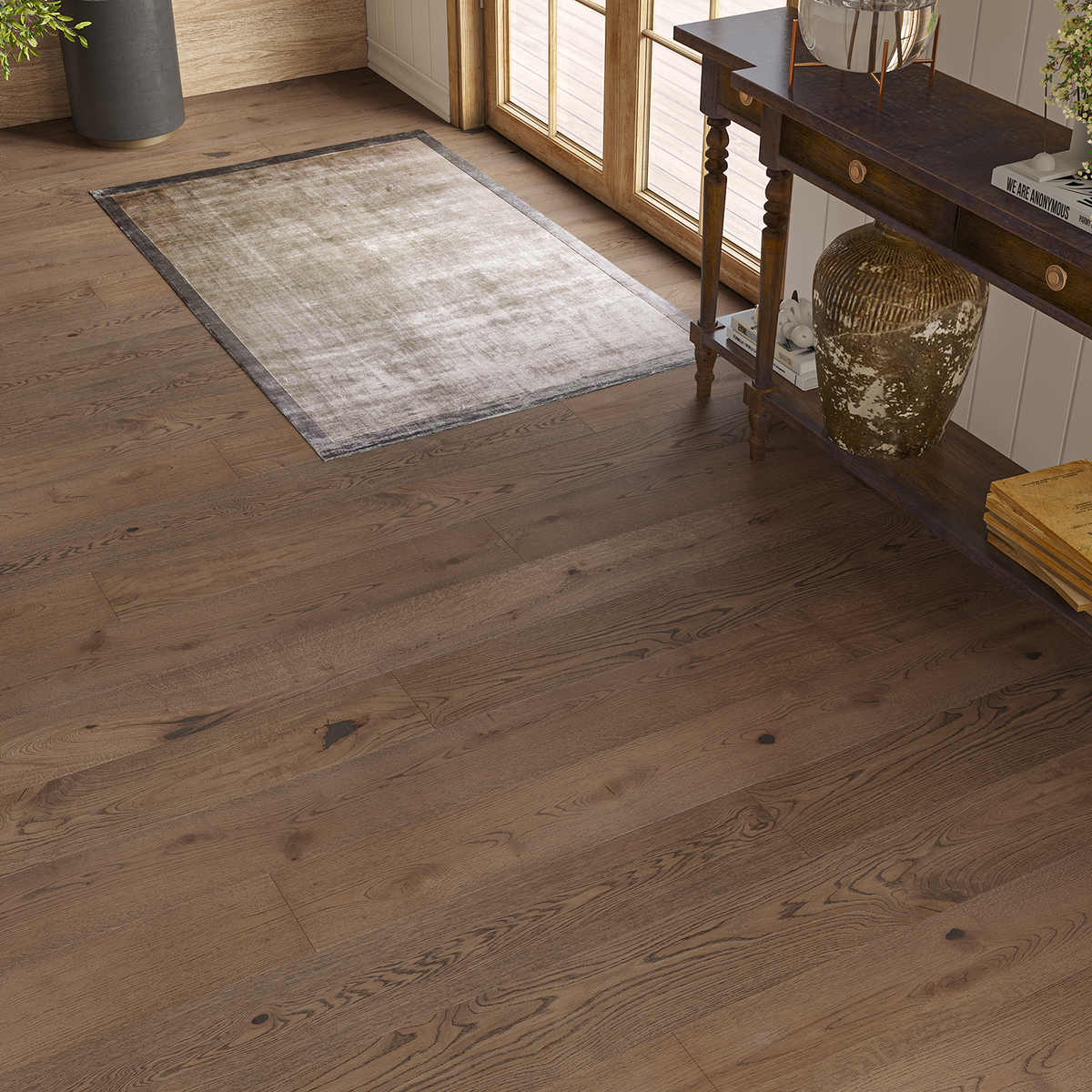
In Stock | Next Day Delivery
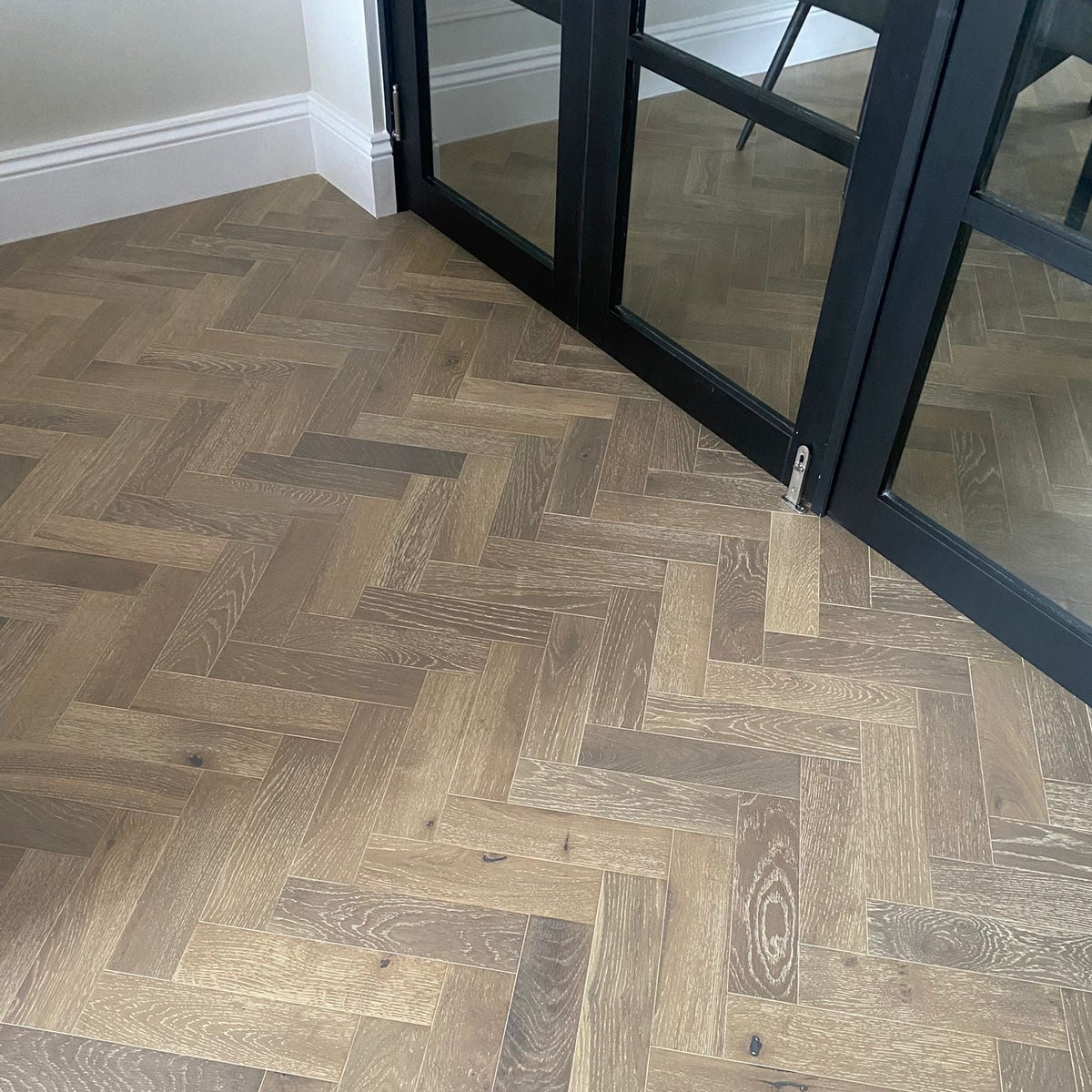
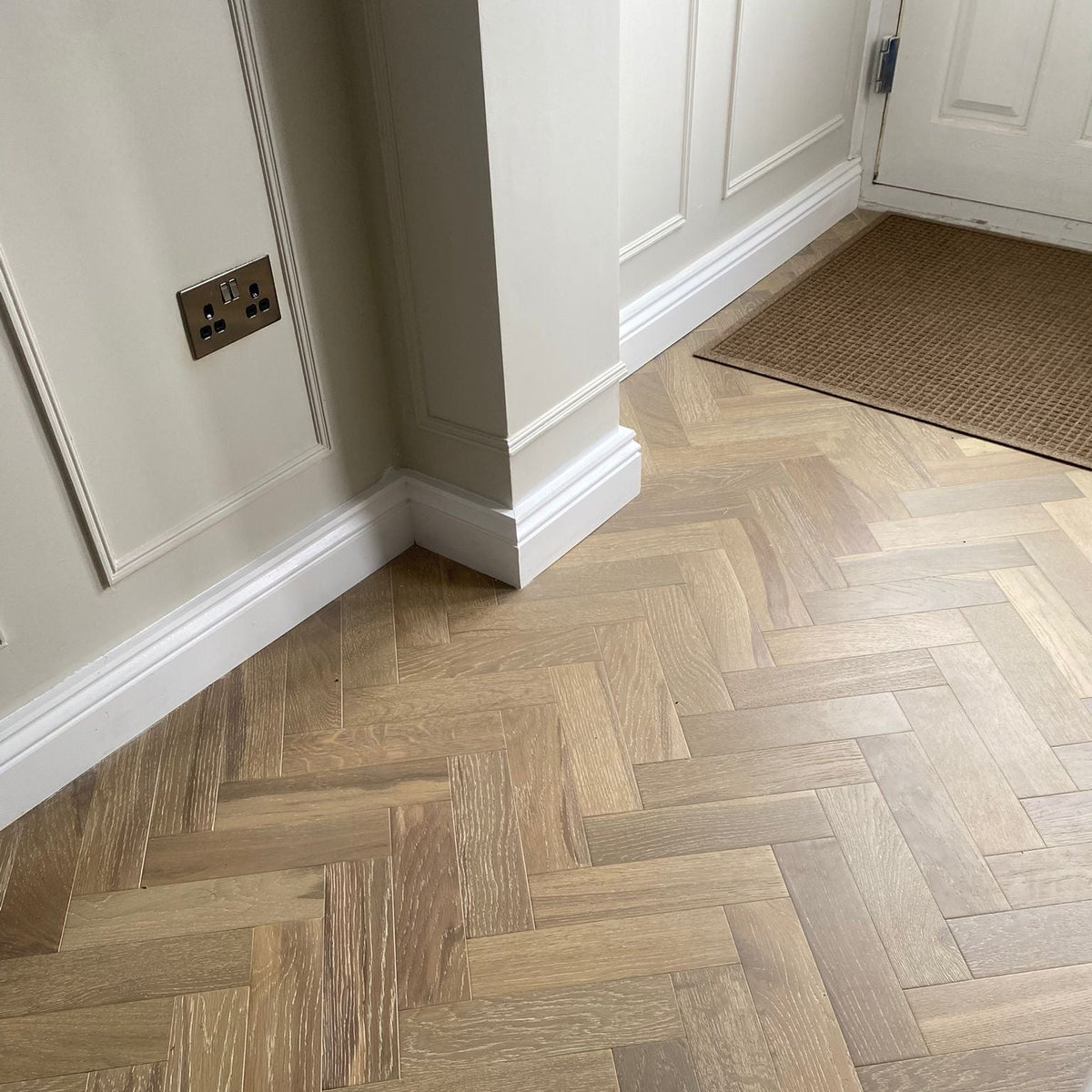
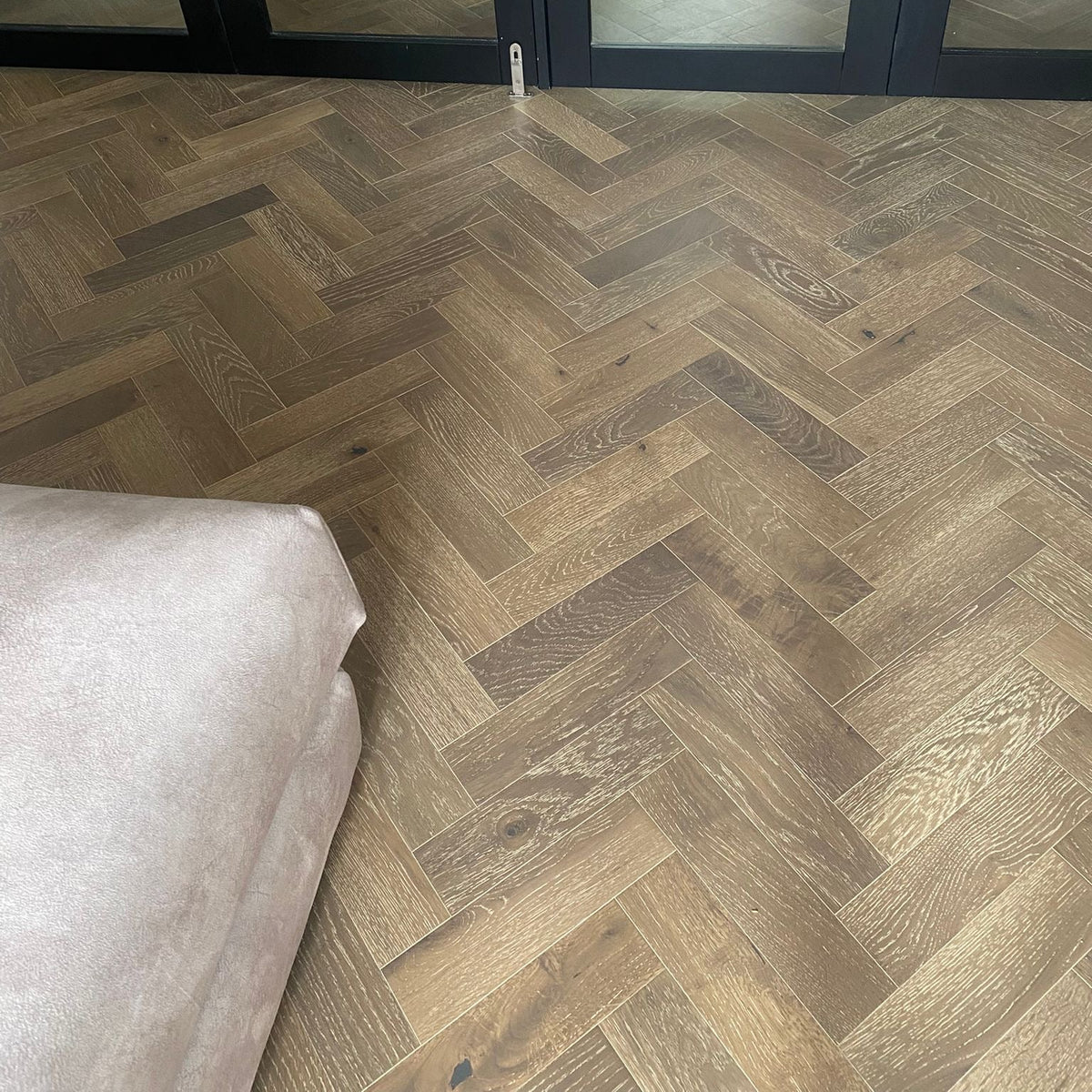
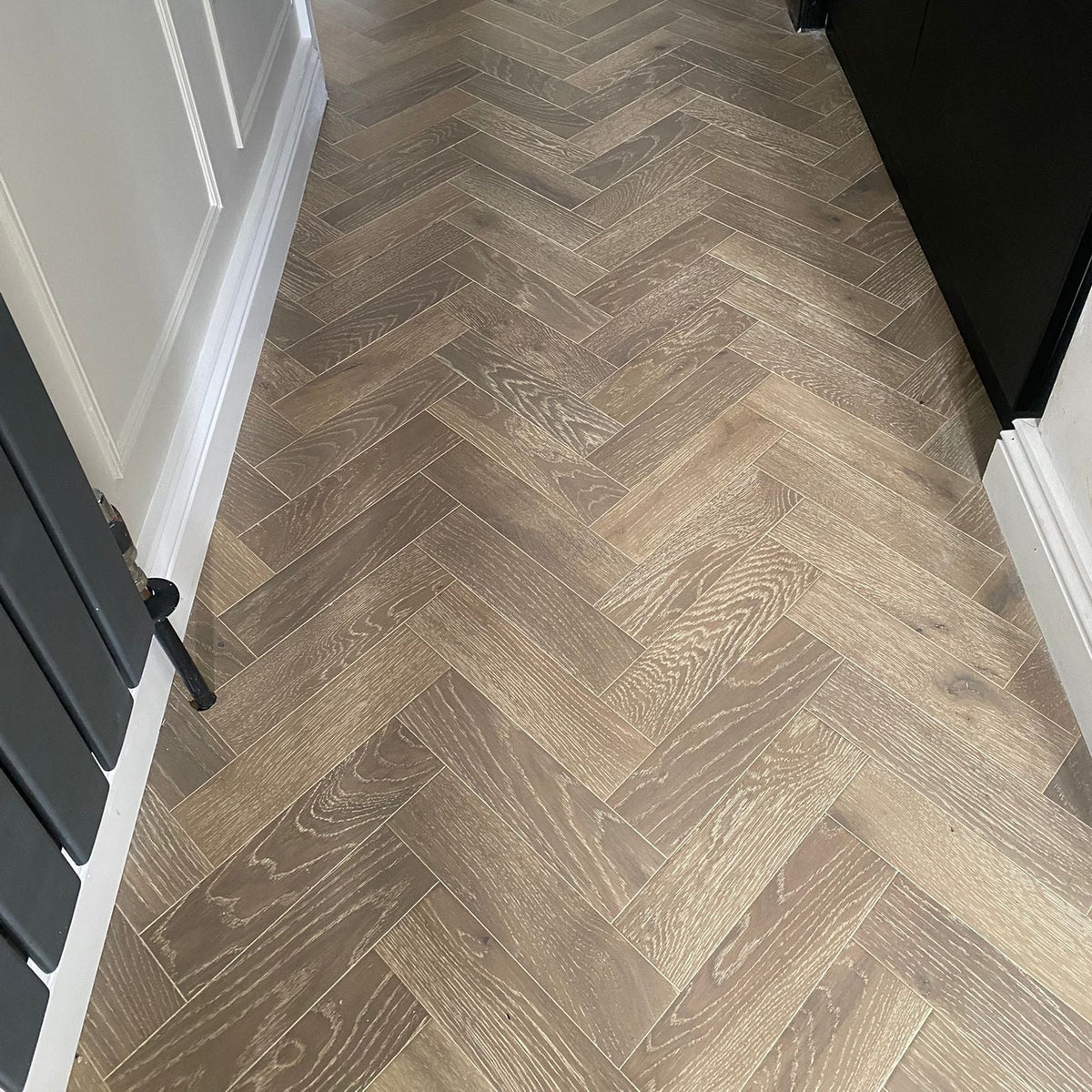
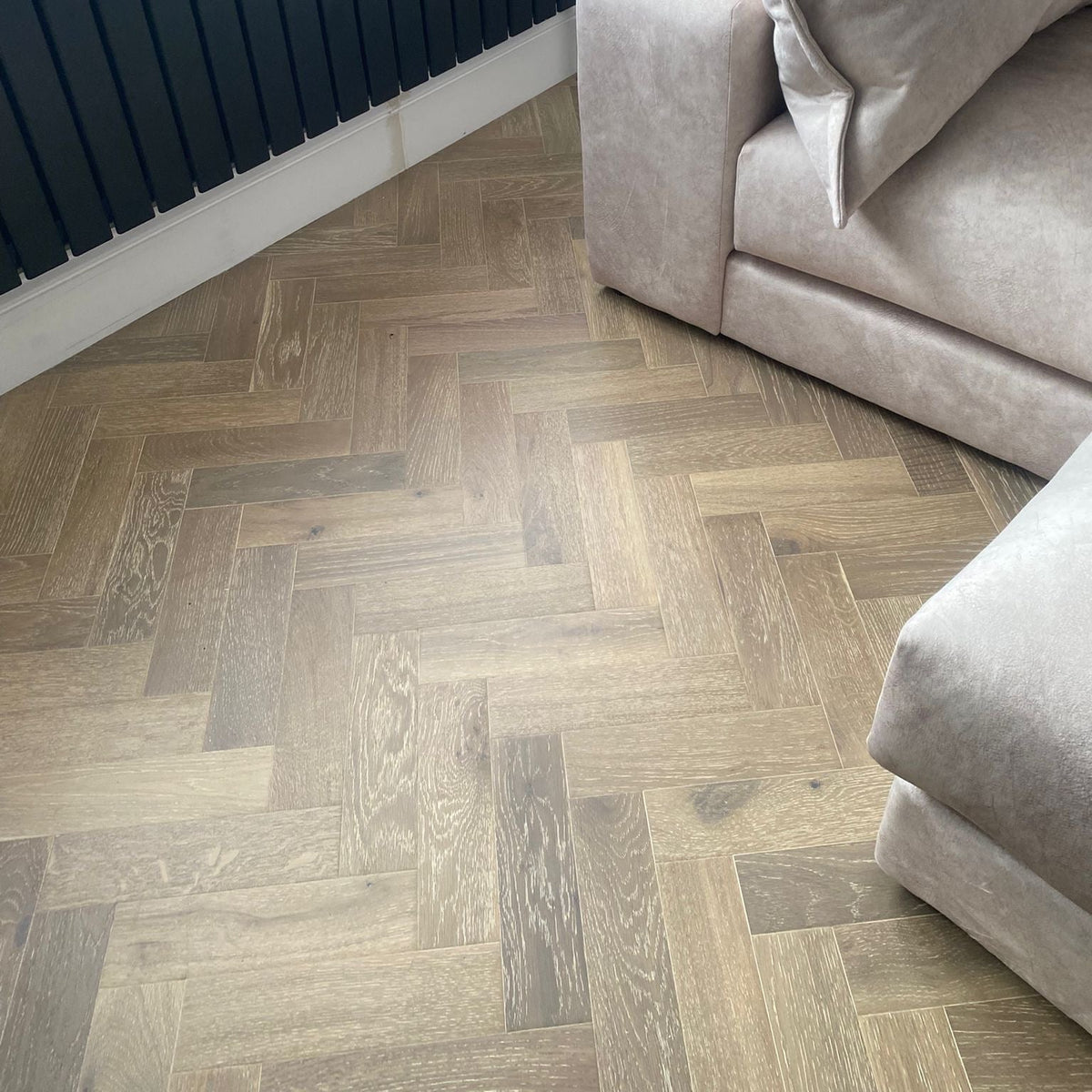
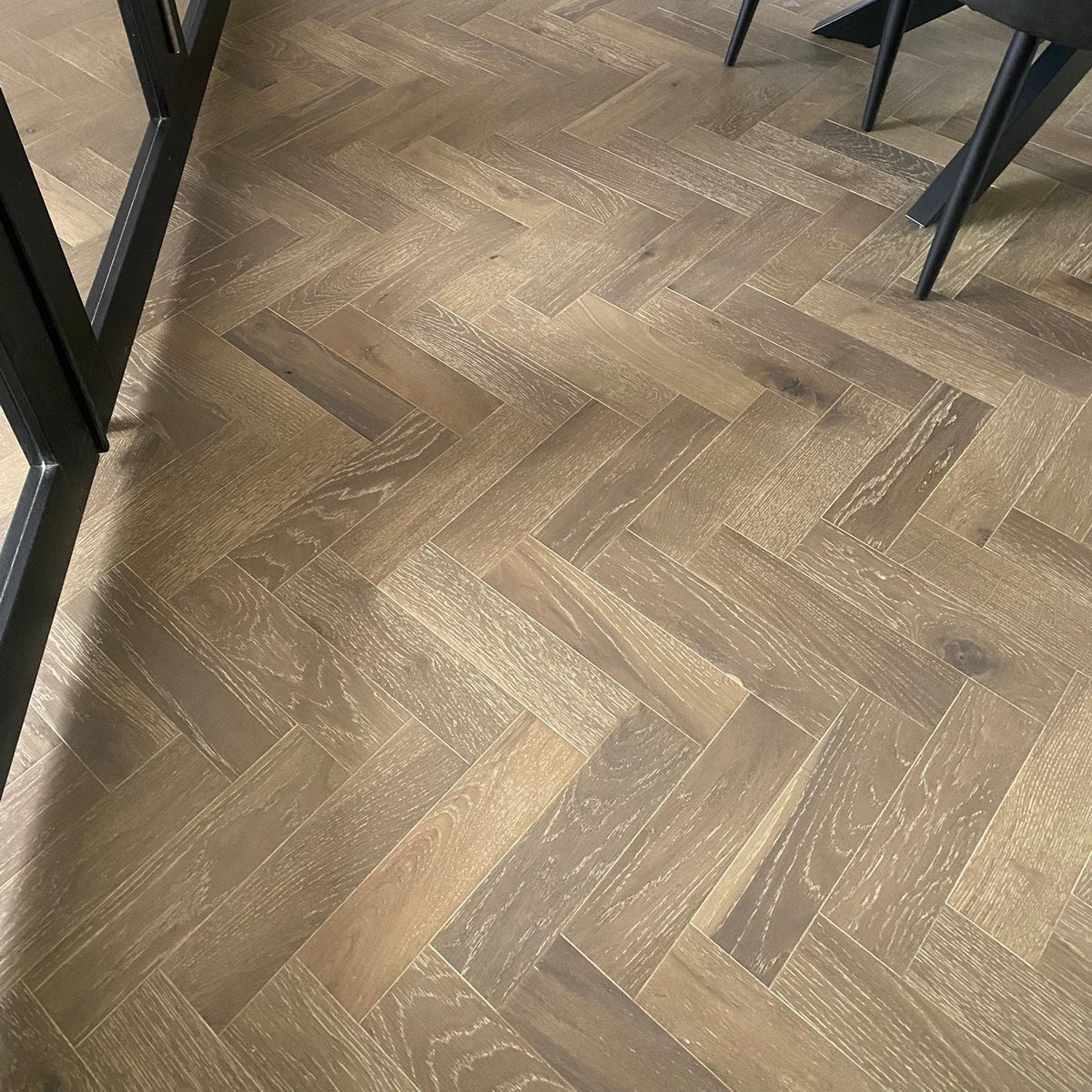
Willow Oak Straight Engineered
£36.00 per m²
£79.99 per m²
Save £43.99 per m²
In Stock | Next Day Delivery
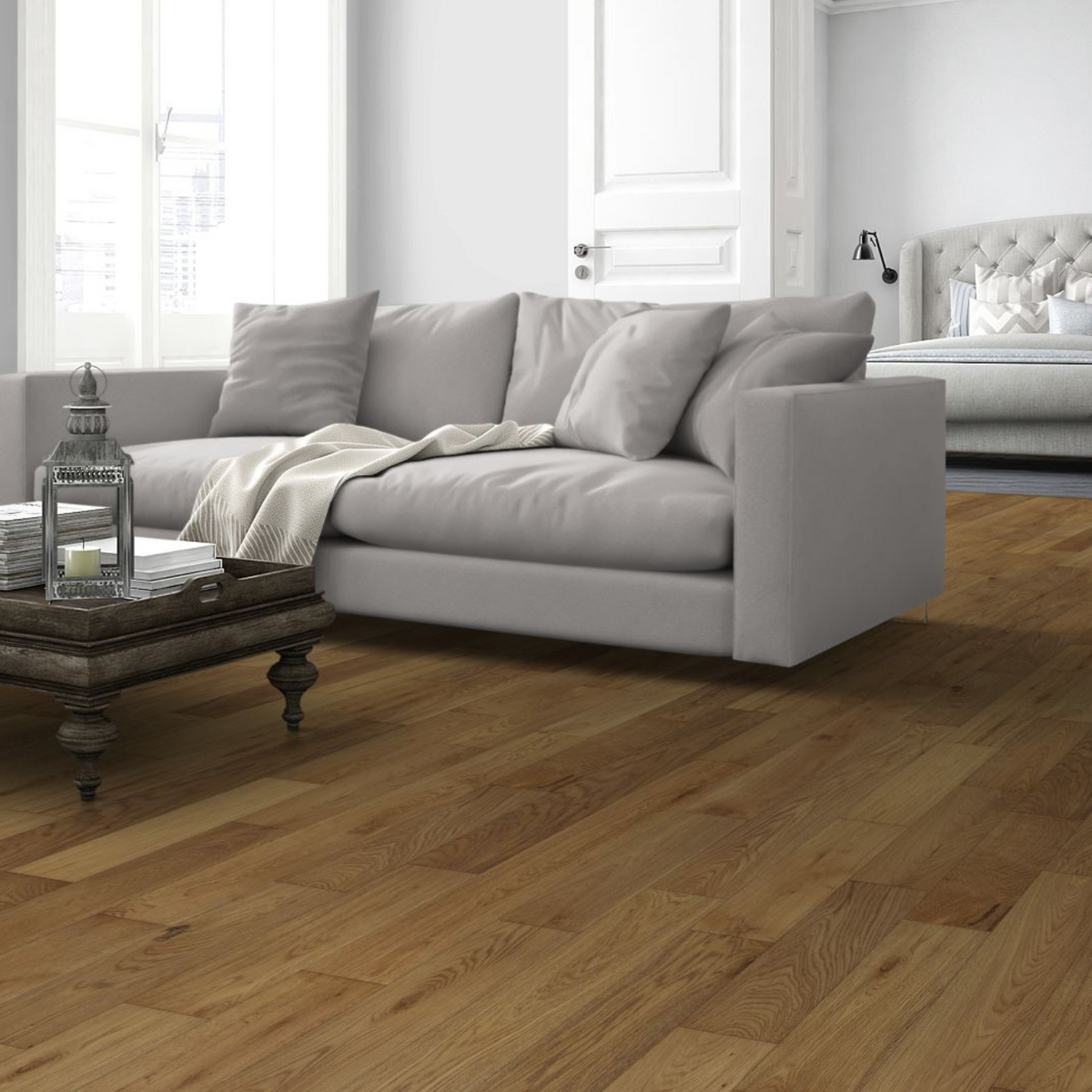
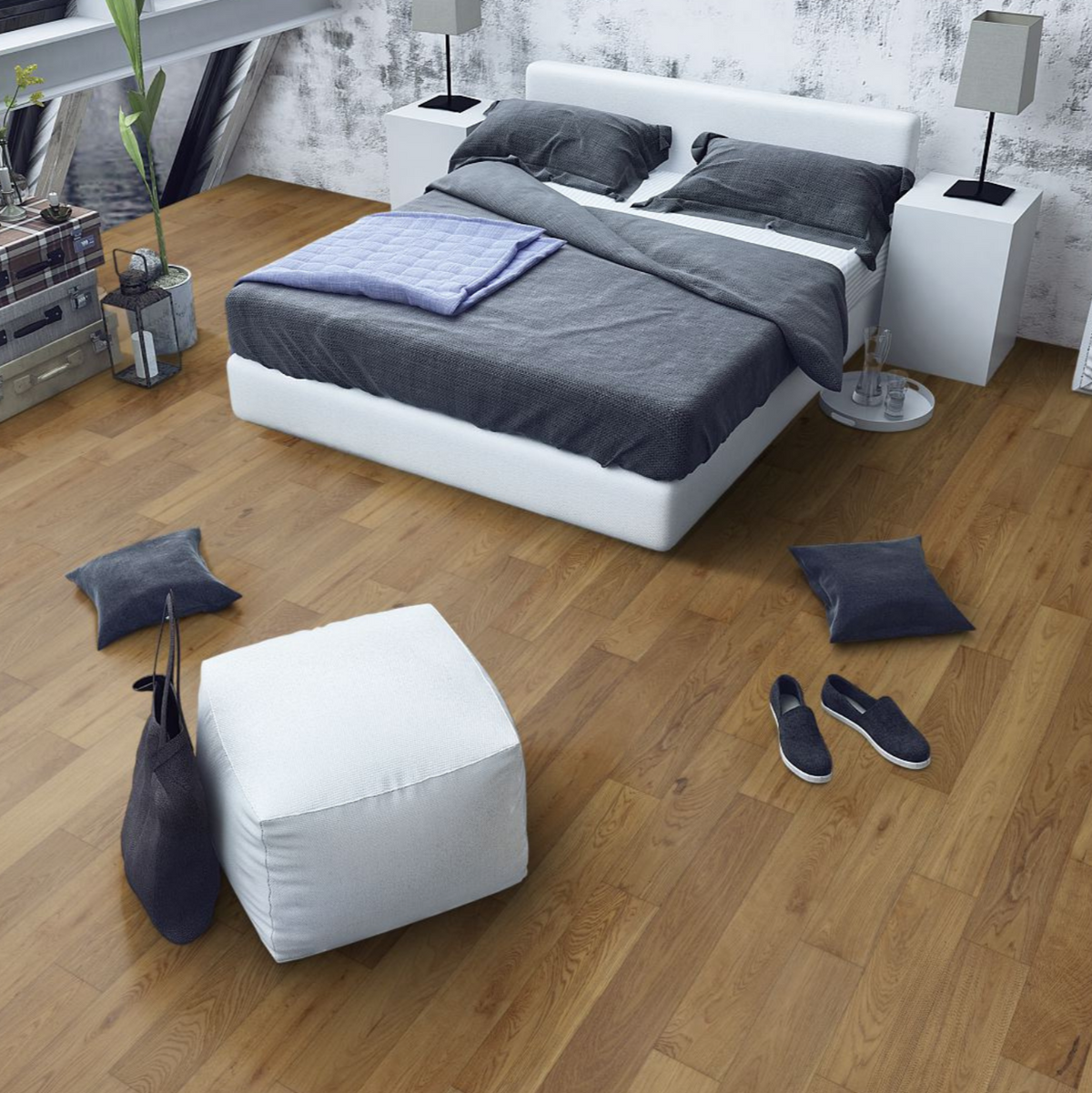
Dahlia Oak Herringbone Engineered
£29.25 per m²
£64.99 per m²
Save £35.74 per m²


In Stock | Next Day Delivery
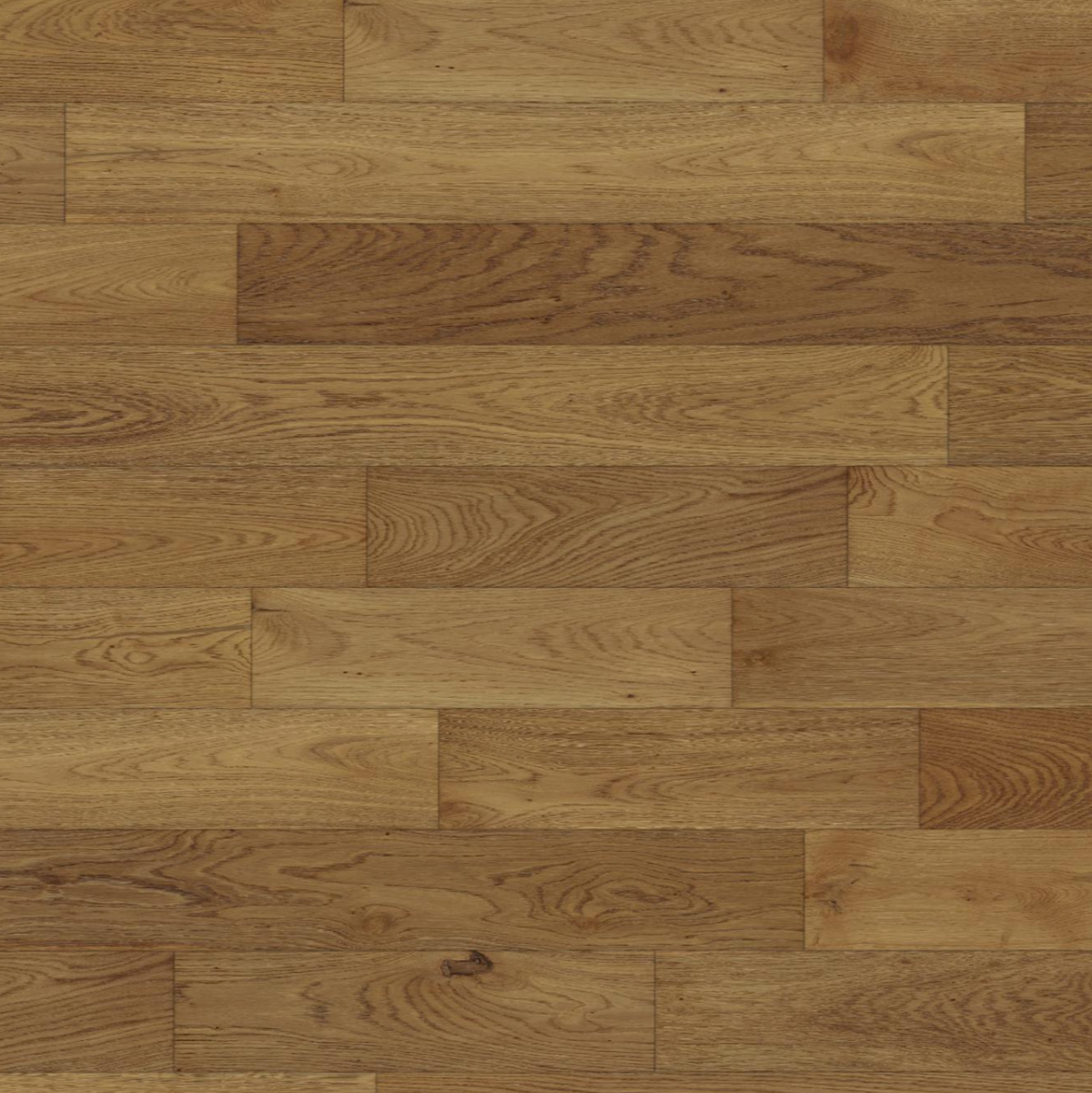
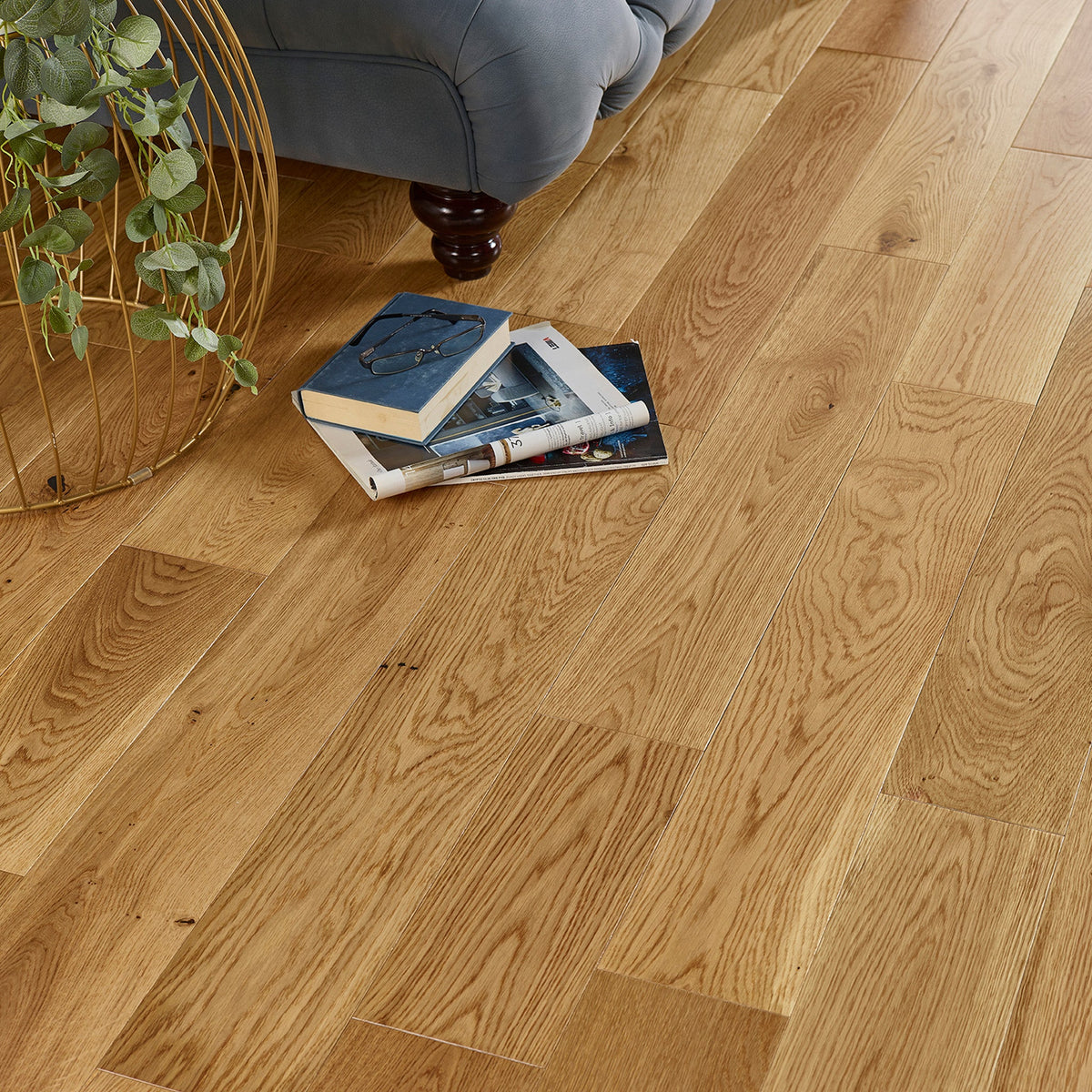
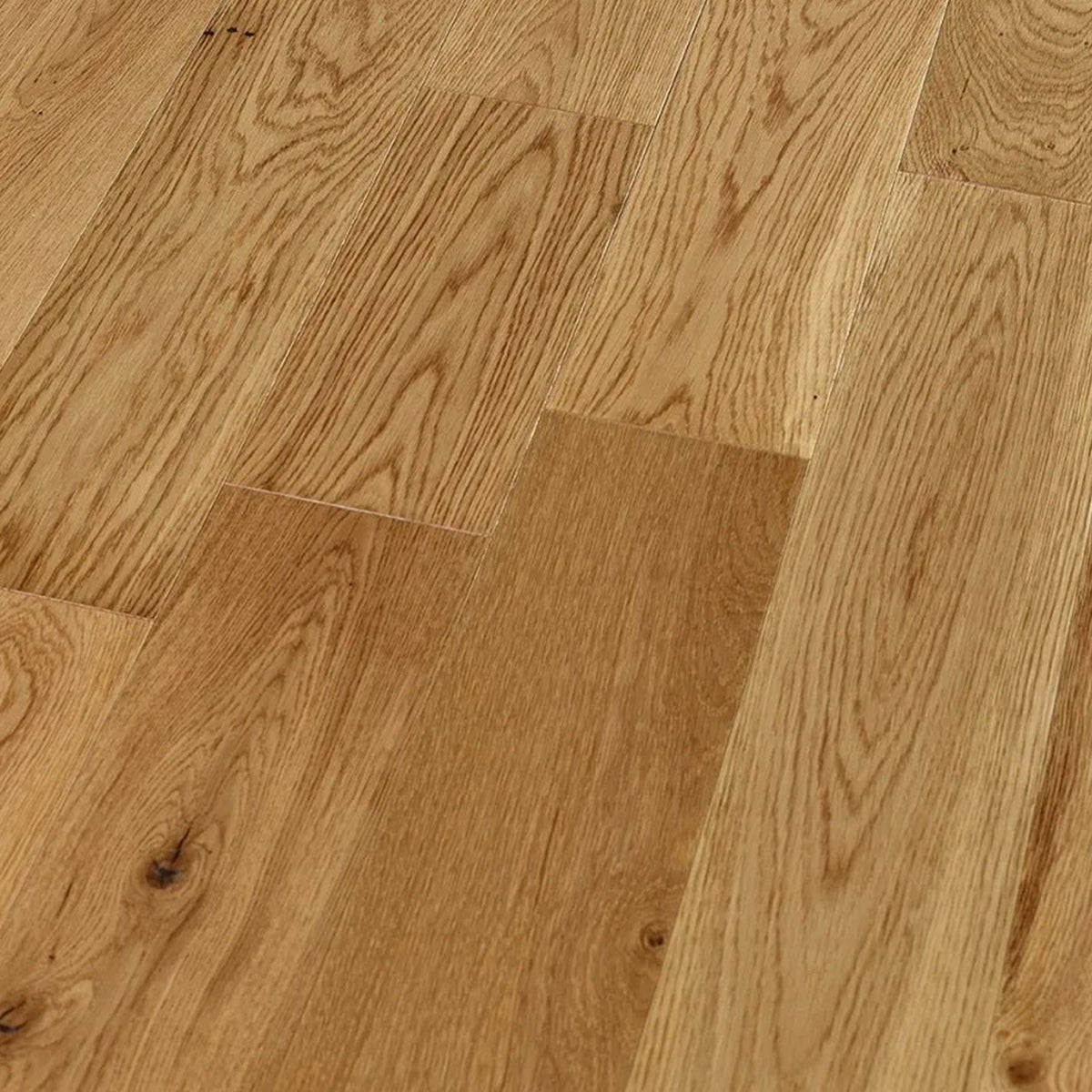
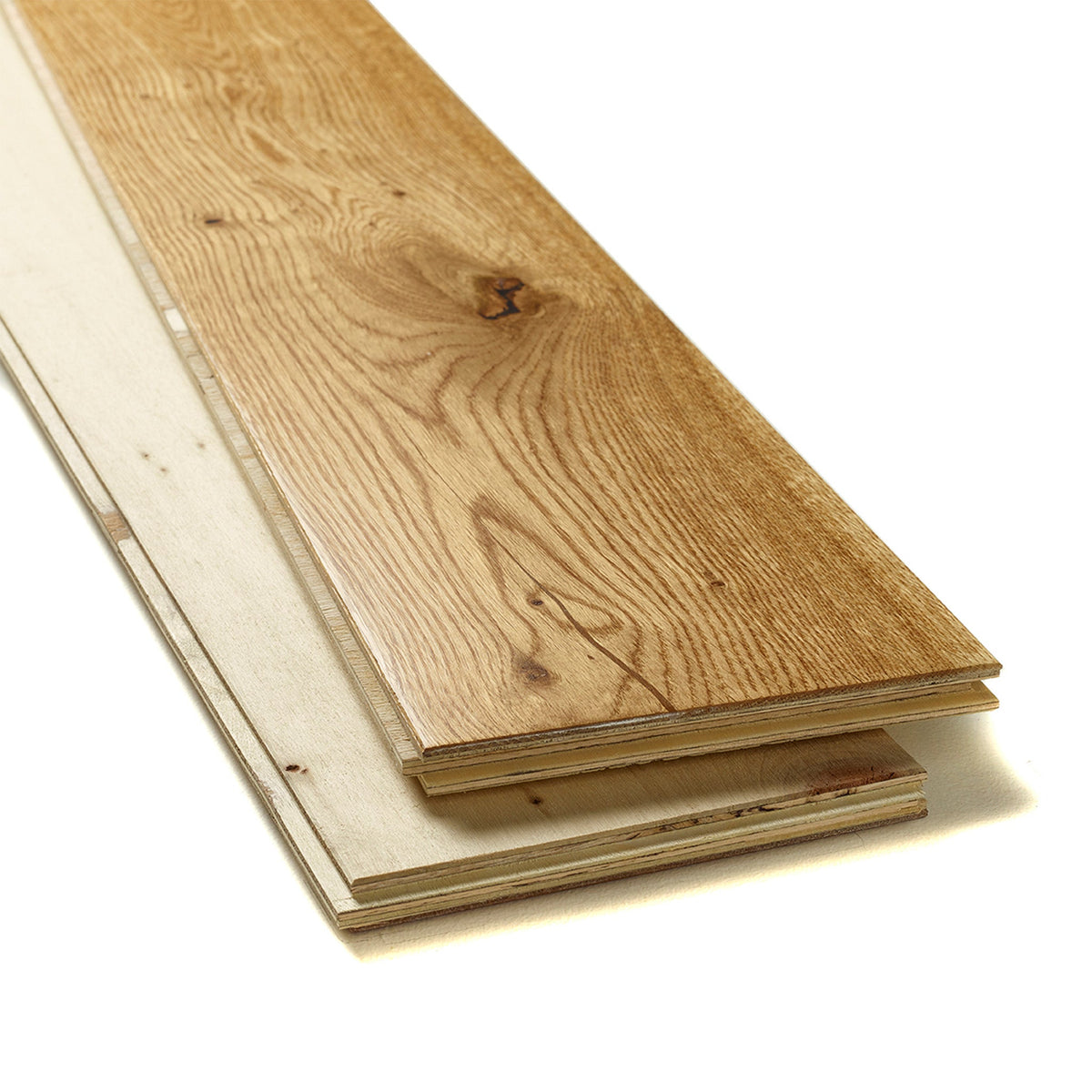
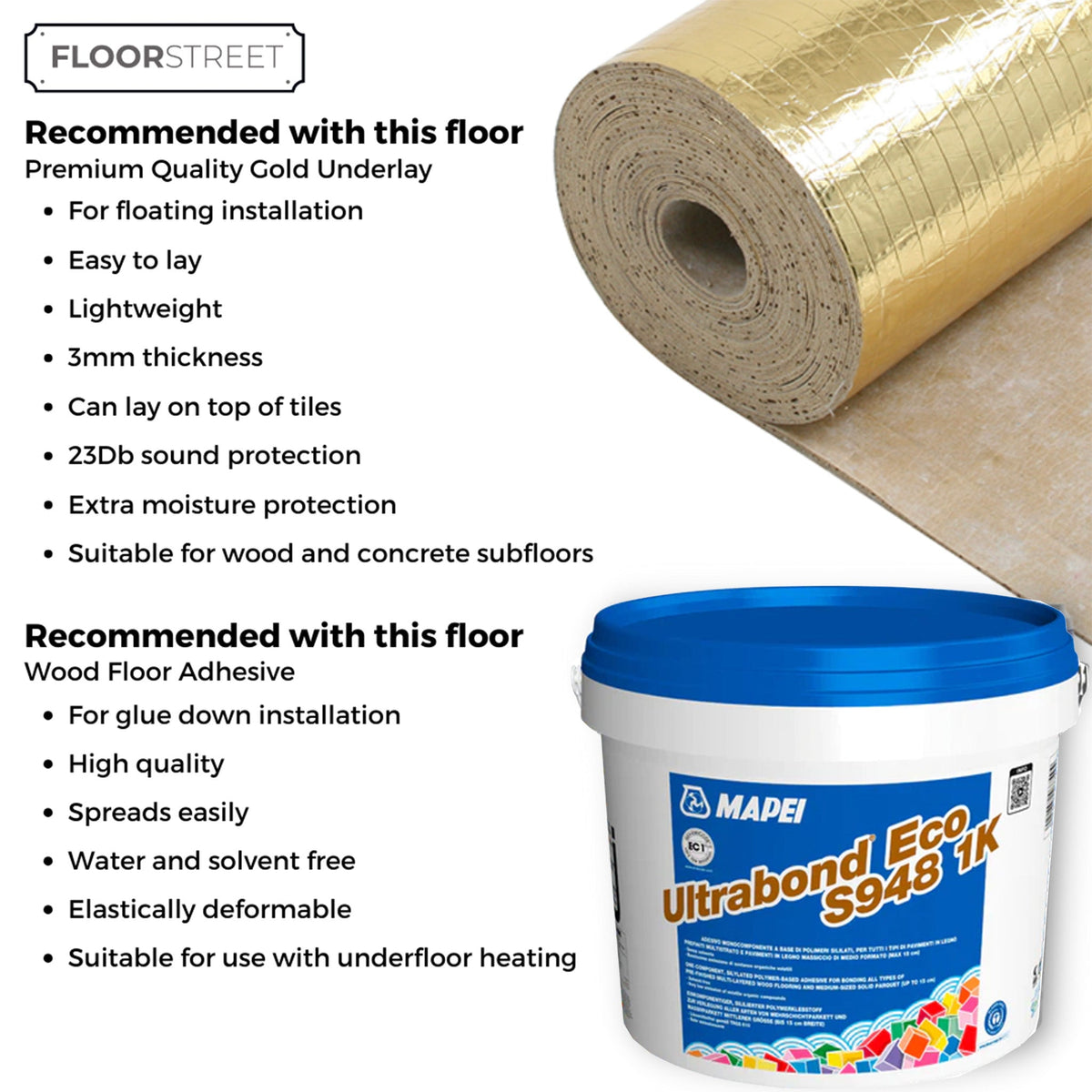
Toffee Oak 14/3 x 150mm Straight Engineered
£44.37 per m²
£98.60 per m²
Save £54.23 per m²
In Stock | Next Day Delivery
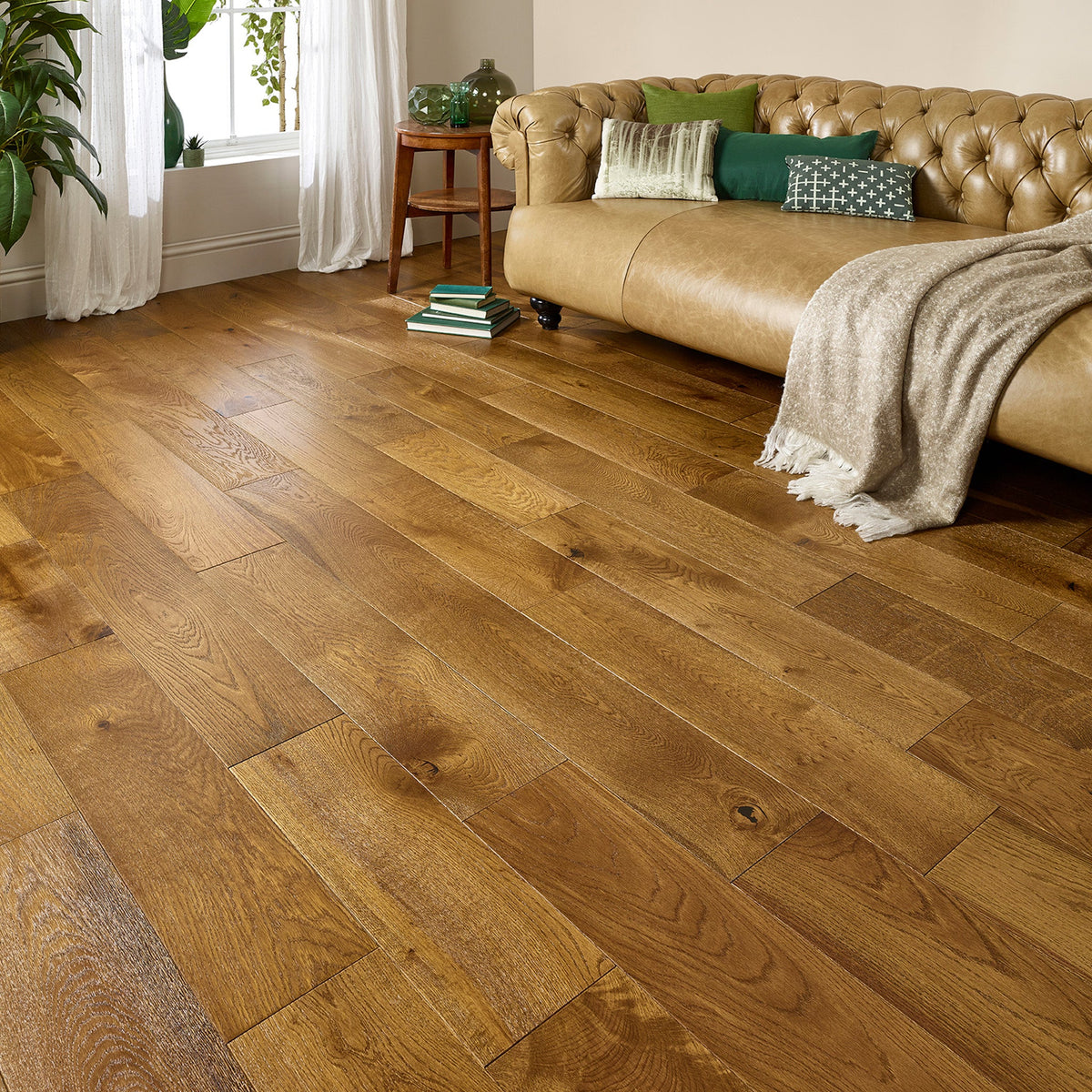
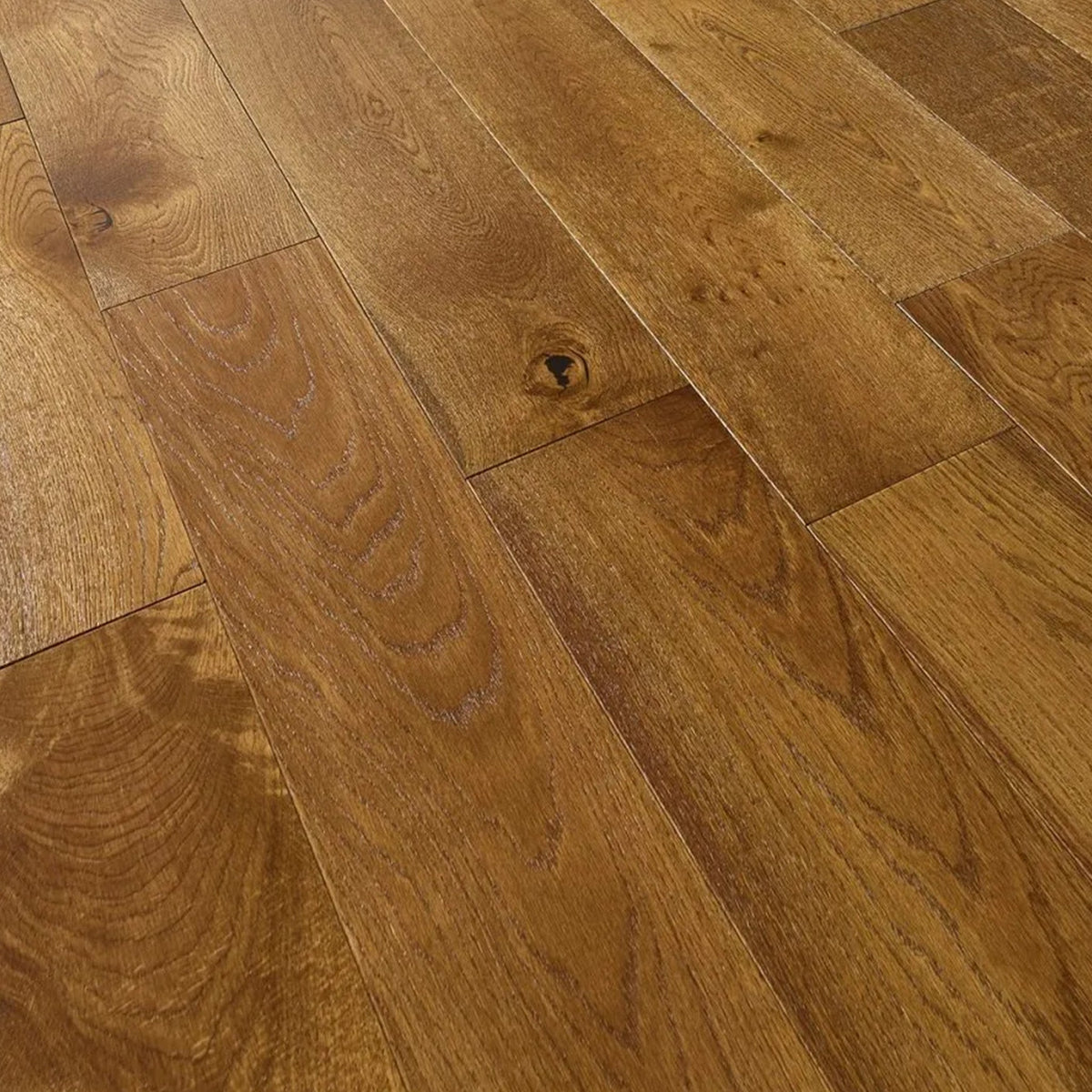
UV Lacquered 14/3 x 150mm Straight Engineered
£41.40 per m²
£91.99 per m²
Save £50.59 per m²
In Stock | Next Day Delivery
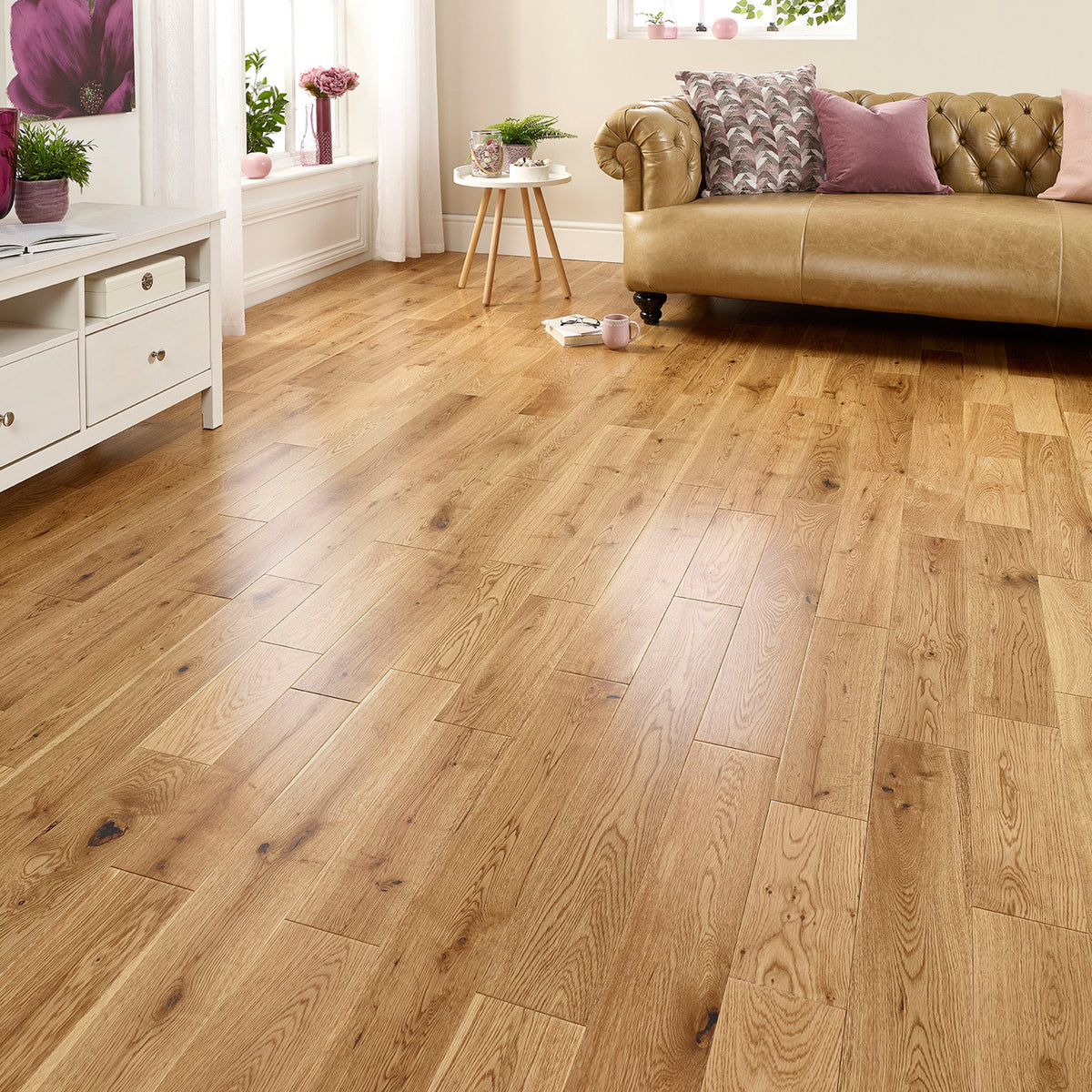
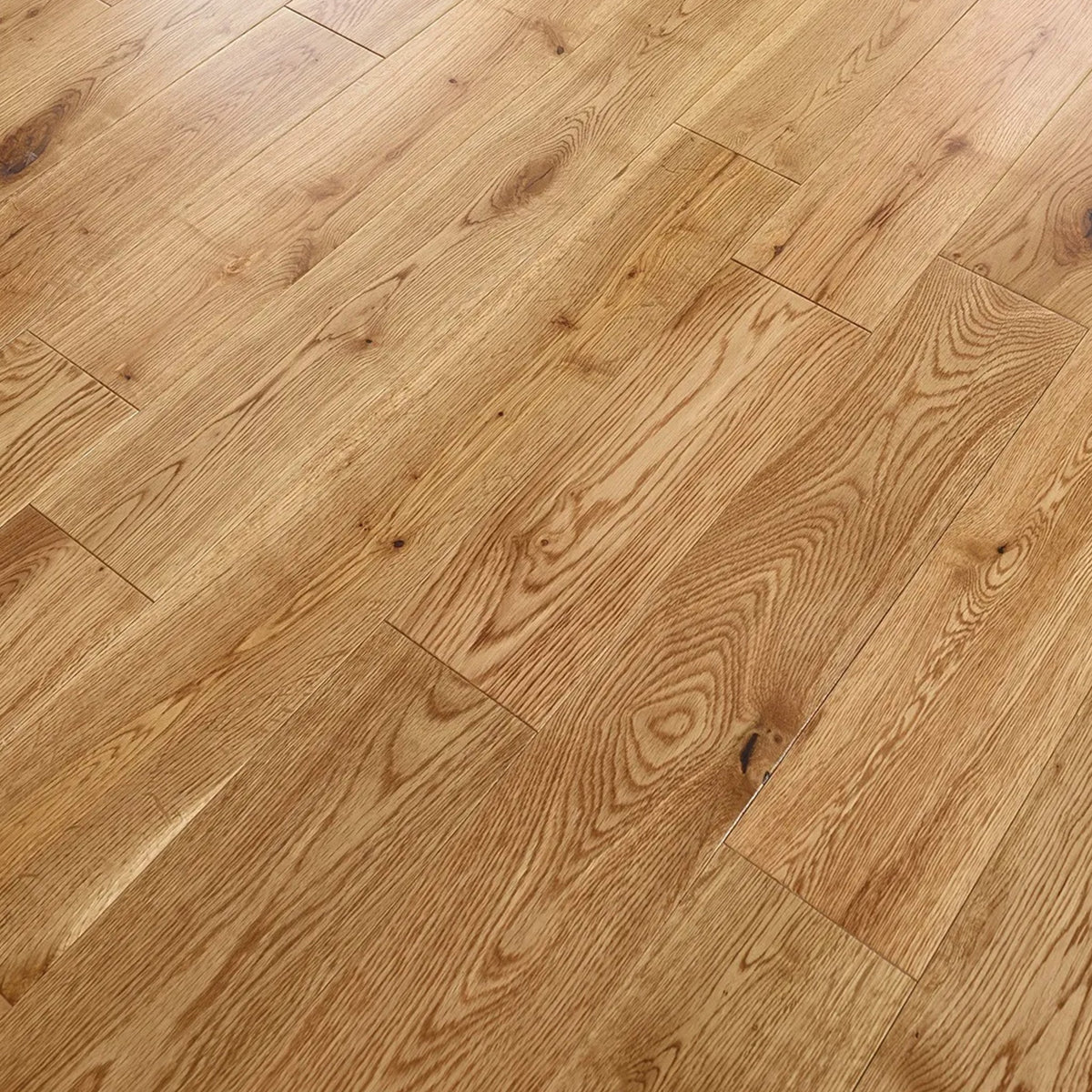
Golden Brushed & Lacquered 14/3 x 190mm Straight Engineered
£44.99 per m²
£99.98 per m²
Save £54.99 per m²
In Stock | Next Day Delivery
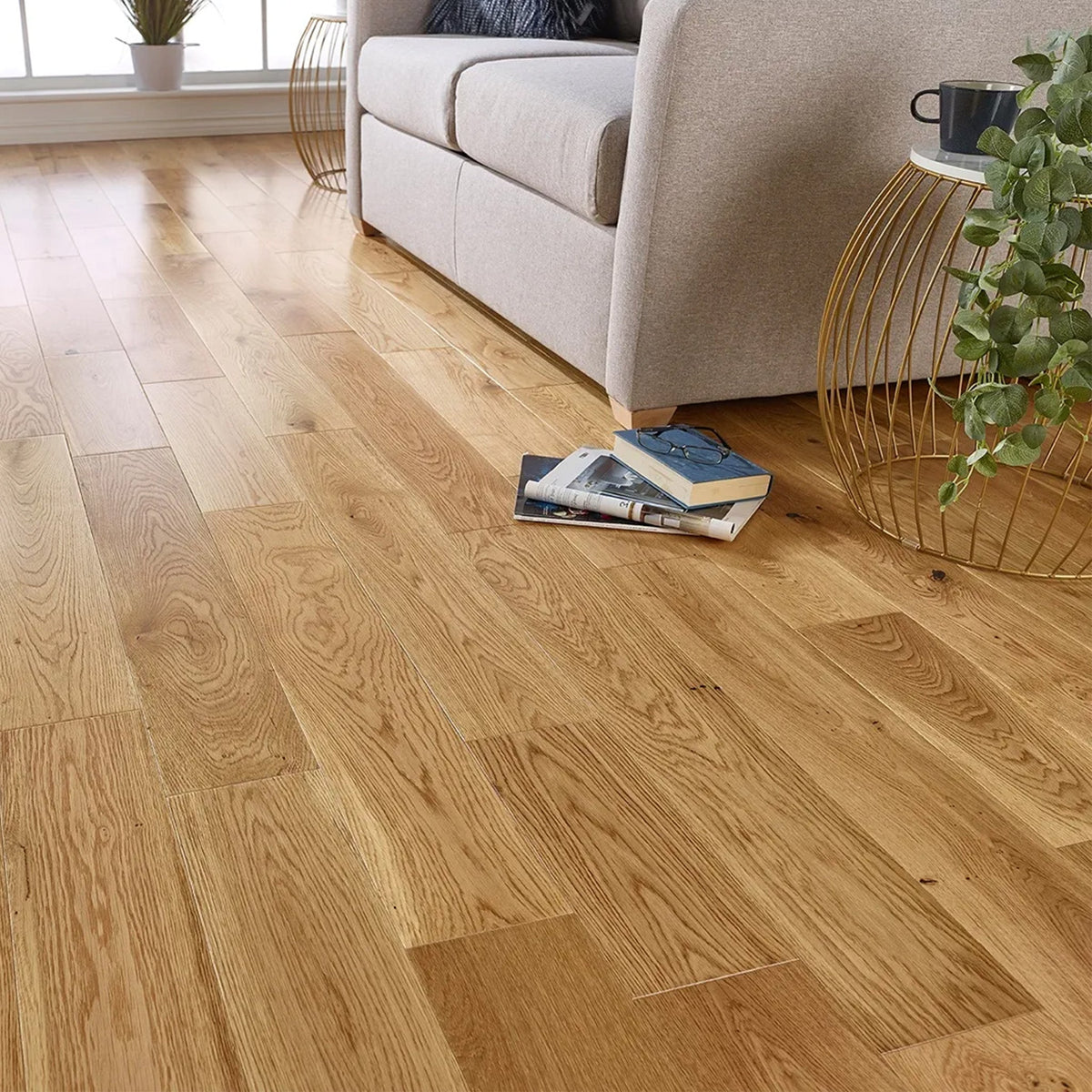
Natural Lacquered 14/3 x 125mm Straight Engineered
£40.50 per m²
£89.99 per m²
Save £49.49 per m²
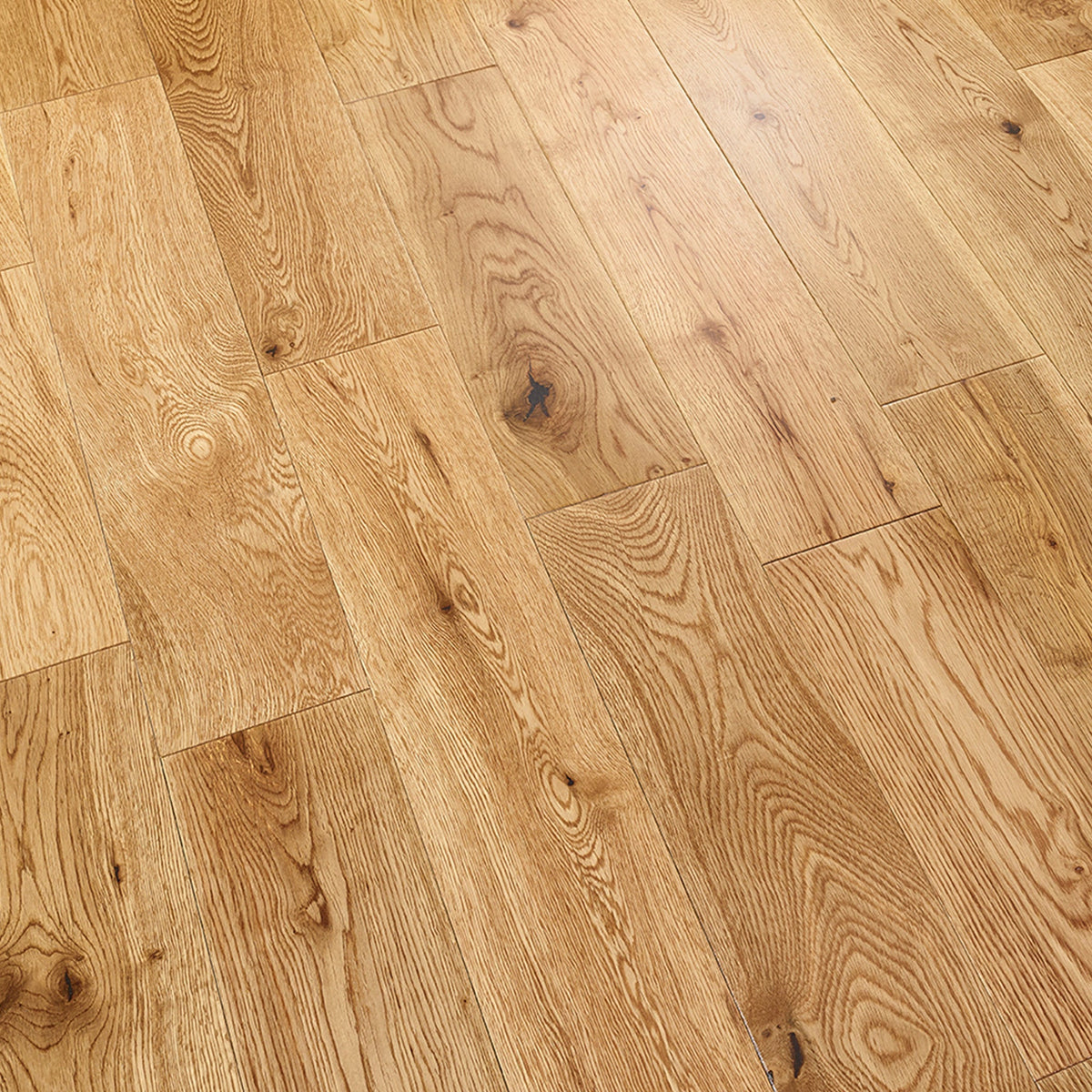
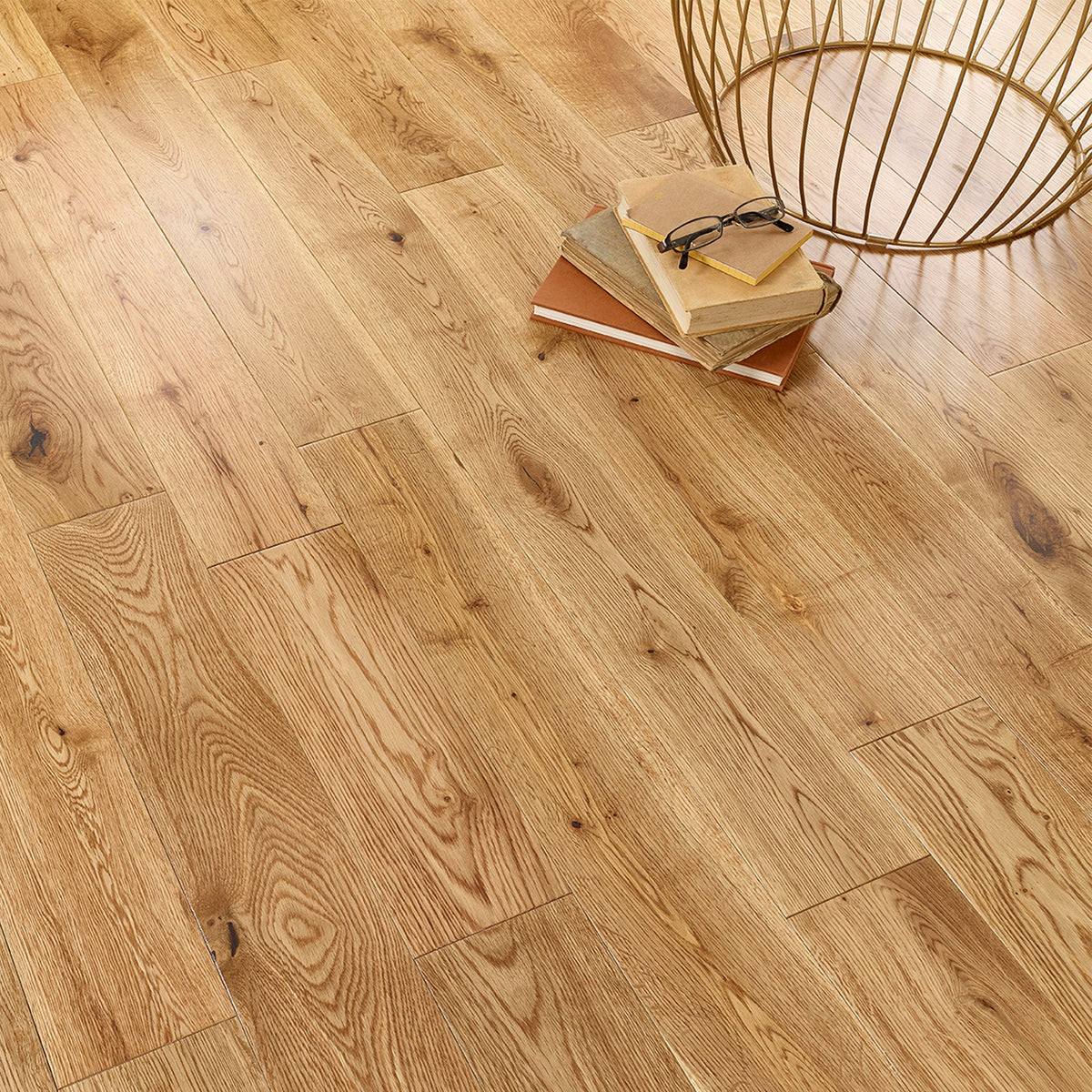
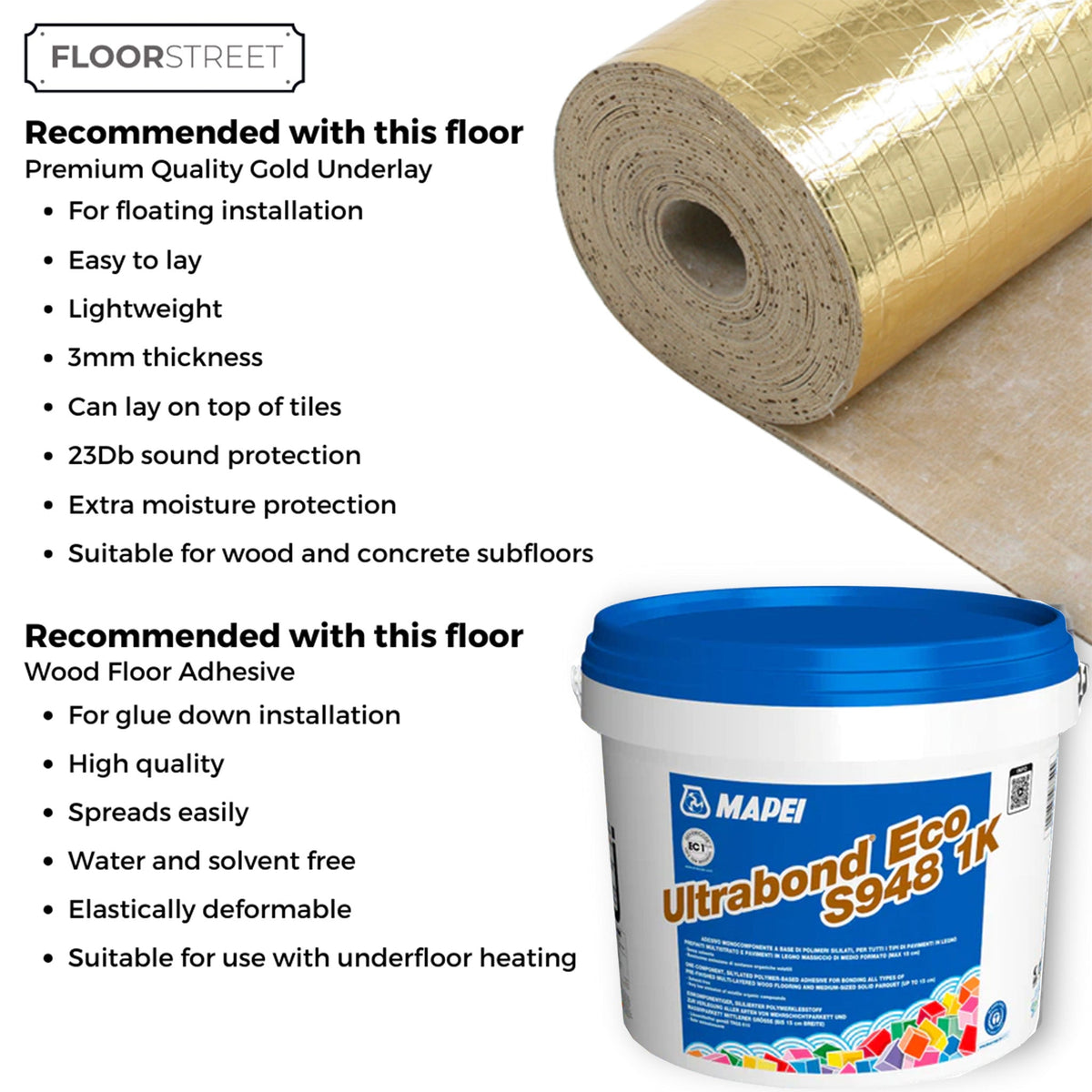
In Stock | Next Day Delivery
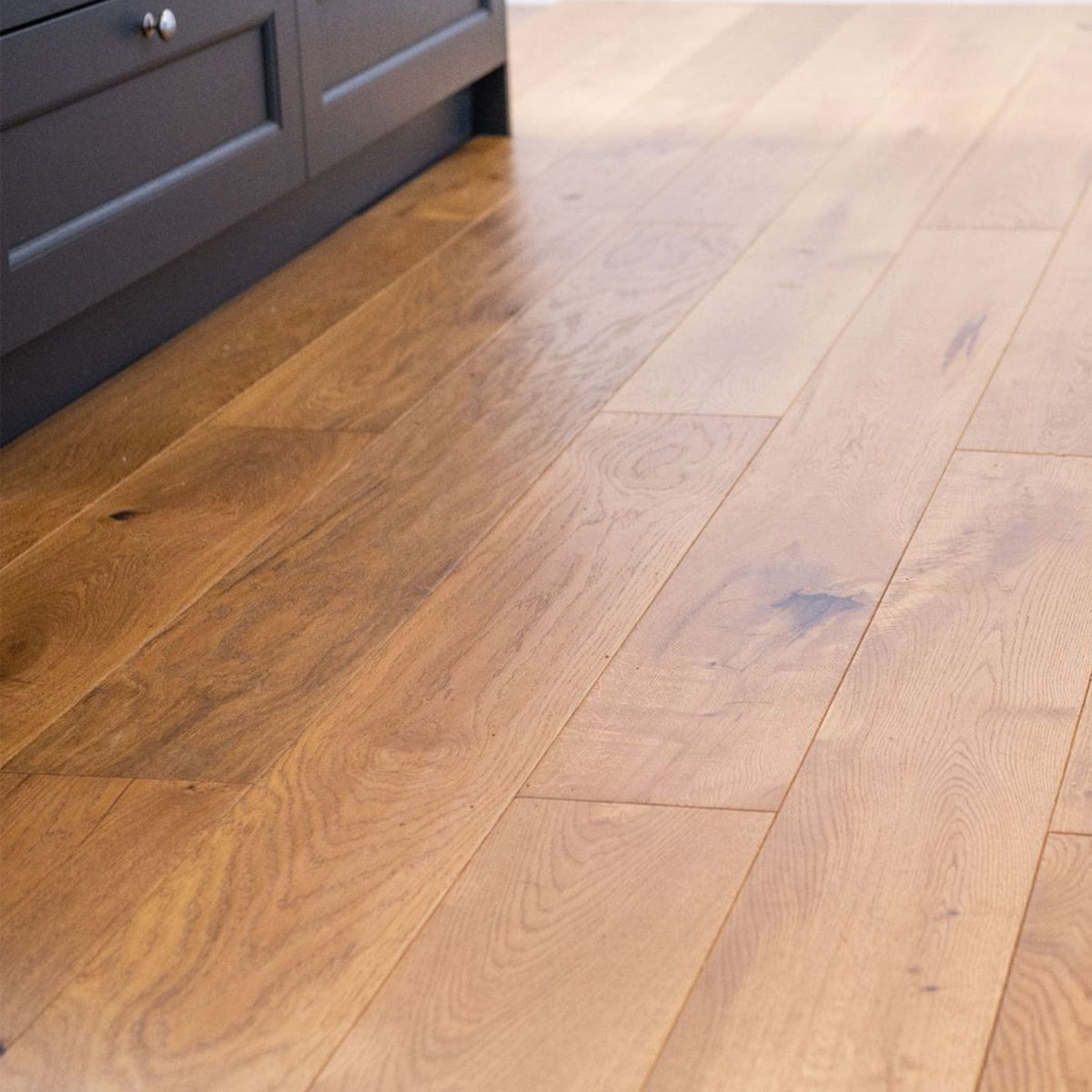
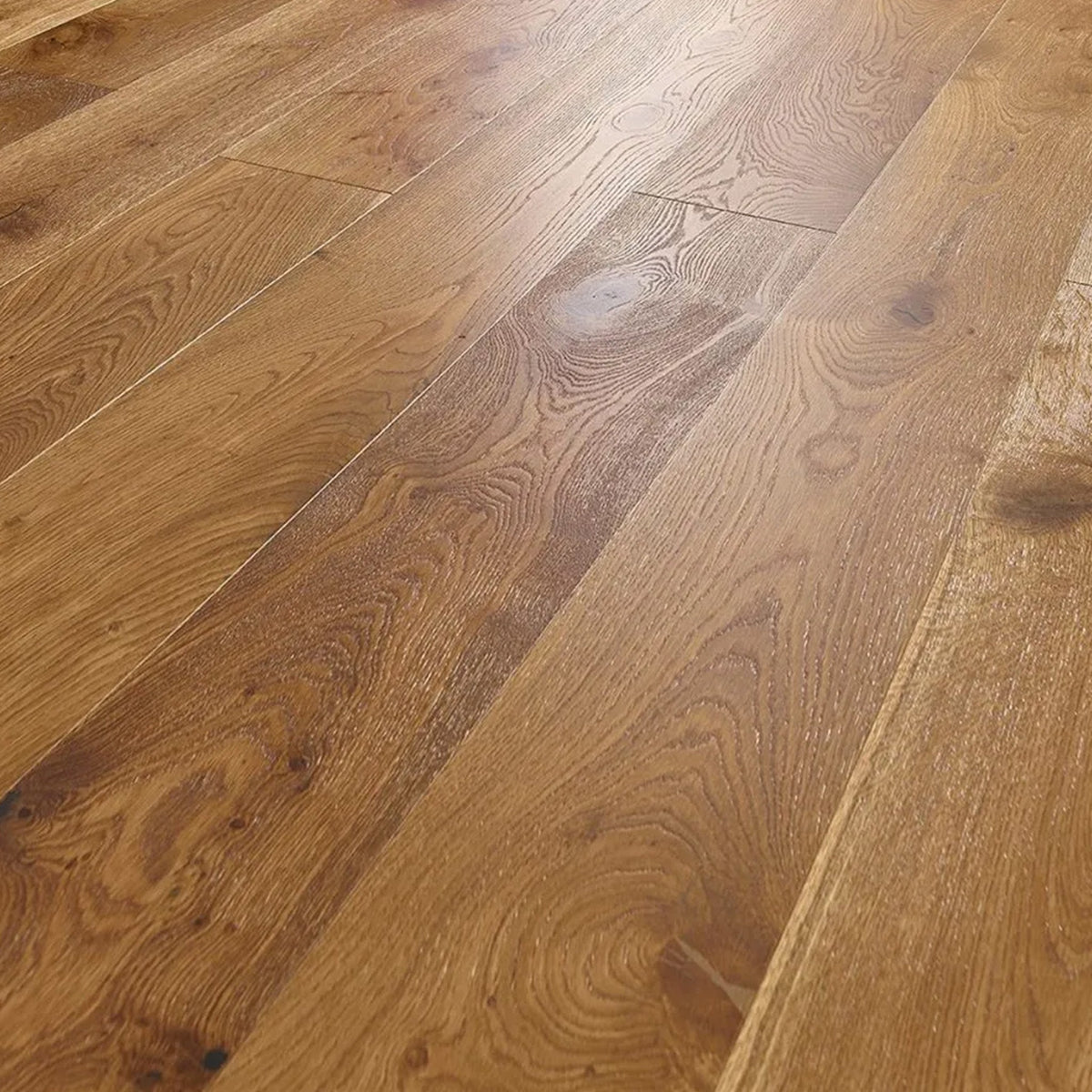
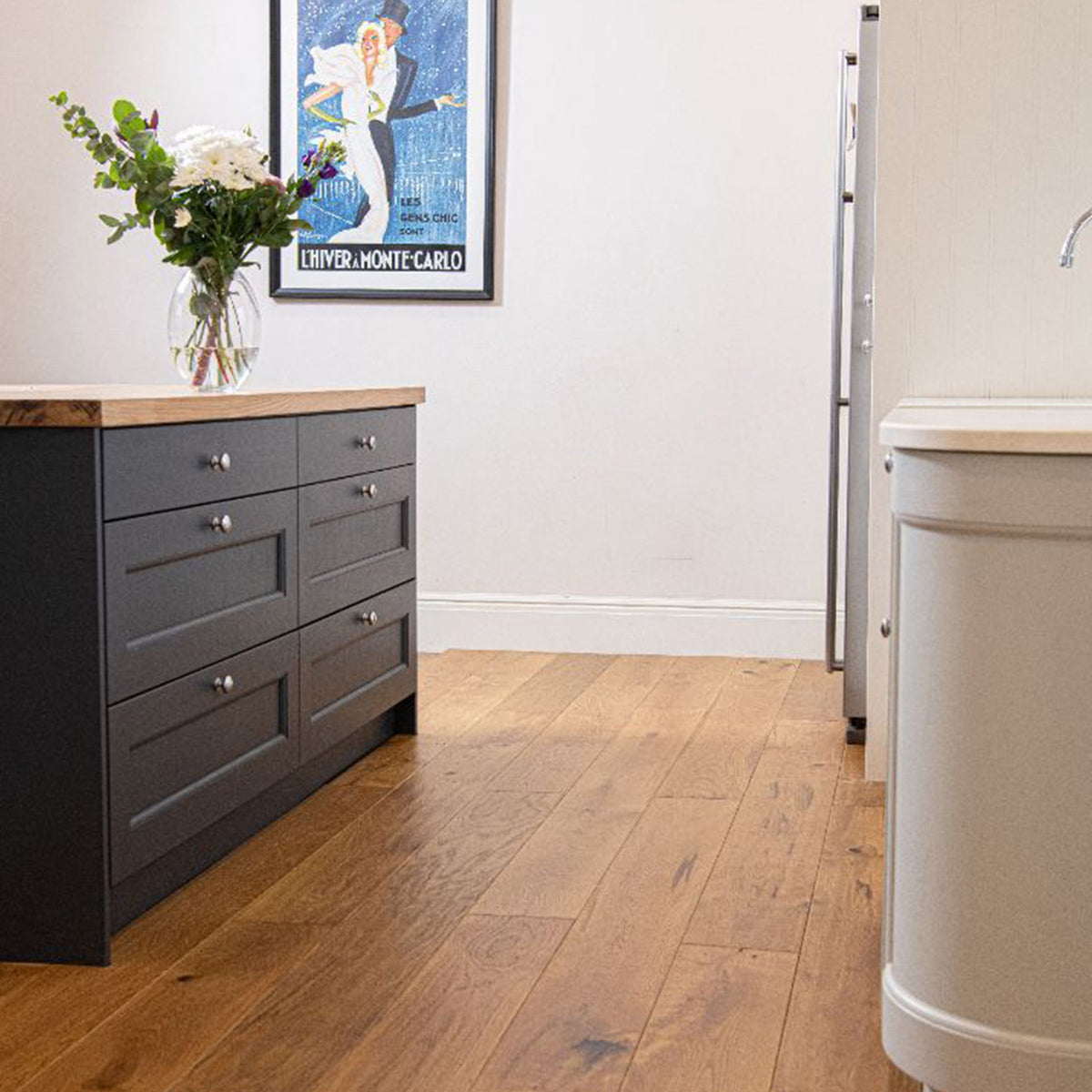
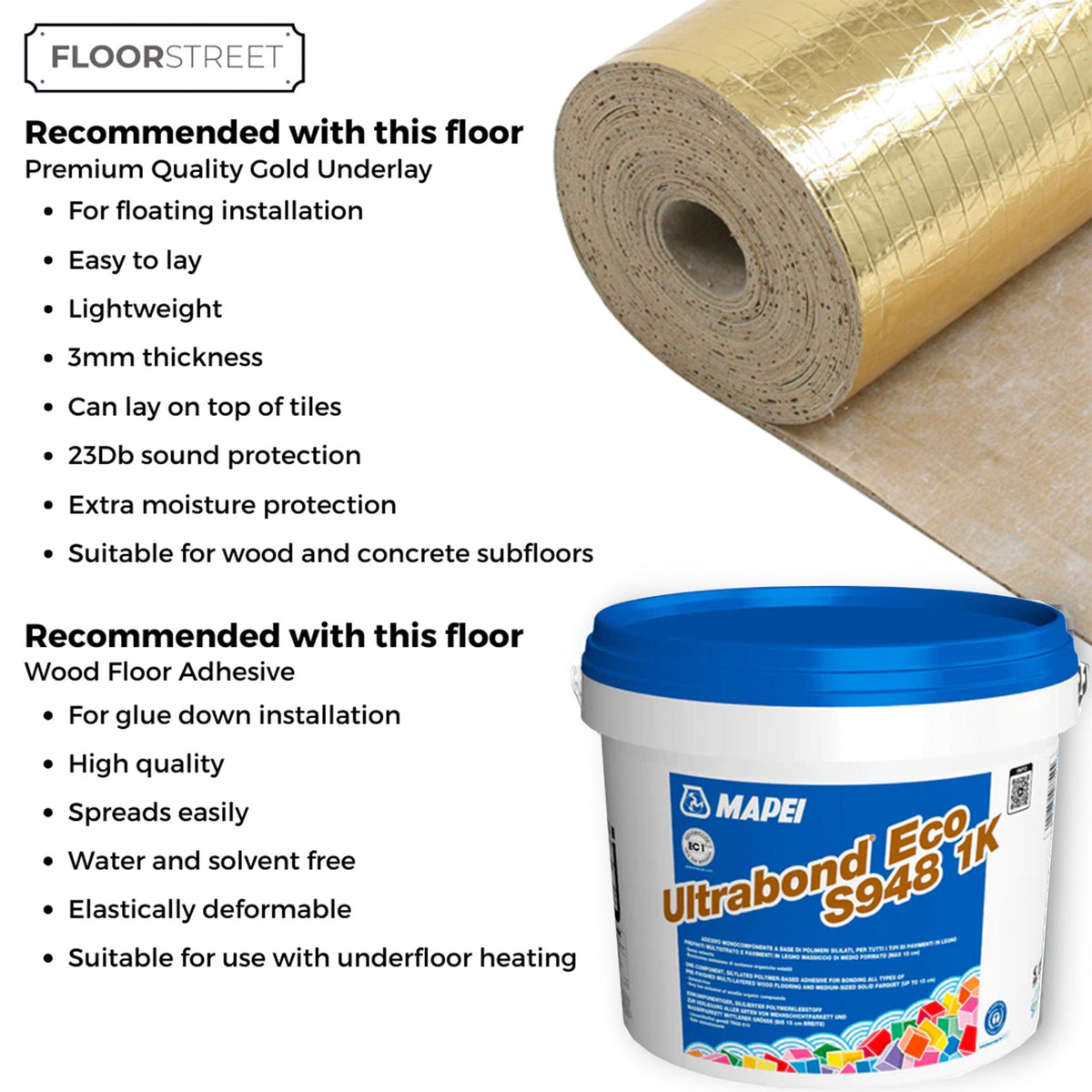
Lacquered 18/5 x 125mm Straight Engineered
£63.00 per m²
£139.99 per m²
Save £76.99 per m²
In Stock | Next Day Delivery
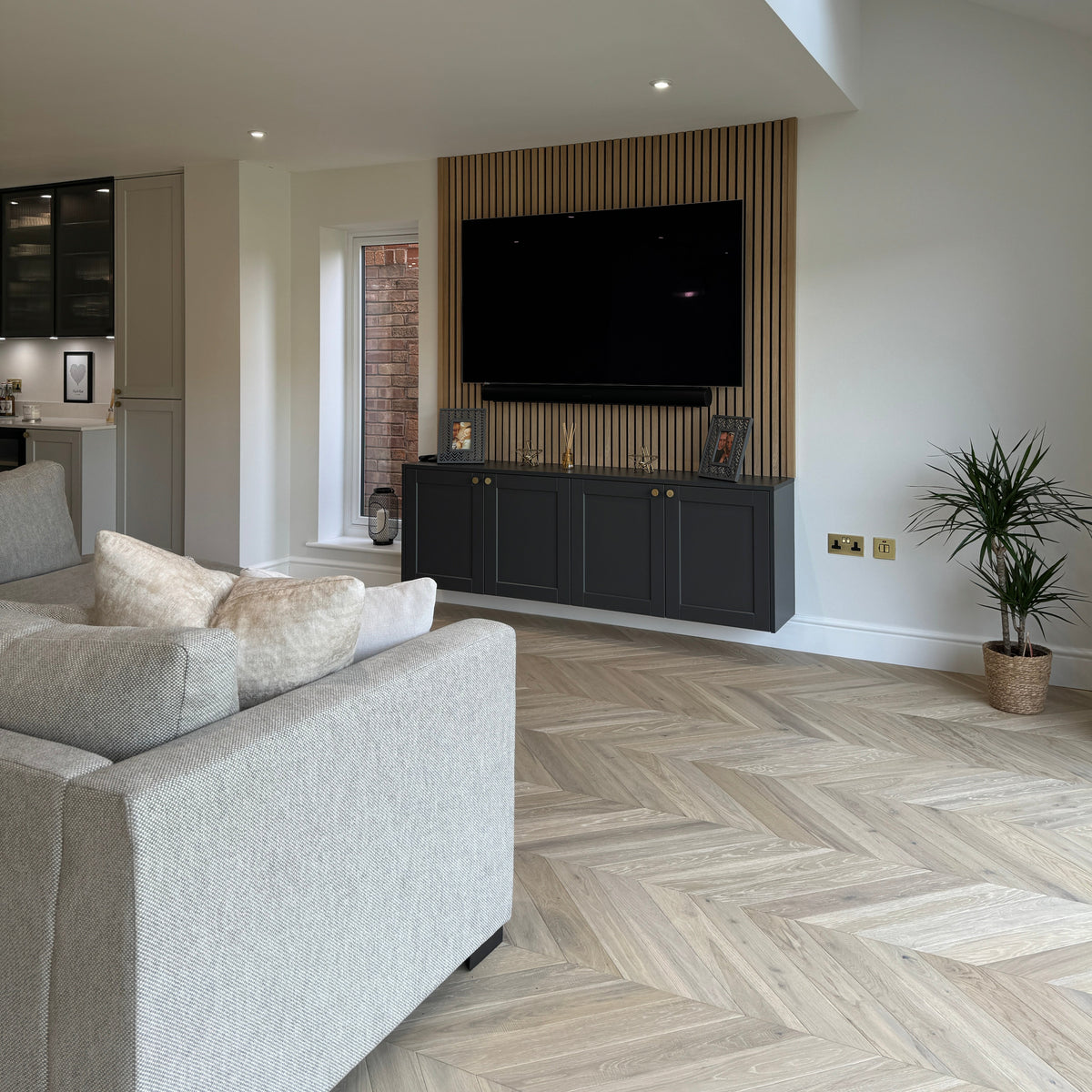
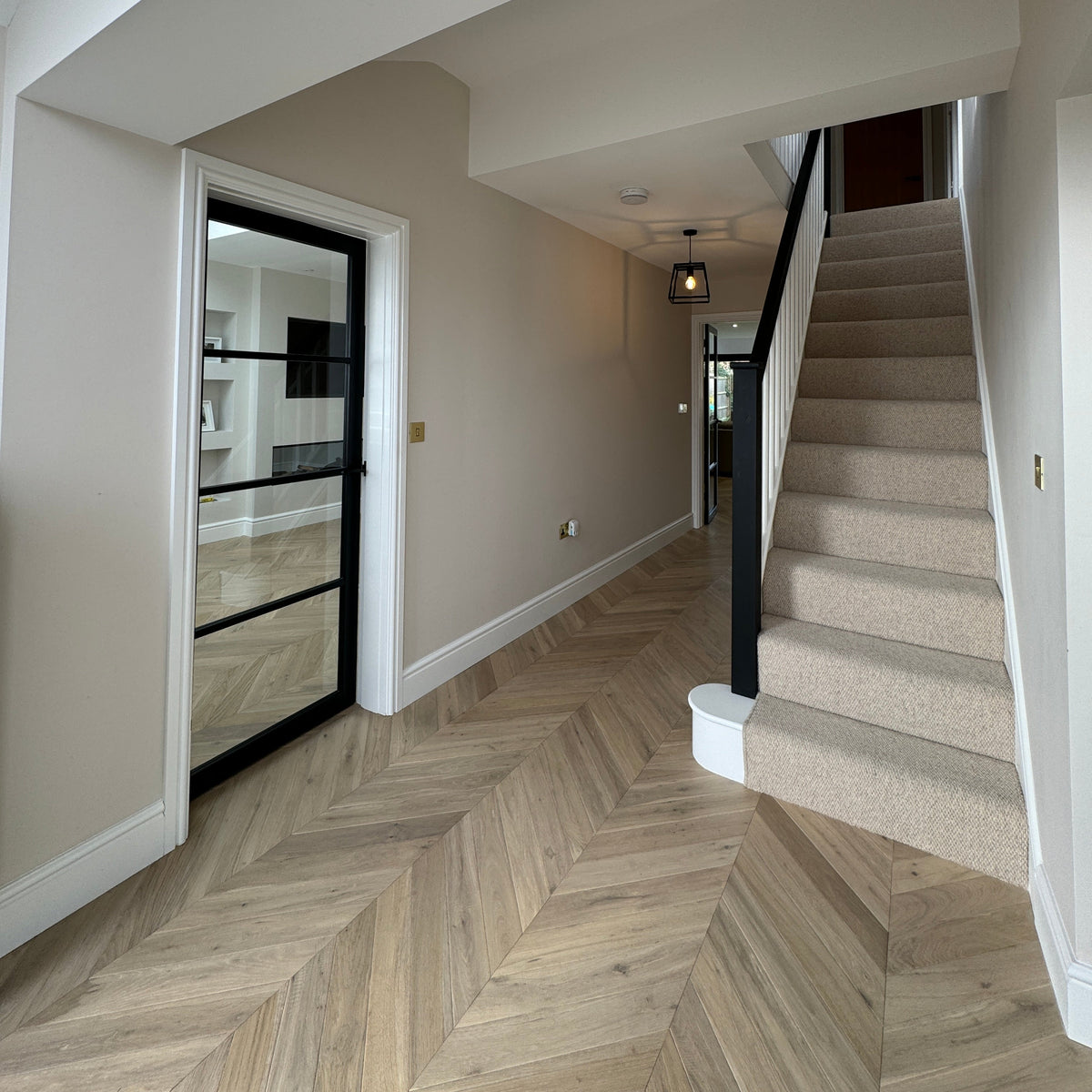
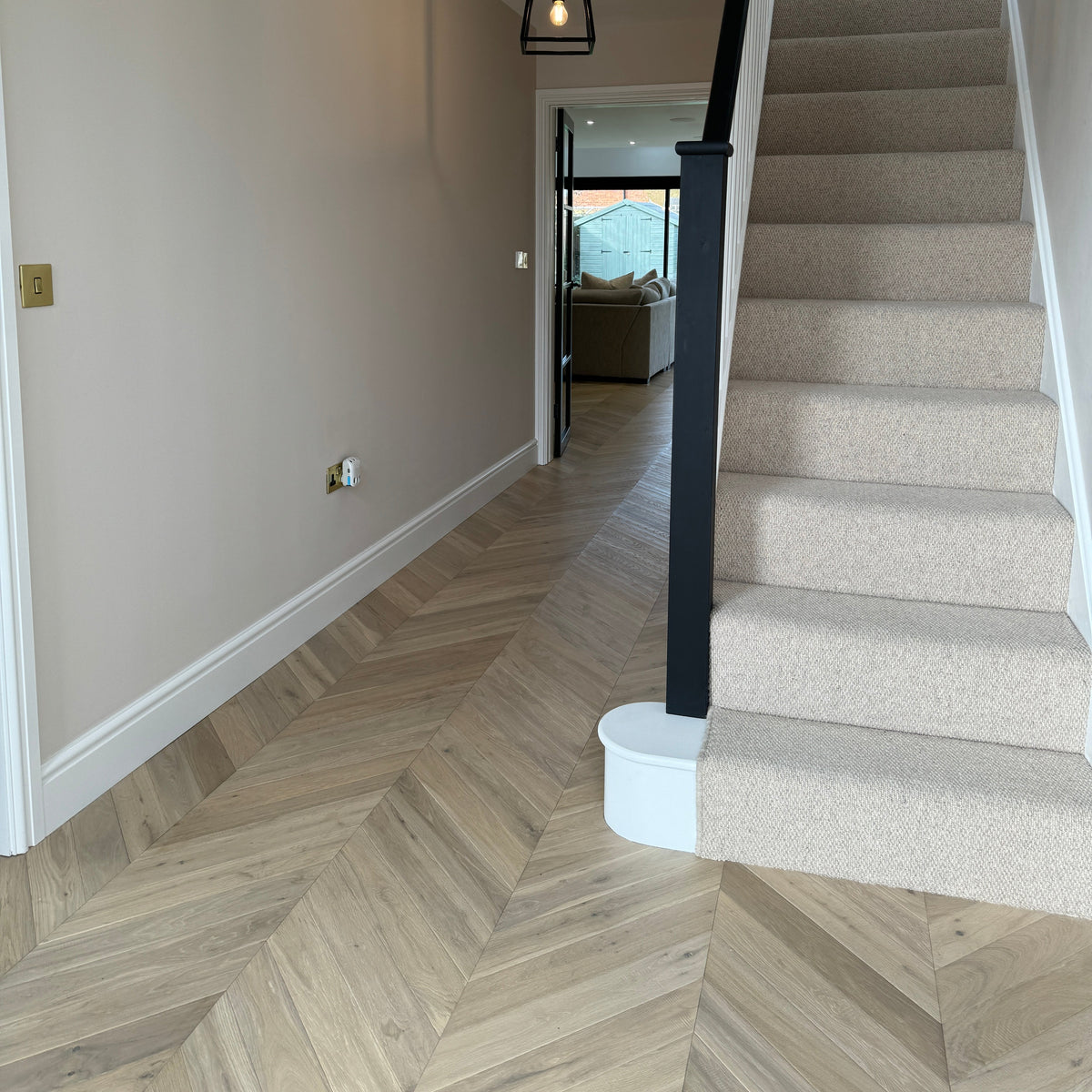
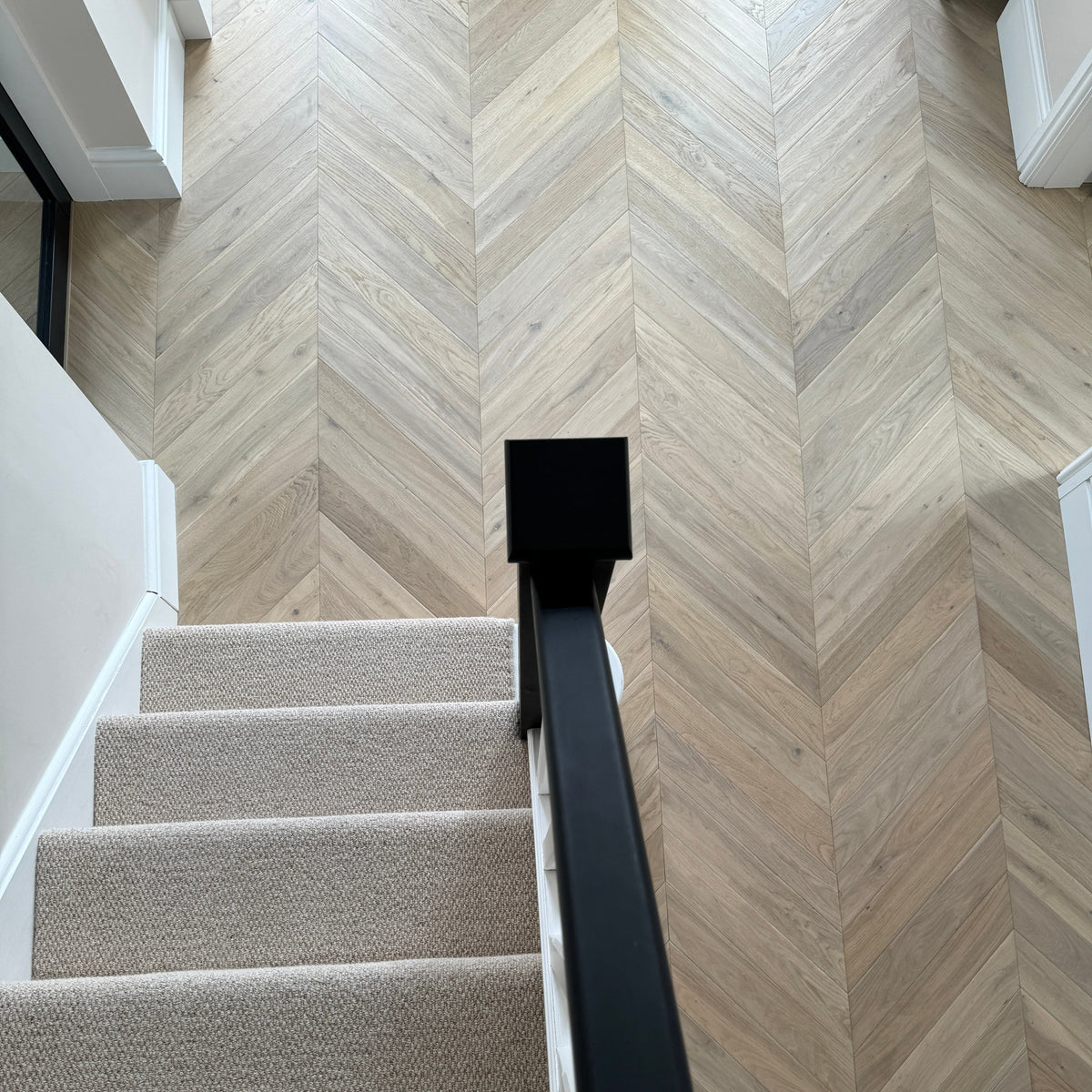
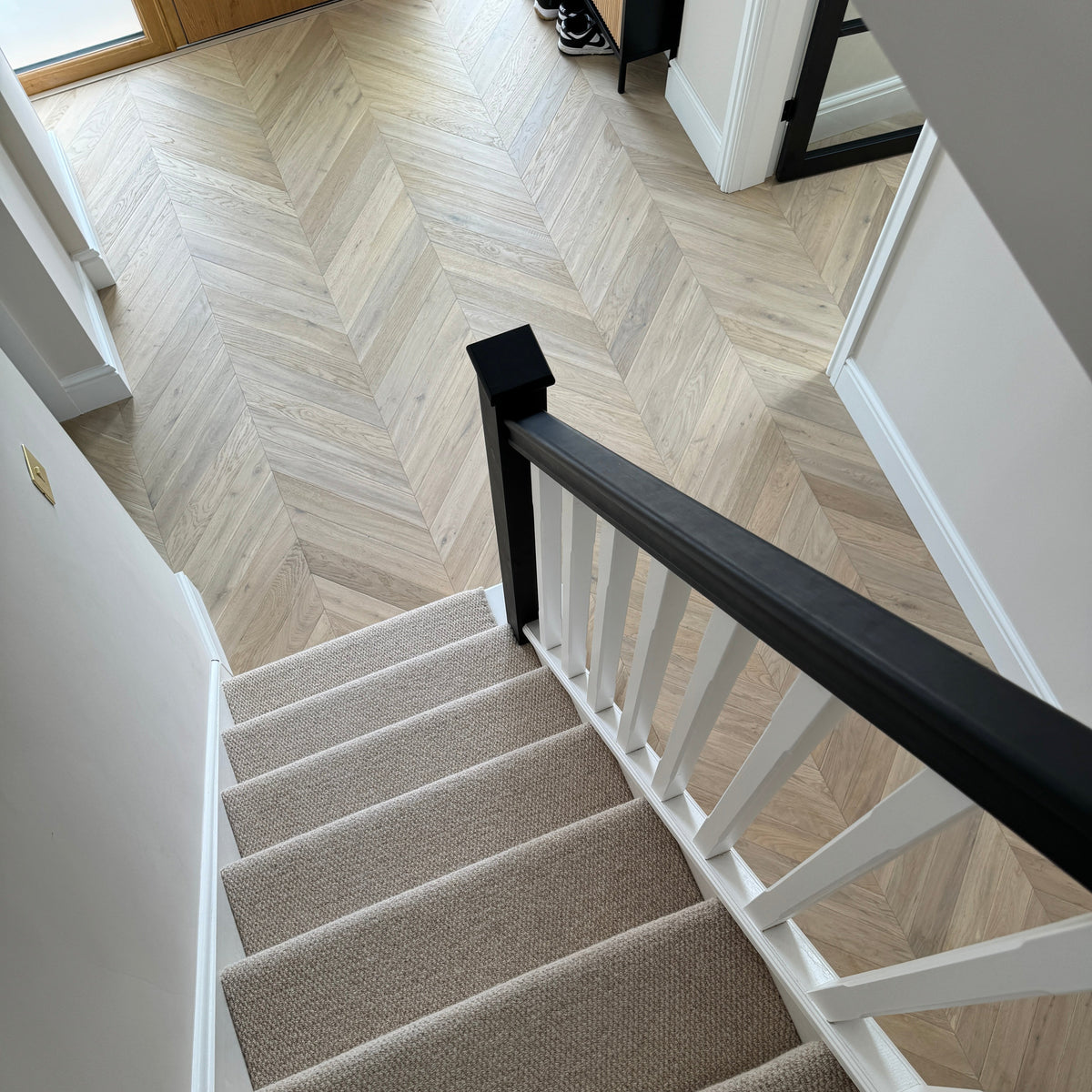
Golden Handscraped Lacquered 15/4 x 190mm Straight Engineered
£52.20 per m²
£115.99 per m²
Save £63.79 per m²
Running out of stock - Order Now
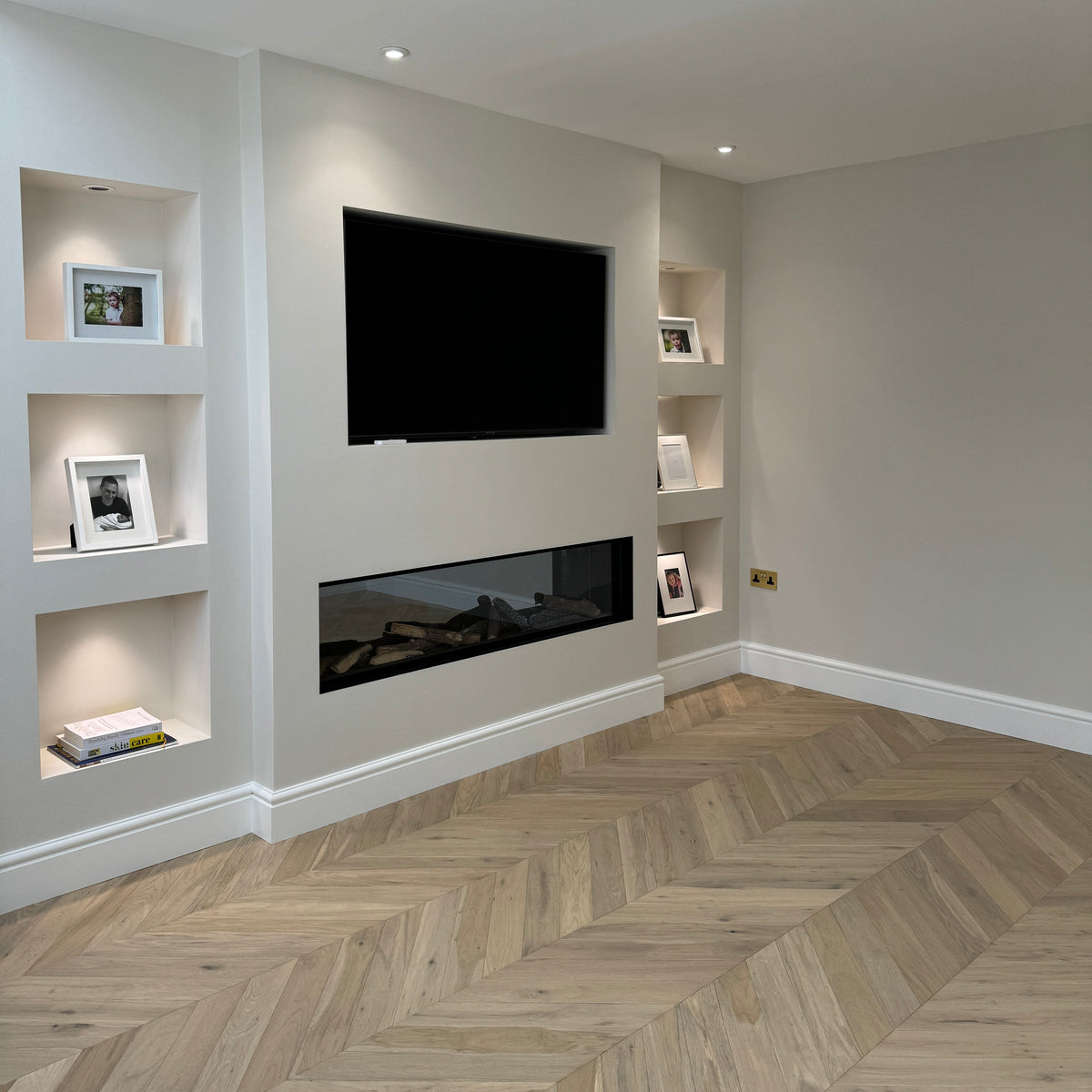
White Beach Oak Chevron Engineered
£45.00 per m²
£99.99 per m²
Save £54.99 per m²
In Stock | Next Day Delivery
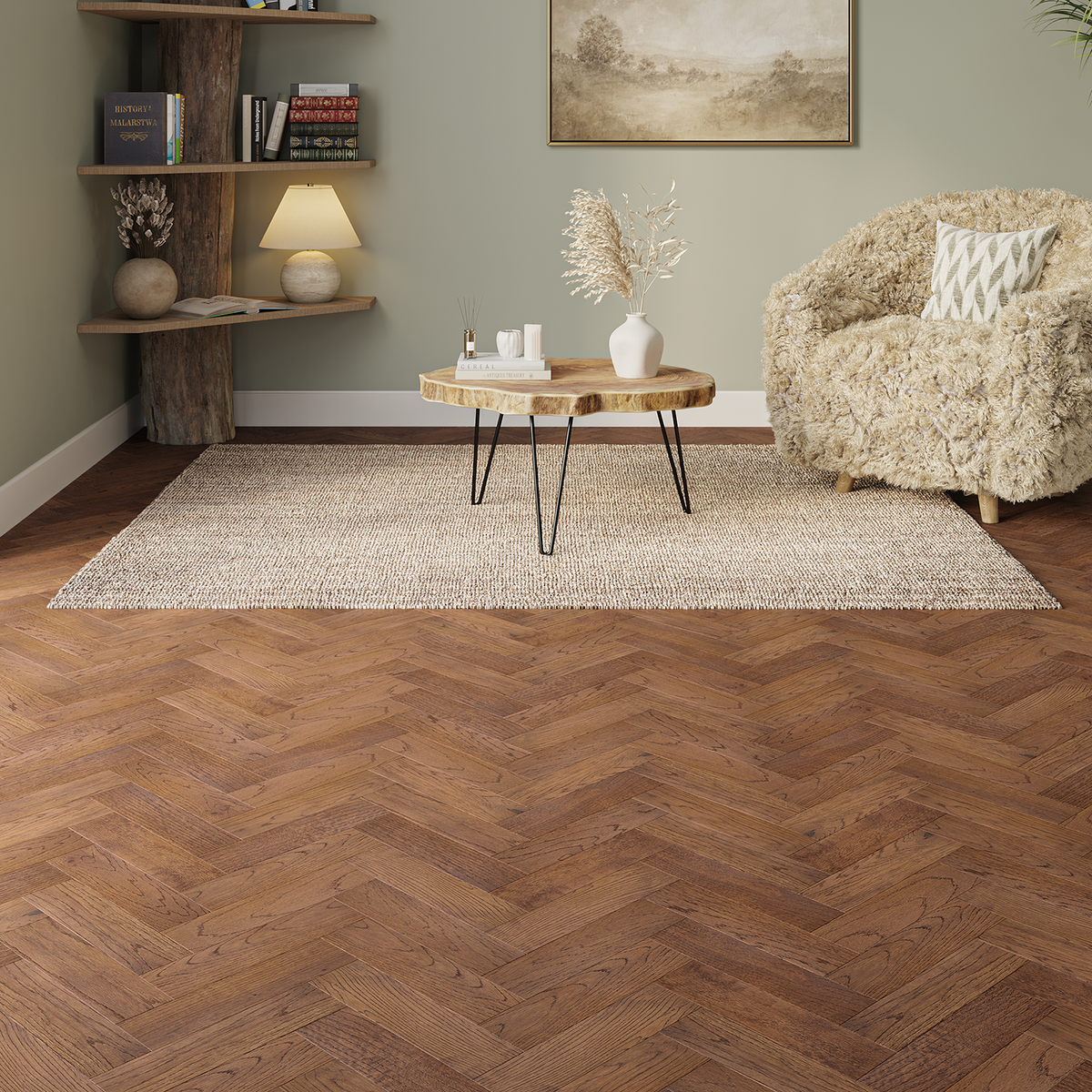
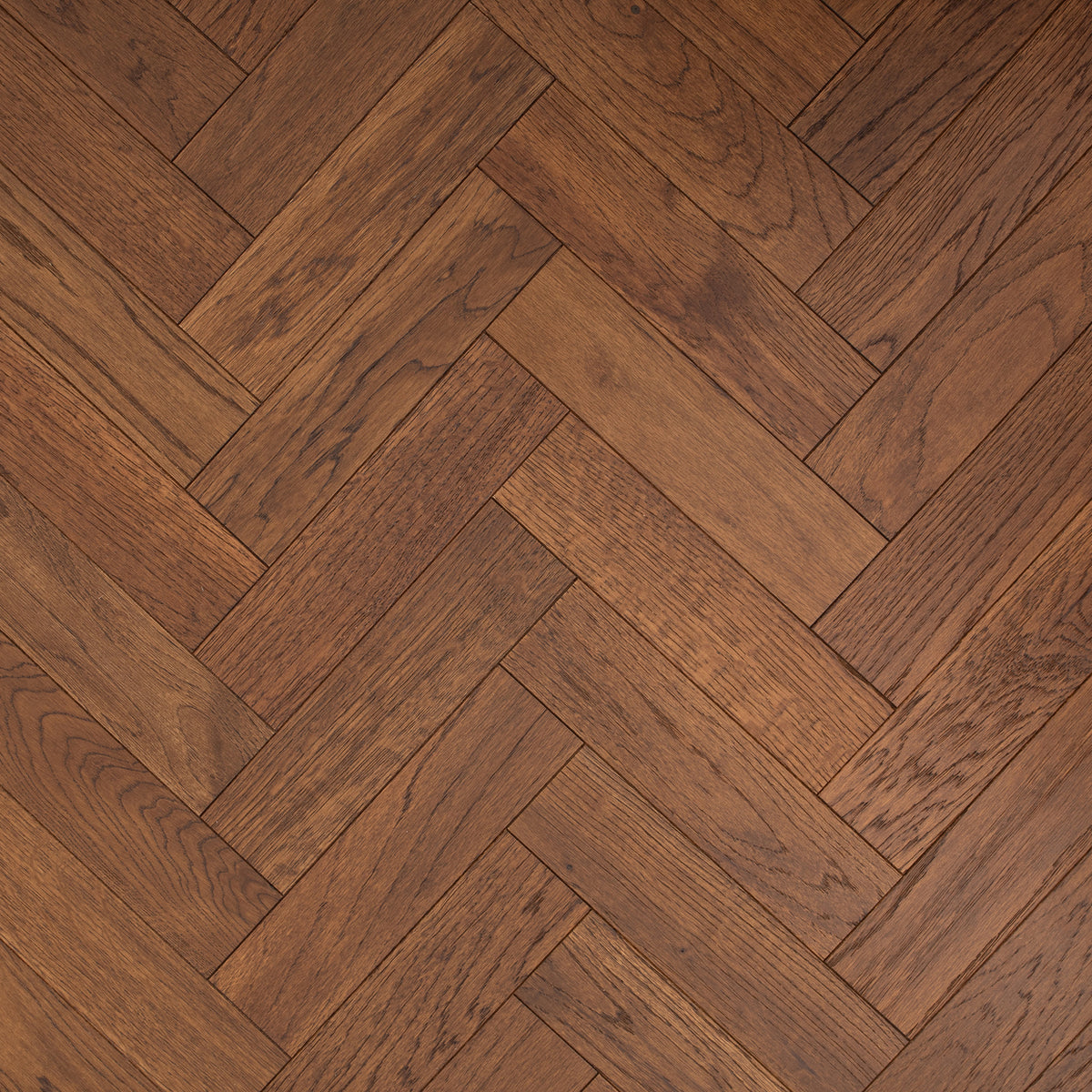
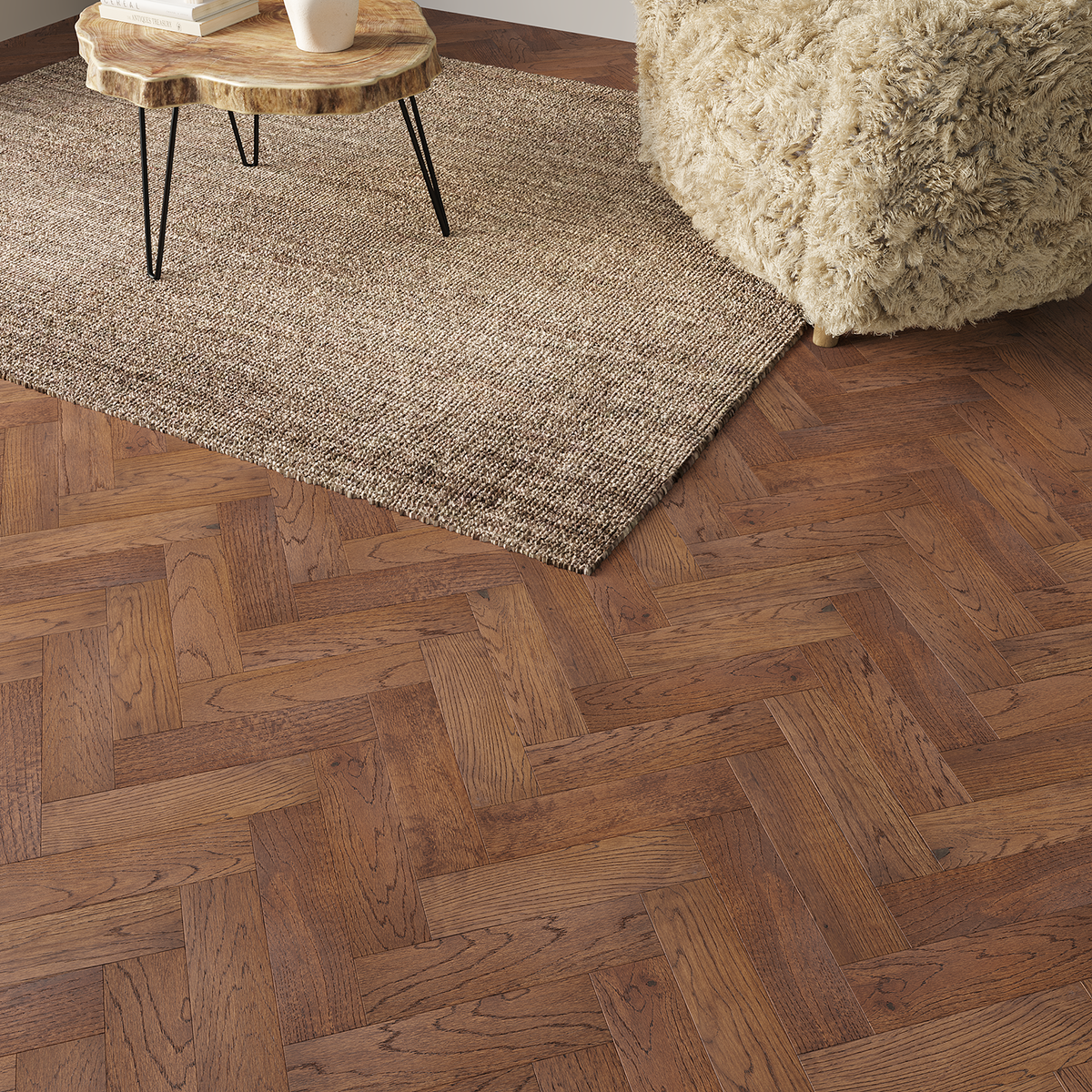
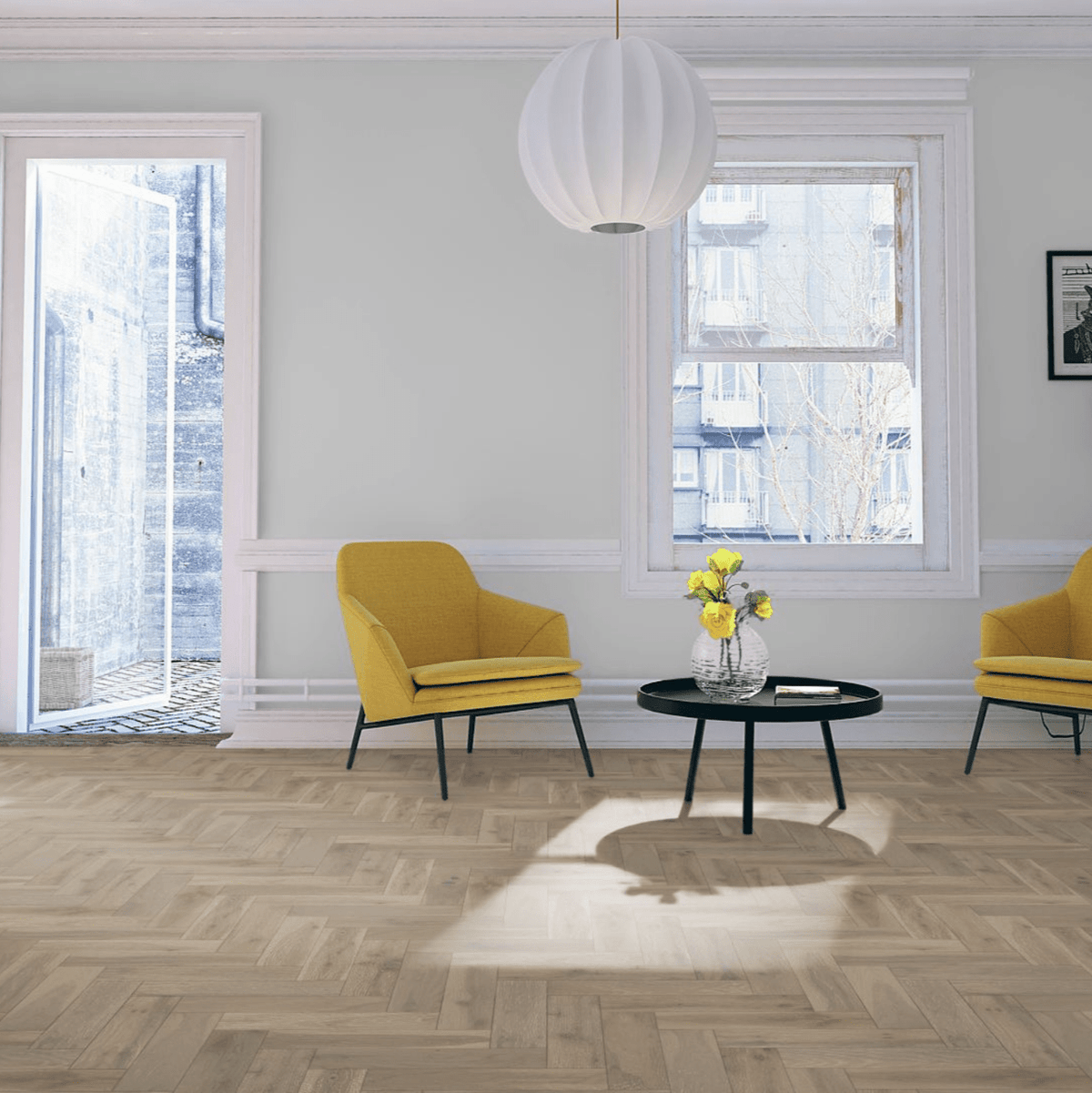
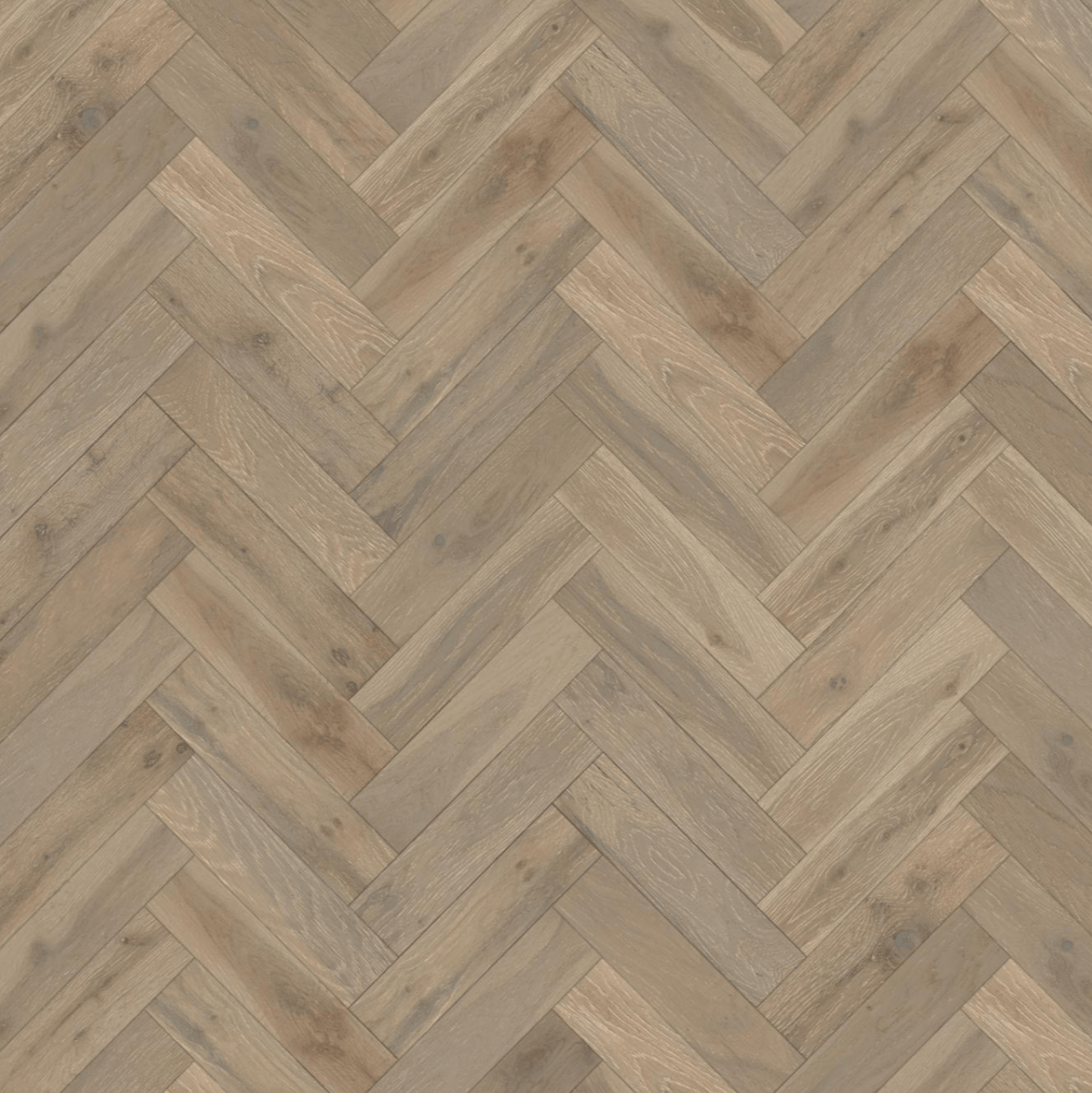
West Oak Herringbone Engineered
£29.25 per m²
£64.99 per m²
Save £35.74 per m²


In Stock | Next Day Delivery
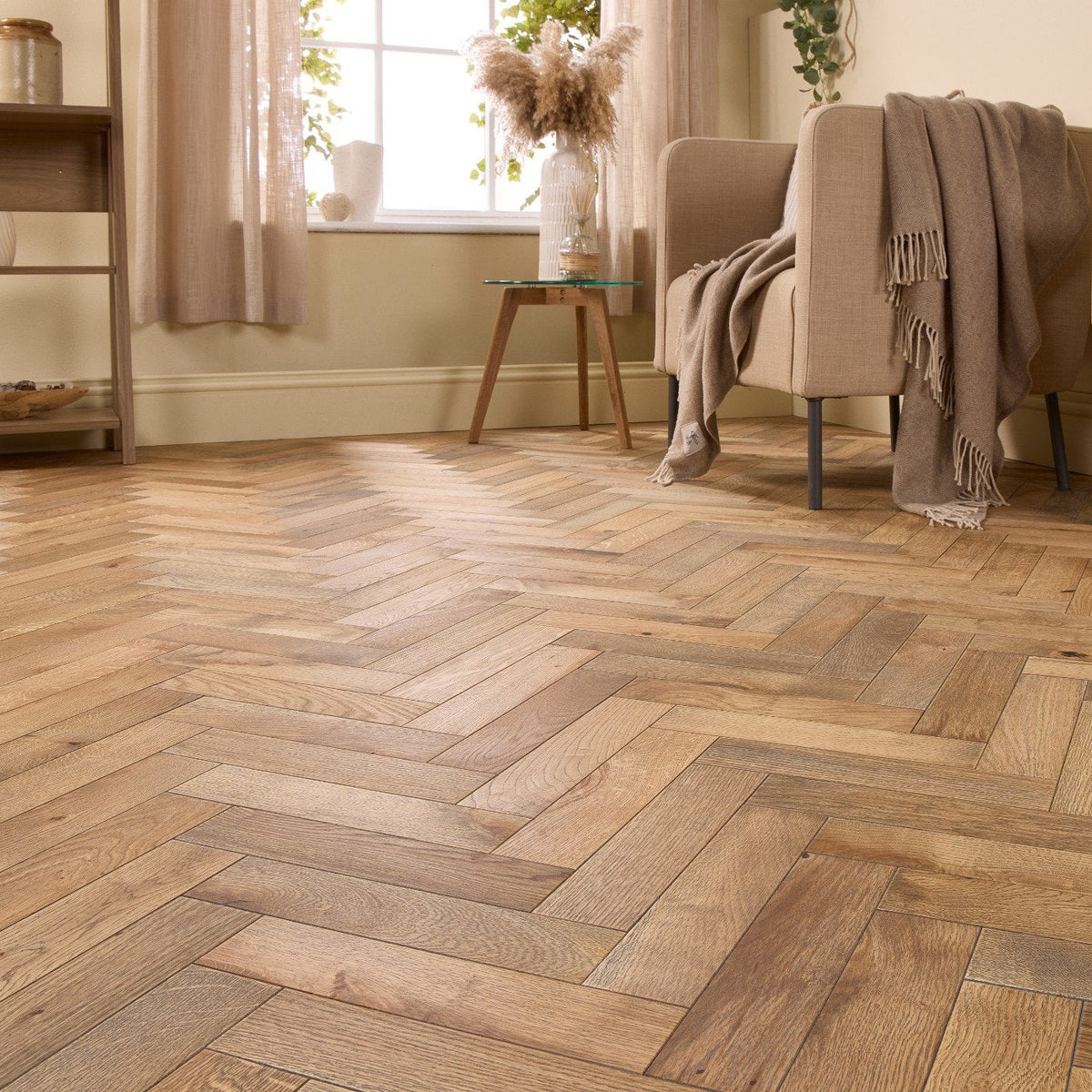
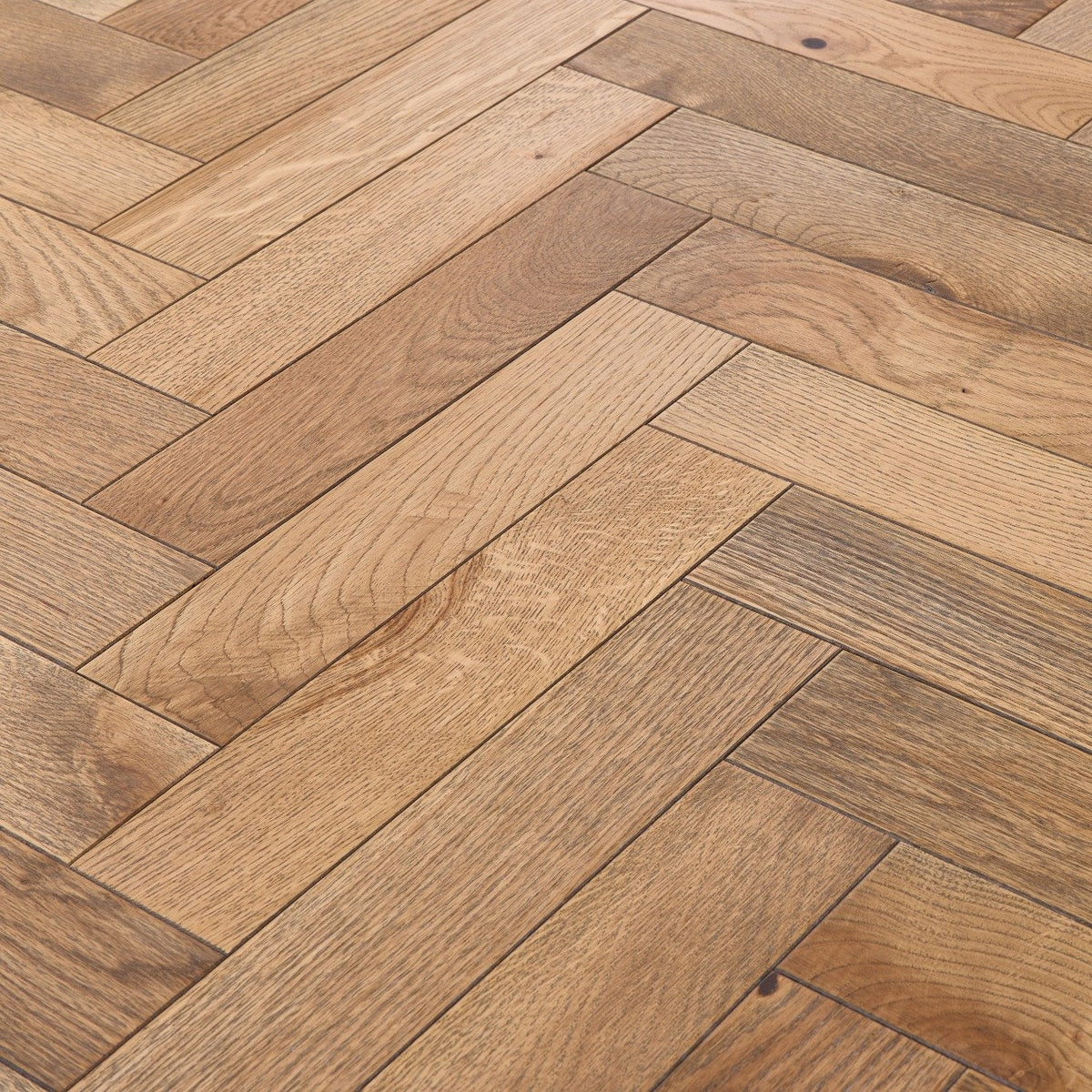
Seychelles Oak 15/4 x 90mm Herringbone Engineered
£44.75 per m²
£99.45 per m²
Save £54.70 per m²
In Stock | Next Day Delivery
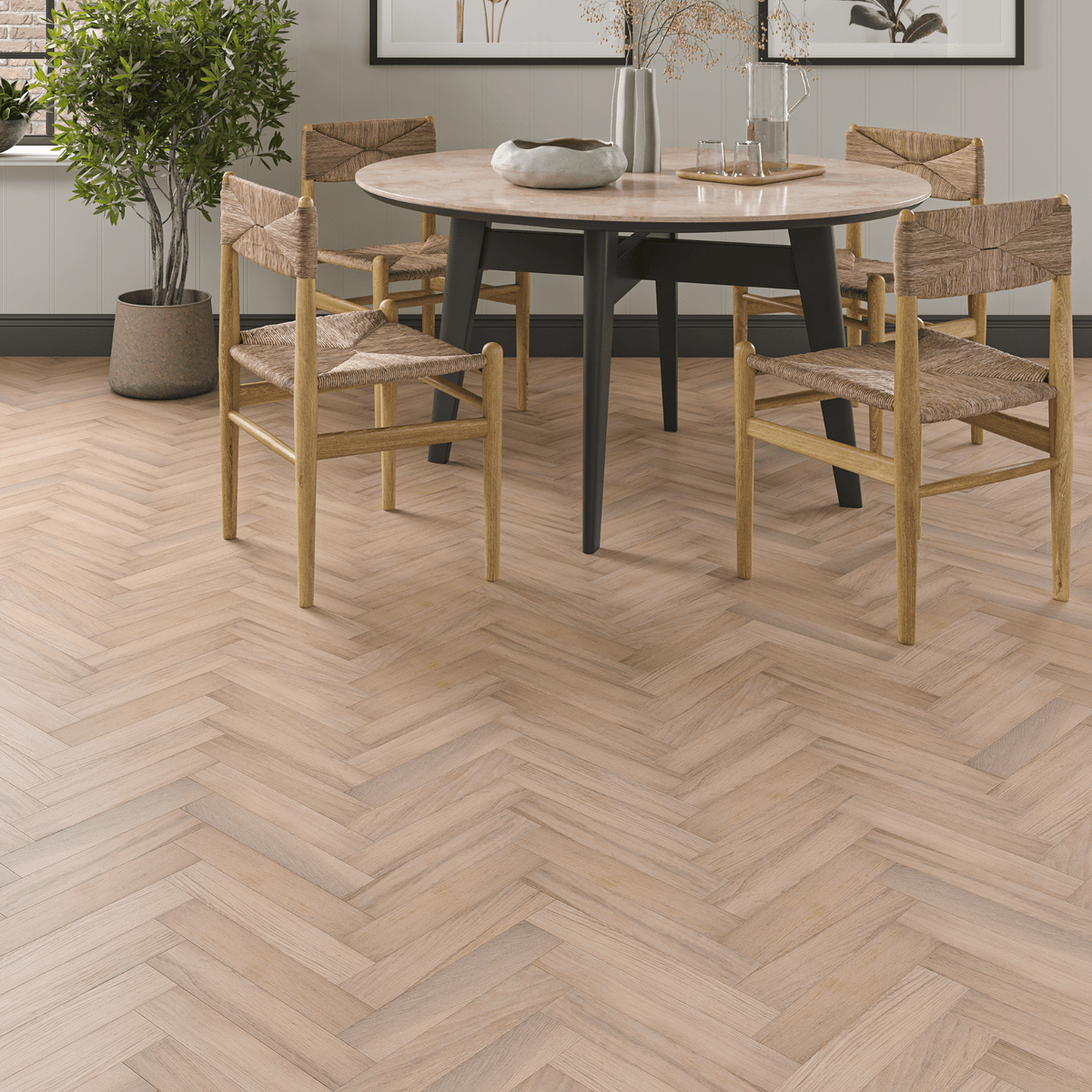
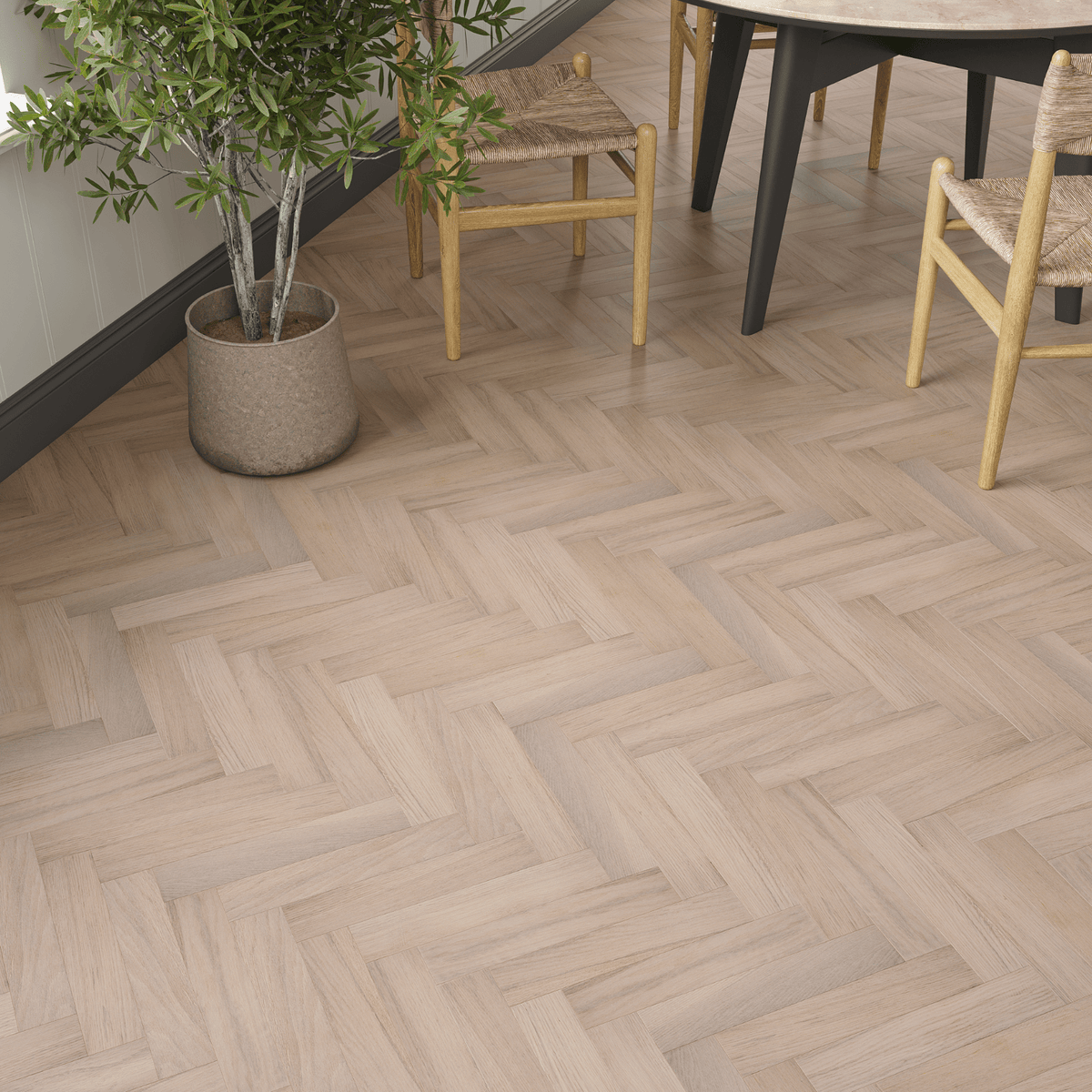
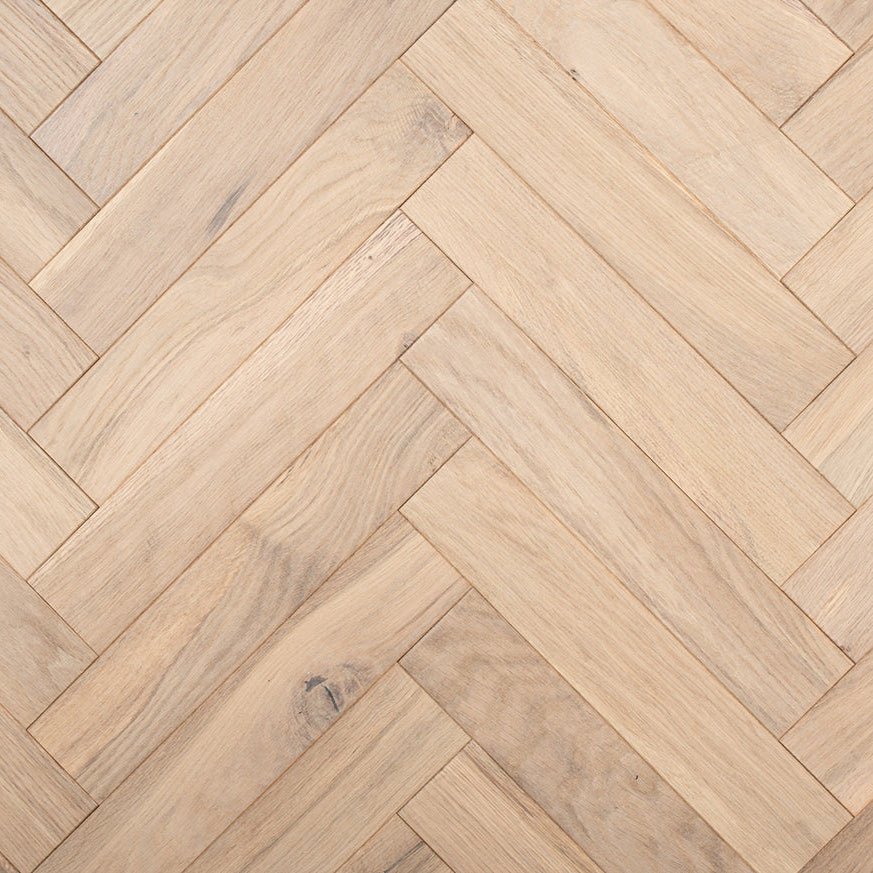
Weathered Oak Herringbone 18mm Engineered
£49.50 per m²
£109.99 per m²
Save £60.49 per m²
In Stock | Next Day Delivery
Cathedral Oak 20mm Herringbone Engineered
£51.75 per m²
£114.99 per m²
Save £63.24 per m²
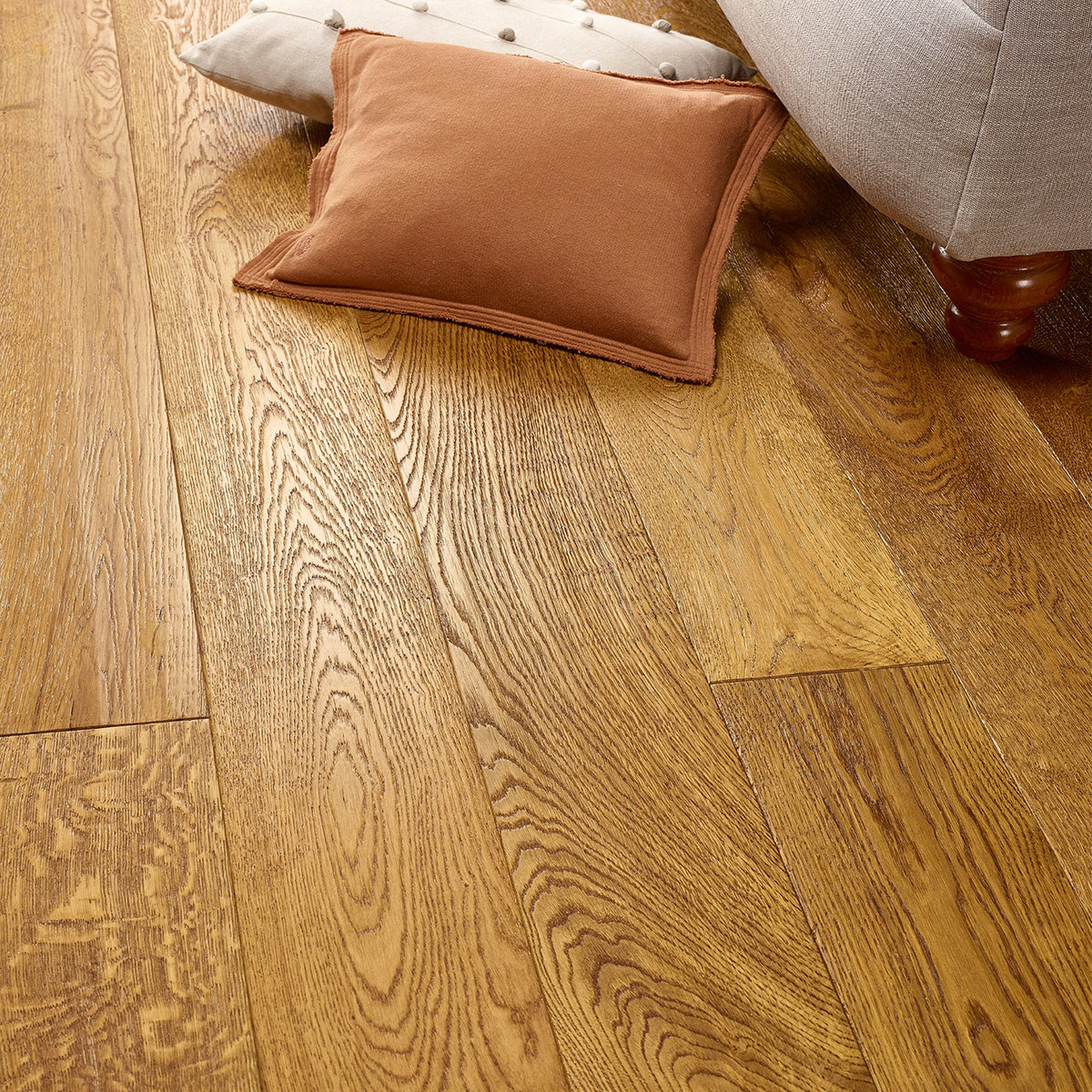
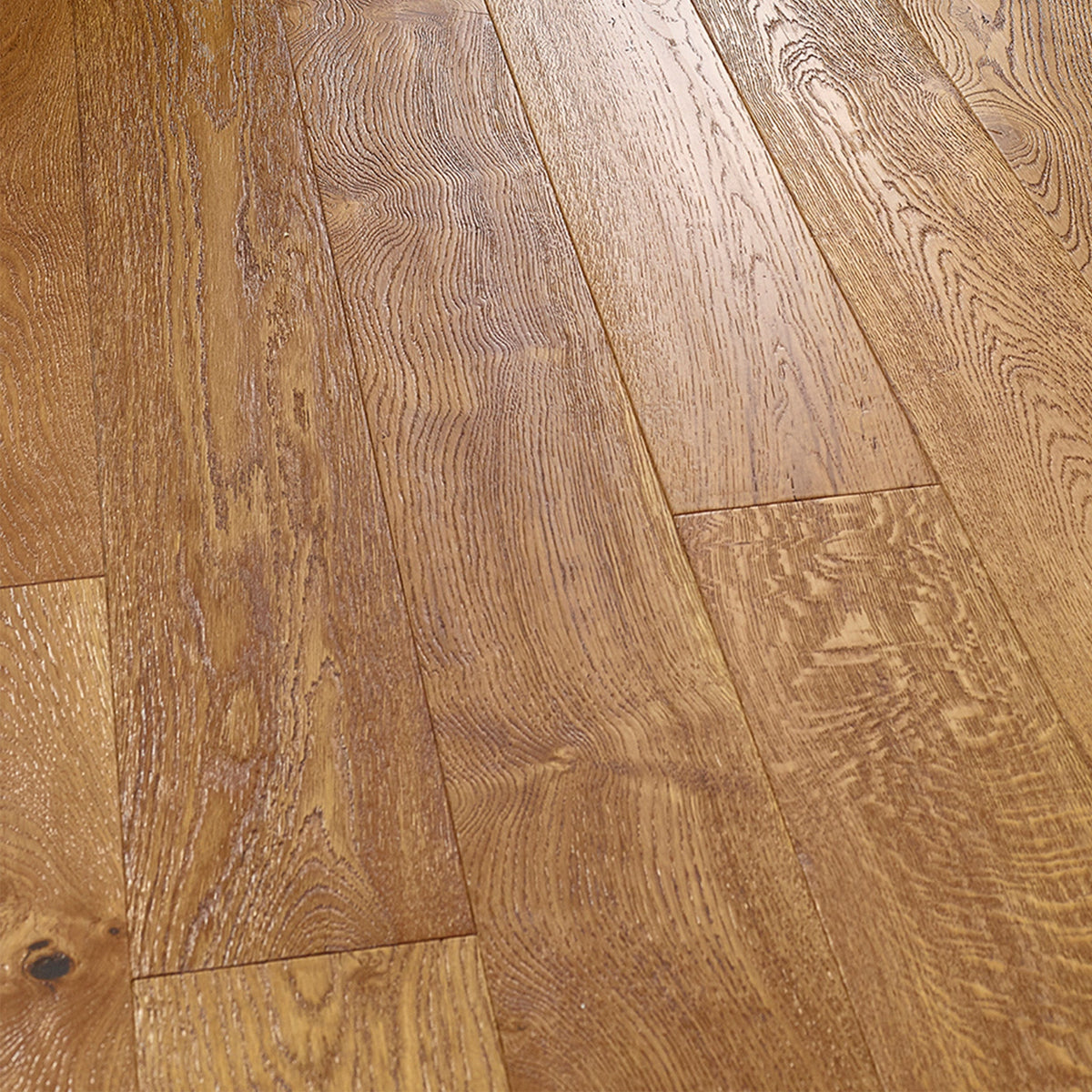
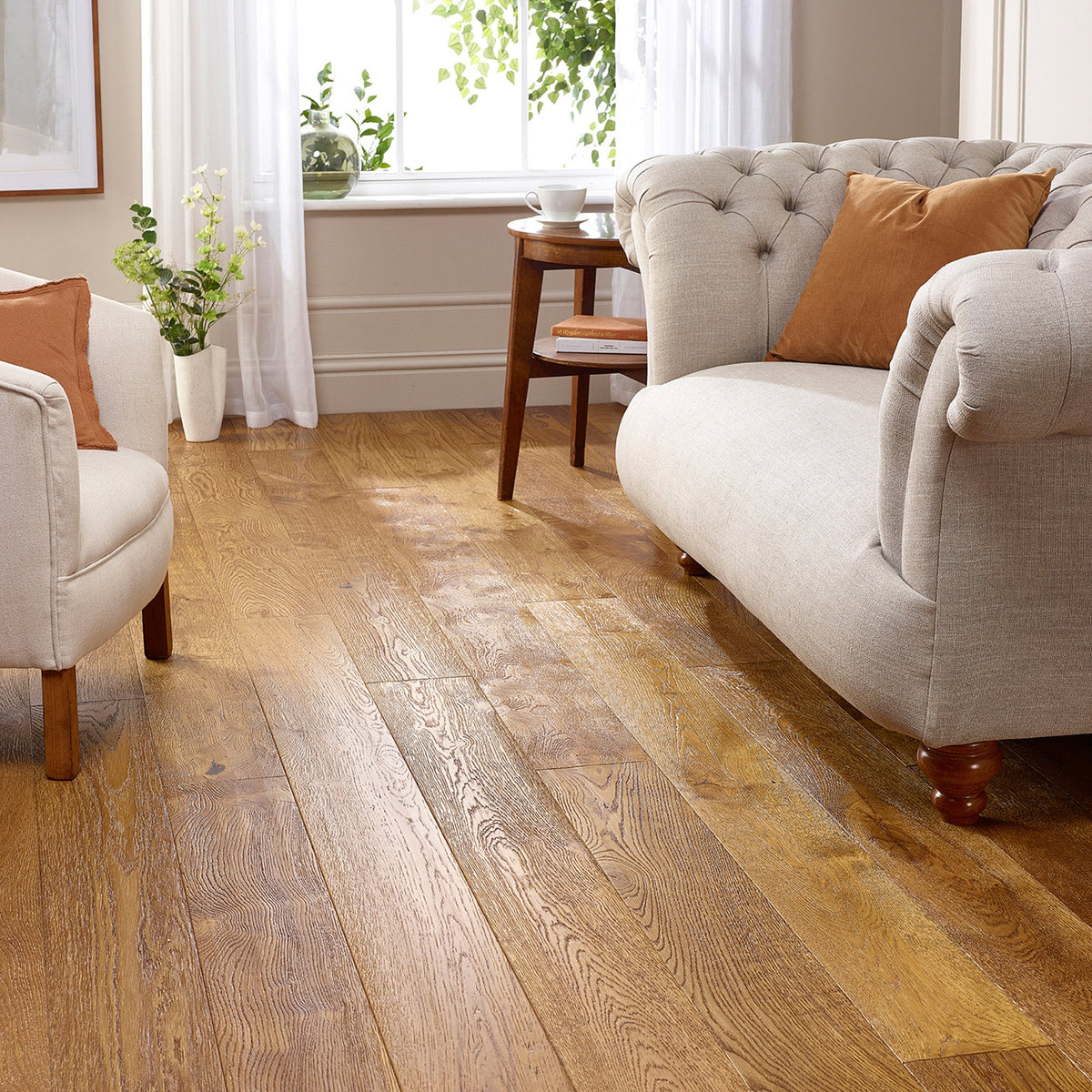
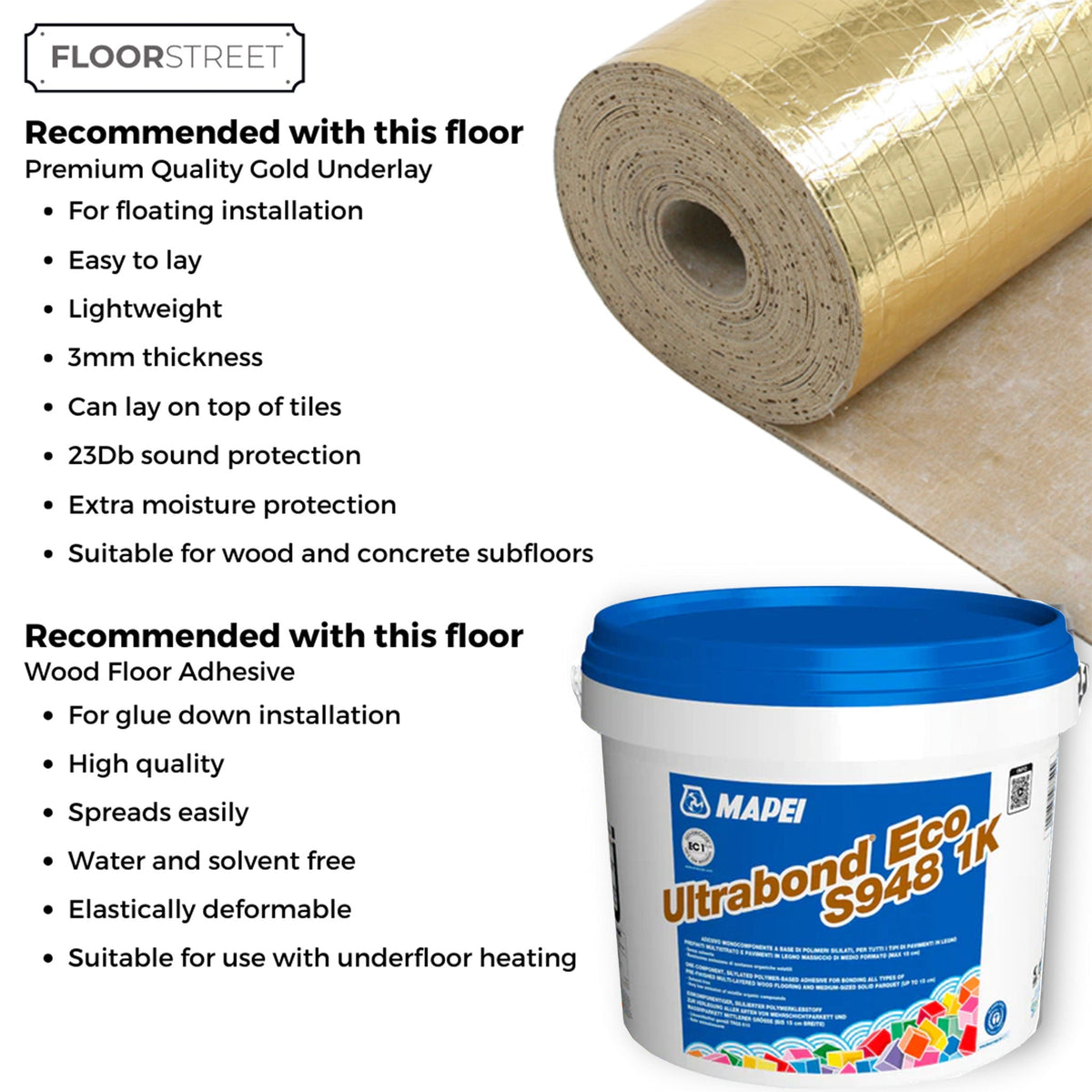
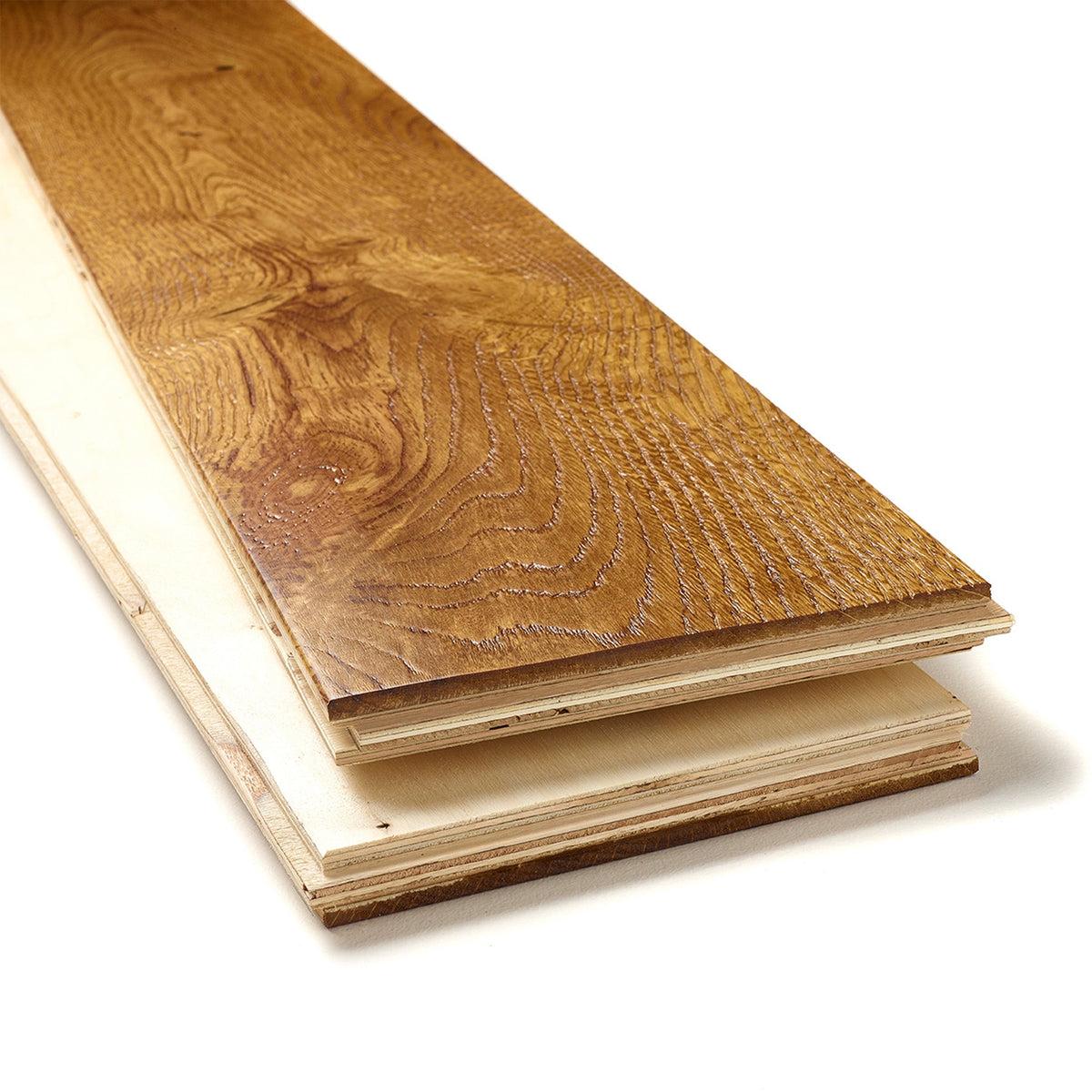
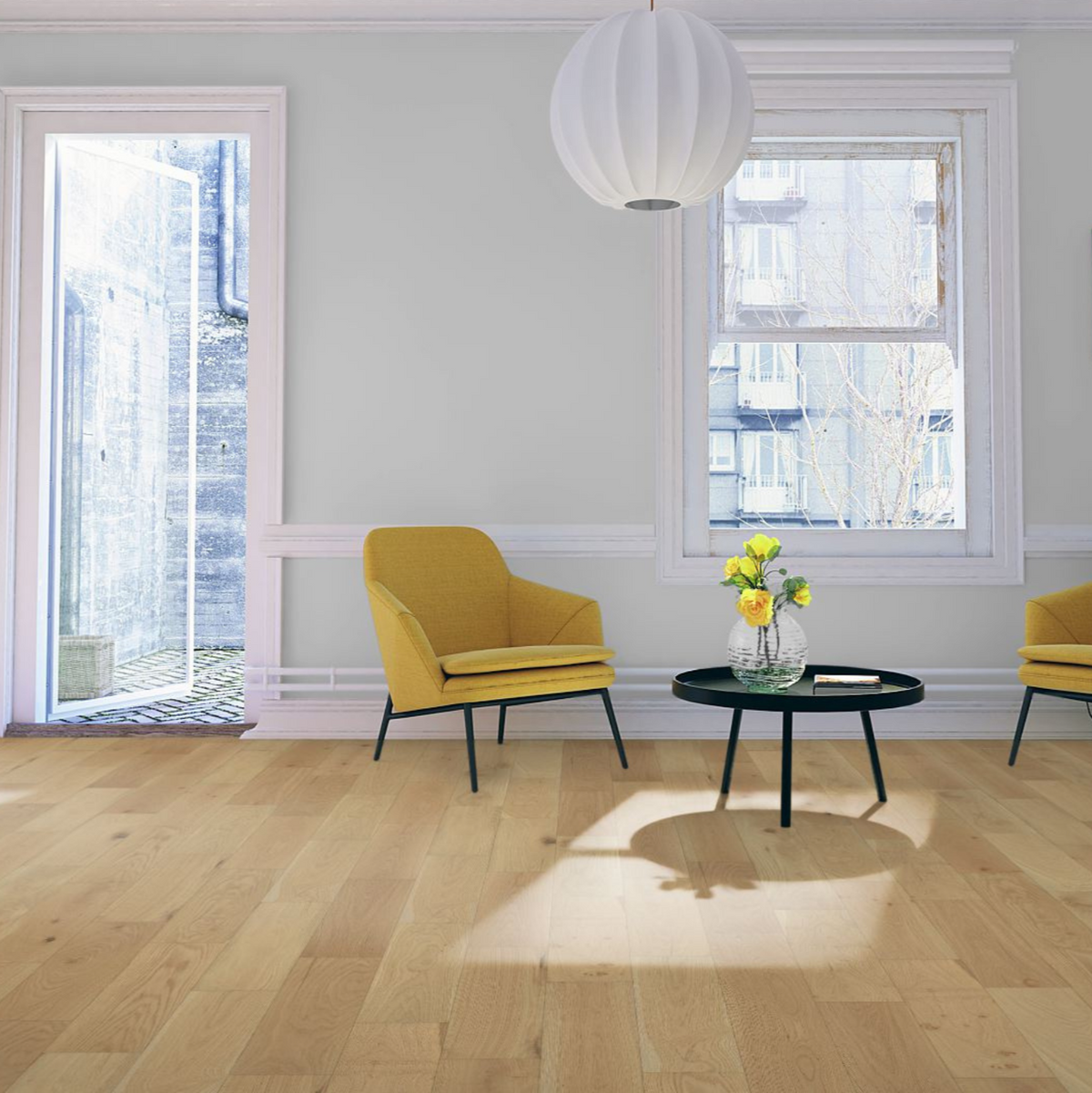
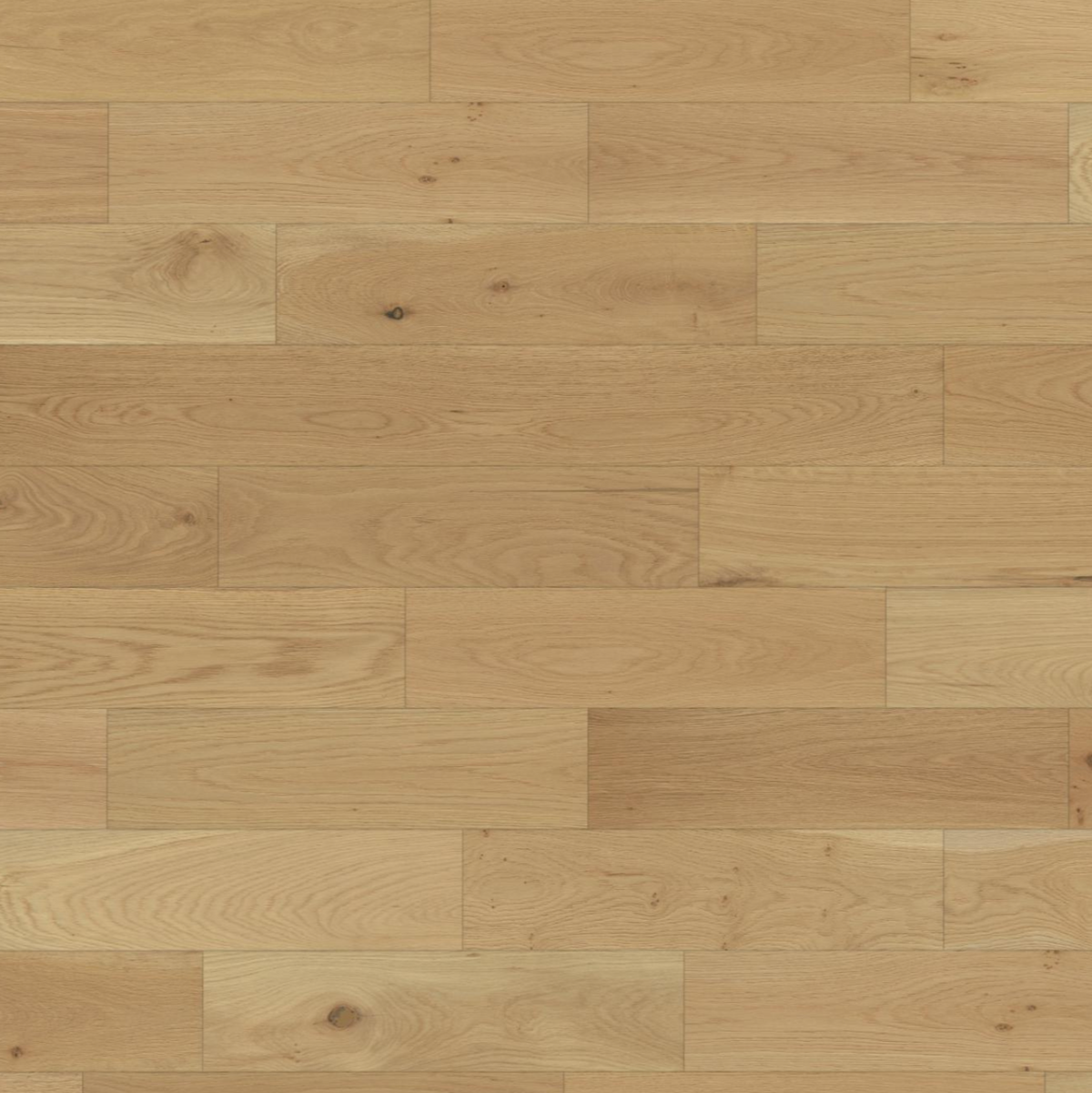
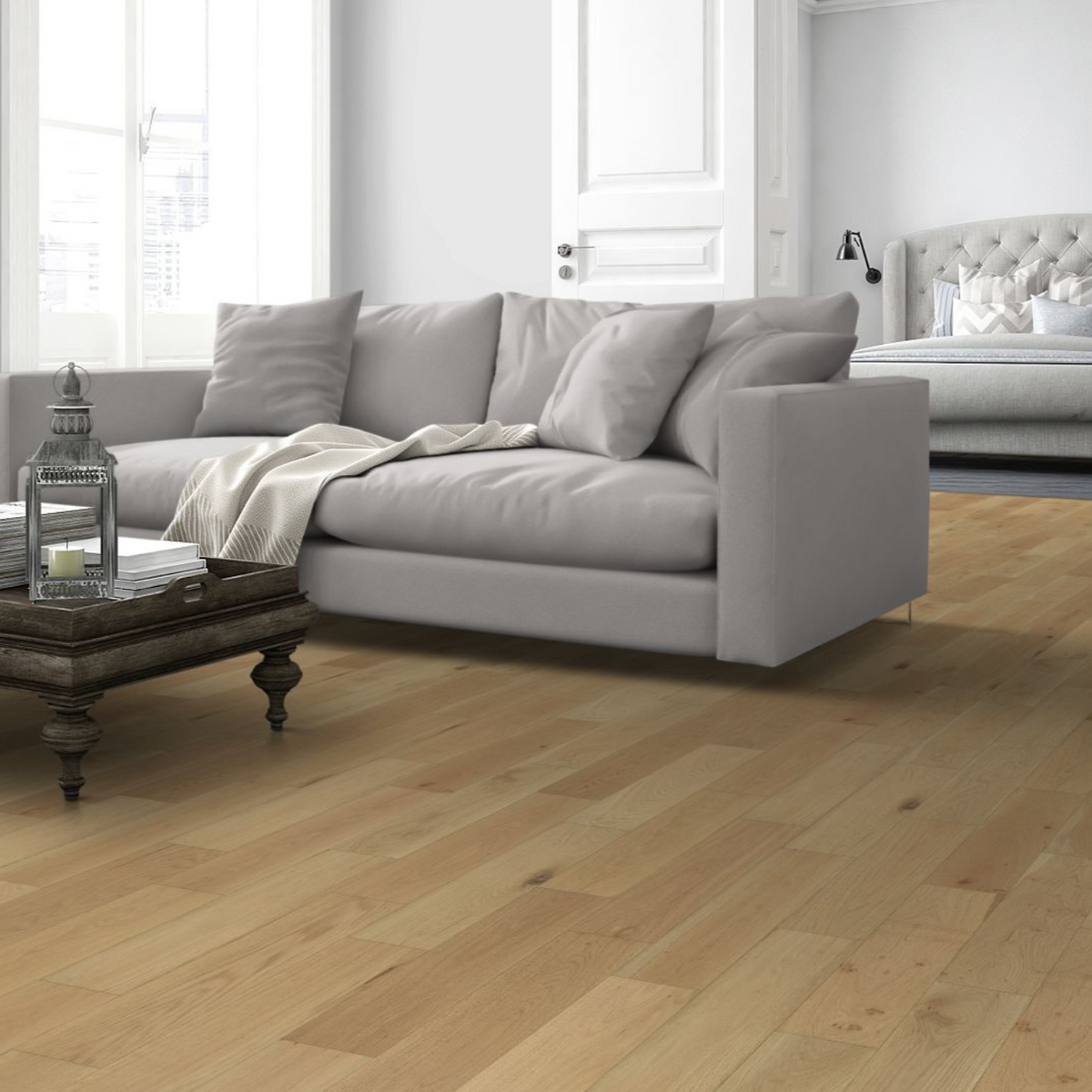
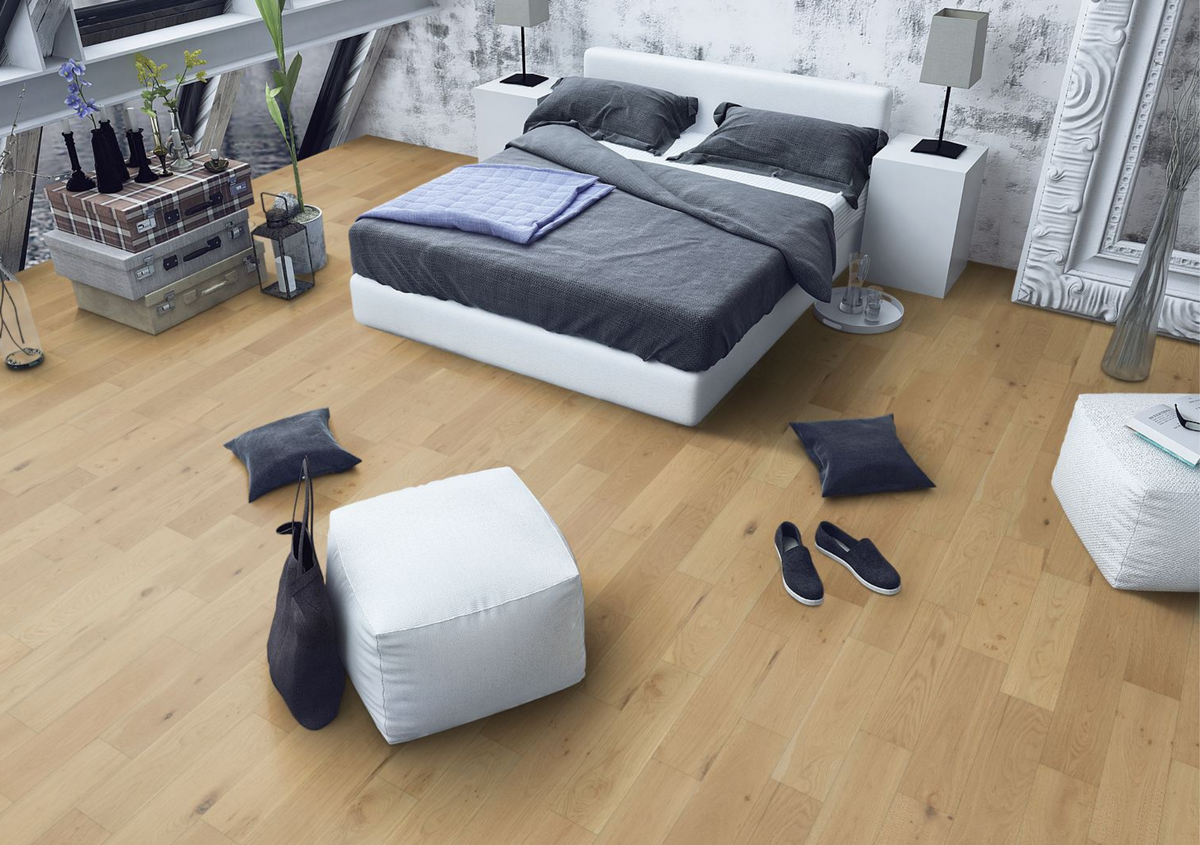
Deep Brushed Handscraped Golden Brushed & Lacquered 20/6 x 180mm Straight Engineered
£73.92 per m²
£164.27 per m²
Save £90.35 per m²

In Stock | Next Day Delivery
Ile De Re 14/3 x 150mm Straight Engineered
£44.37 per m²
£98.60 per m²
Save £54.23 per m²
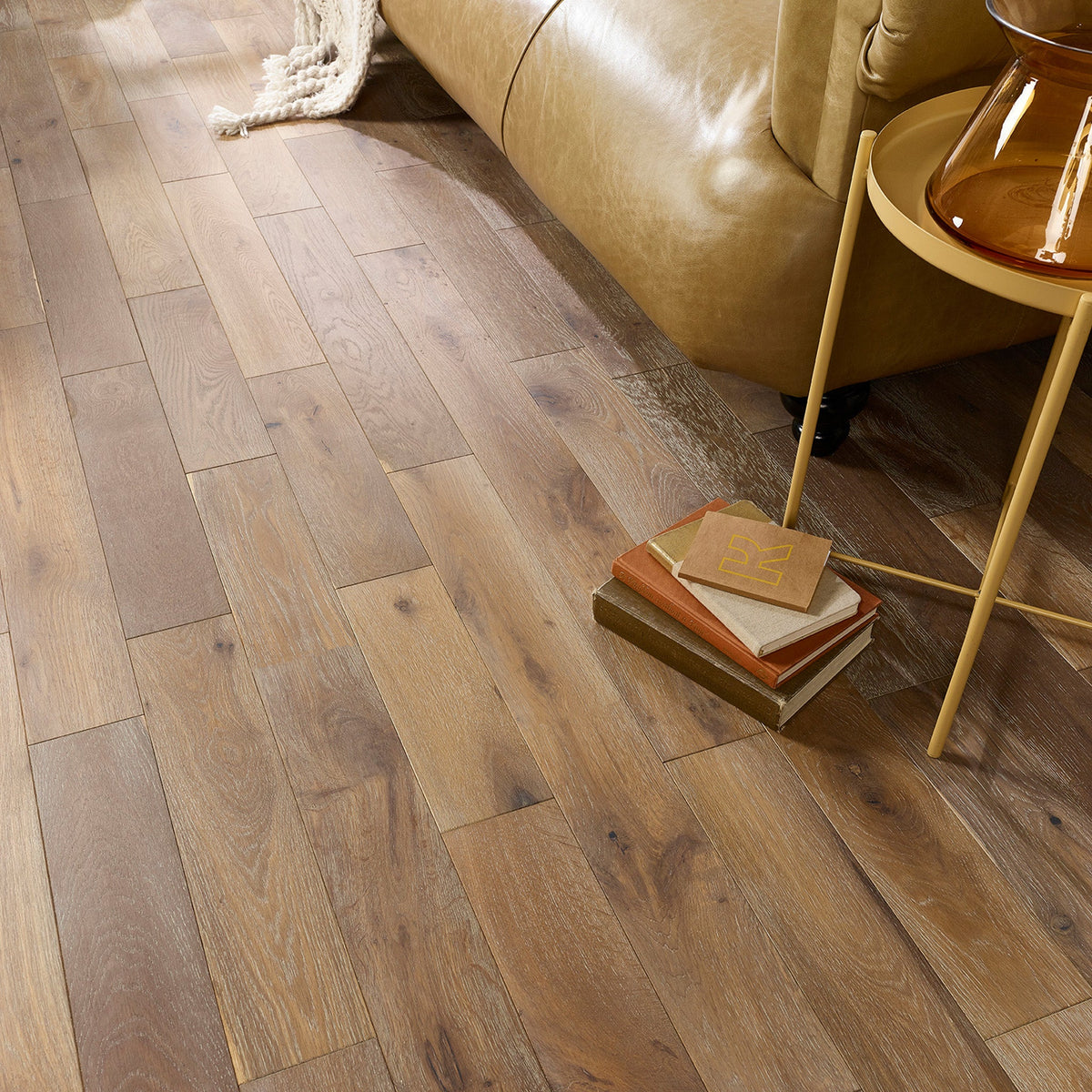
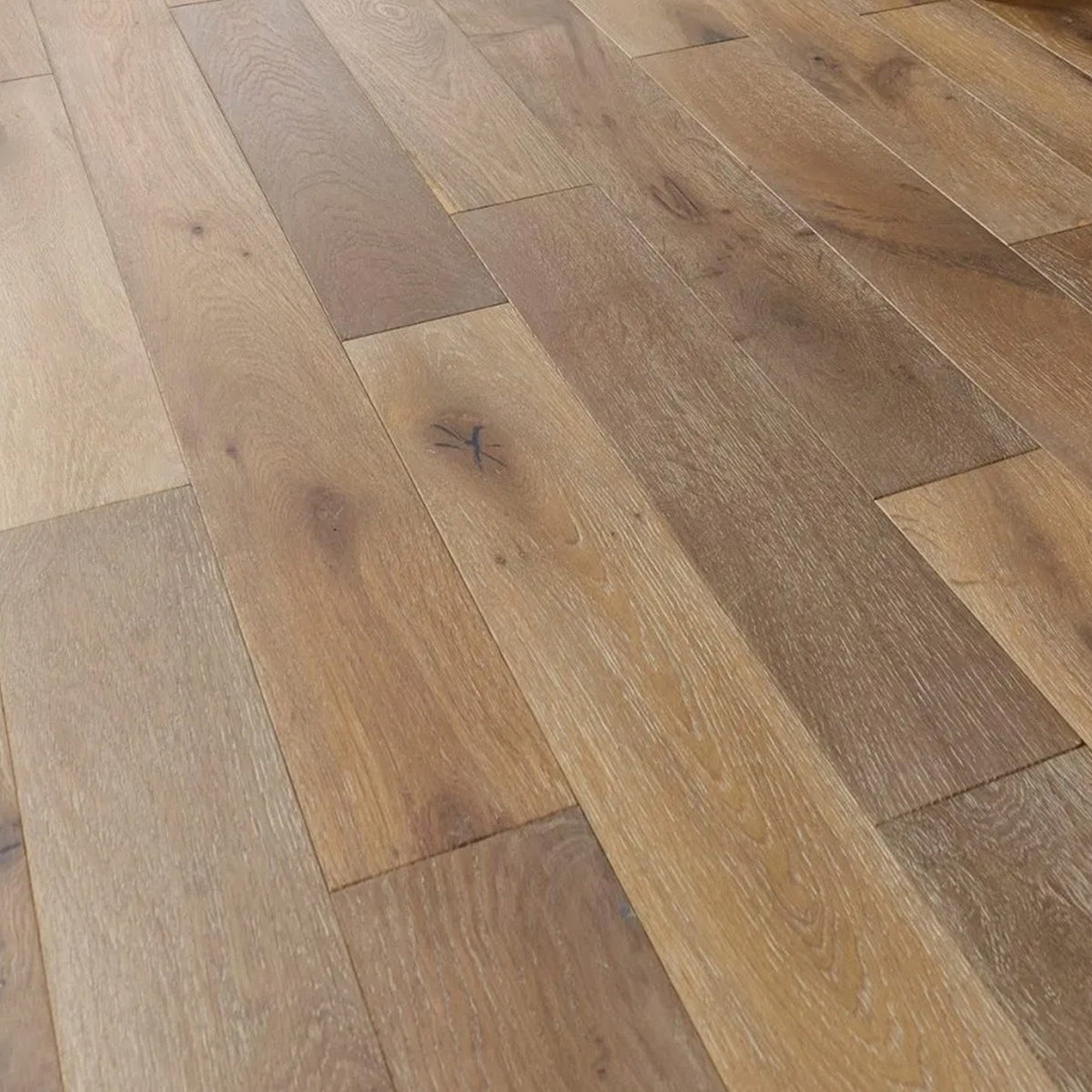
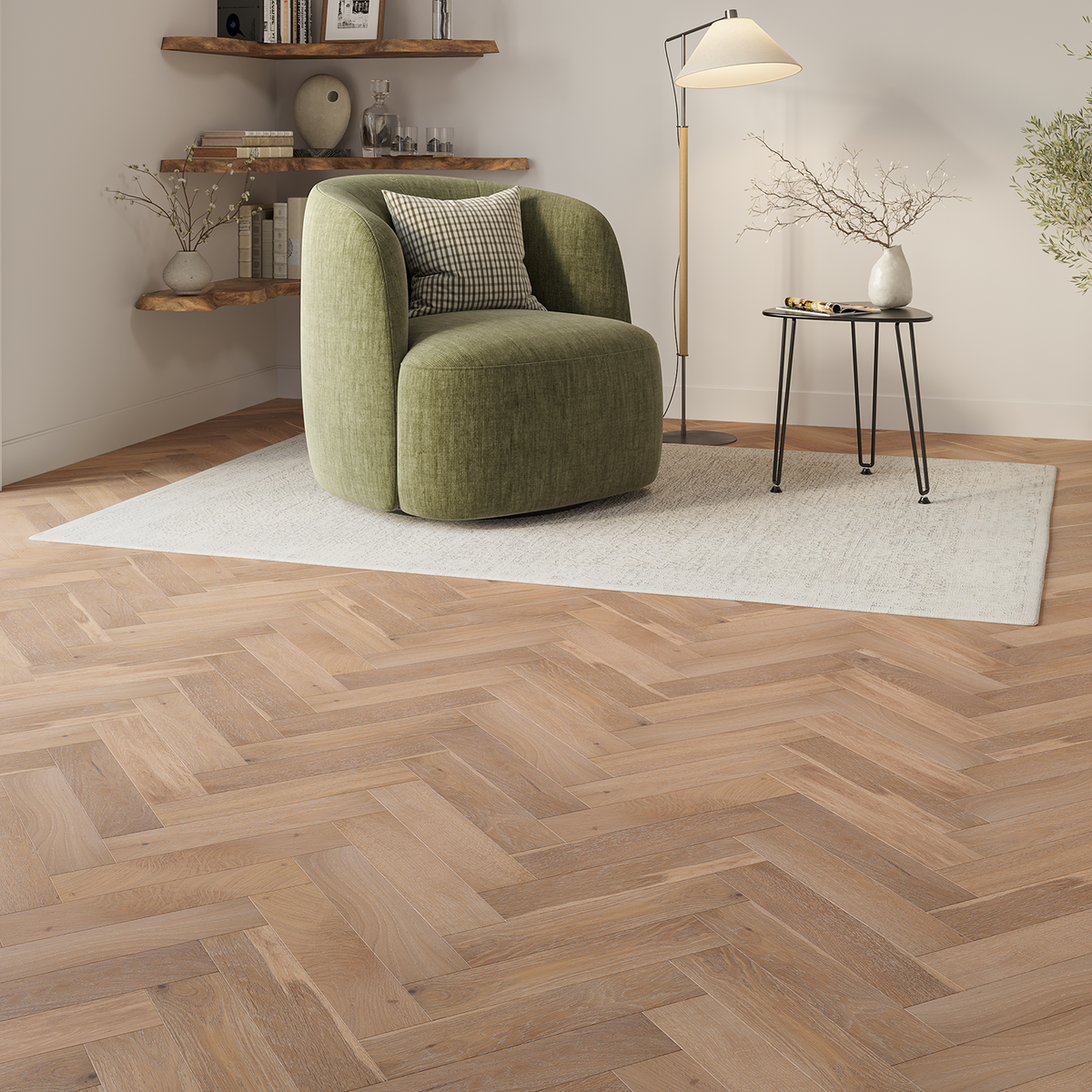
Smoked Grey Brushed & Oiled 14/3 x 125mm Straight Engineered
£45.00 per m²
£99.99 per m²
Save £54.99 per m²
In Stock | Next Day Delivery
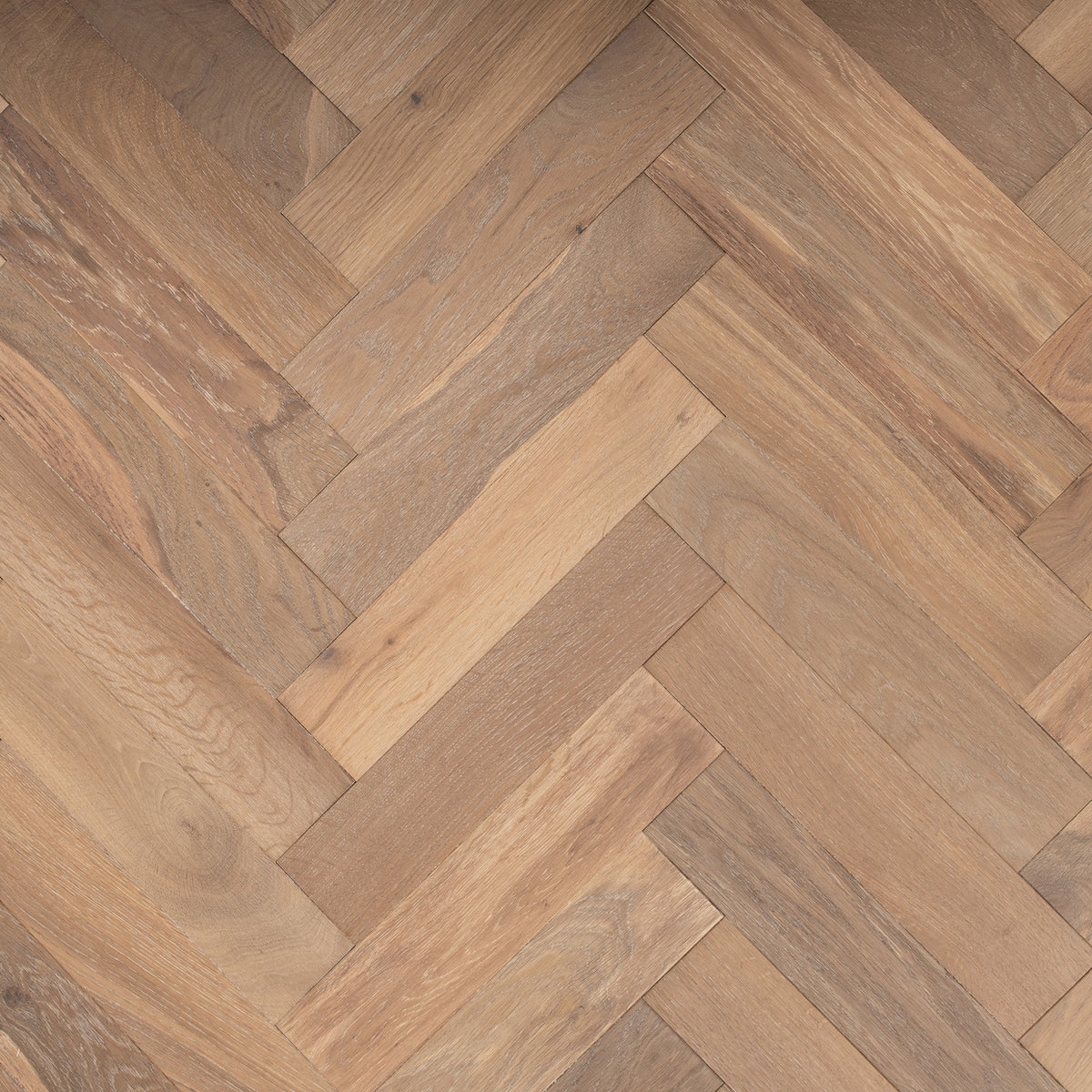
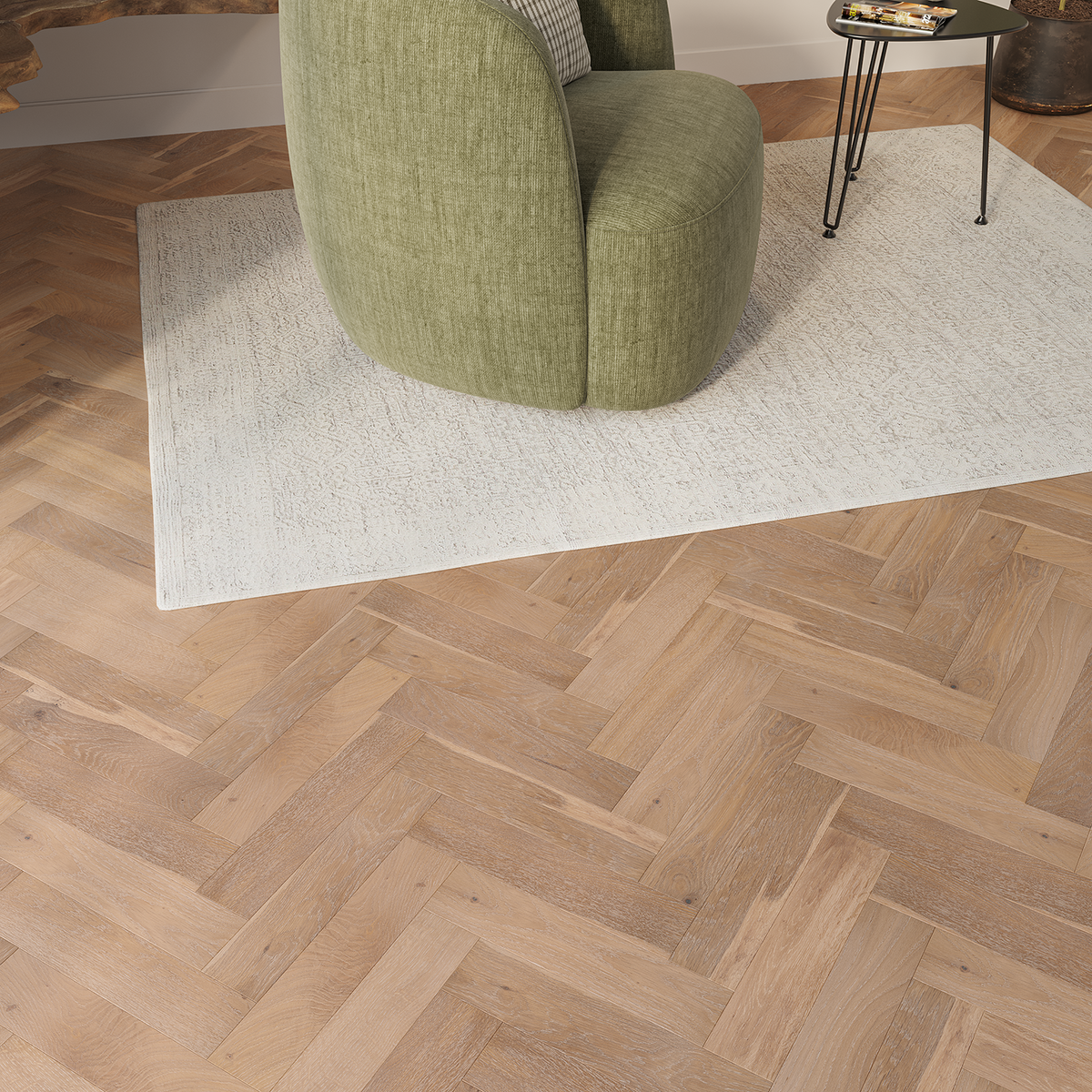
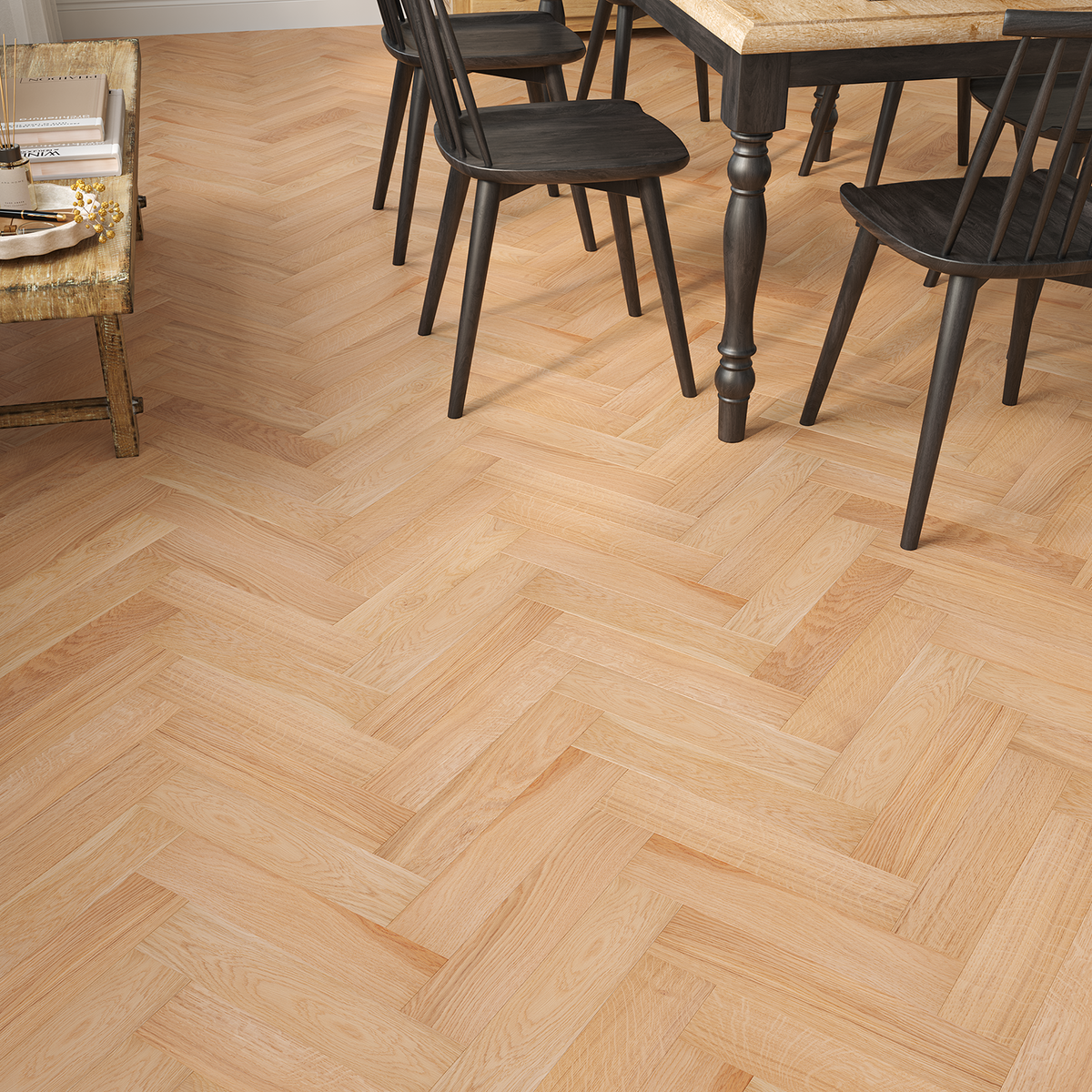
Lindenwood Oak Herringbone Engineered
£40.50 per m²
£89.99 per m²
Save £49.49 per m²
In Stock | Next Day Delivery
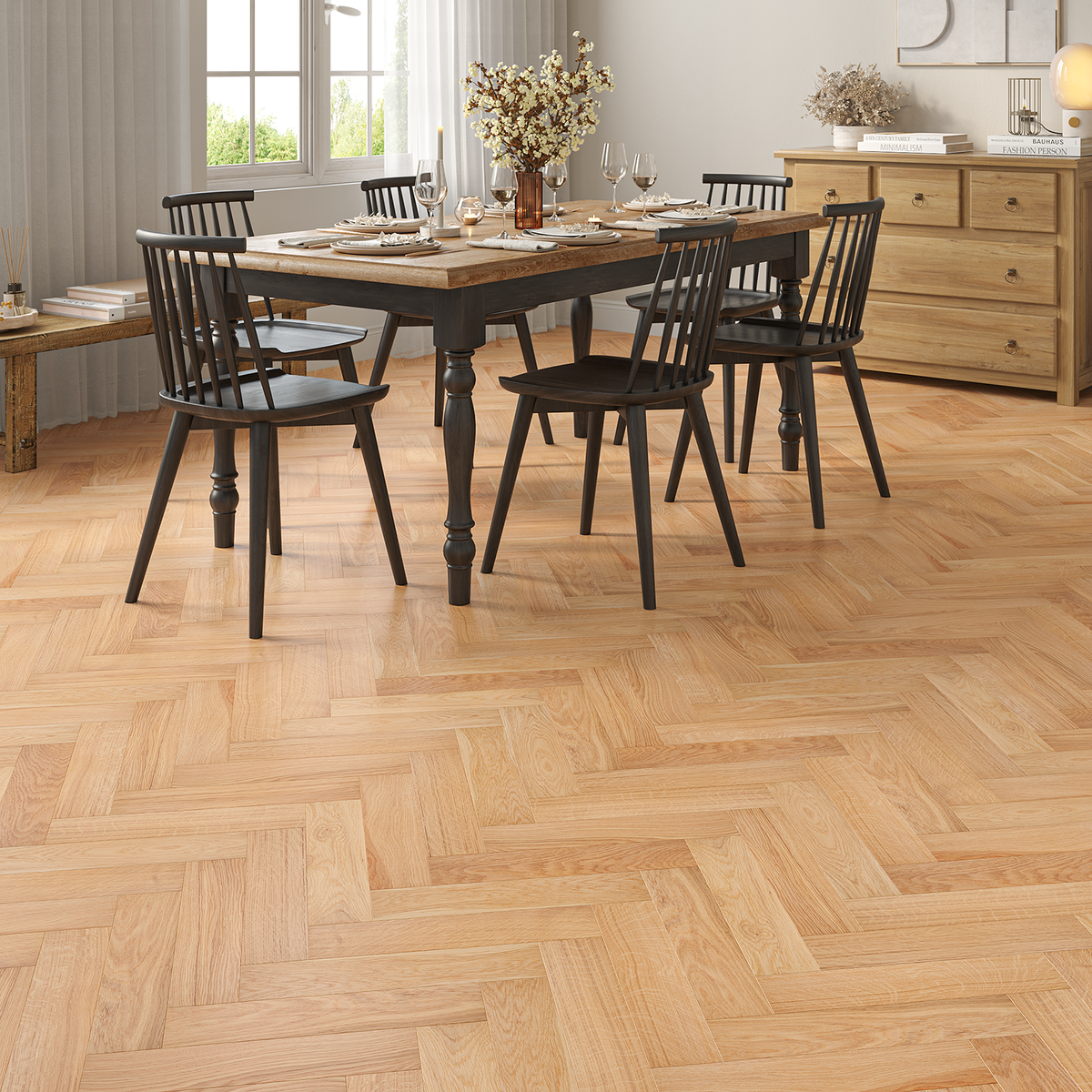
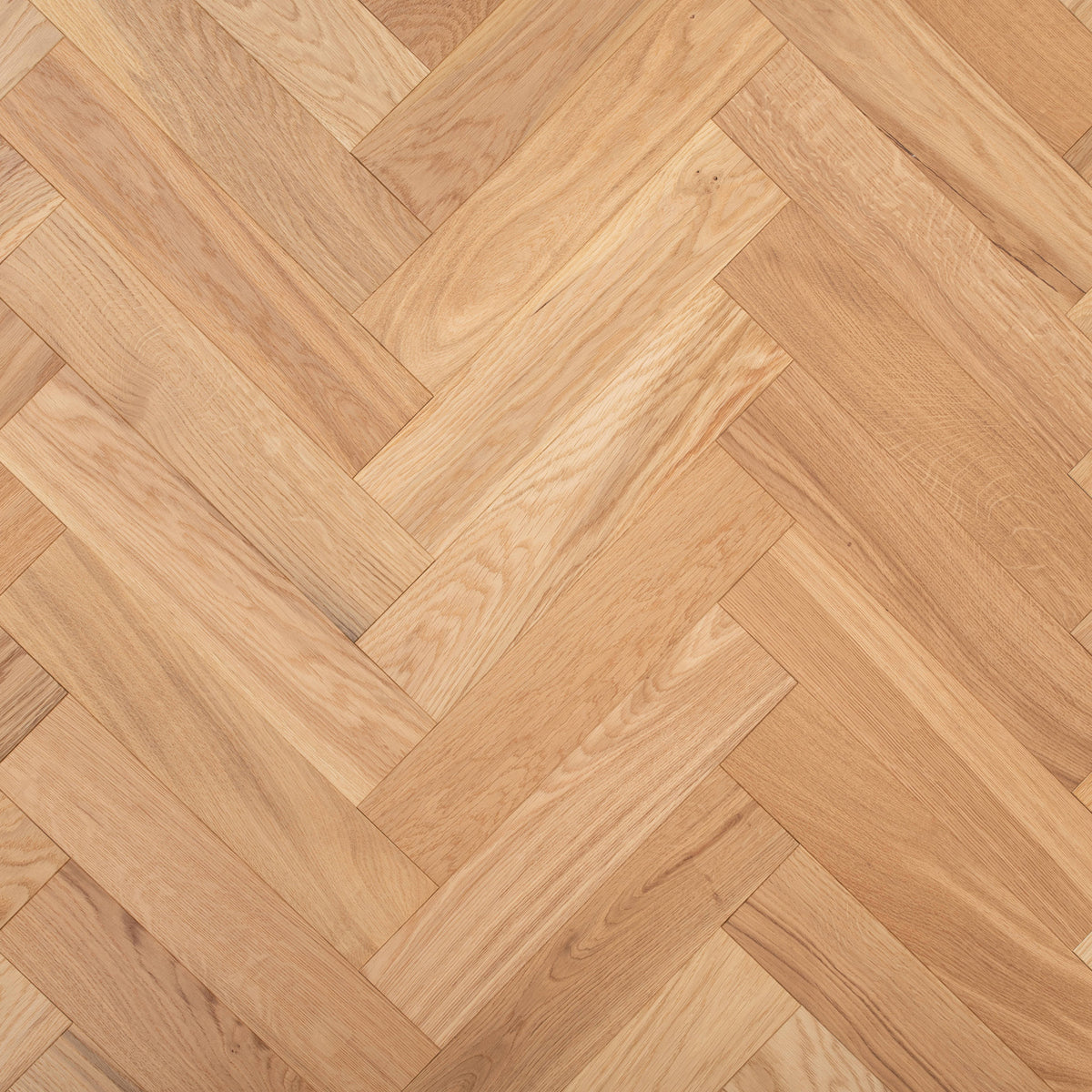
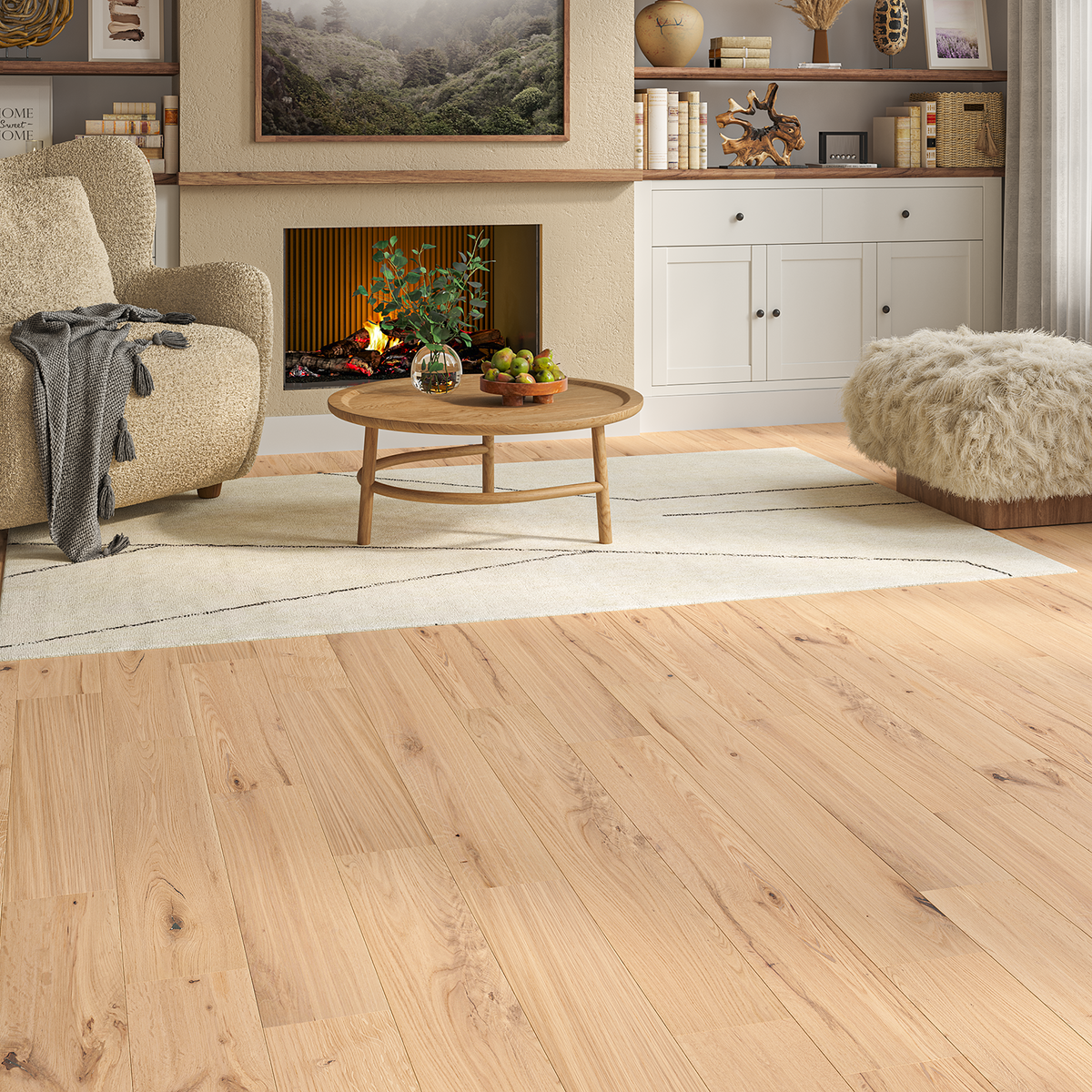
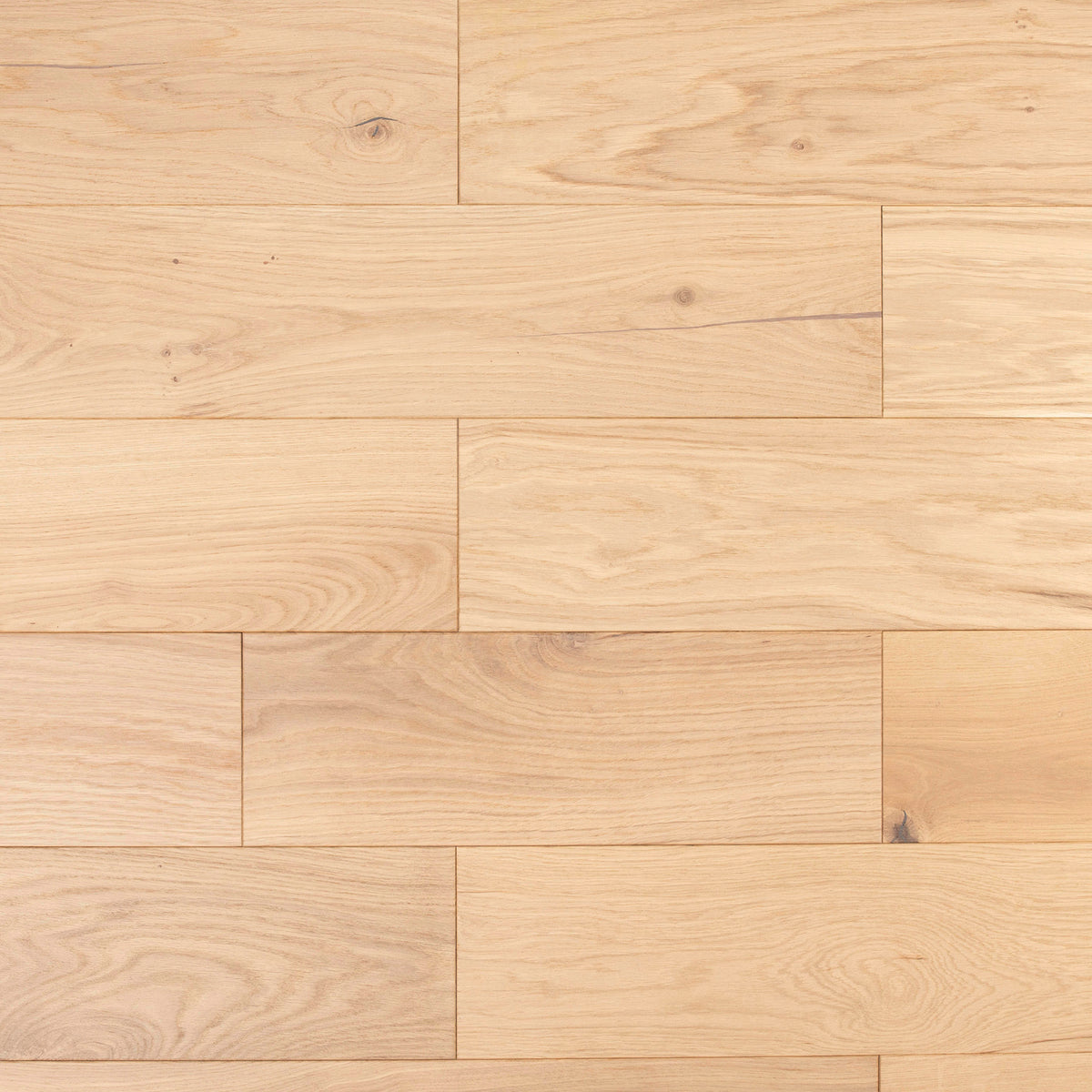
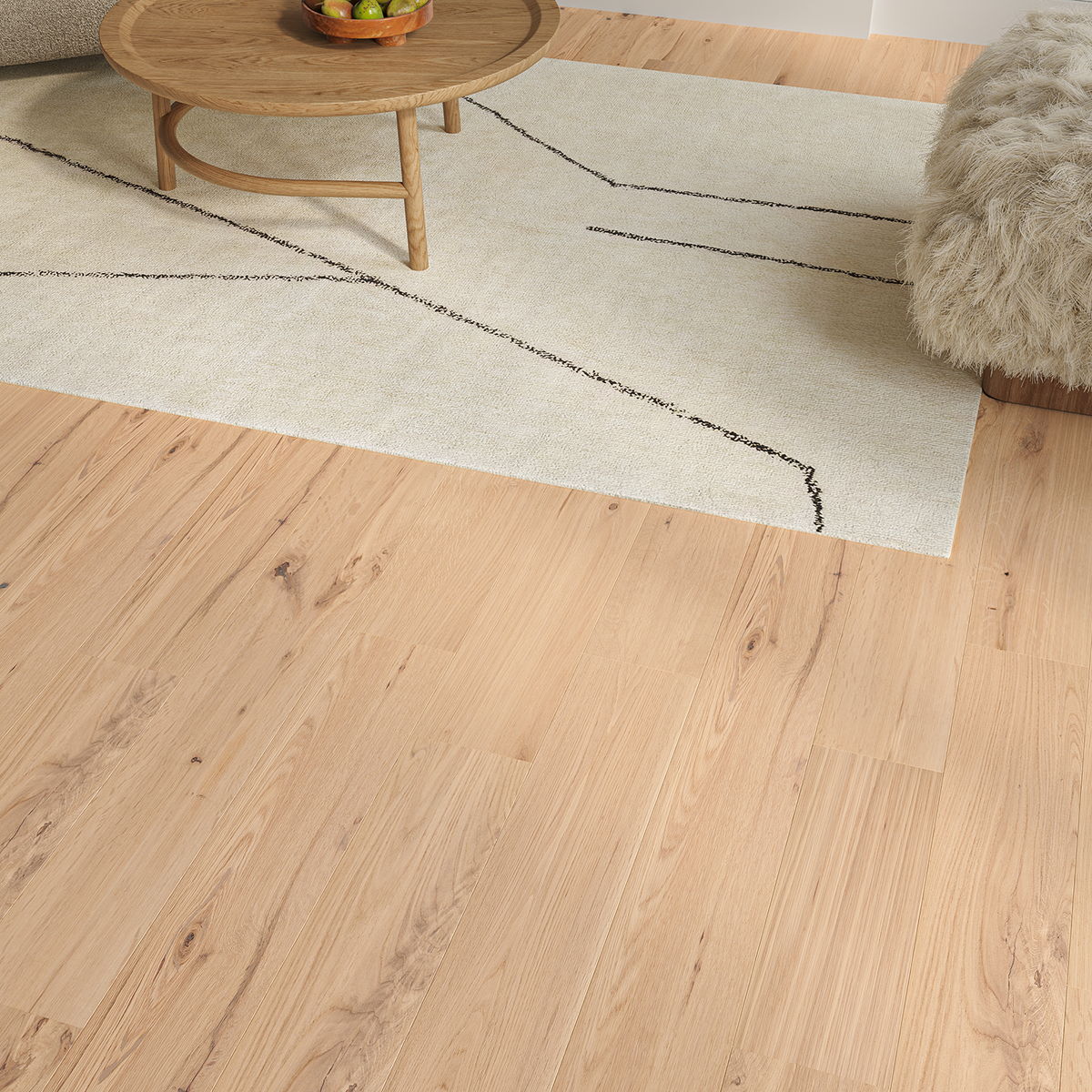
Sovereign Oak Herringbone Engineered
£40.50 per m²
£89.99 per m²
Save £49.49 per m²
In Stock | Next Day Delivery
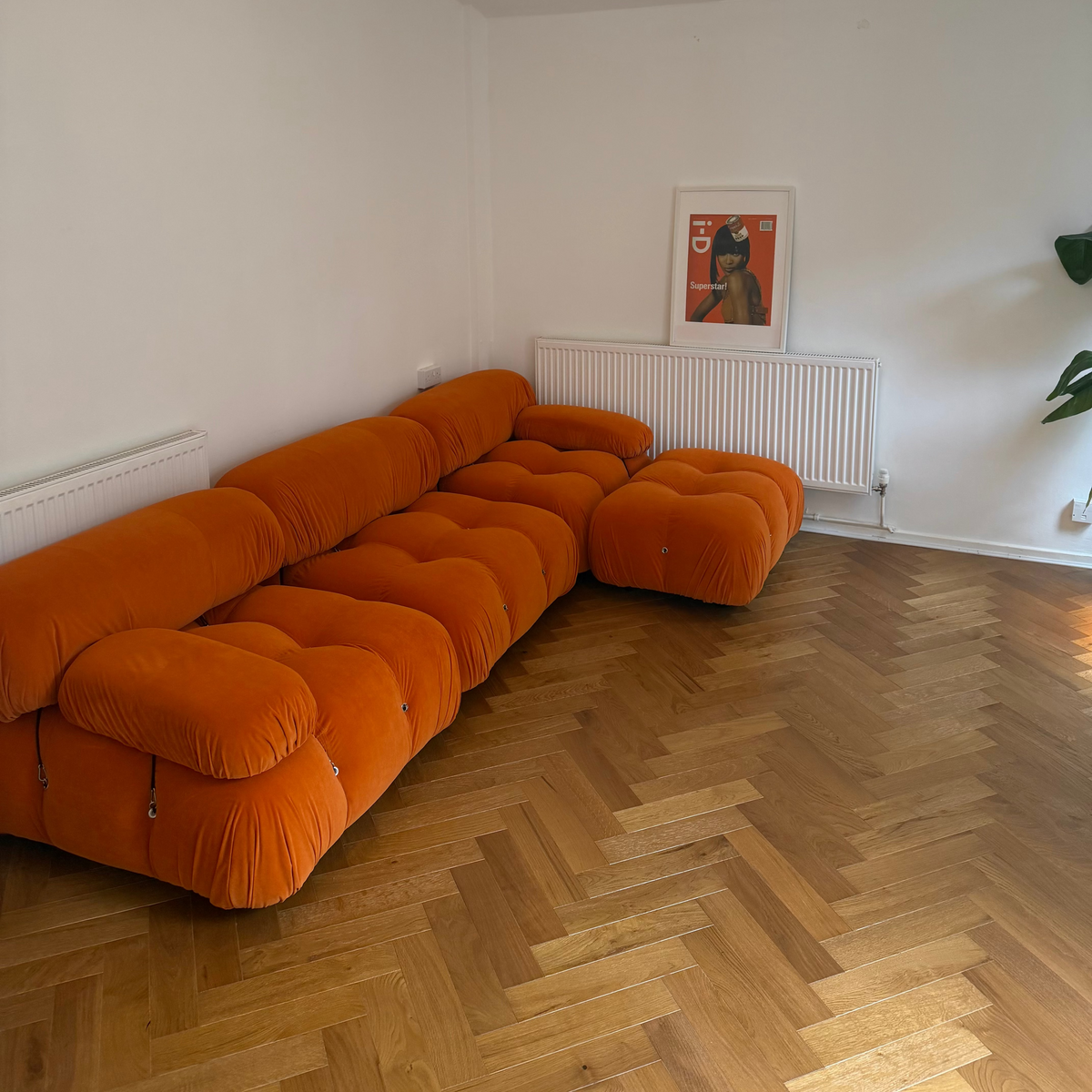
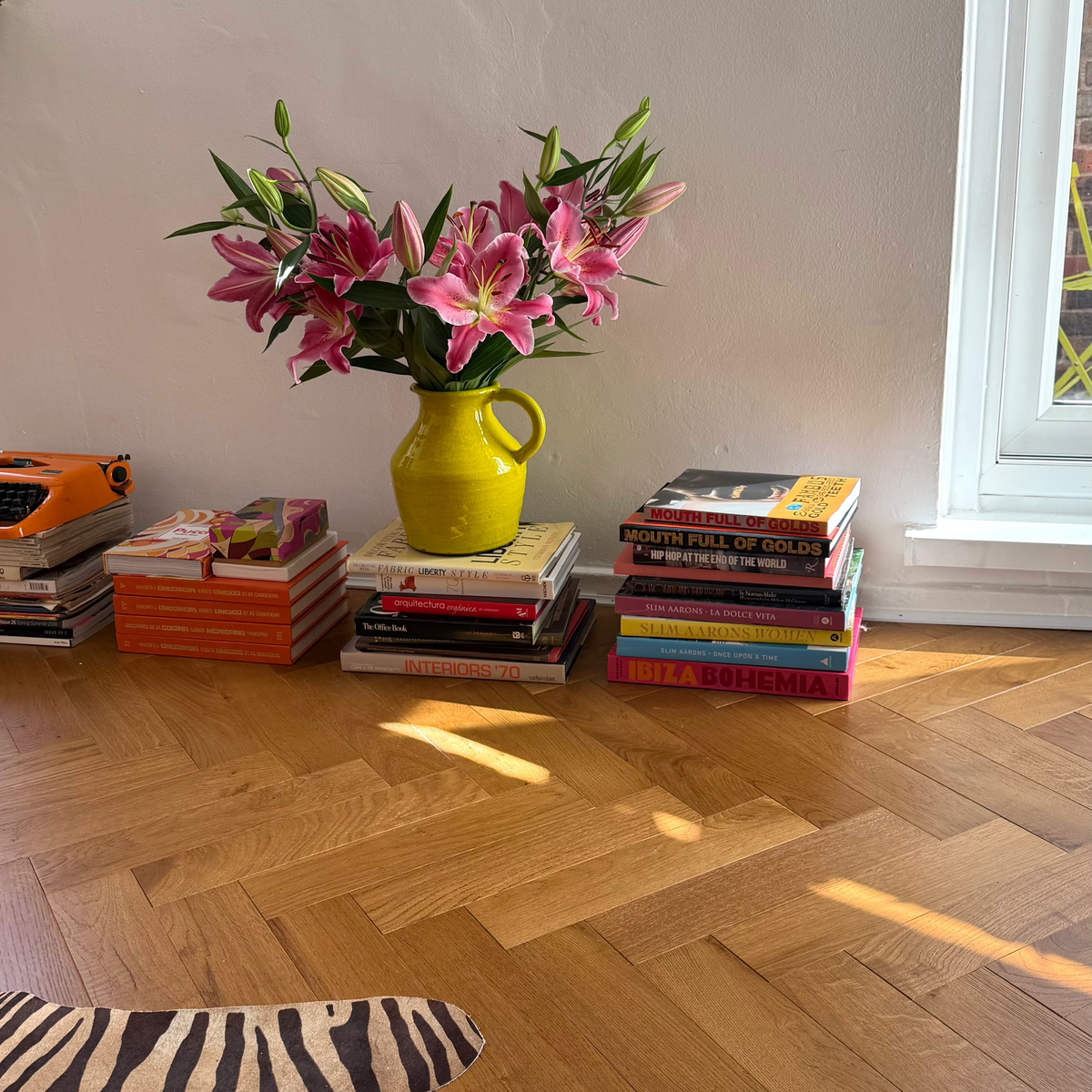
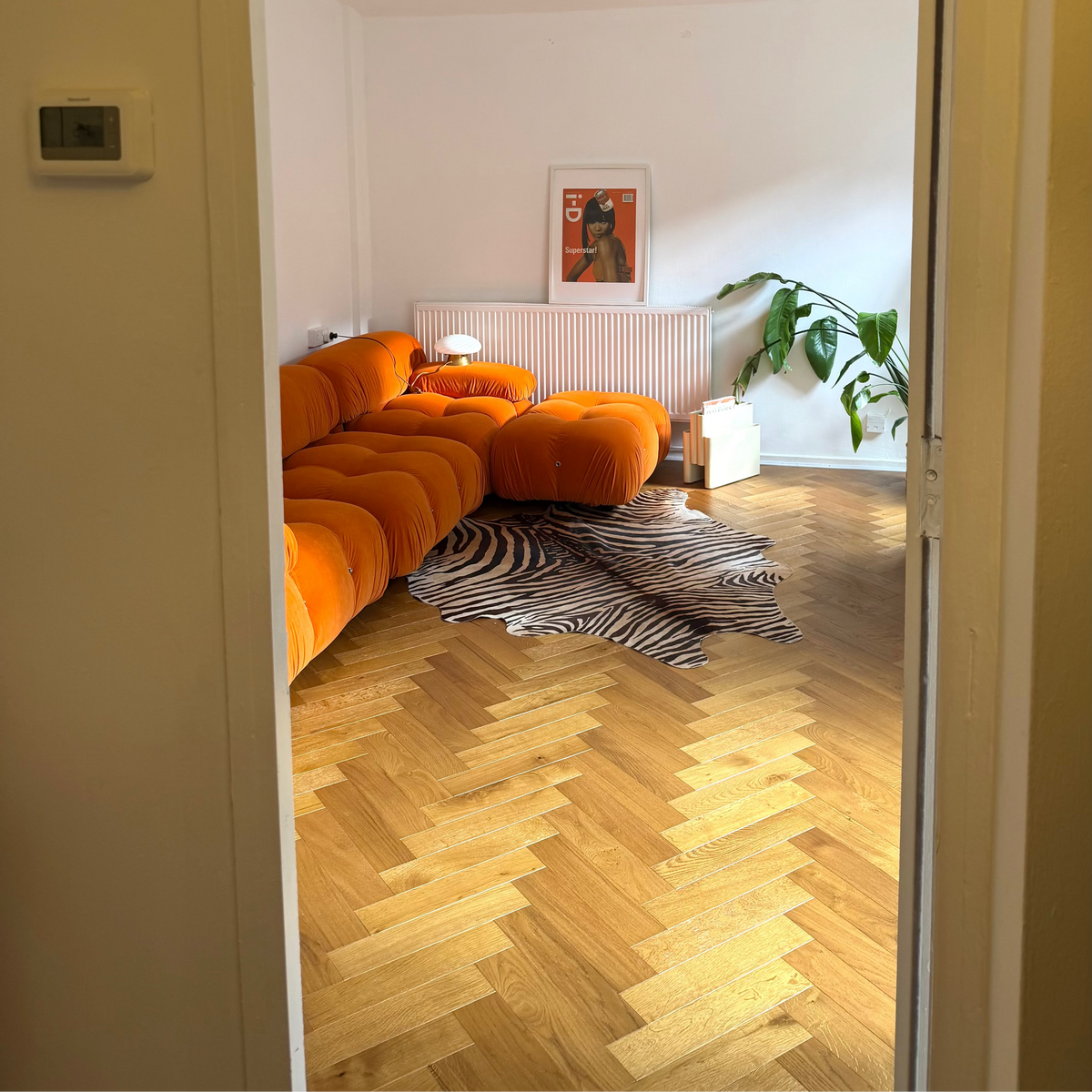
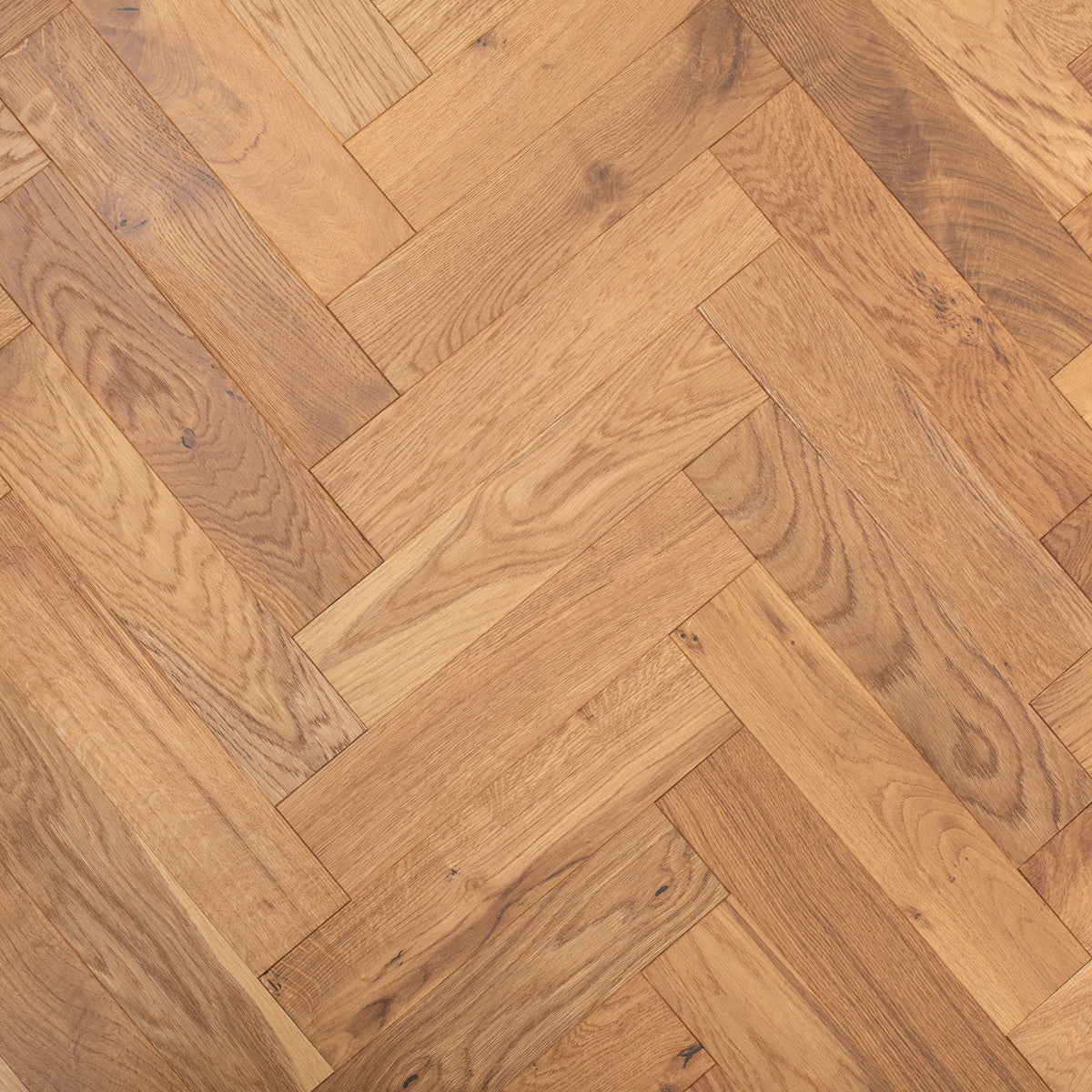
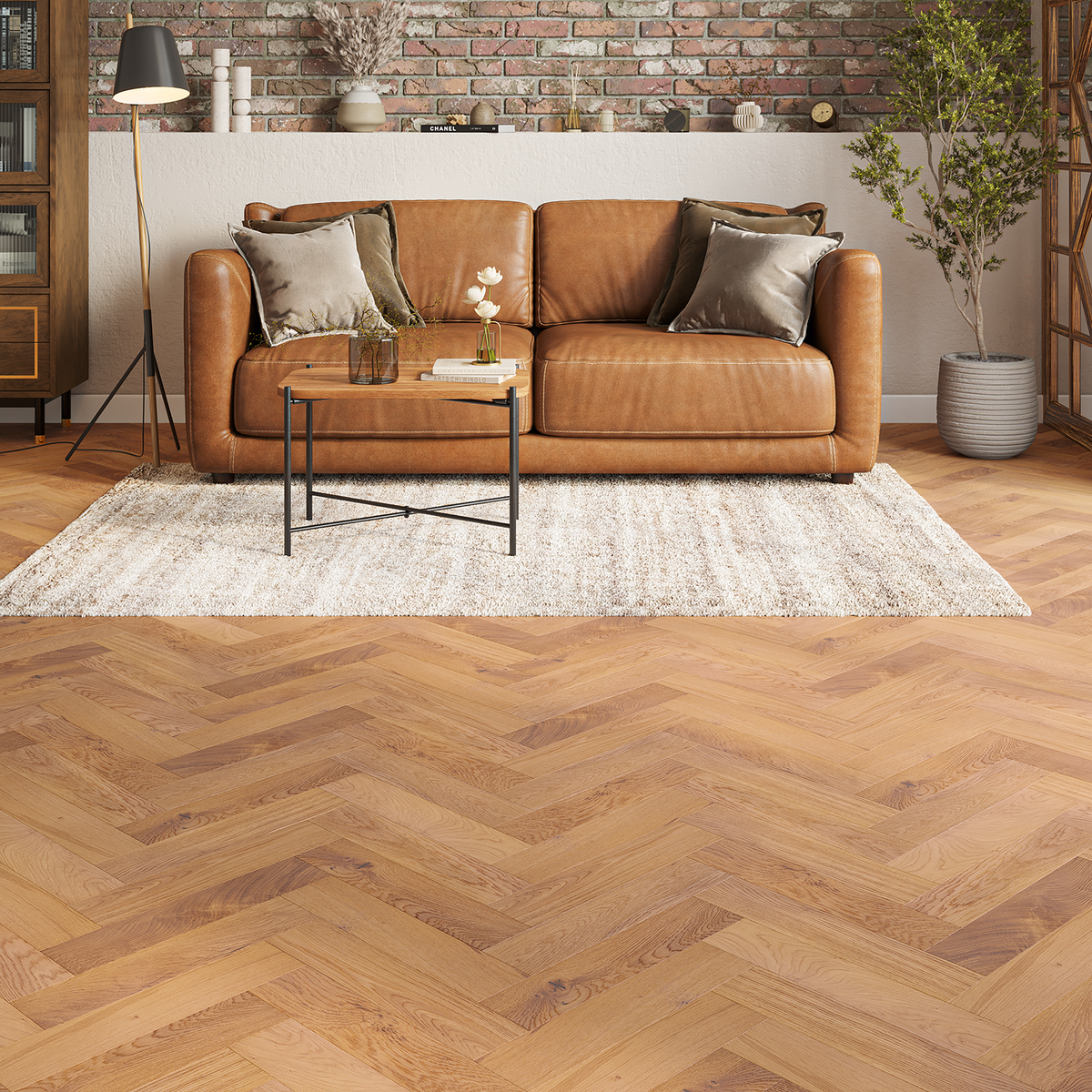
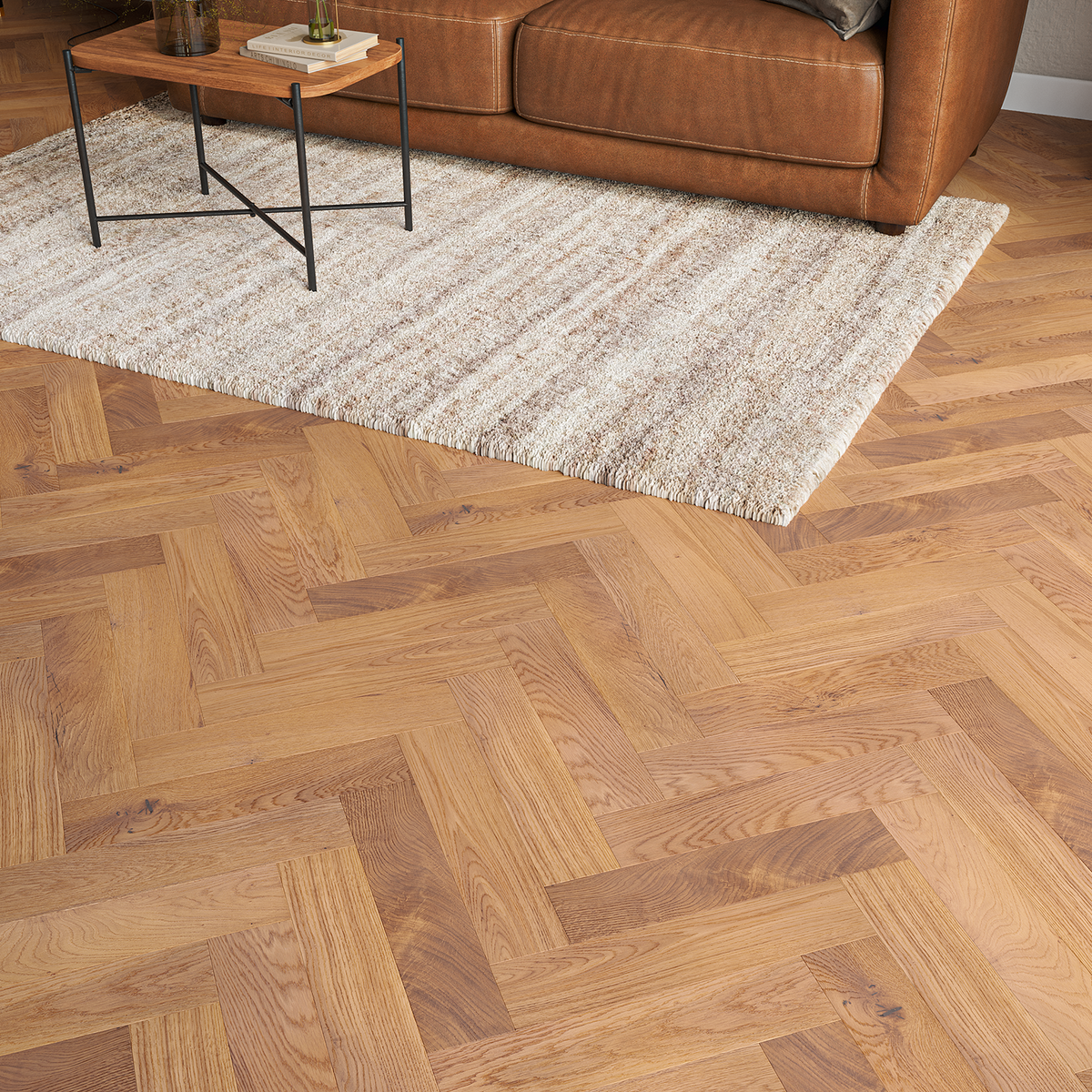
Clover Oak Straight Engineered
£33.75 per m²
£74.99 per m²
Save £41.24 per m²
In Stock | Next Day Delivery
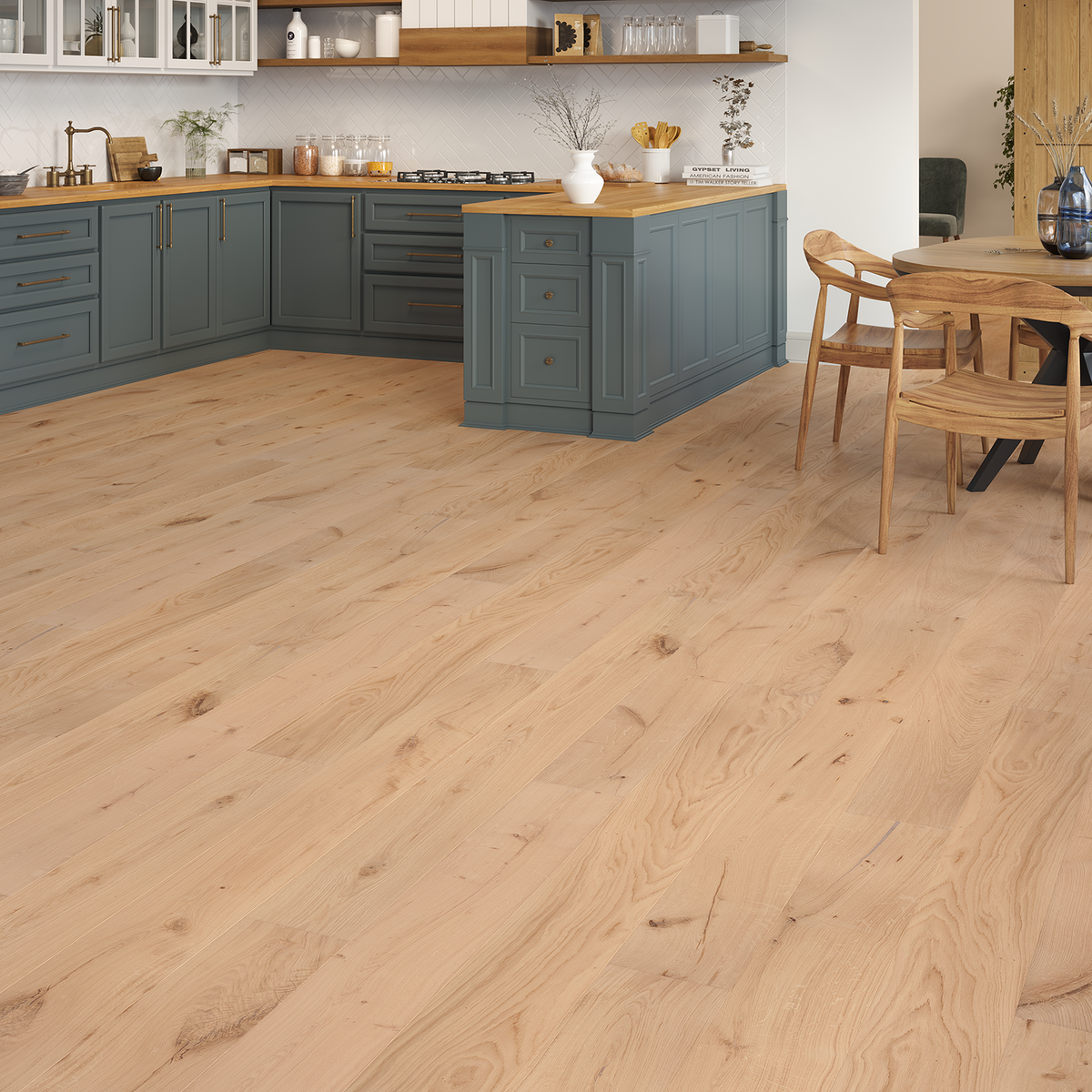
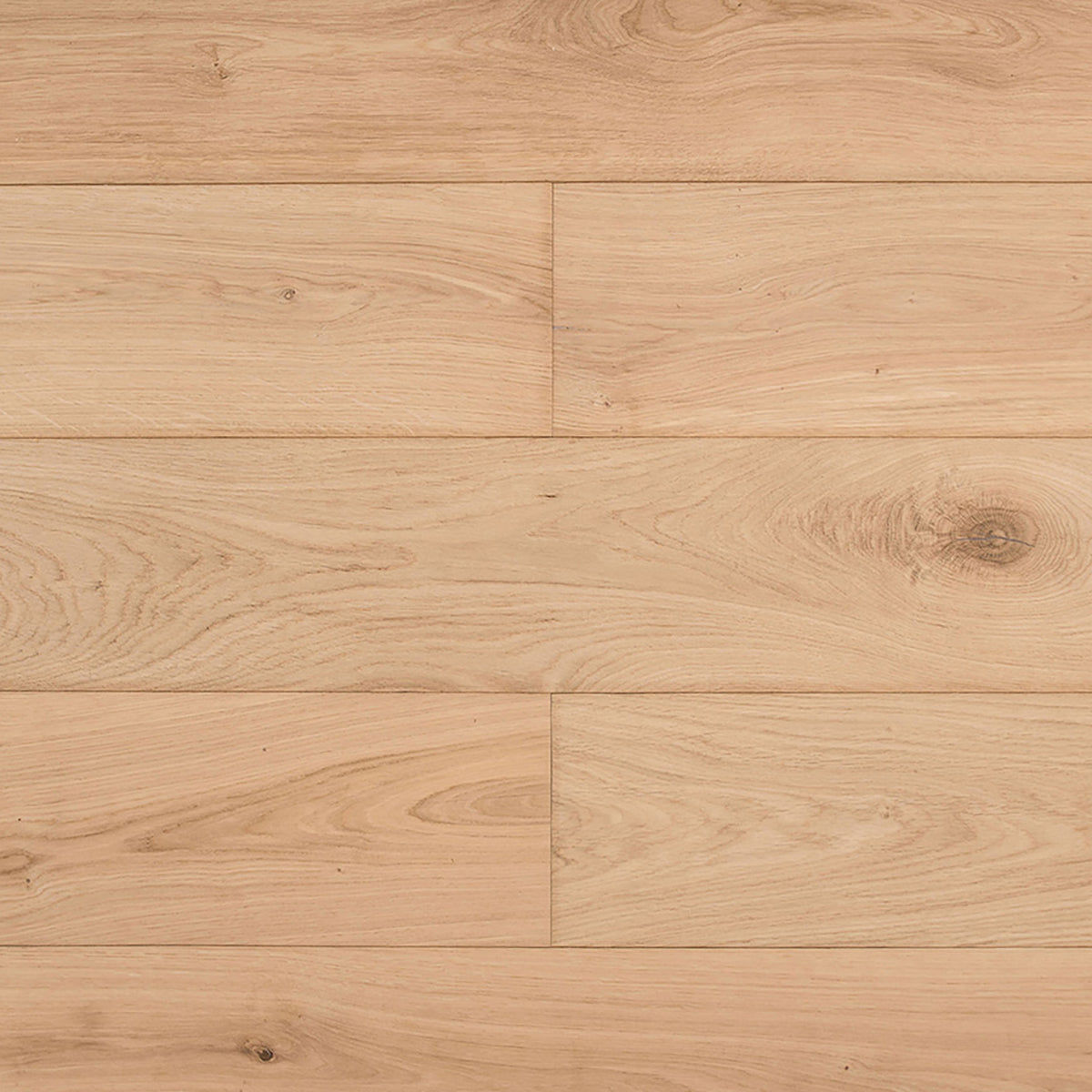
Sienna Oak Herringbone Engineered
£40.50 per m²
£89.99 per m²
Save £49.49 per m²
In Stock | Next Day Delivery
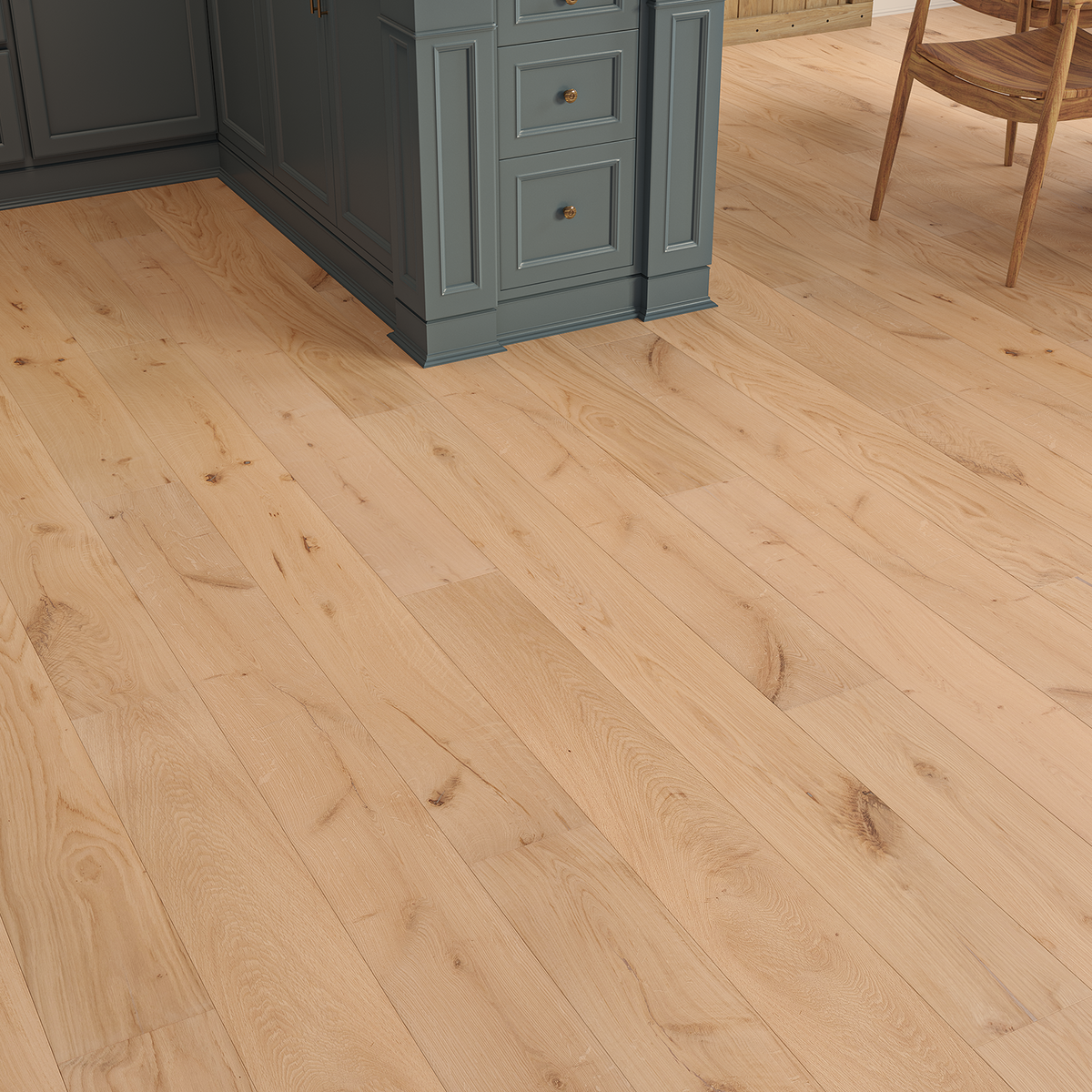
Petunia Oak Straight Engineered
£36.00 per m²
£79.99 per m²
Save £43.99 per m²



Running out of stock - Order Now
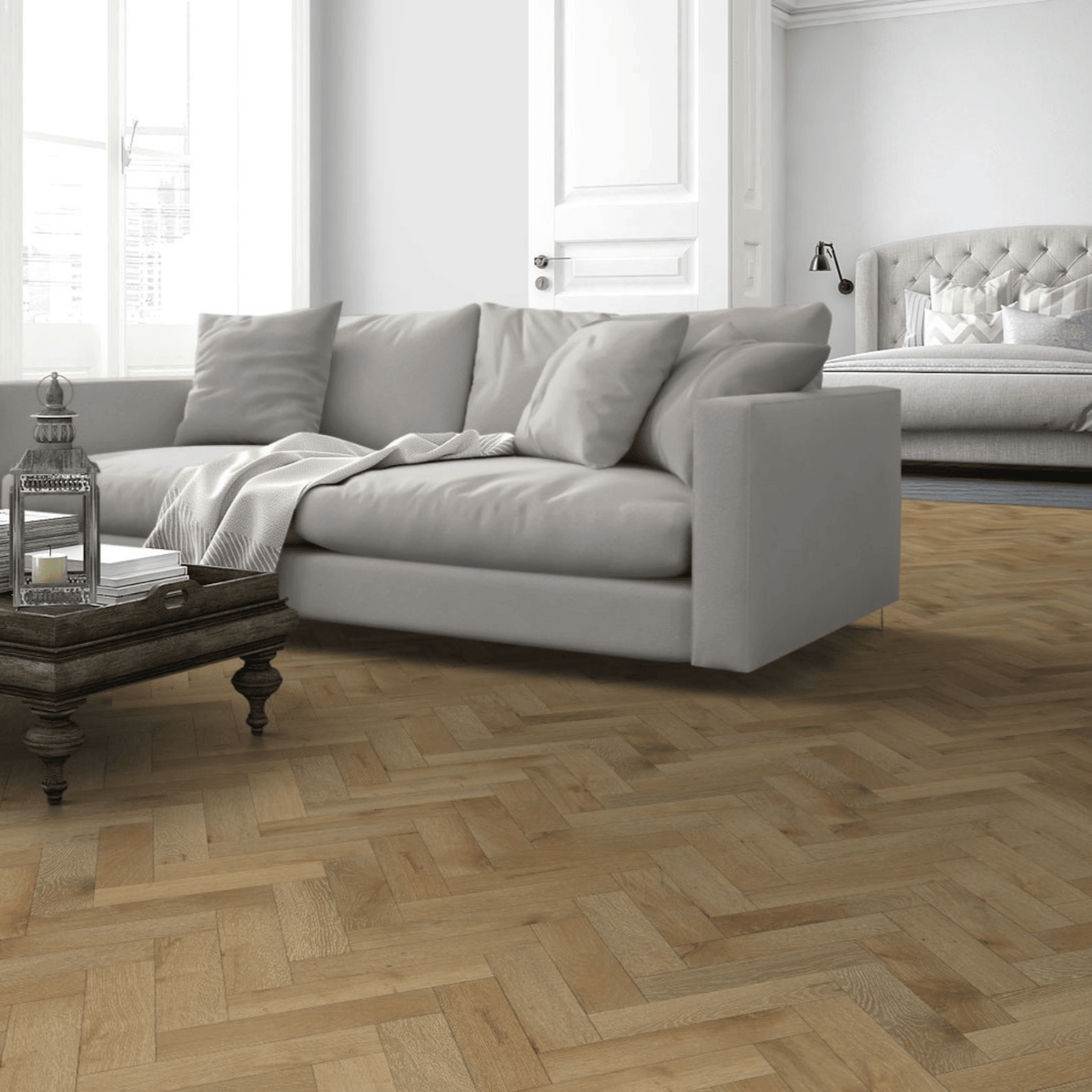
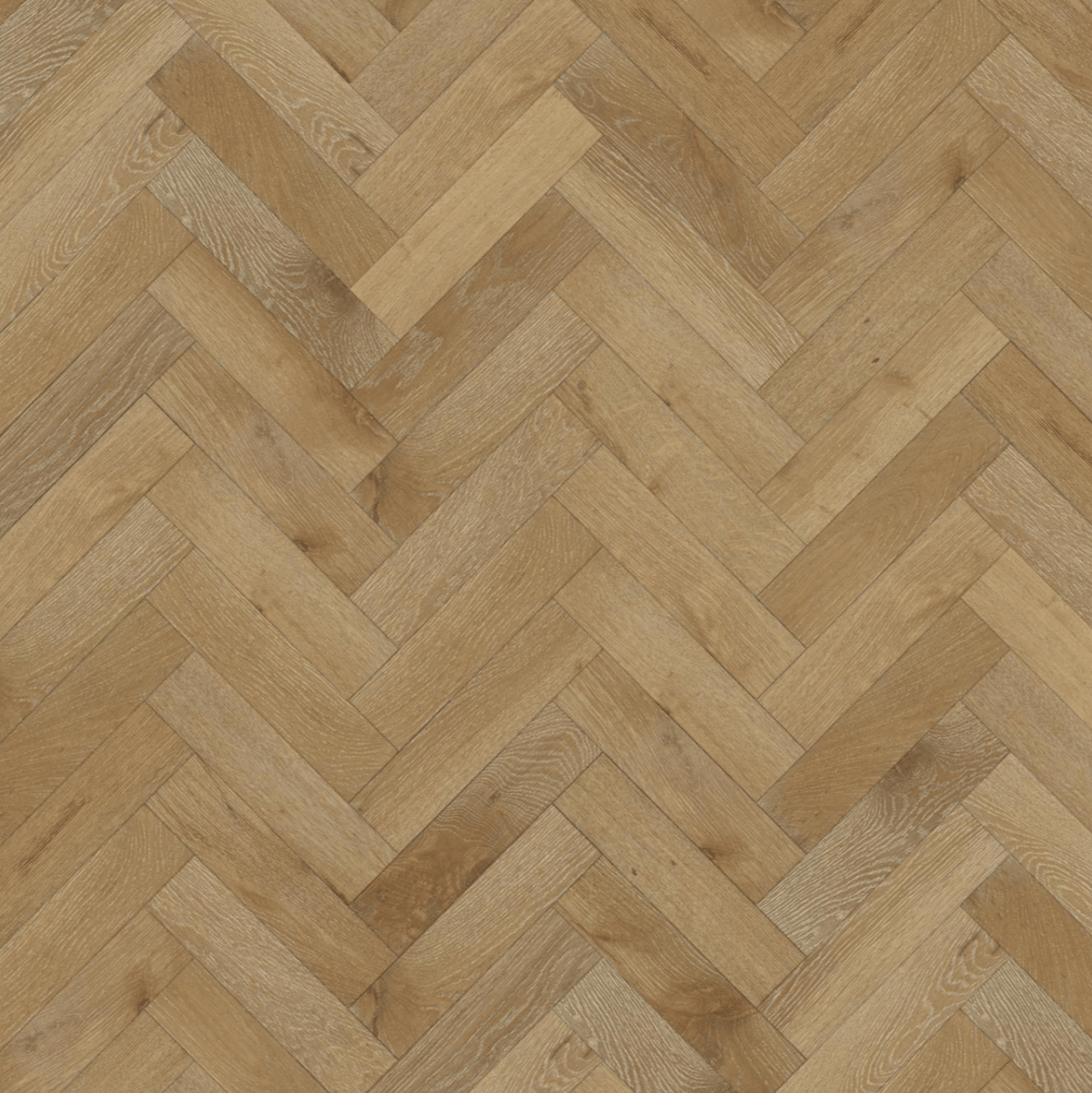
Croissant 15/4 x 90mm Herringbone Engineered
£44.75 per m²
£99.45 per m²
Save £54.70 per m²
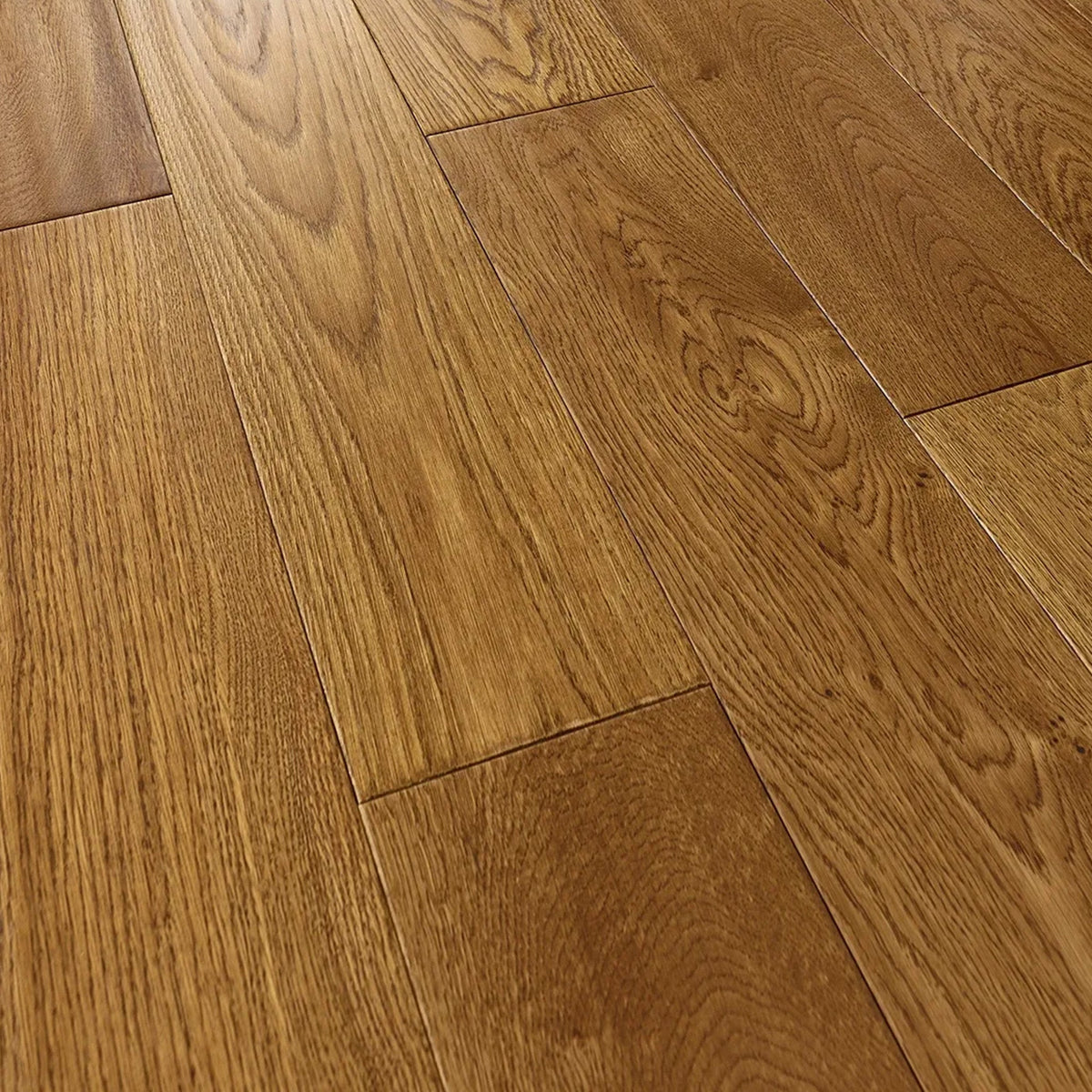
In Stock | Next Day Delivery
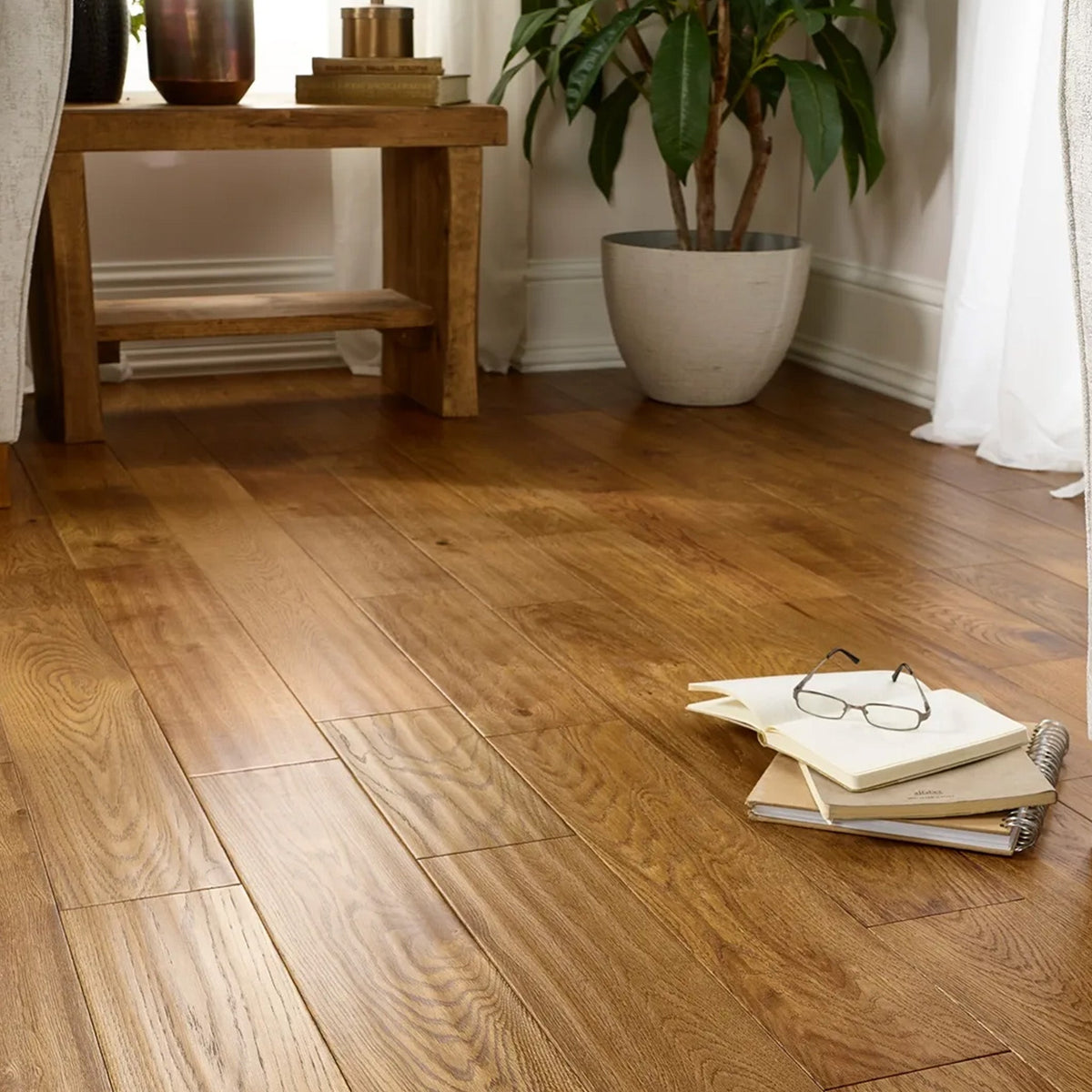
Golden Handscraped Lacquered 18/5 x 150mm Straight Engineered
£54.00 per m²
£119.99 per m²
Save £65.99 per m²
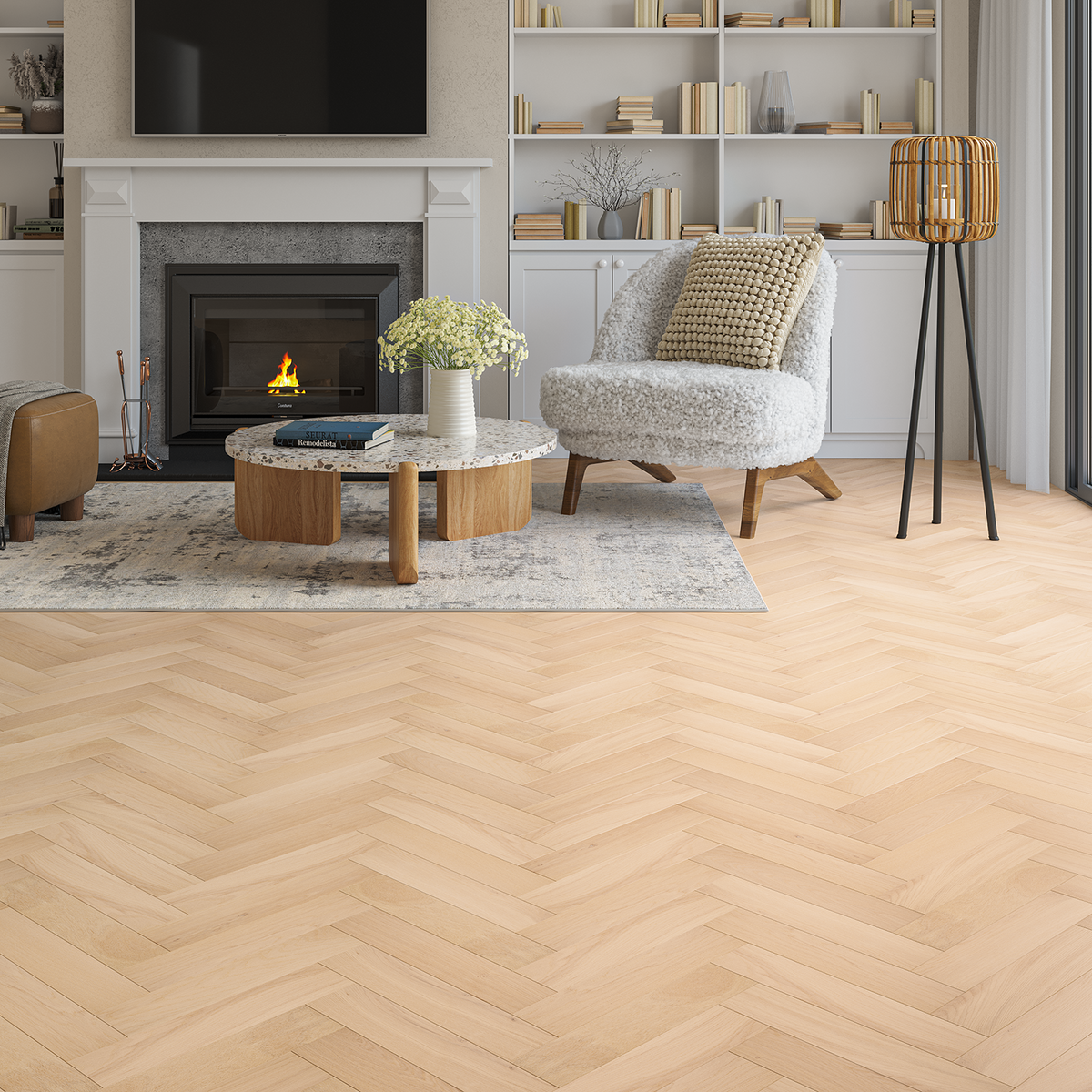
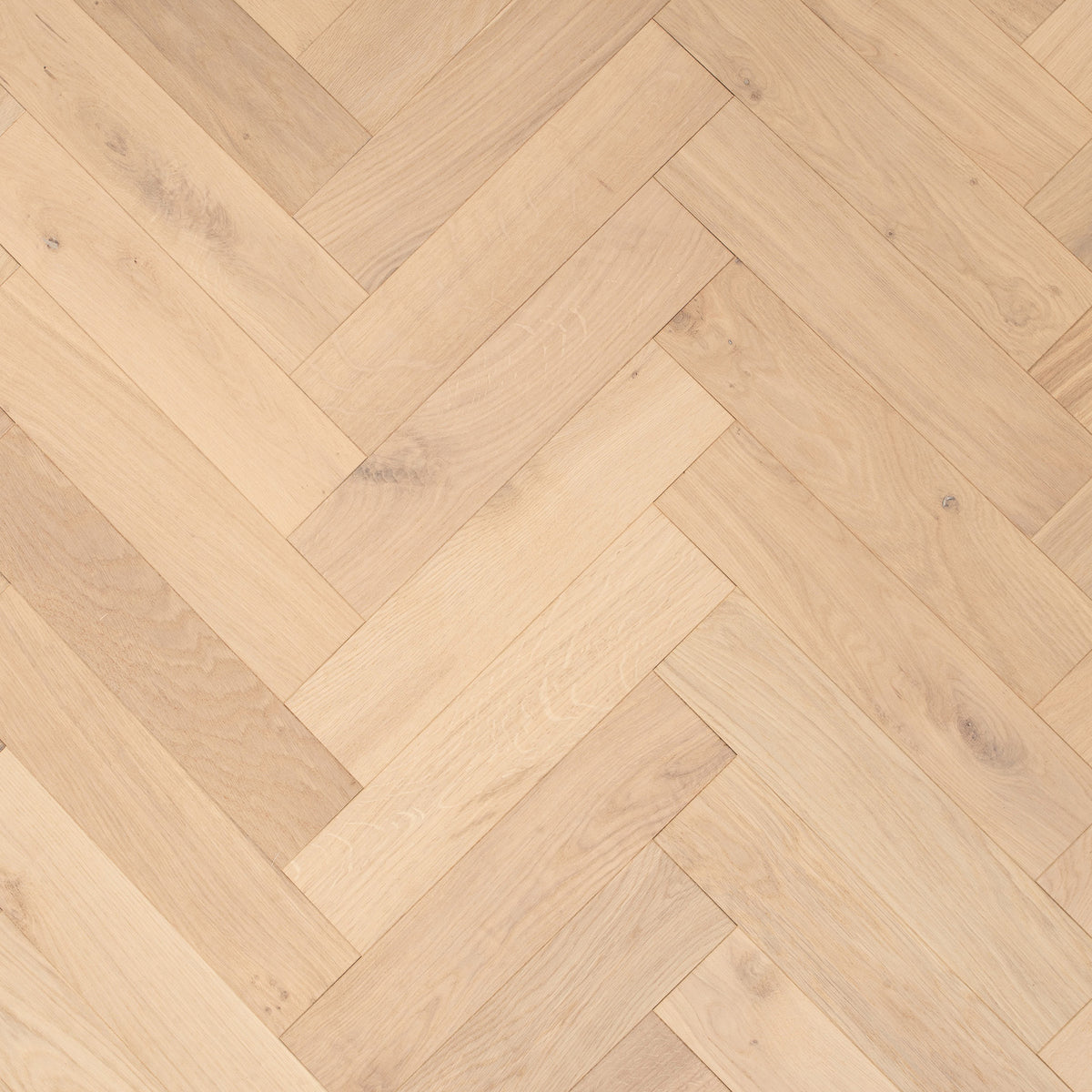
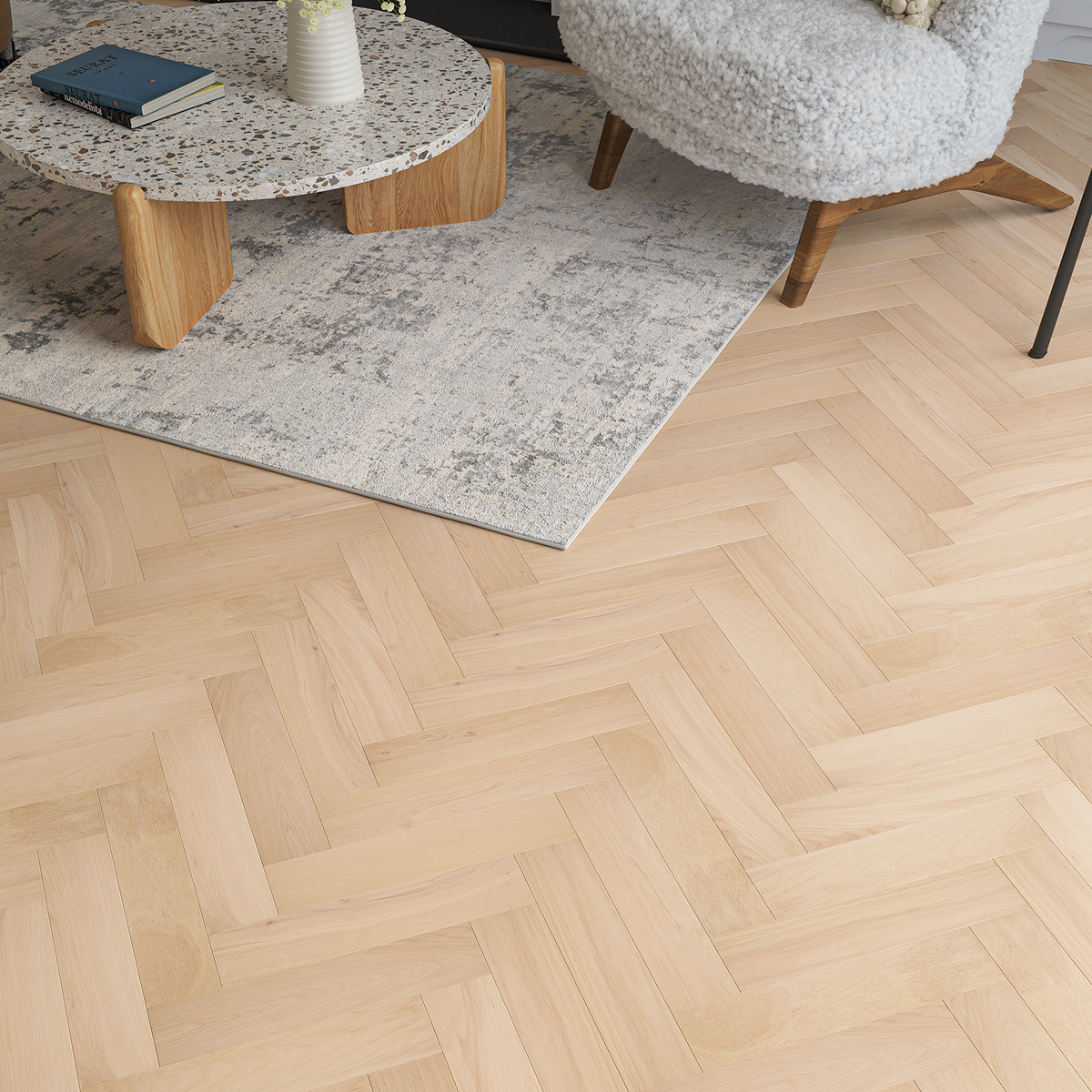
In Stock | Next Day Delivery
Sungrain Oak Herringbone Engineered
£40.50 per m²
£89.99 per m²
Save £49.49 per m²
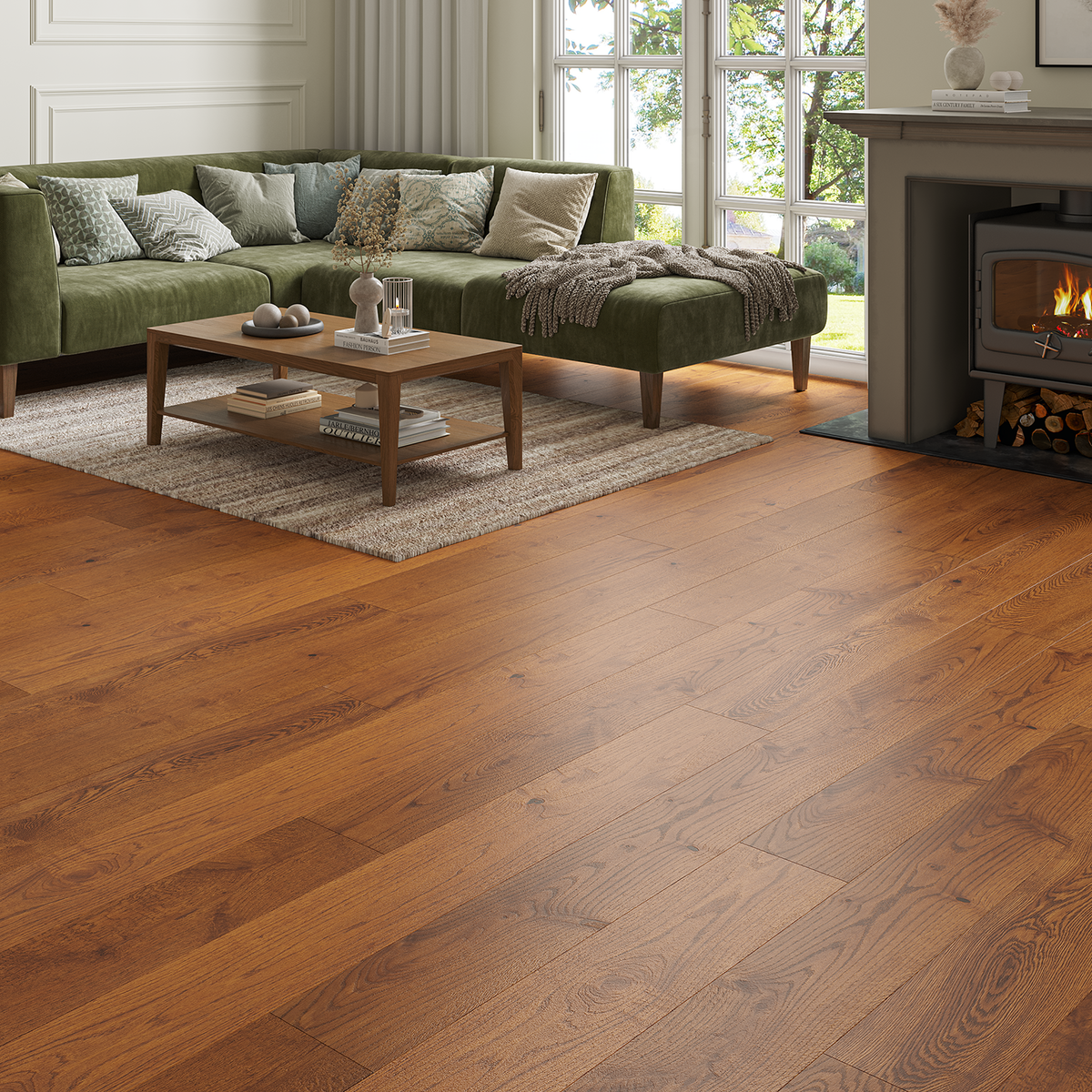
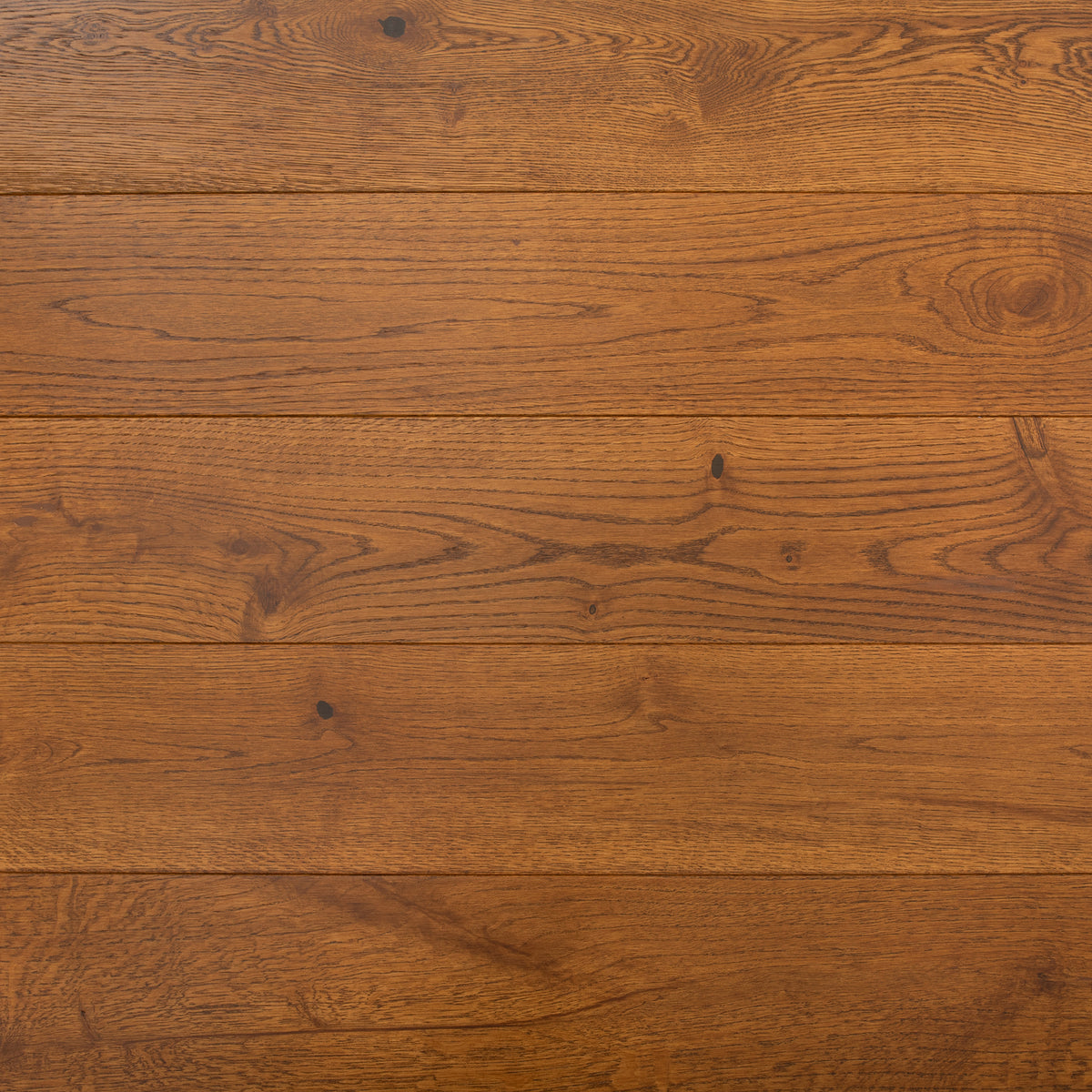
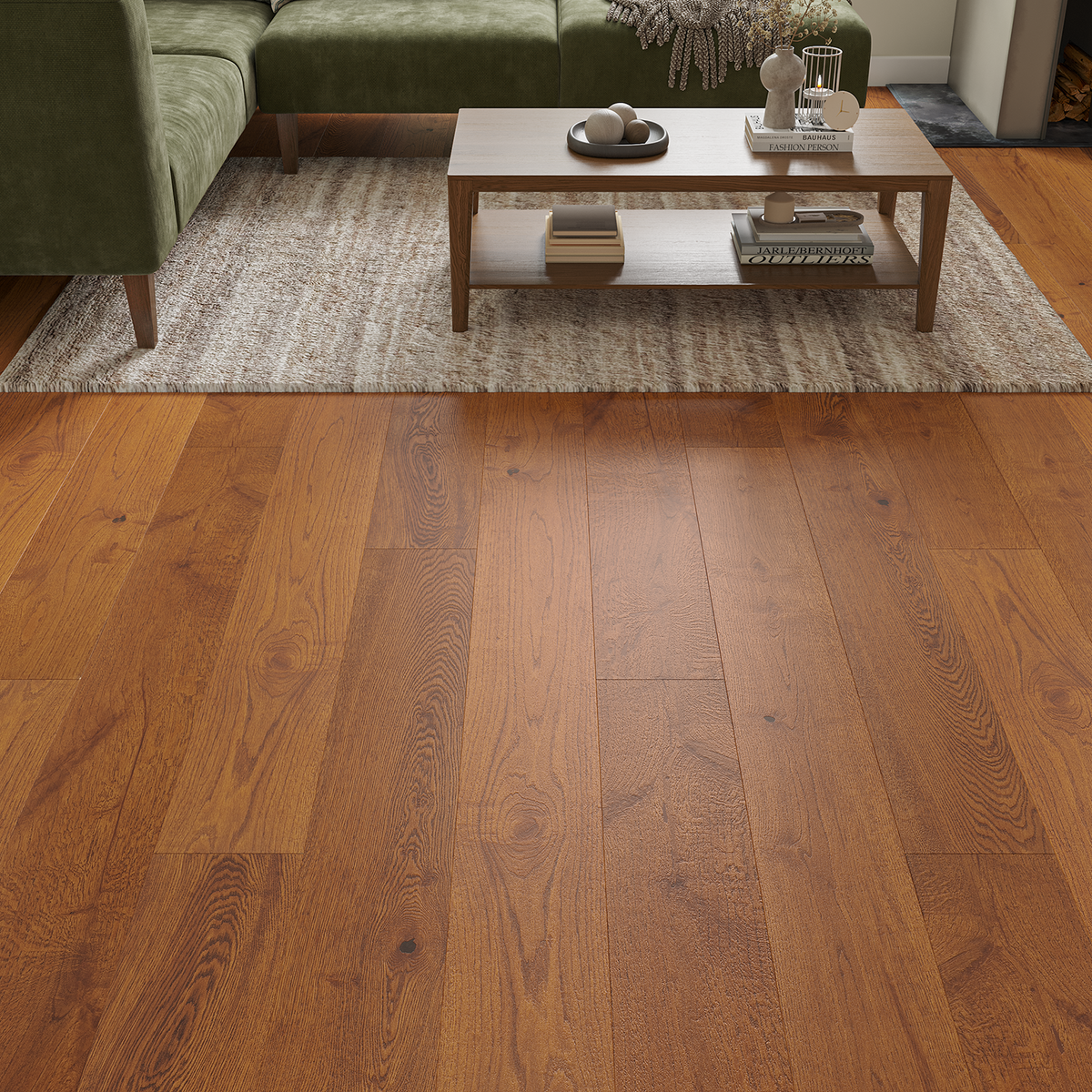
In Stock | Next Day Delivery
Linden Oak Straight Engineered
£36.00 per m²
£79.99 per m²
Save £43.99 per m²
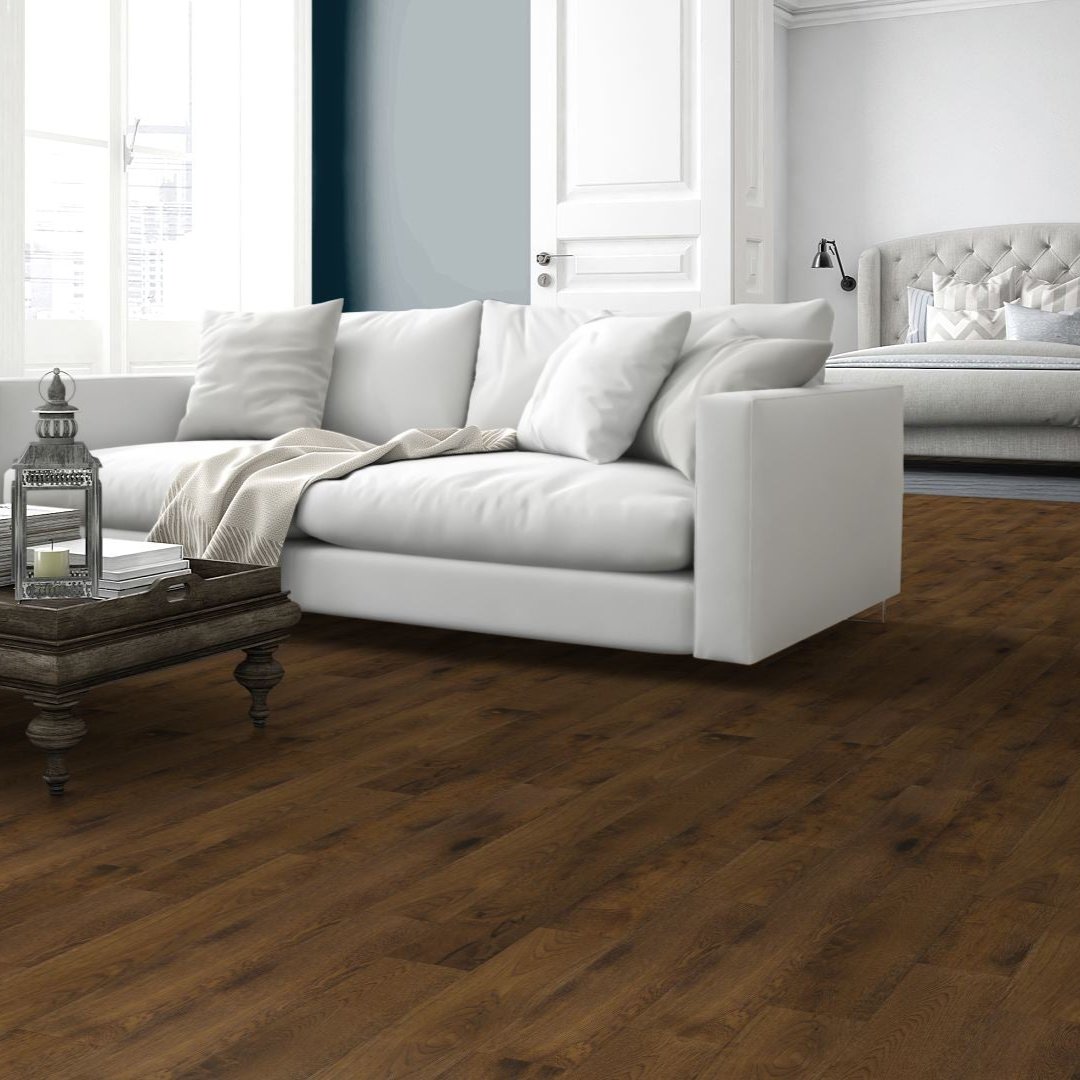
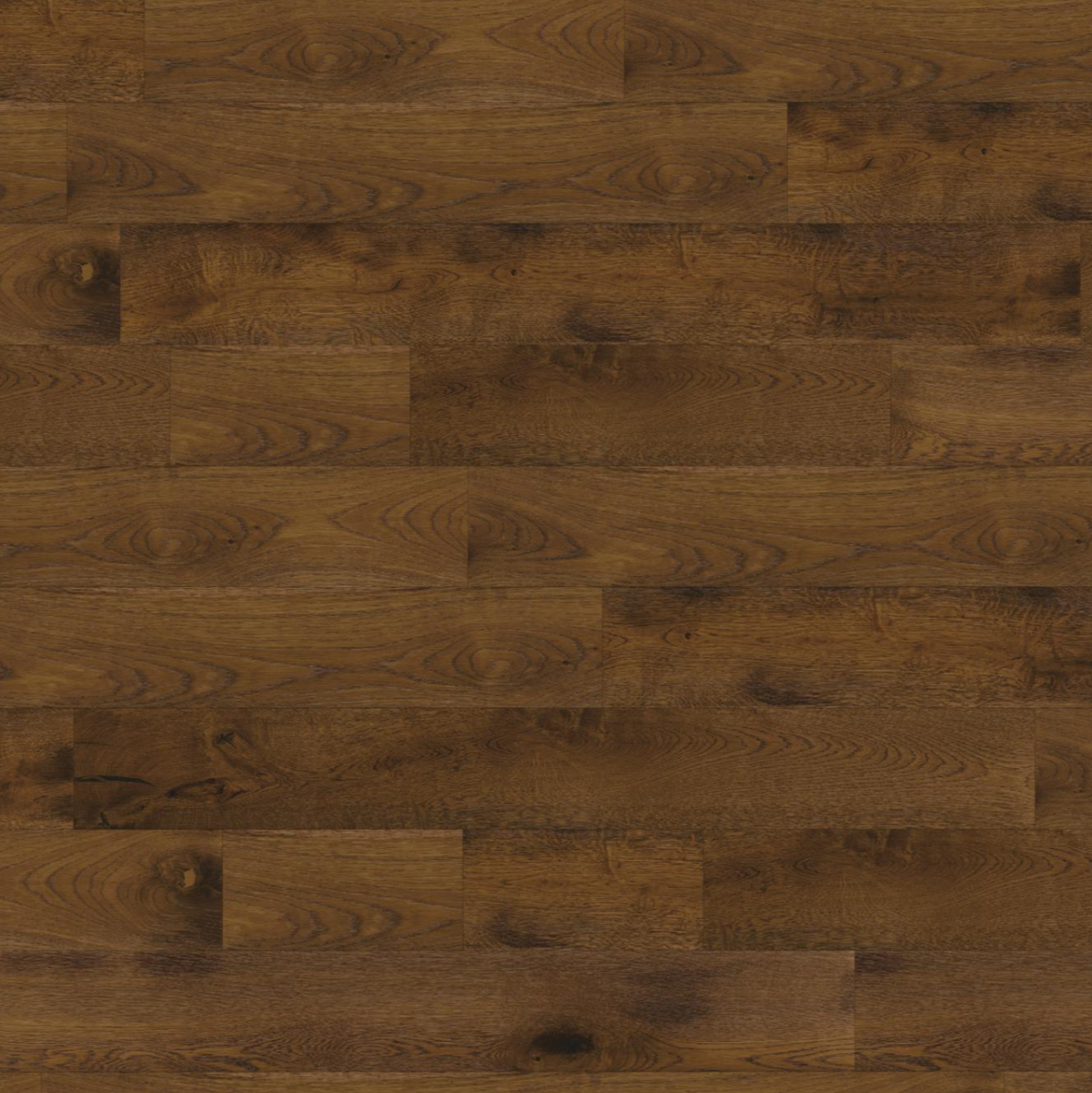
In Stock | Next Day Delivery
Caramel 14/3 x 150mm Straight Engineered
£44.37 per m²
£98.60 per m²
Save £54.23 per m²
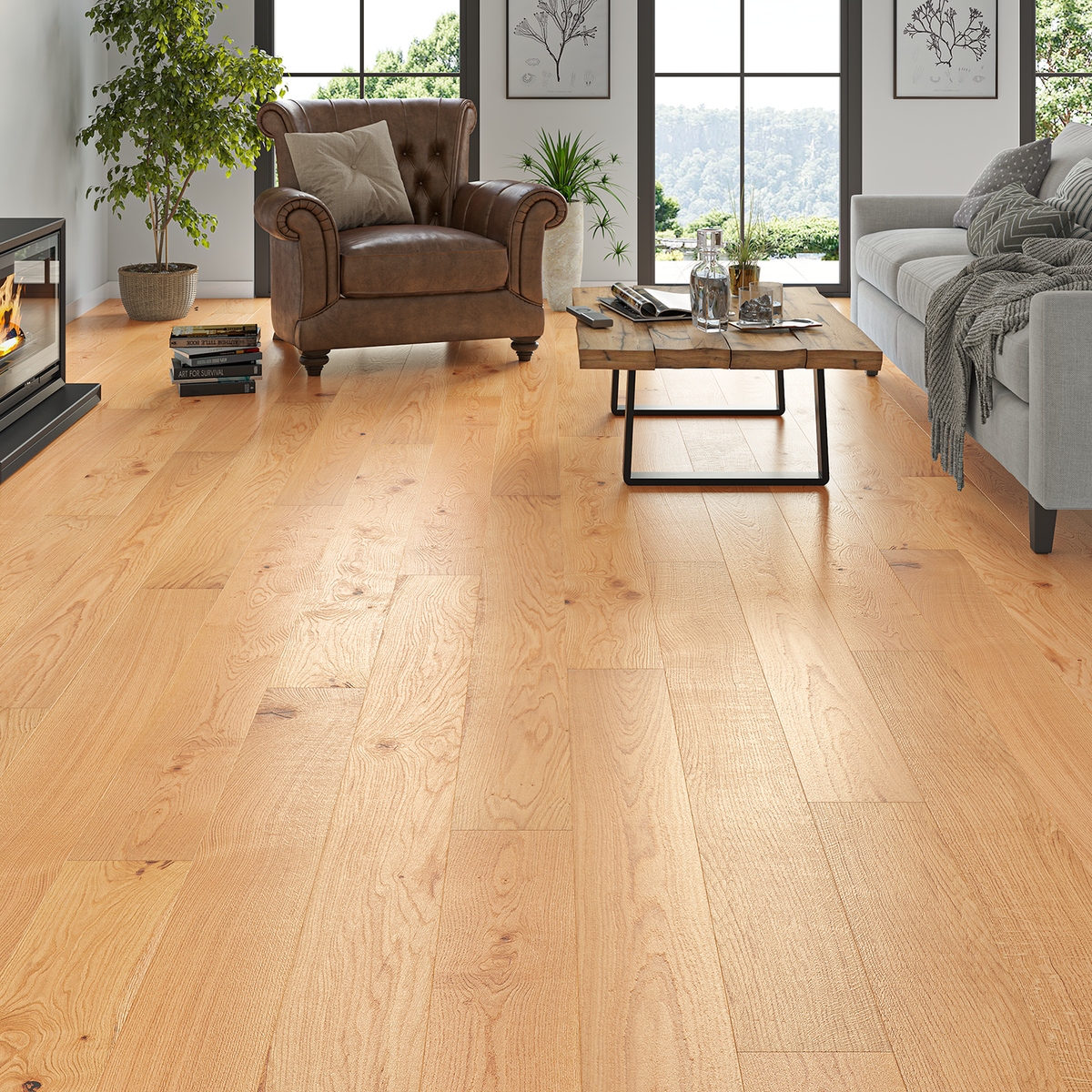
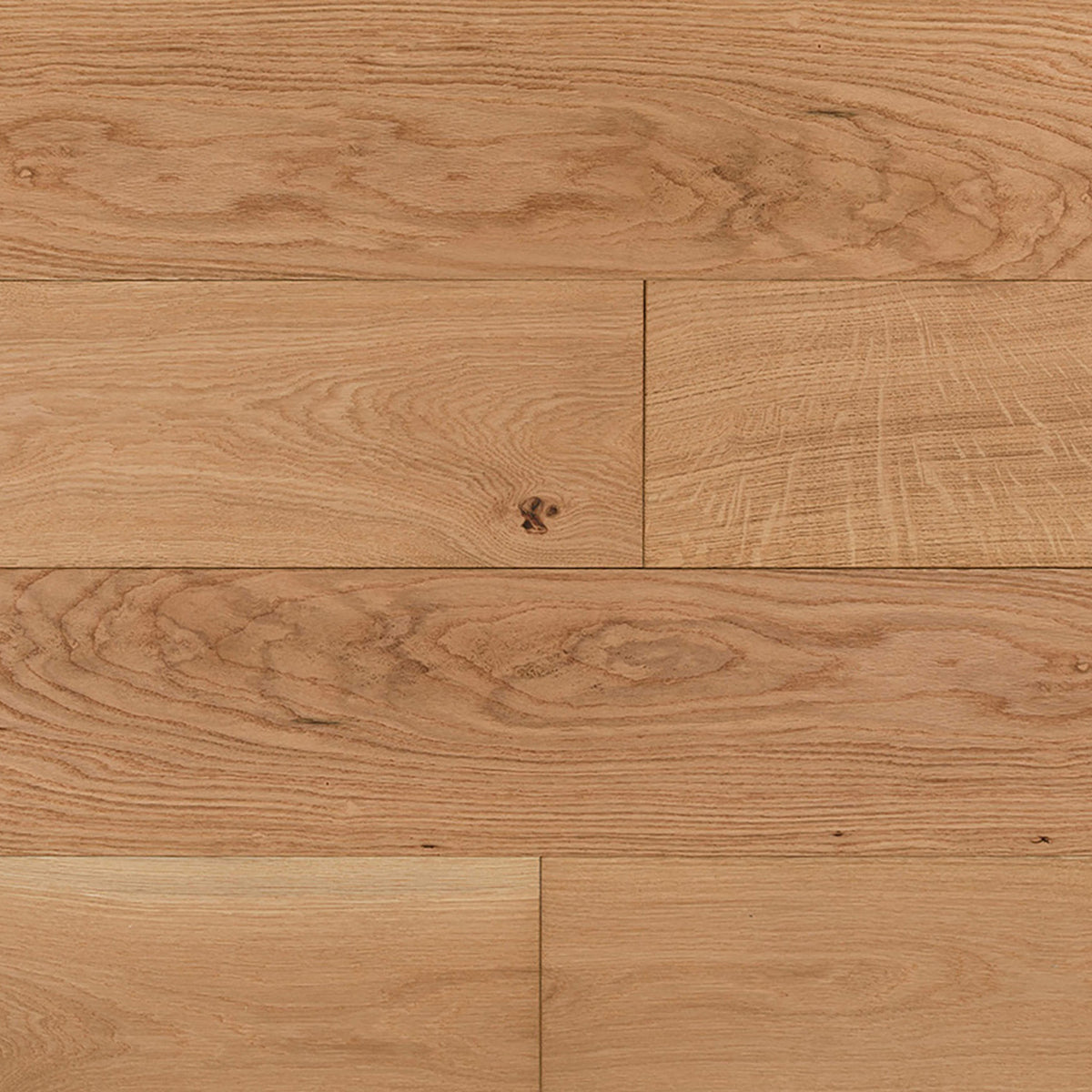
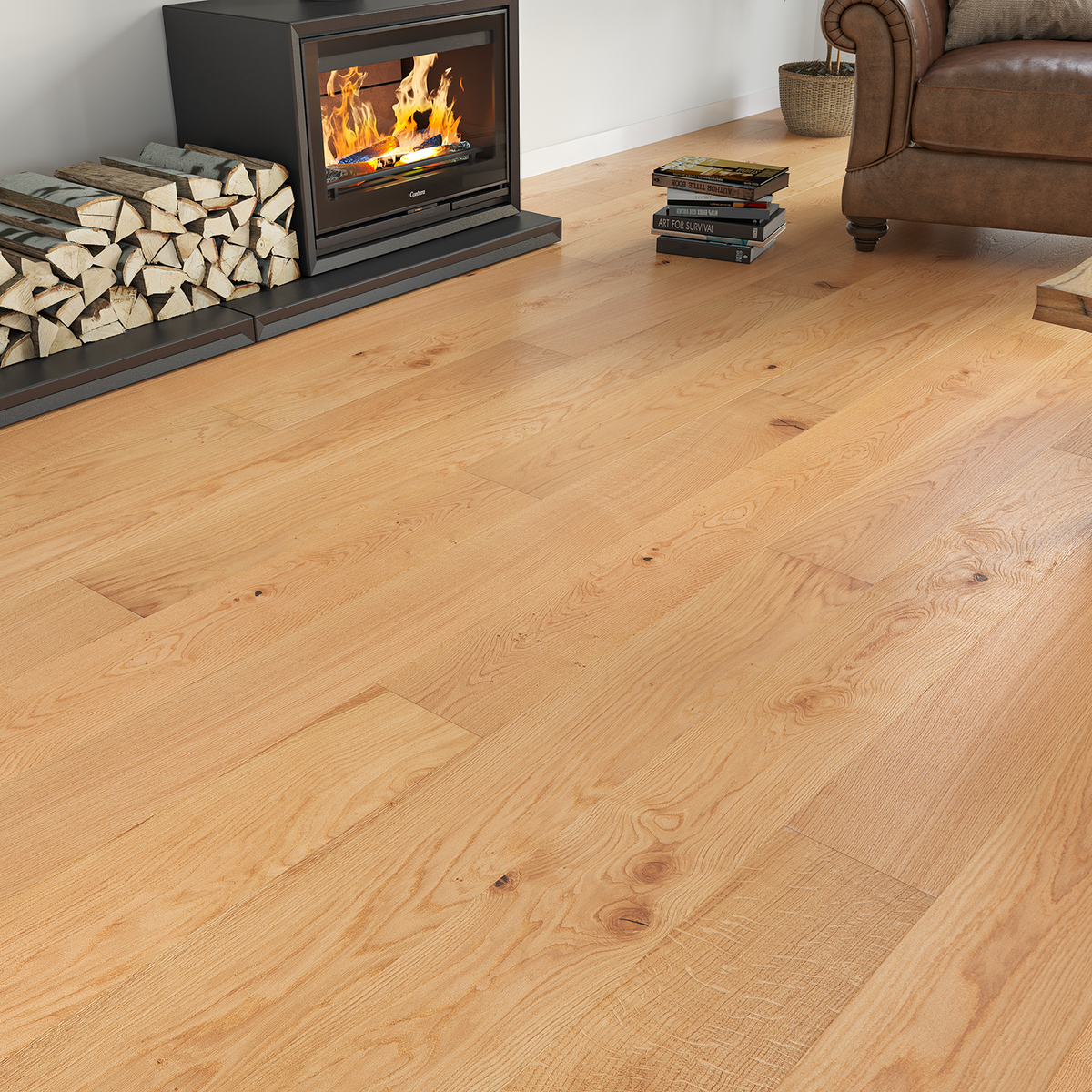
In Stock | Next Day Delivery
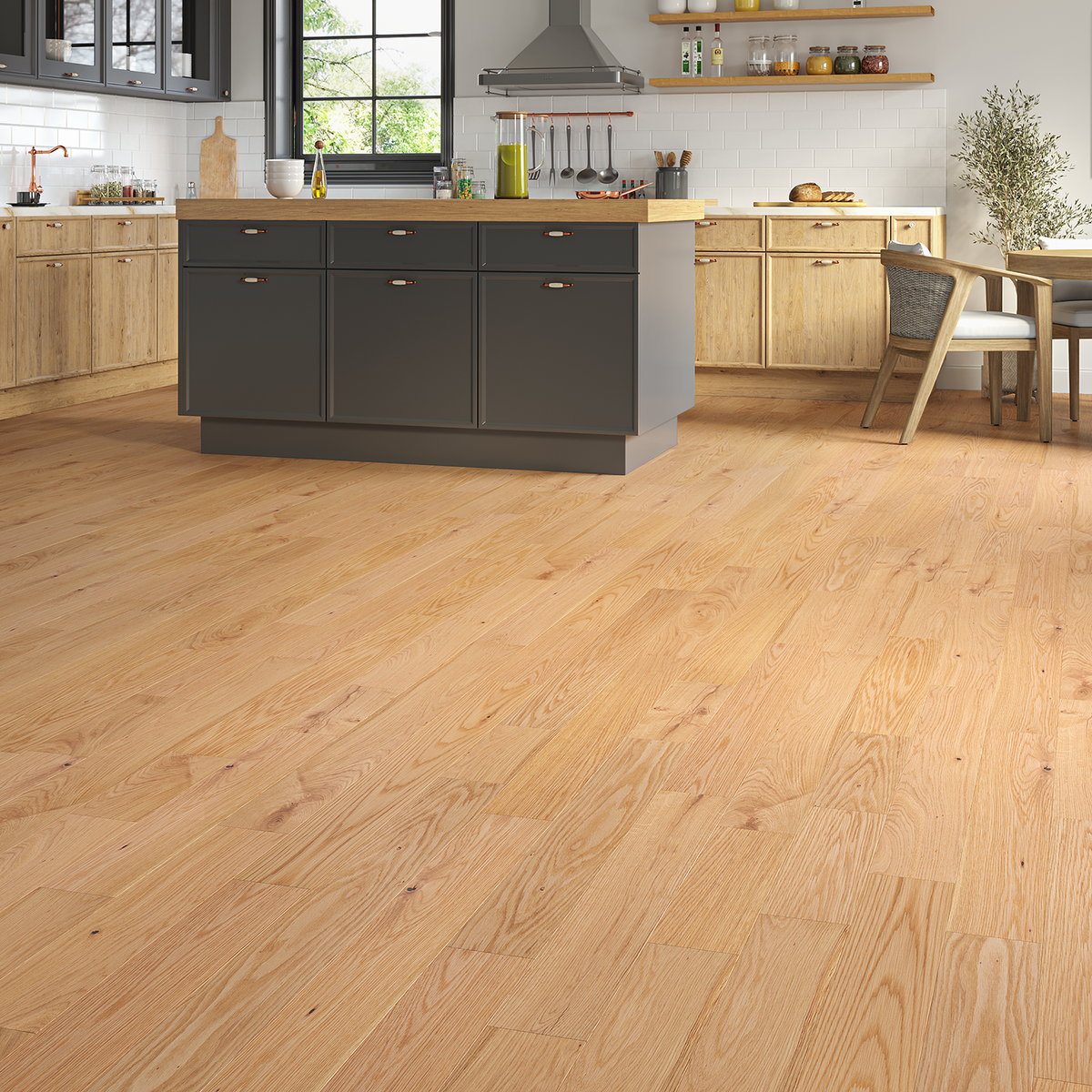
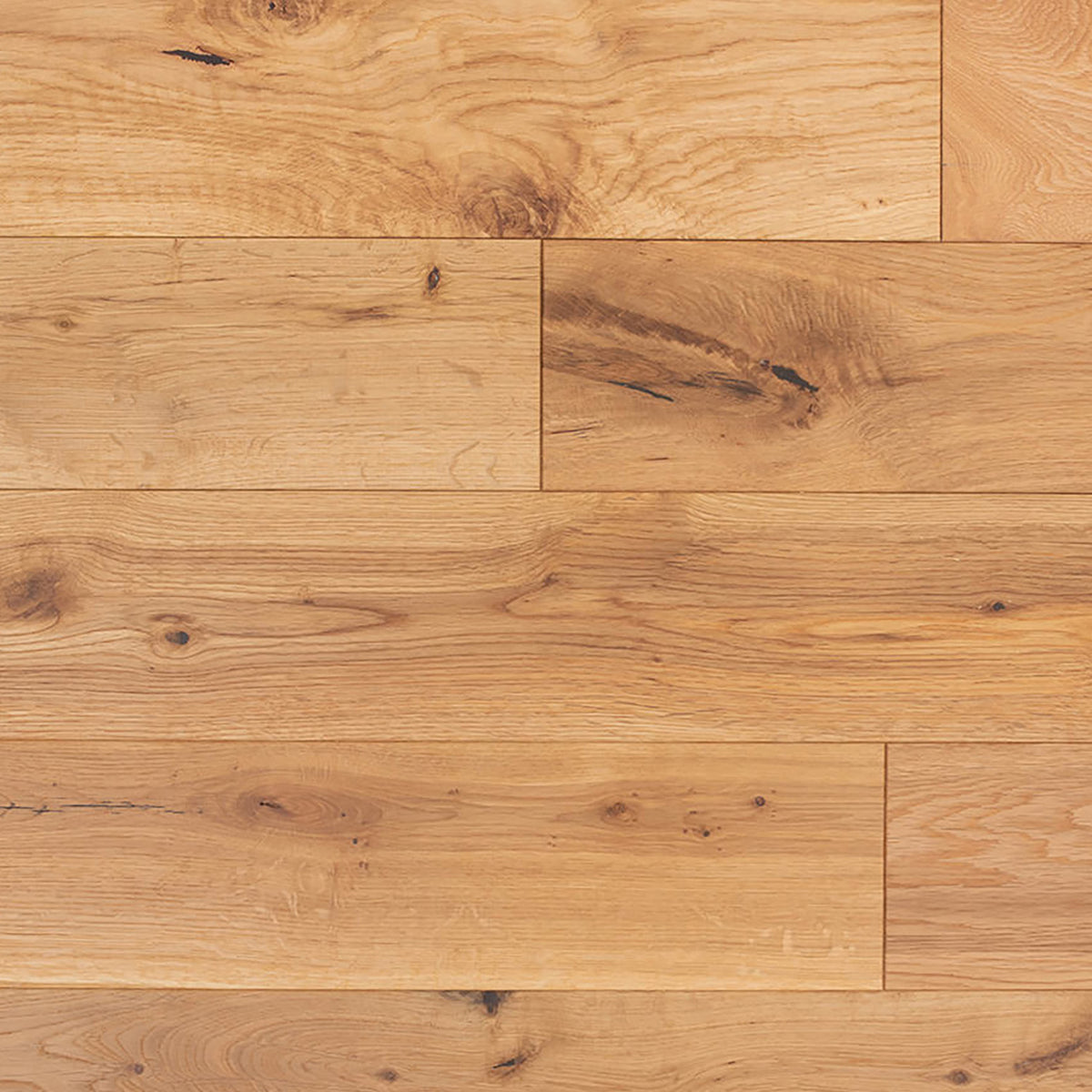
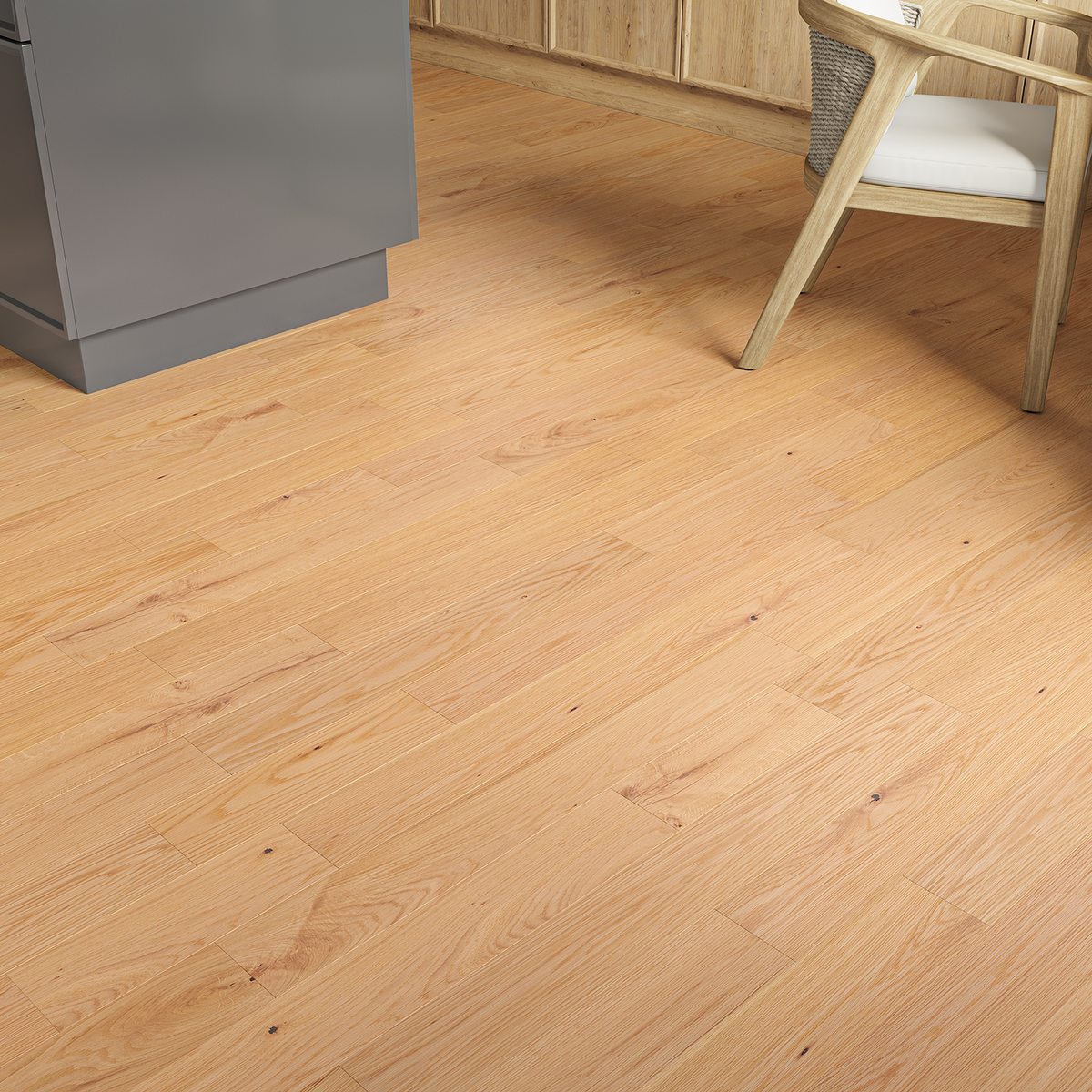
Forest Oak Straight Engineered
£60.75 per m²
£134.99 per m²
Save £74.24 per m²
In Stock | Next Day Delivery
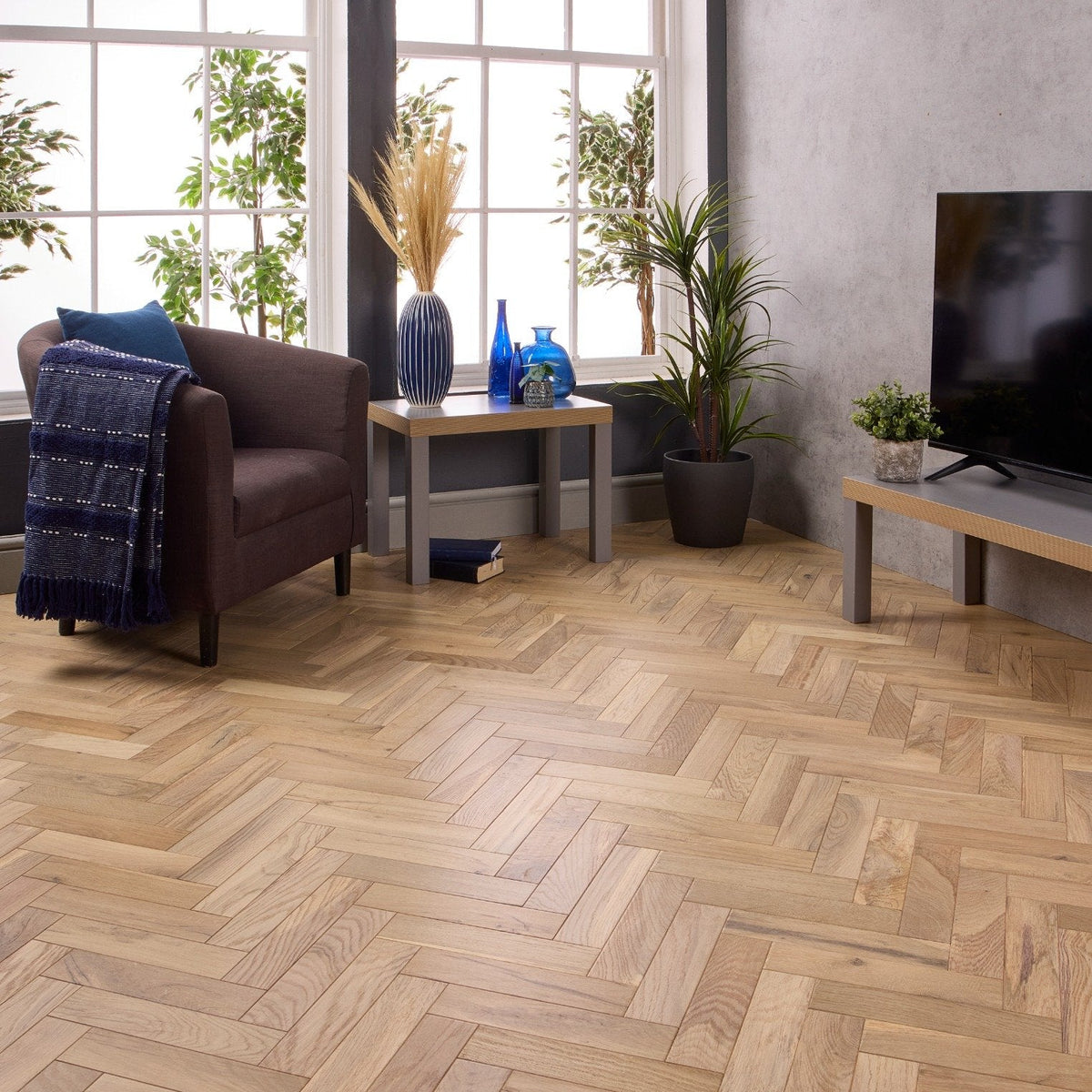
Evergreen Oak Straight Engineered
£36.00 per m²
£79.99 per m²
Save £43.99 per m²
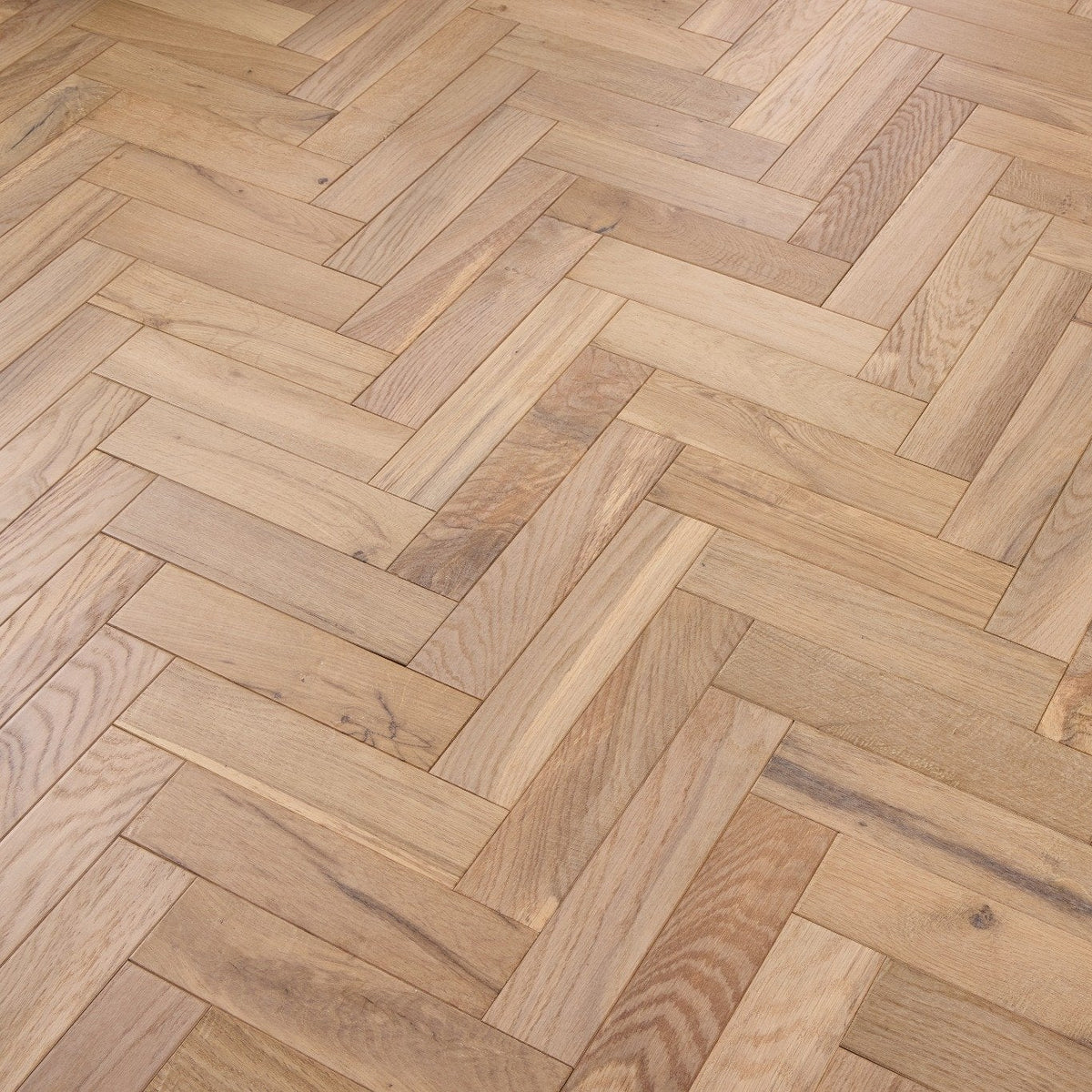
In Stock | Next Day Delivery
Hand Scraped Smoked White 18mm Herringbone Engineered
£49.50 per m²
£109.99 per m²
Save £60.49 per m²
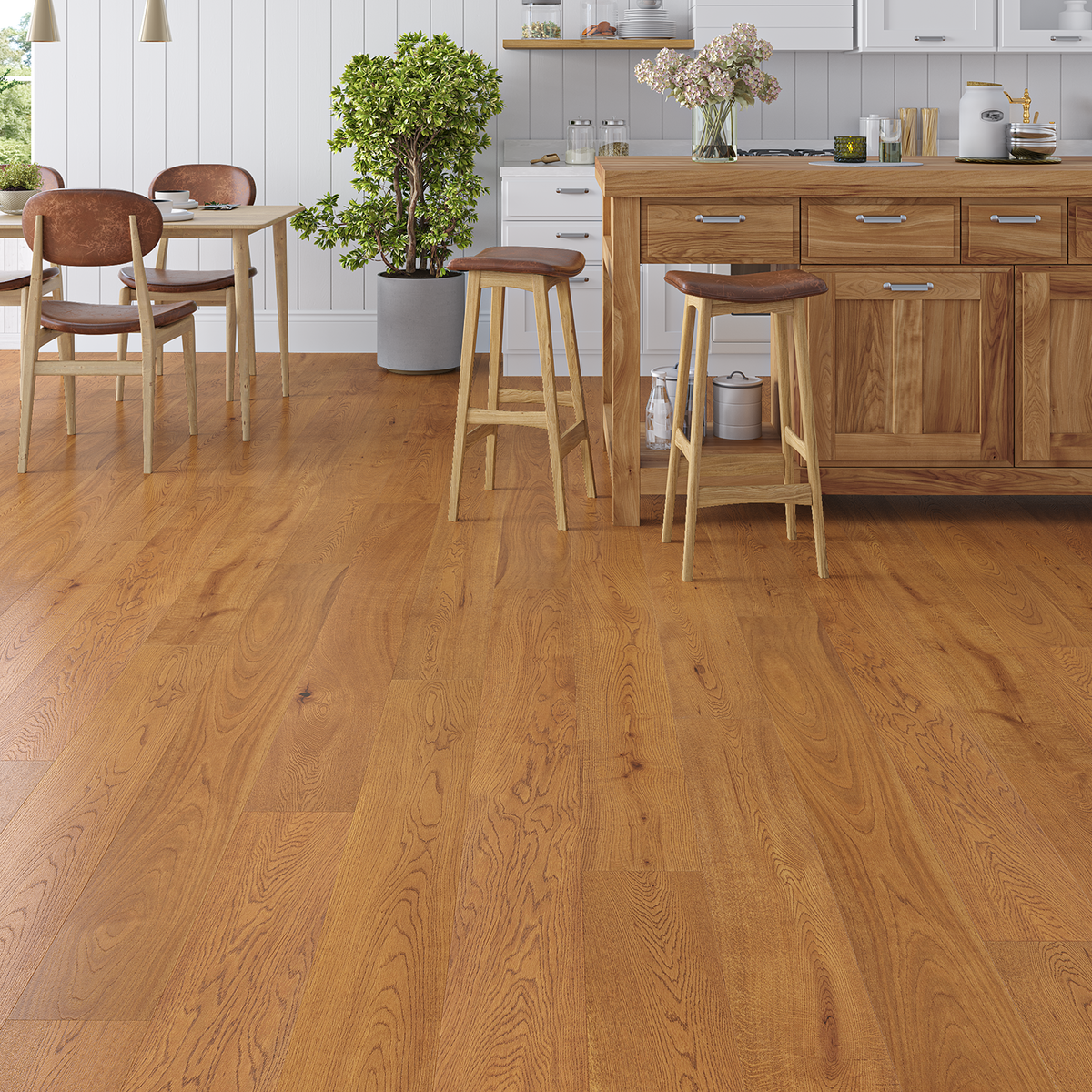
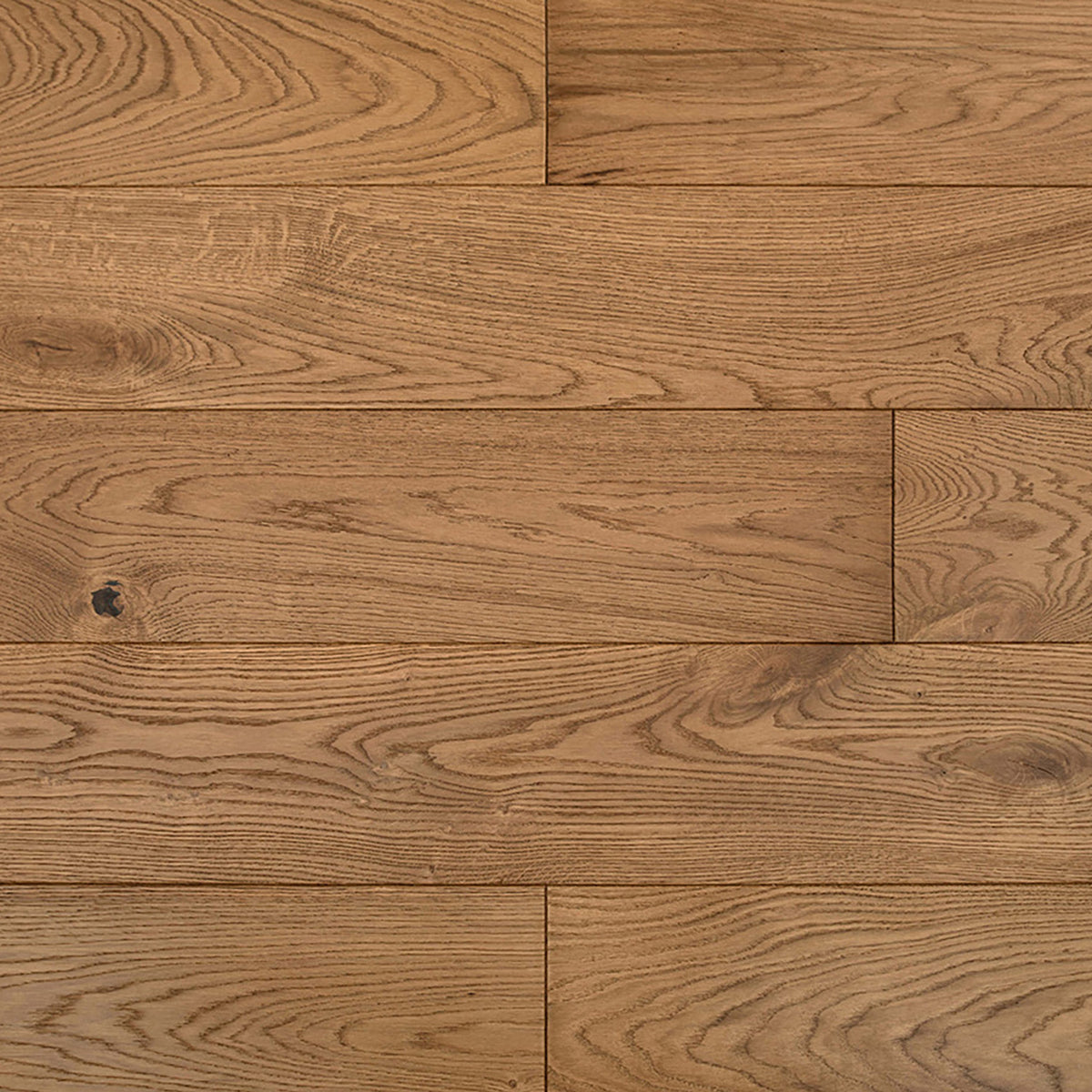

In Stock | Next Day Delivery
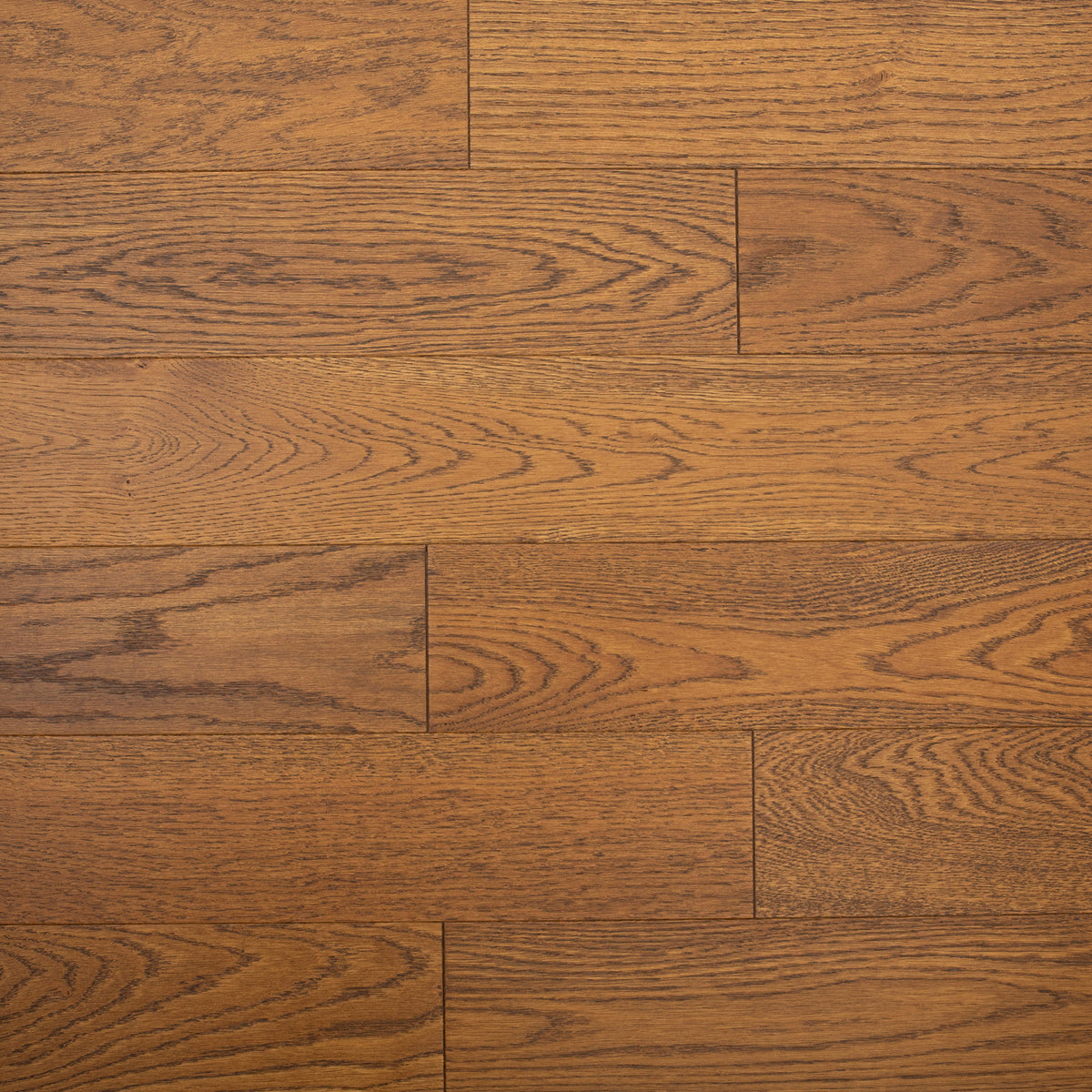
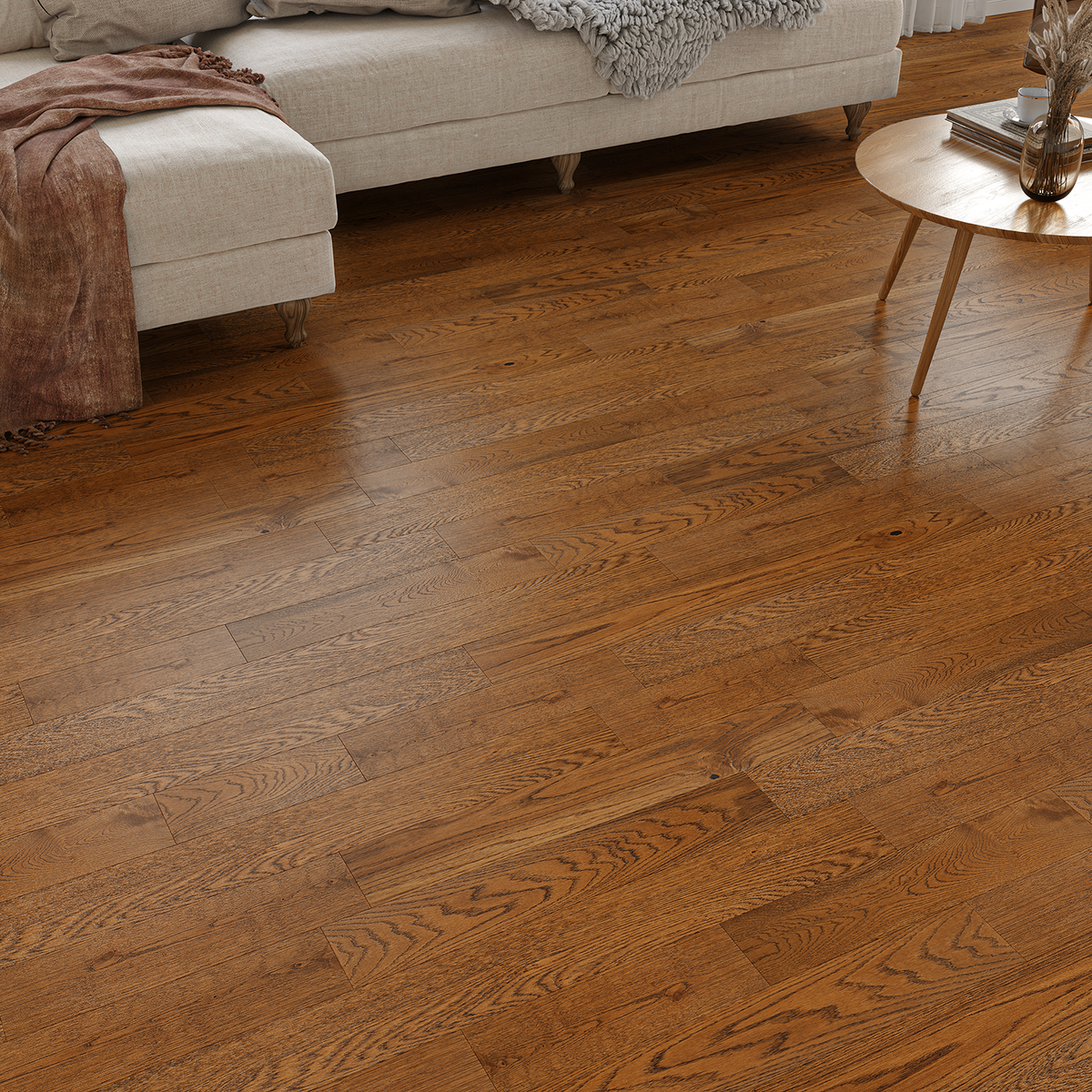
Highland Oak Straight Engineered
£60.75 per m²
£134.99 per m²
Save £74.24 per m²
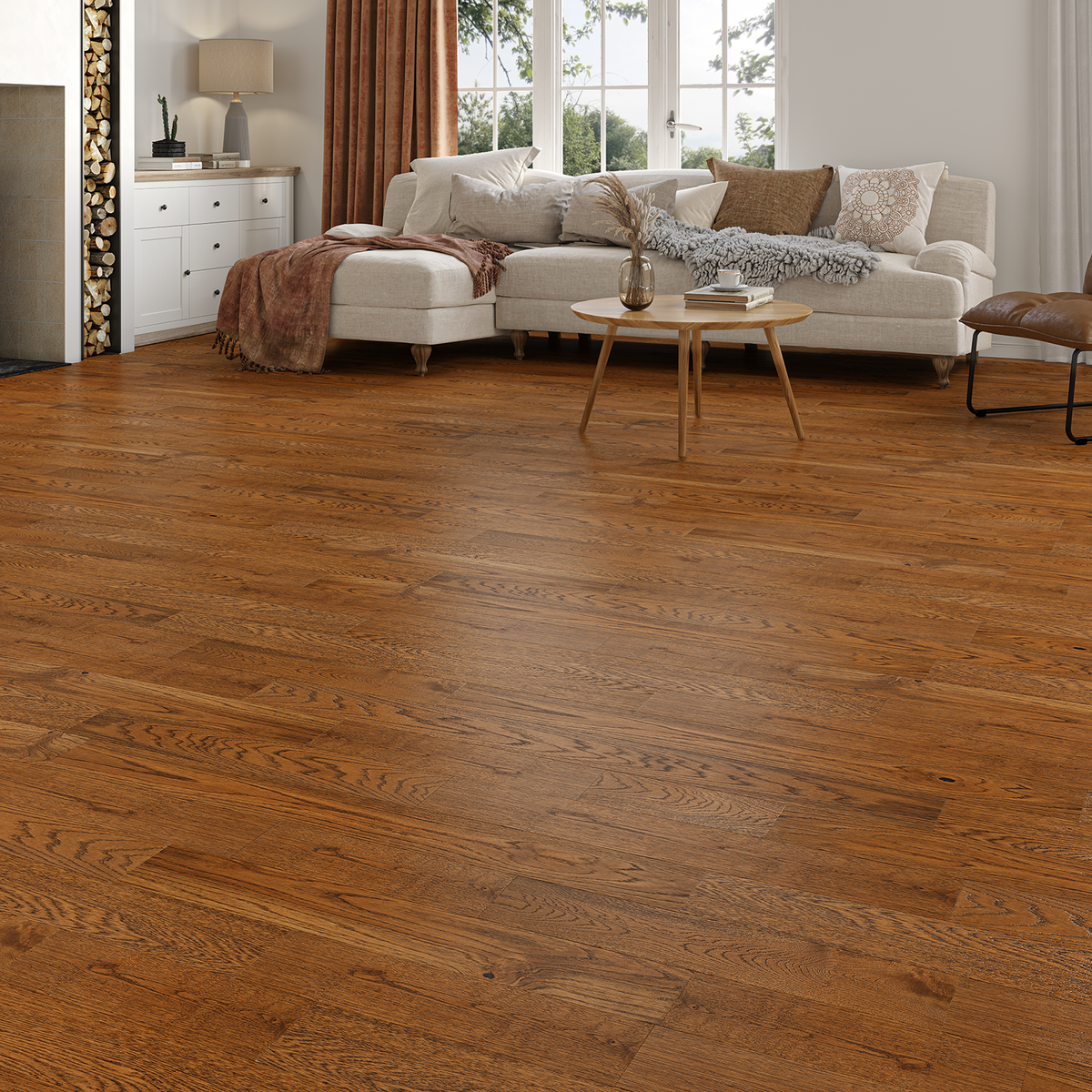
In Stock | Next Day Delivery
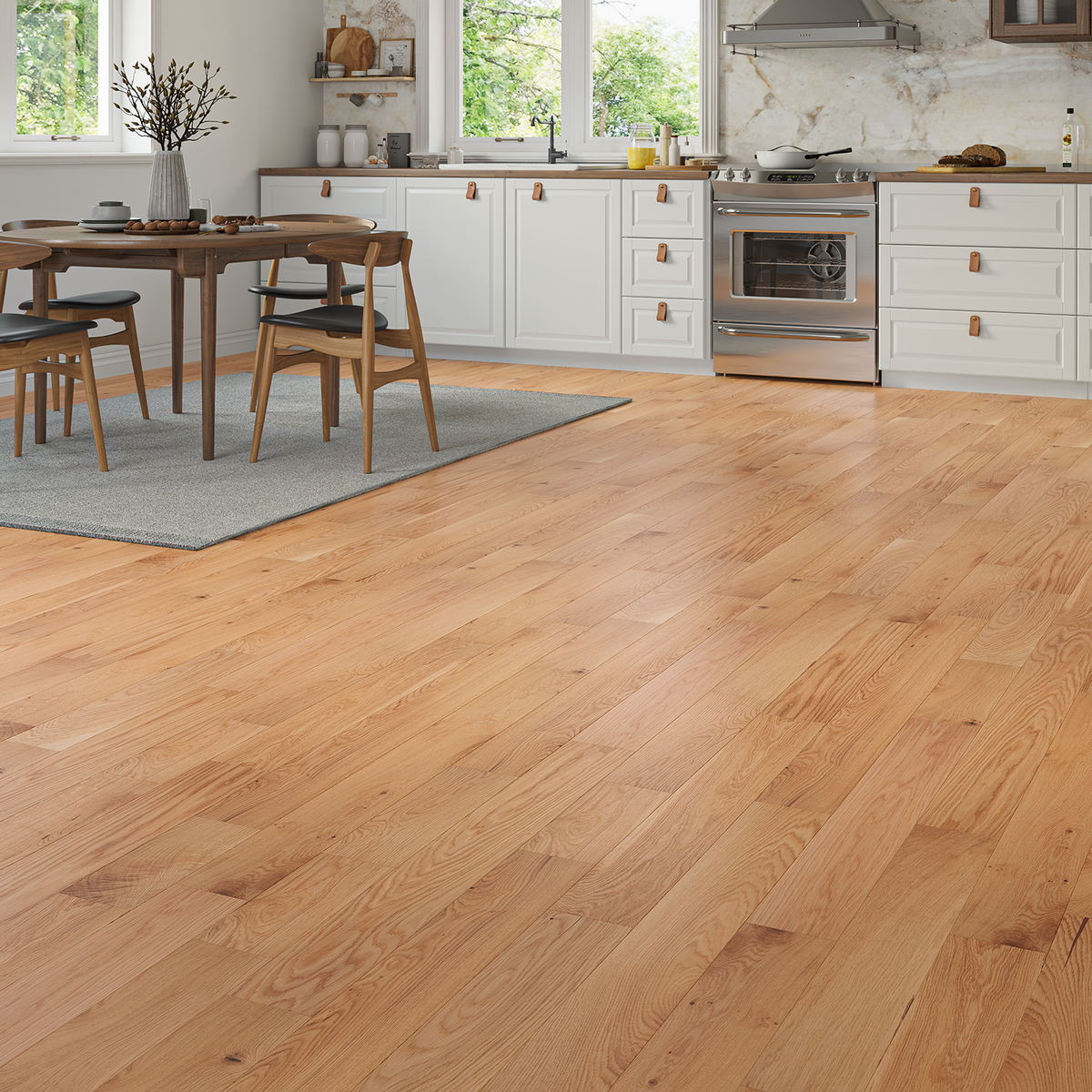
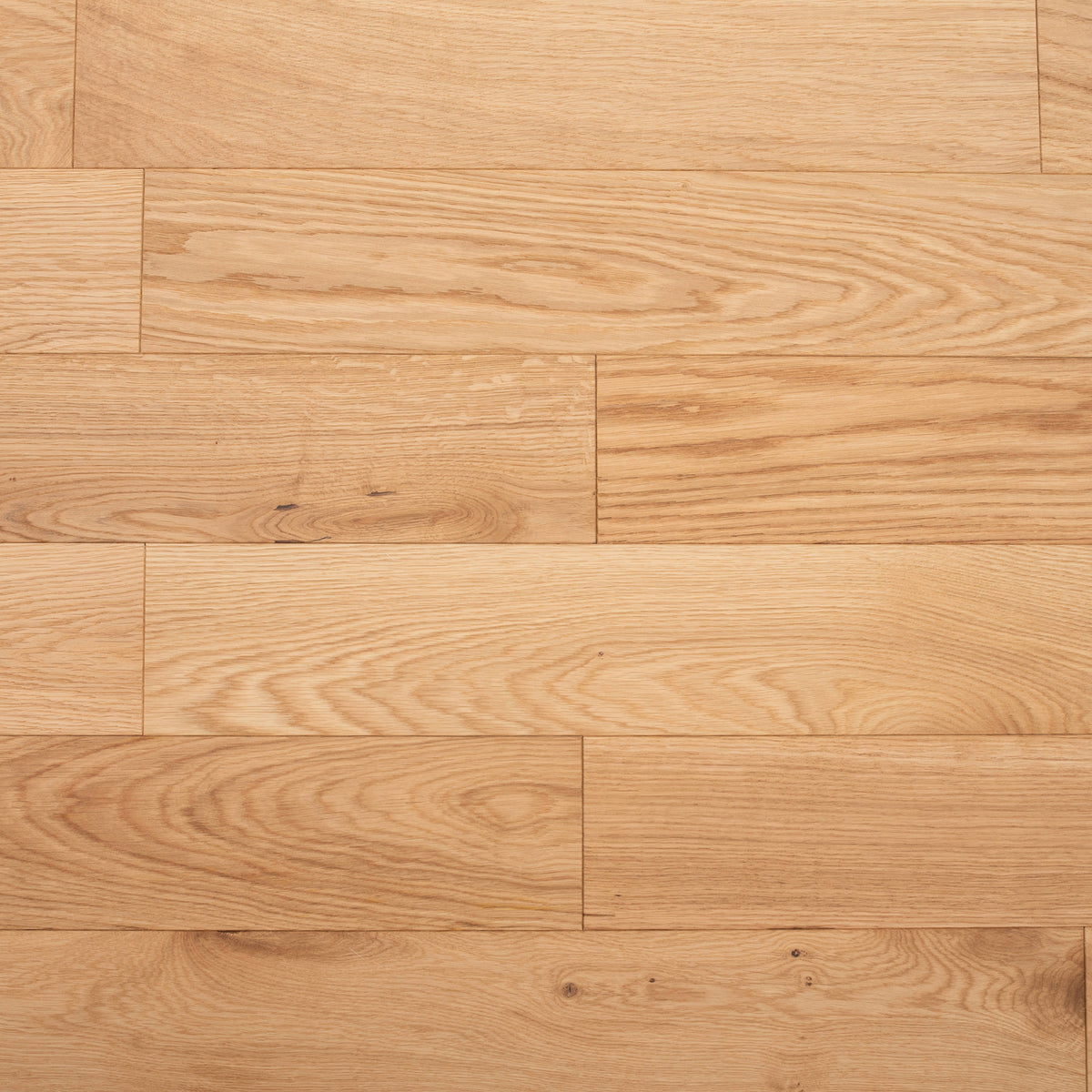
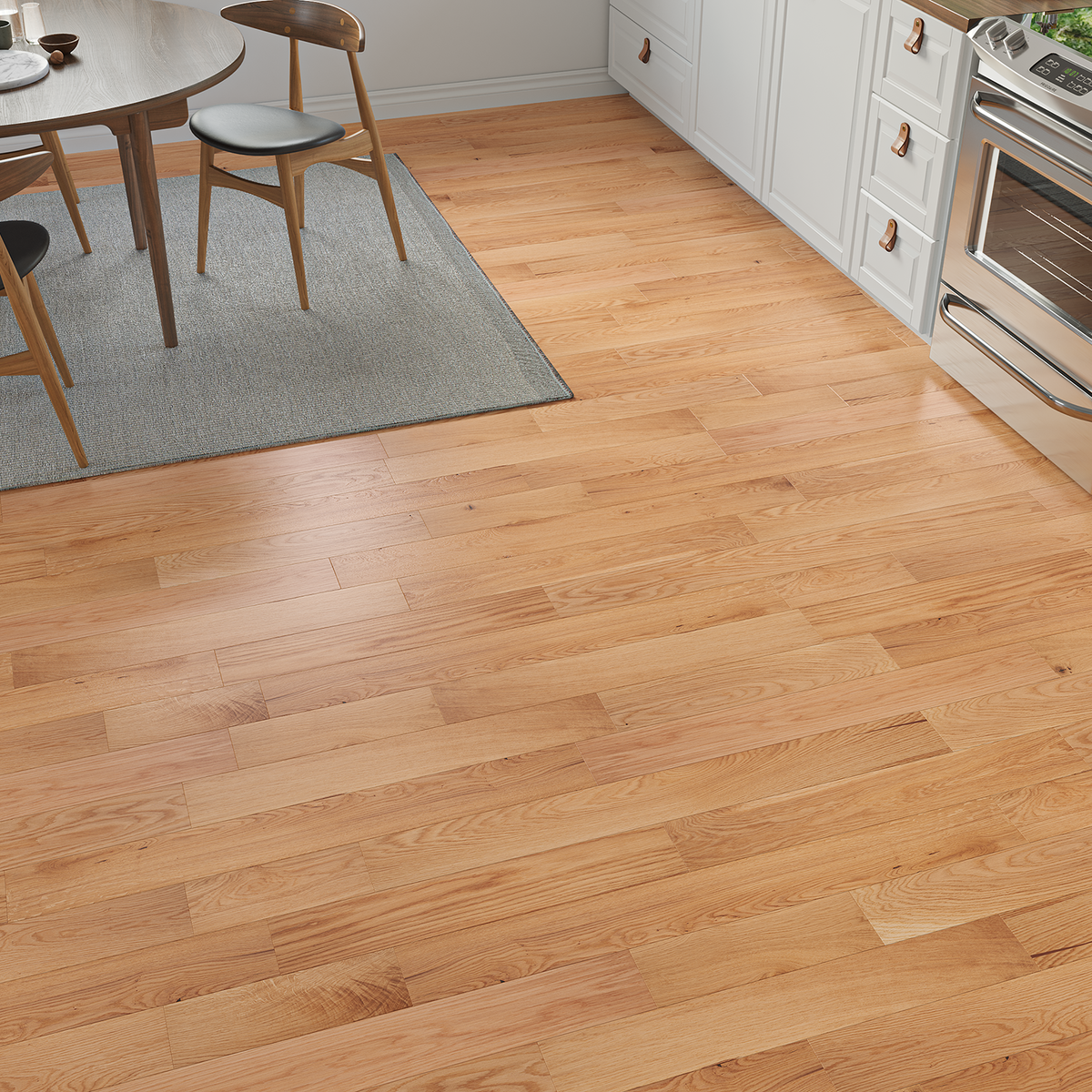
Cedar Oak Straight Engineered
£27.00 per m²
£59.99 per m²
Save £32.99 per m²
In Stock | Next Day Delivery
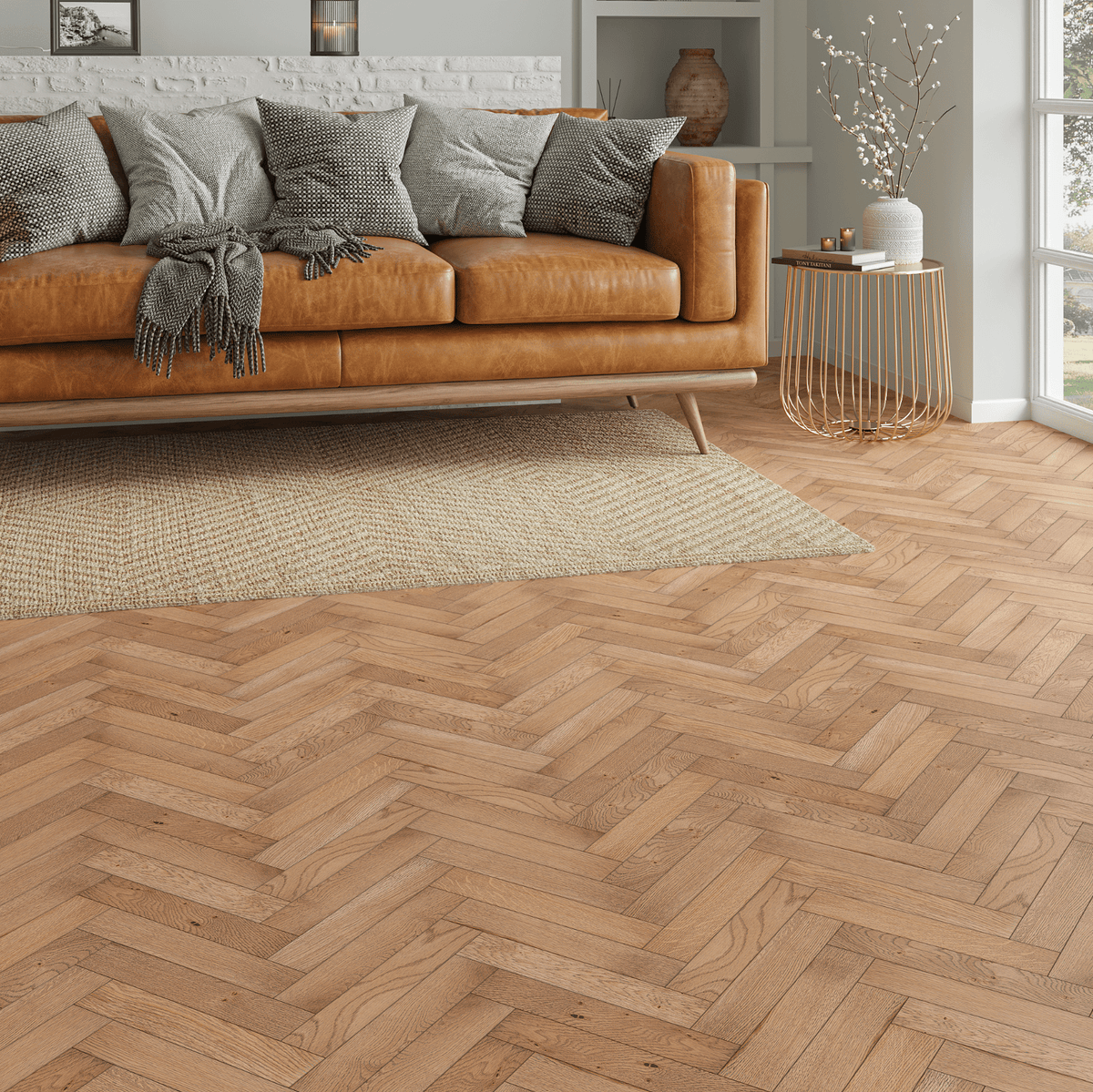
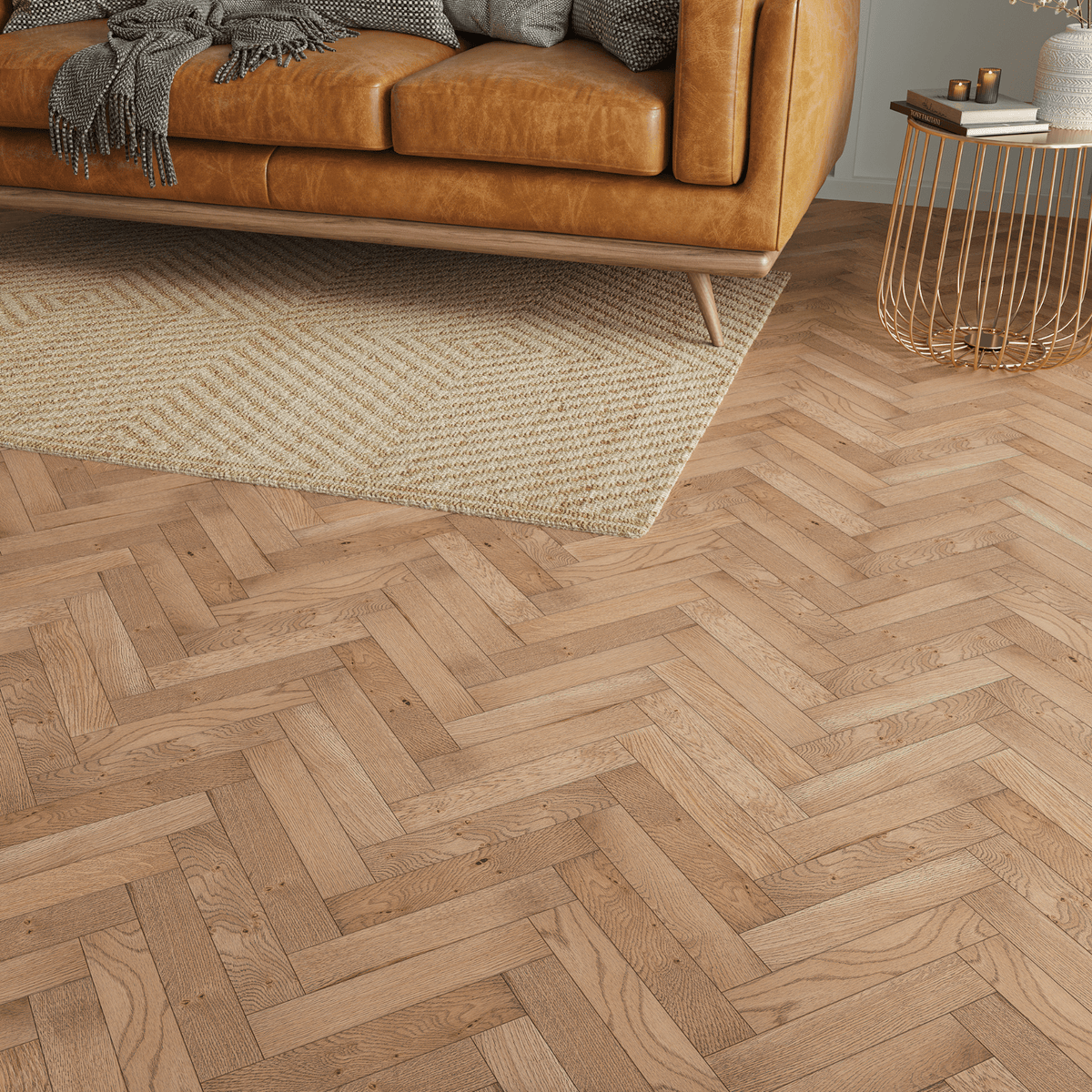
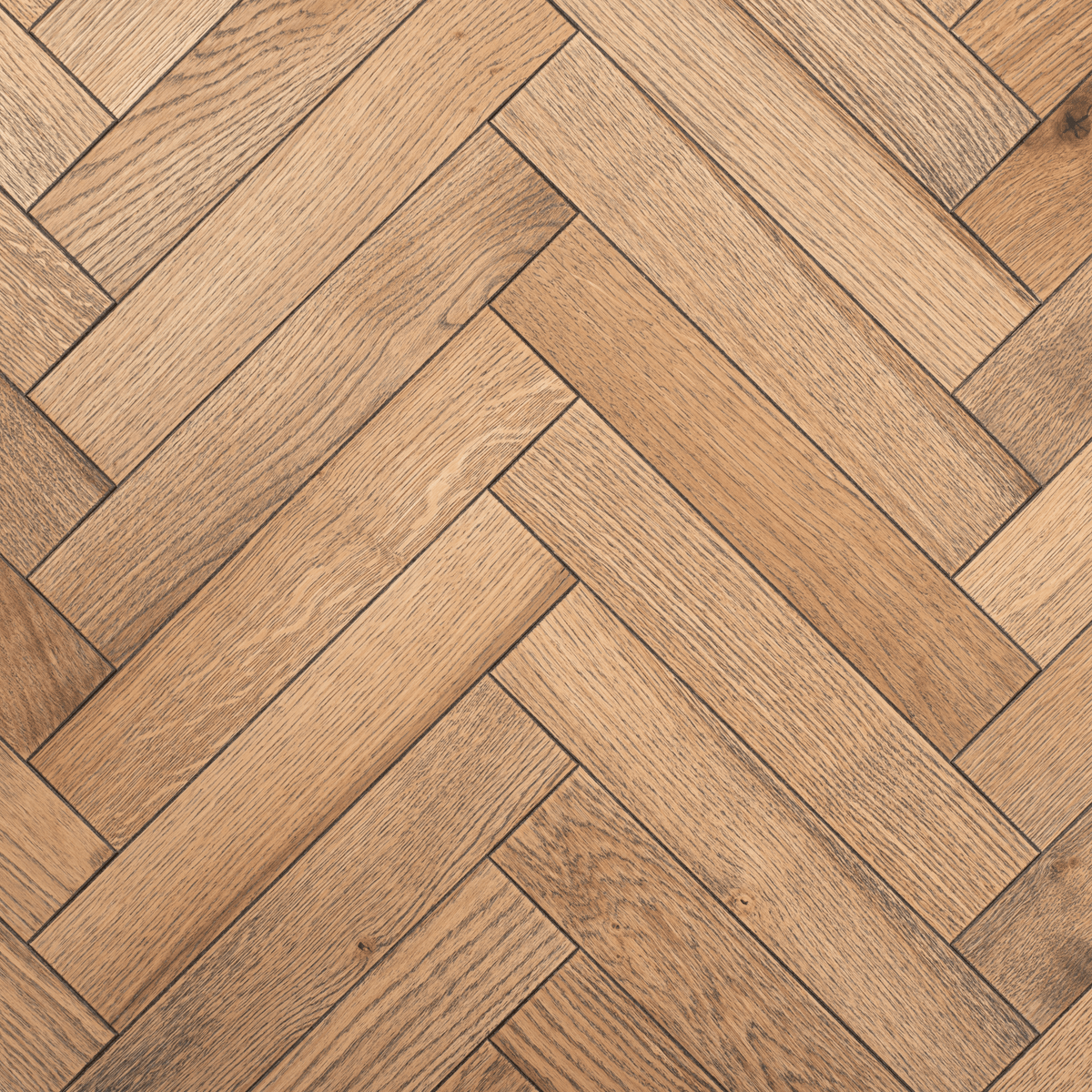
Woodland Oak Straight Engineered
£27.00 per m²
£59.99 per m²
Save £32.99 per m²
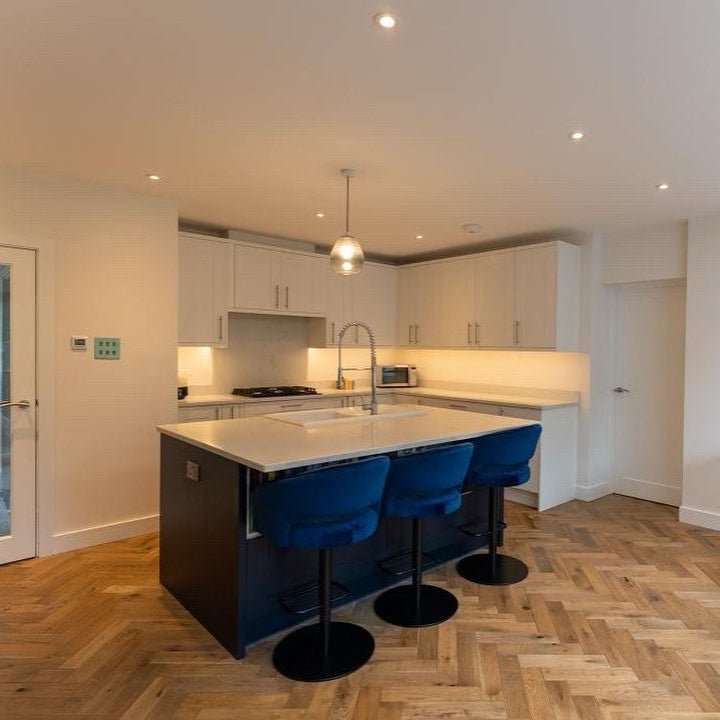
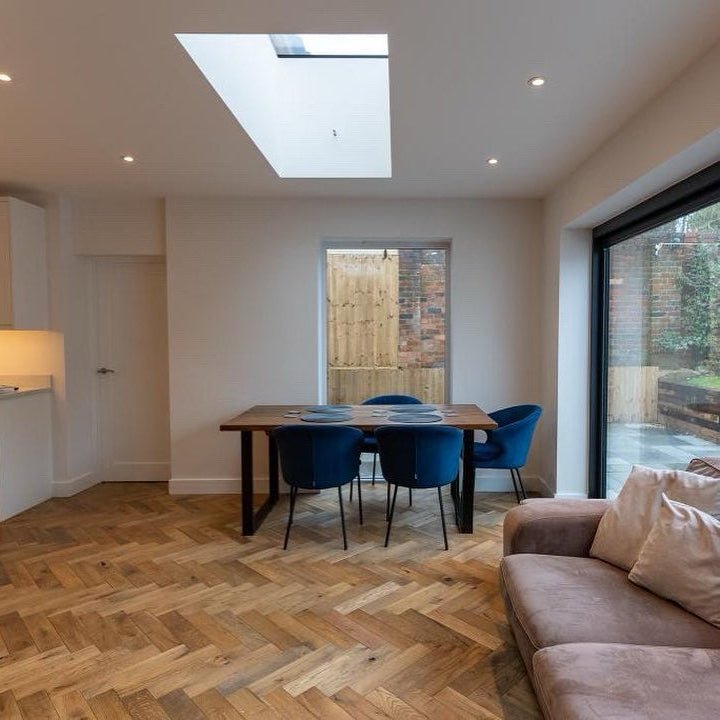
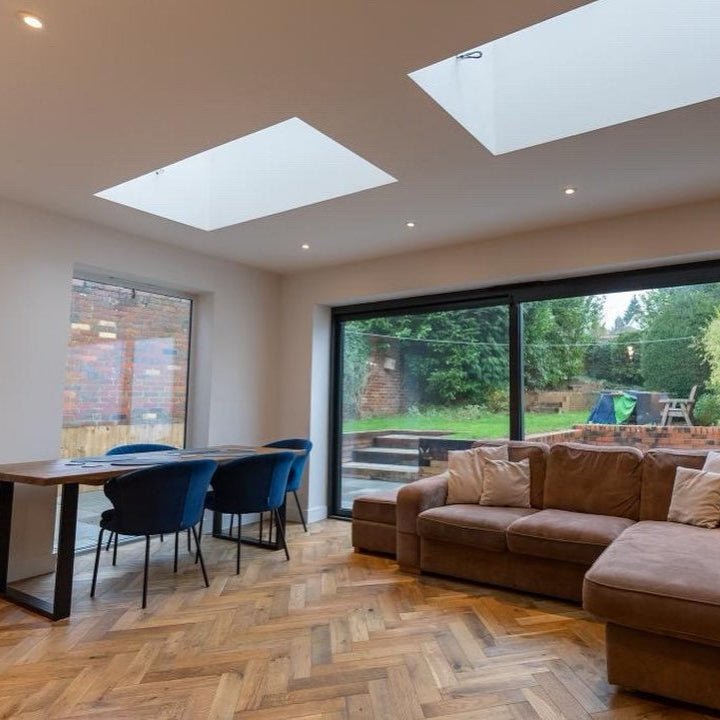
In Stock | Next Day Delivery
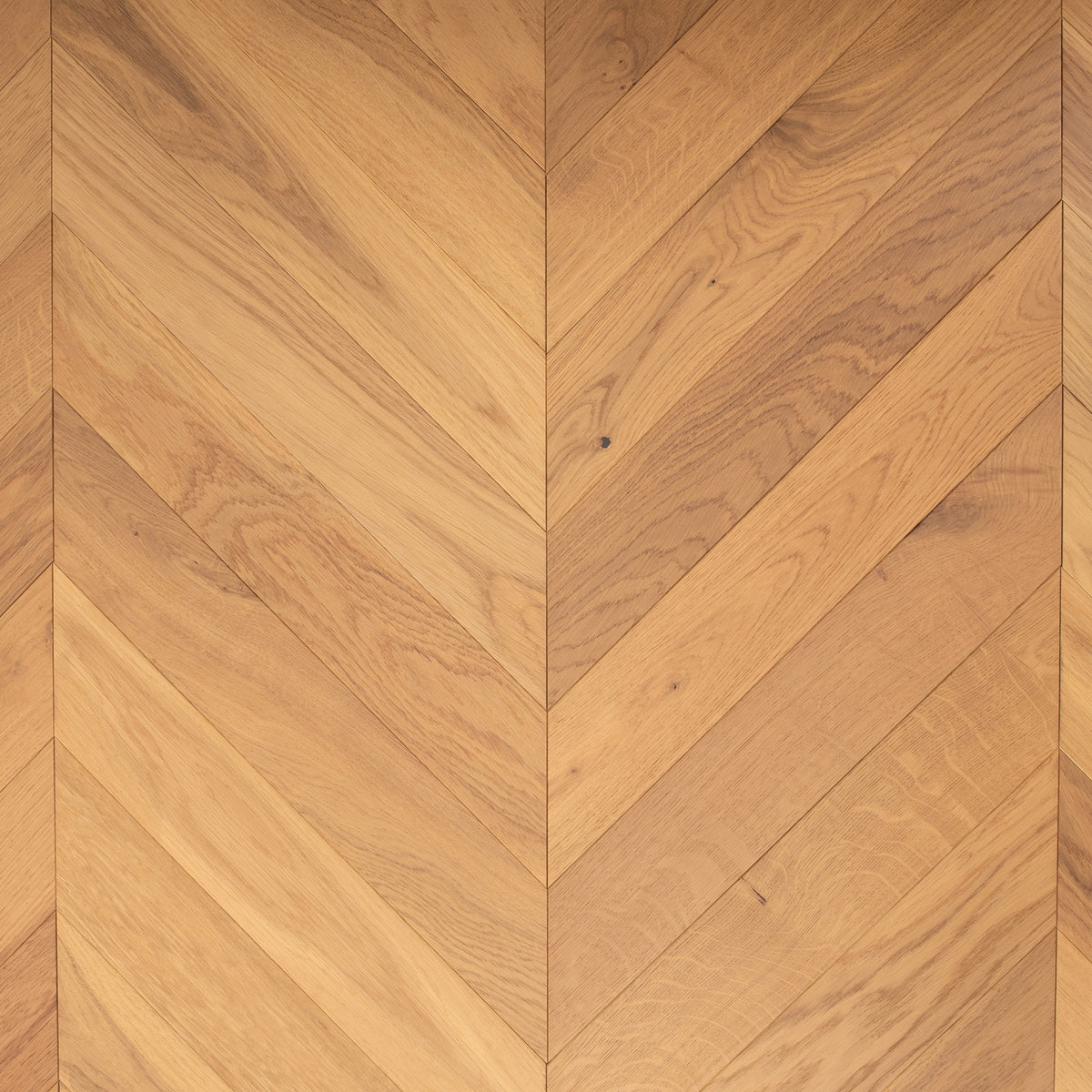
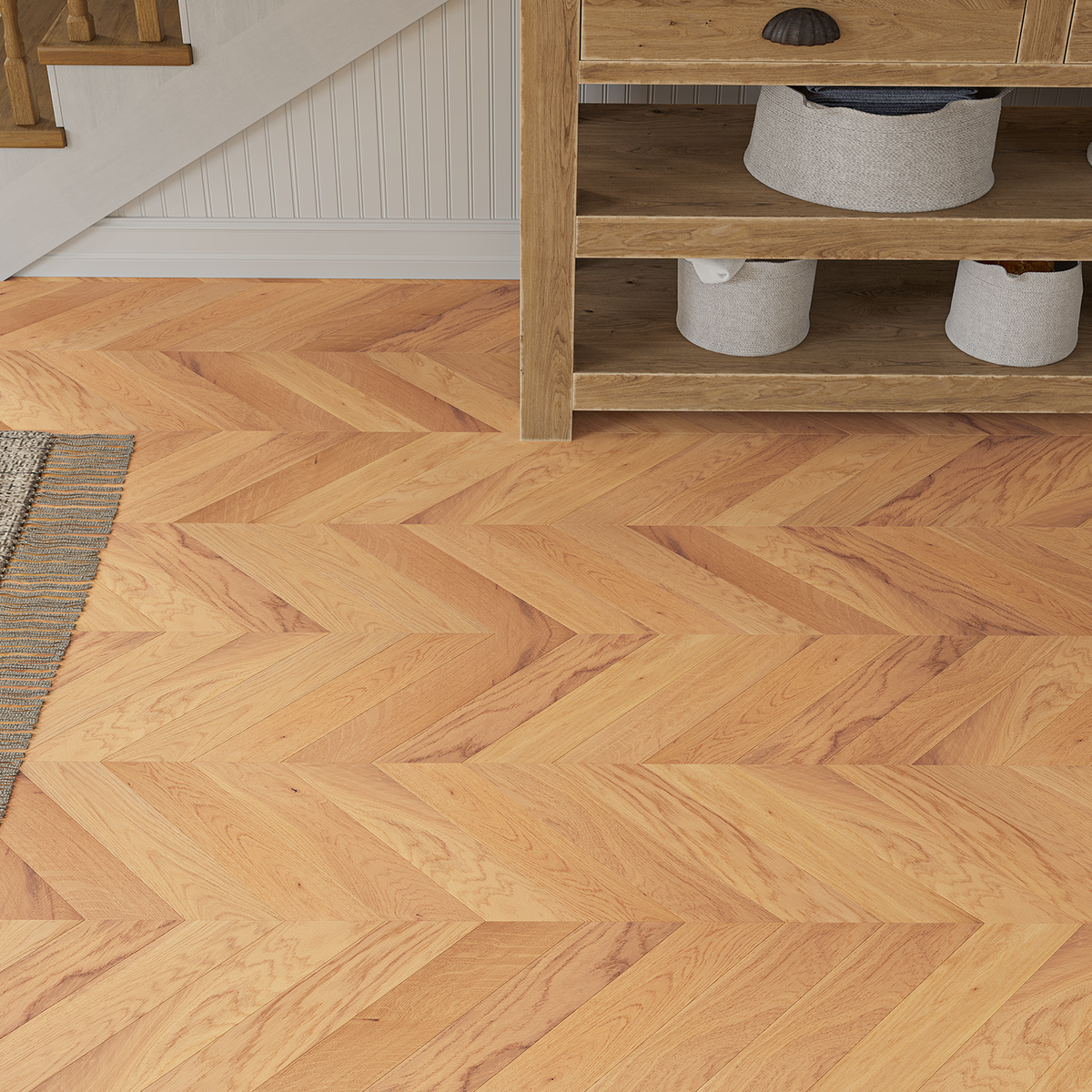
Worn Oak 20mm Herringbone Engineered
£51.75 per m²
£114.99 per m²
Save £63.24 per m²
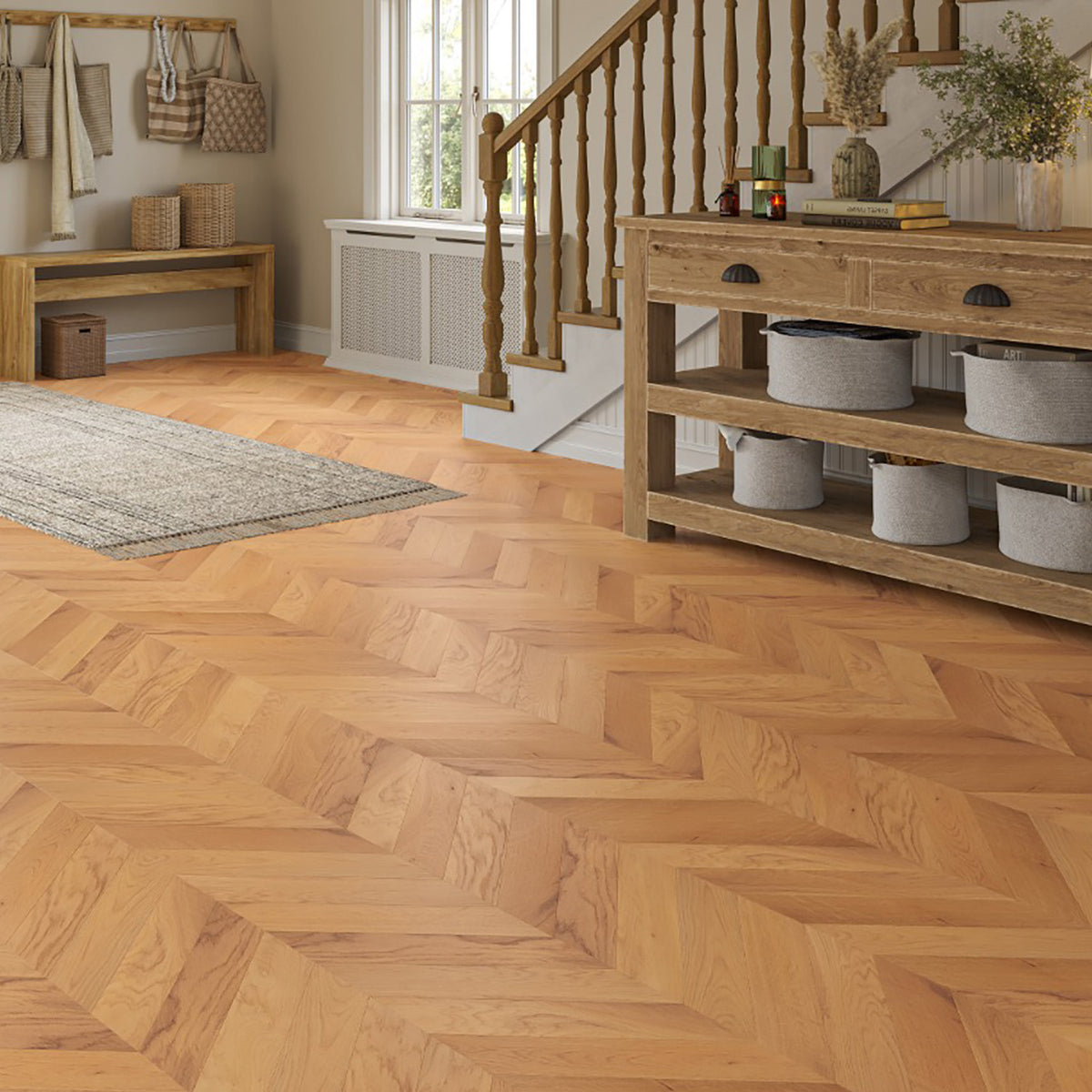
In Stock | Next Day Delivery
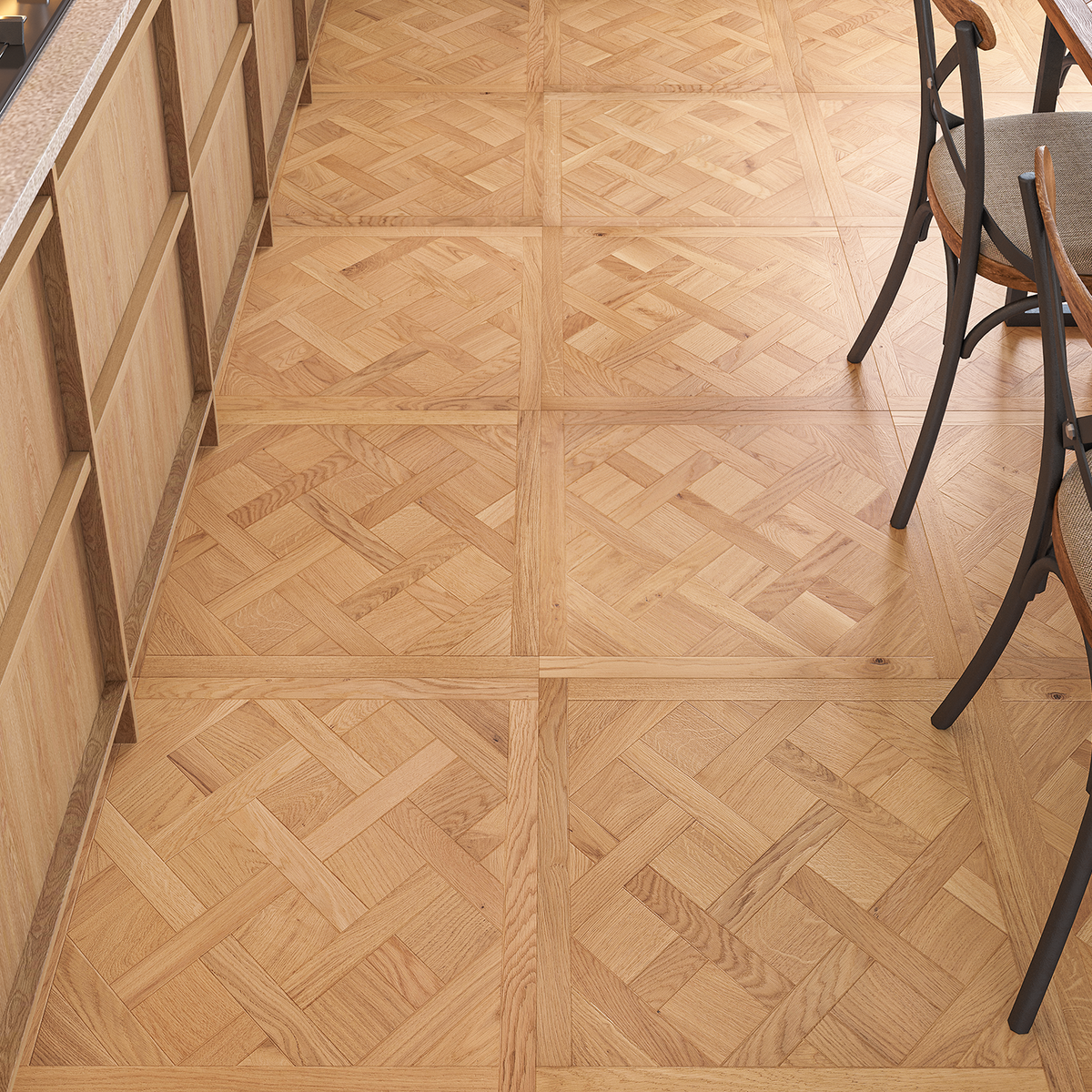
Stratton Oak Chevron Engineered
£47.25 per m²
£104.99 per m²
Save £57.74 per m²
In Stock | Next Day Delivery
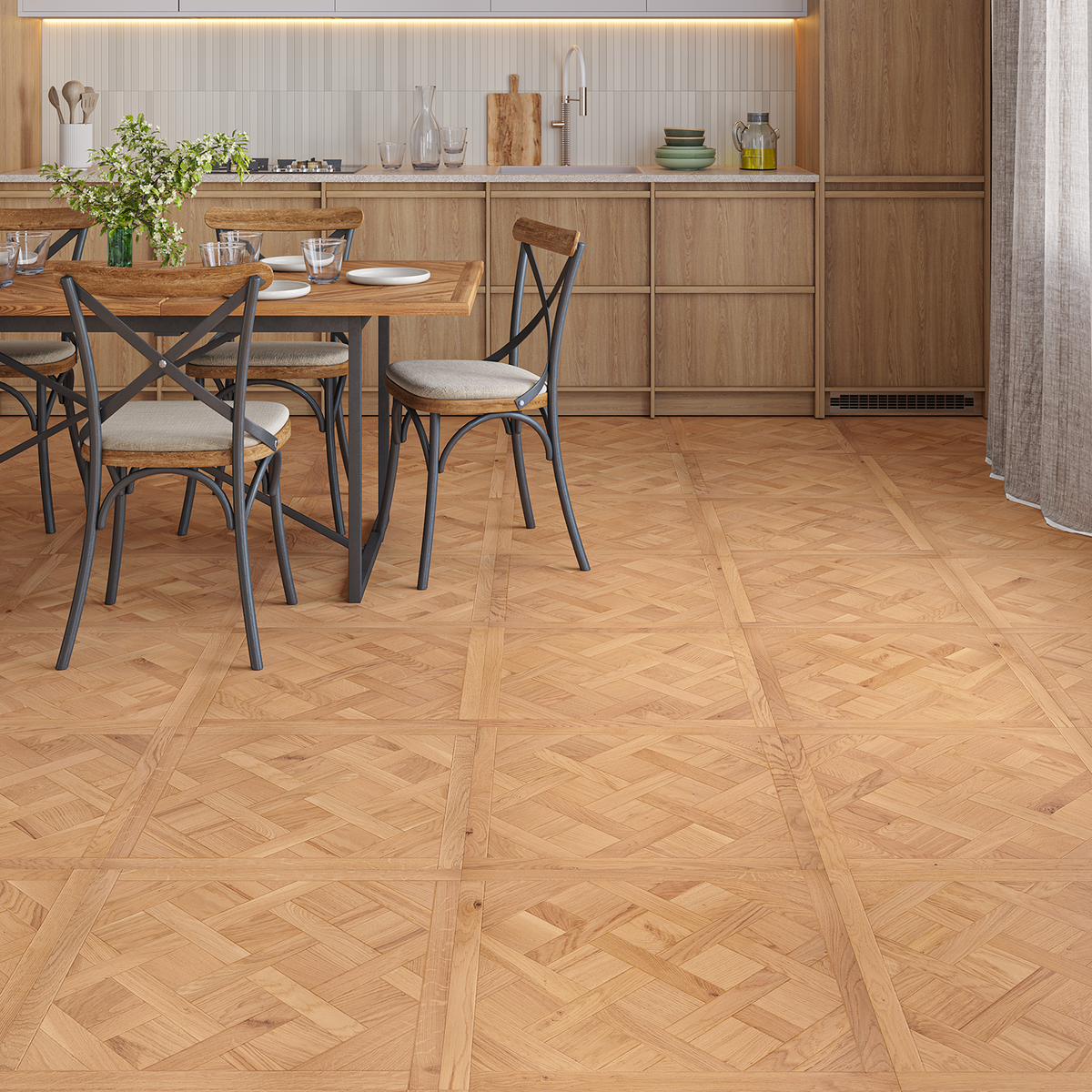
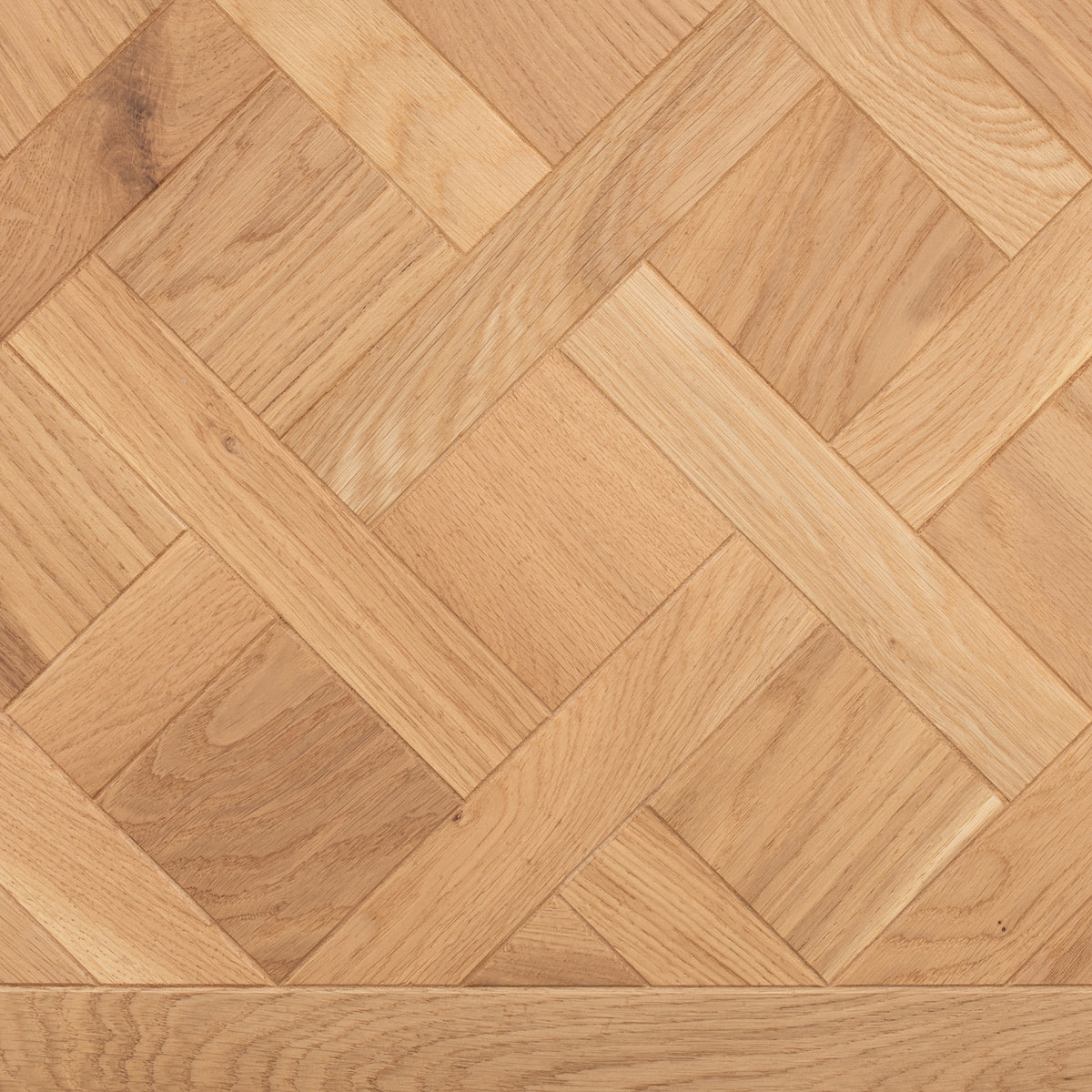
Grace Oak Versaille Engineered
£72.00 per m²
£159.99 per m²
Save £87.99 per m²
In Stock | Next Day Delivery
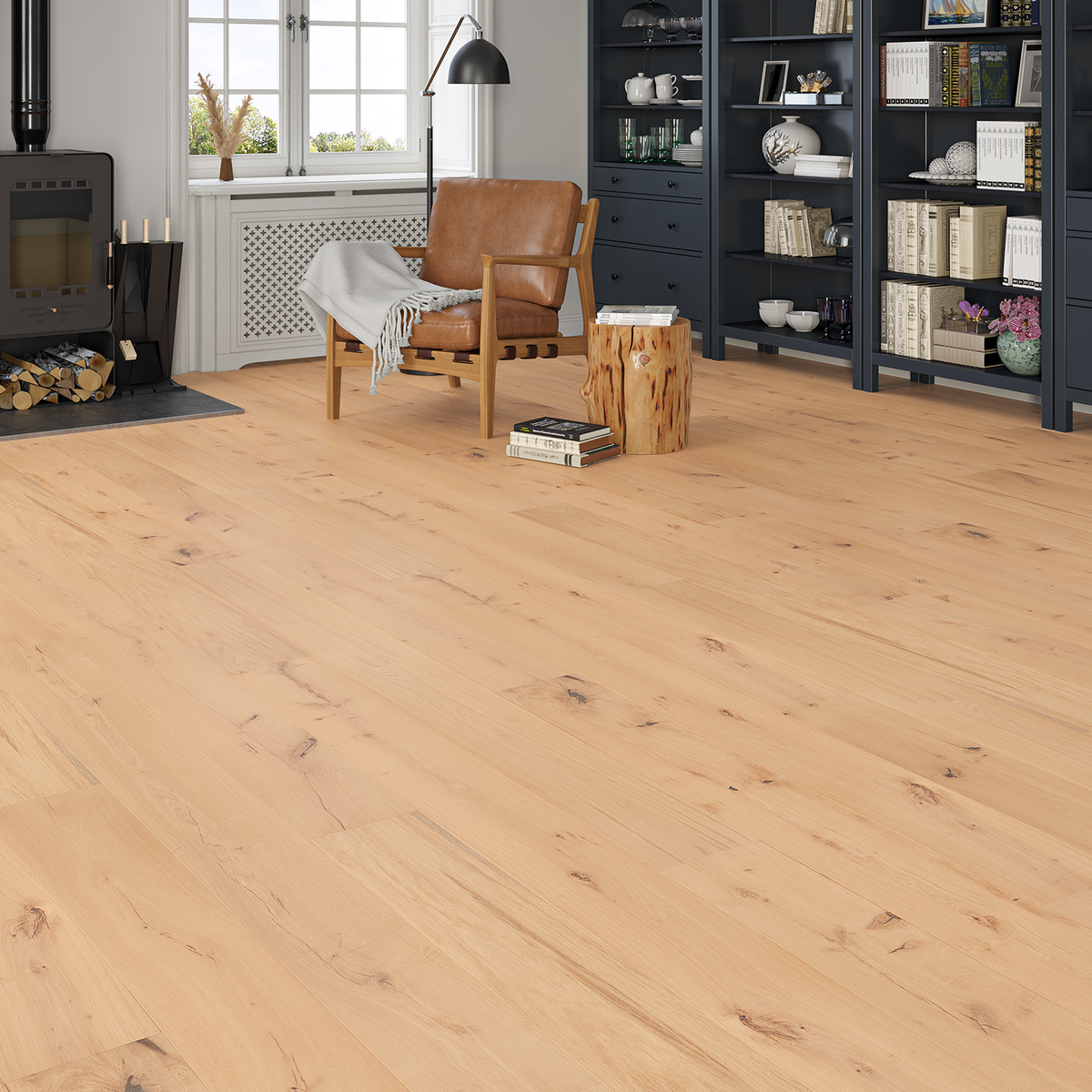
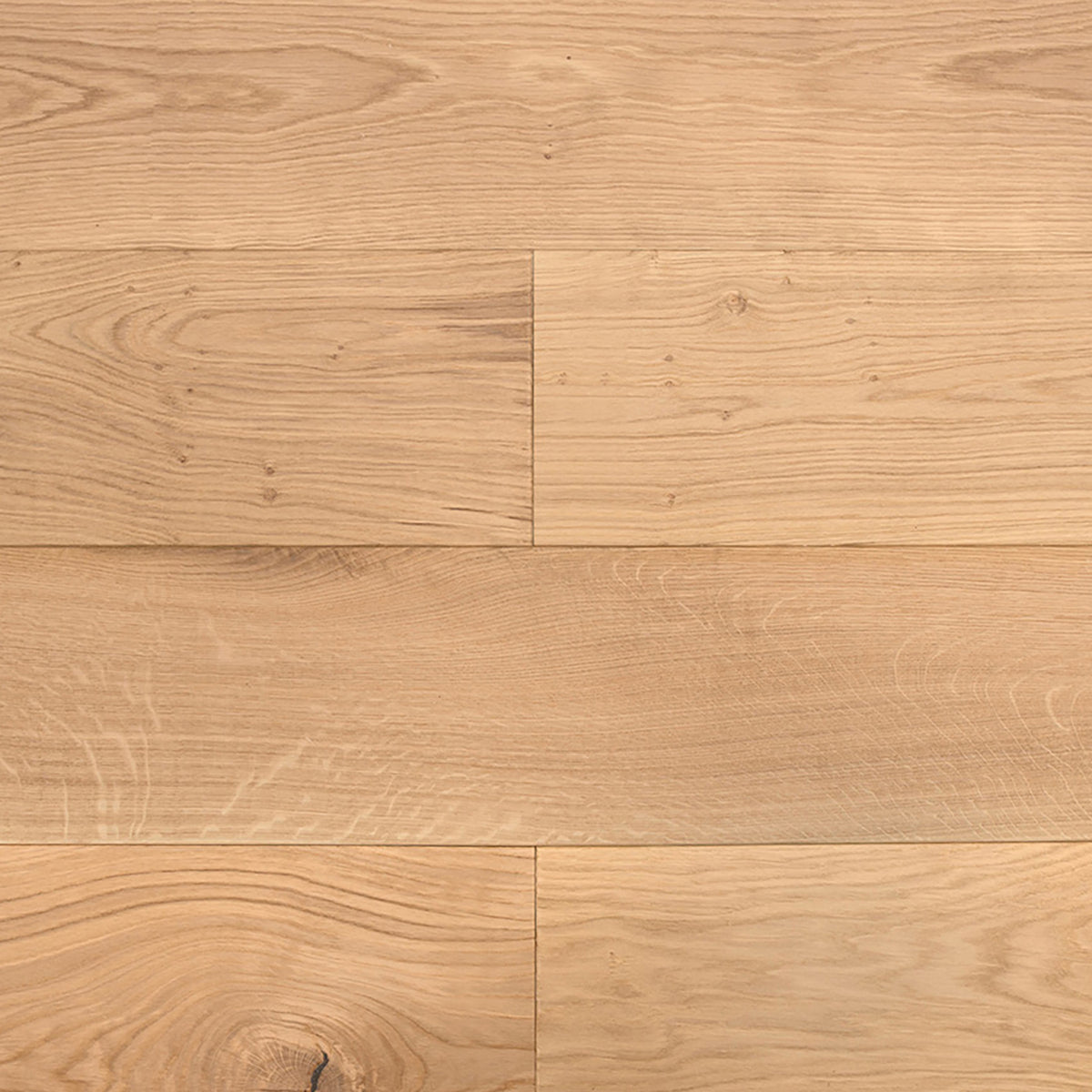
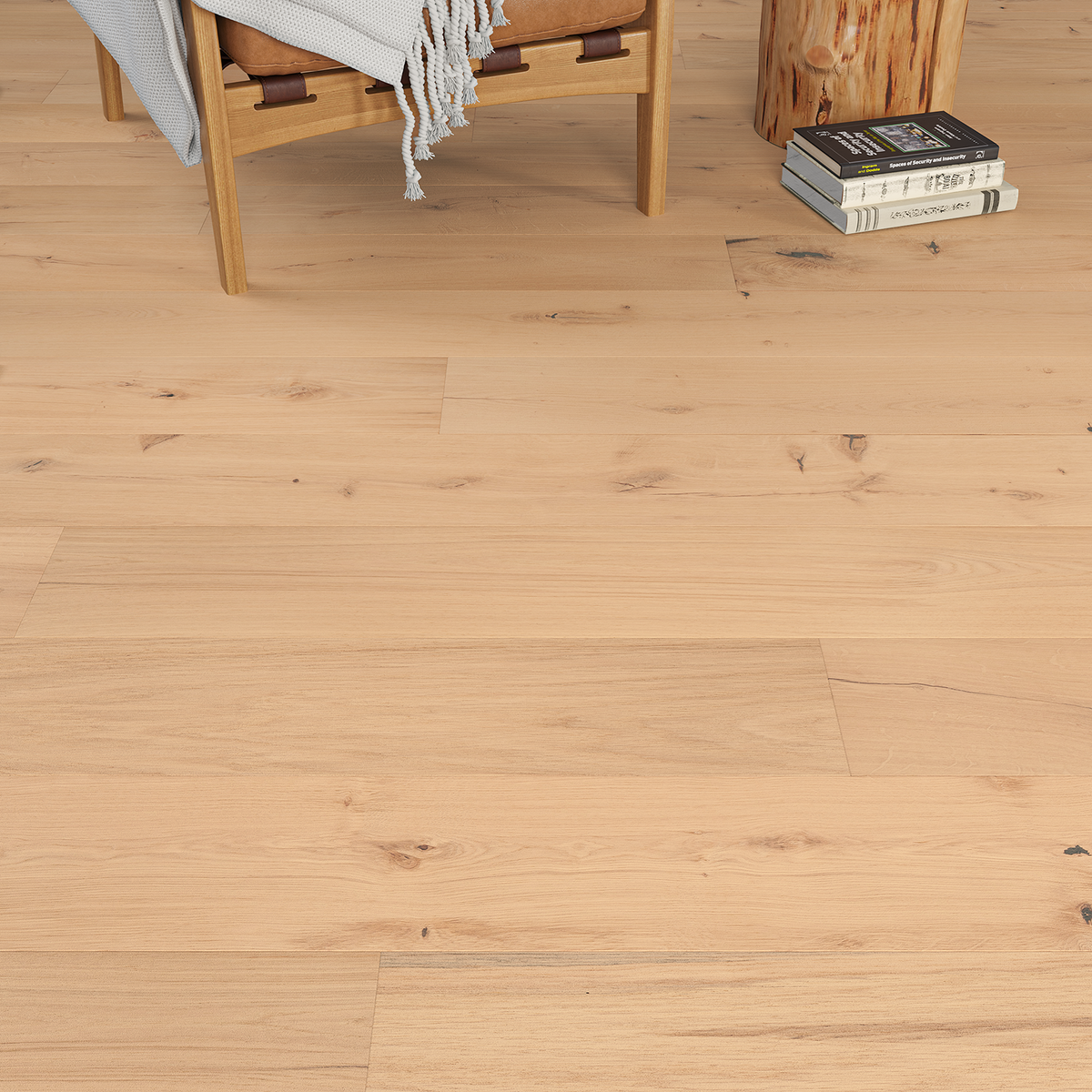
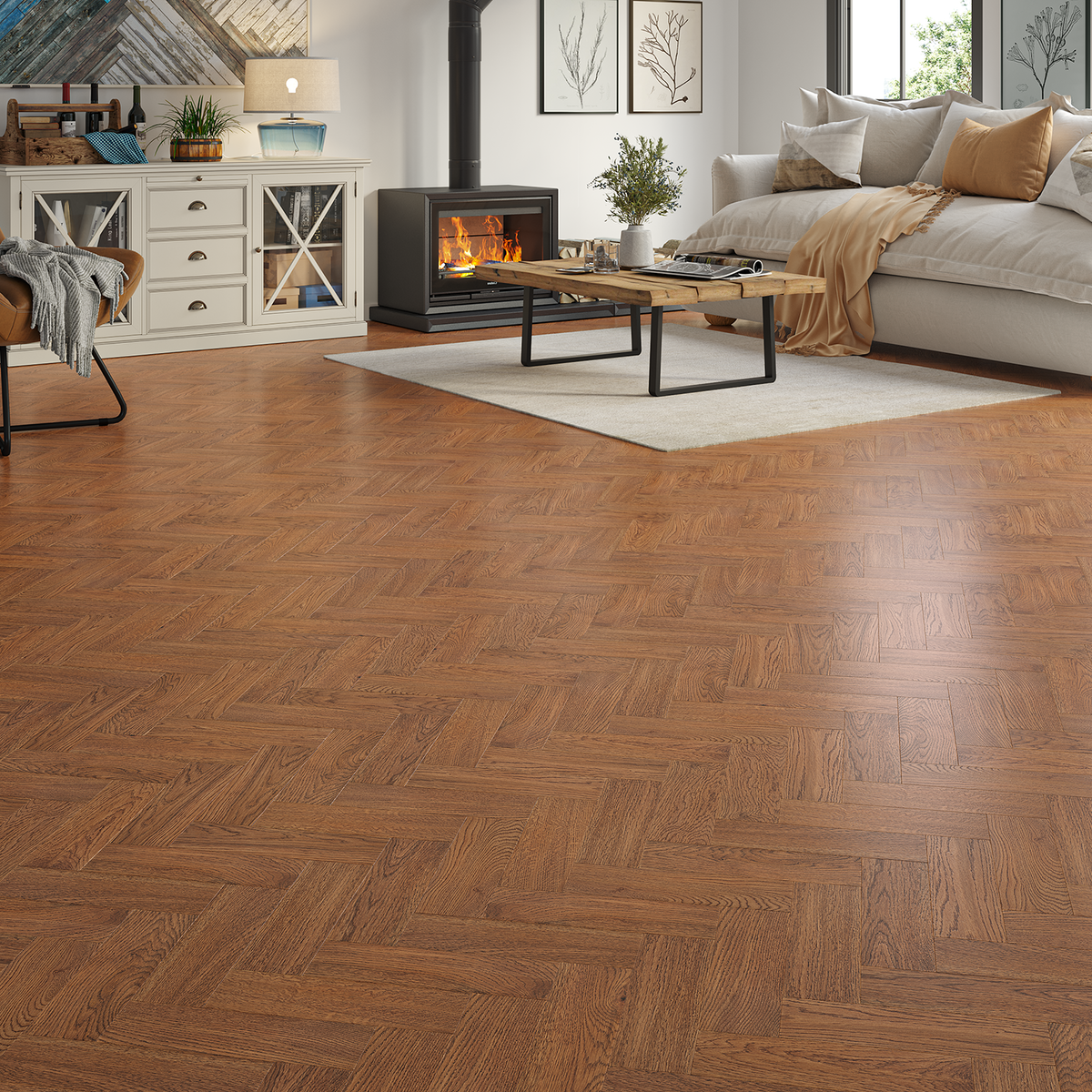
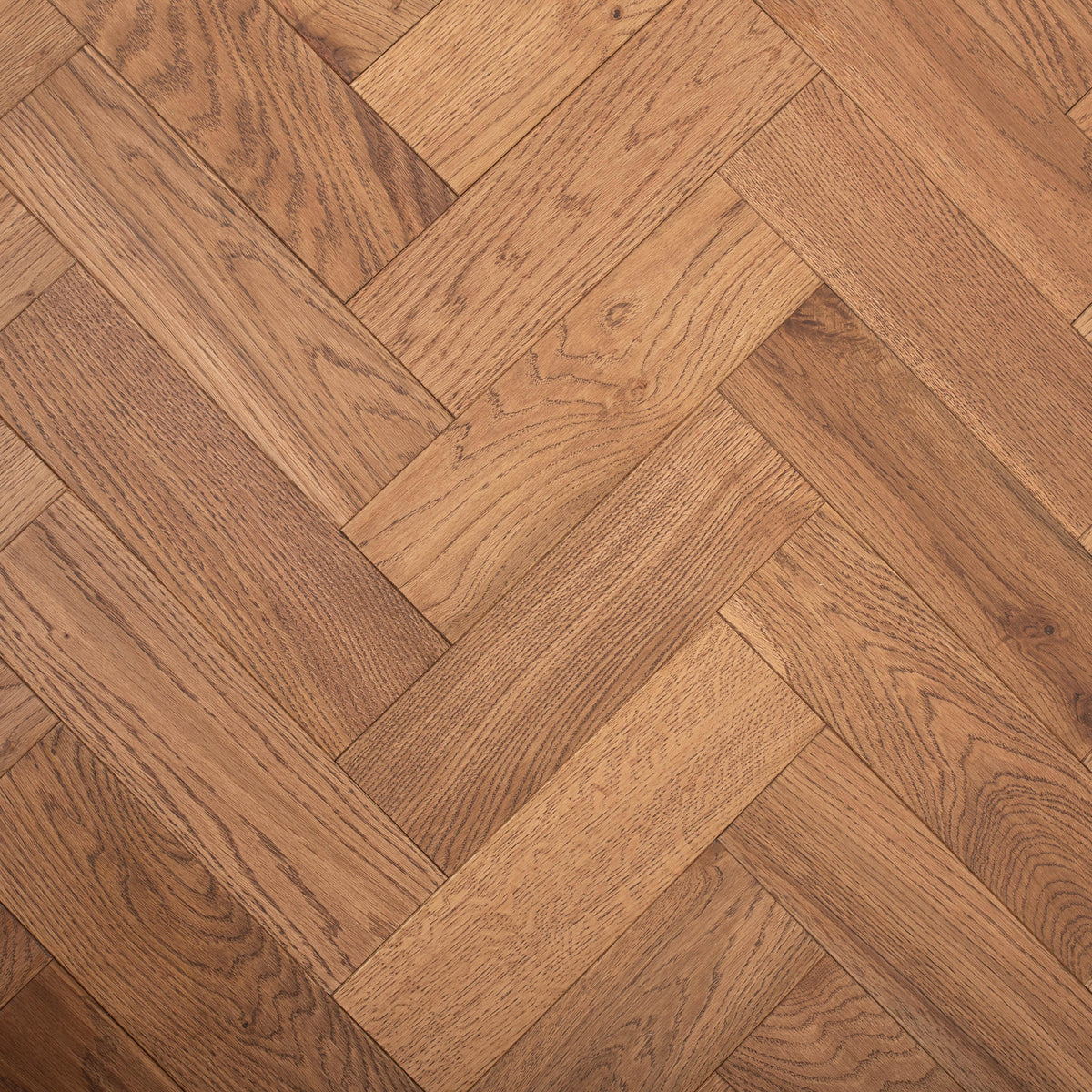
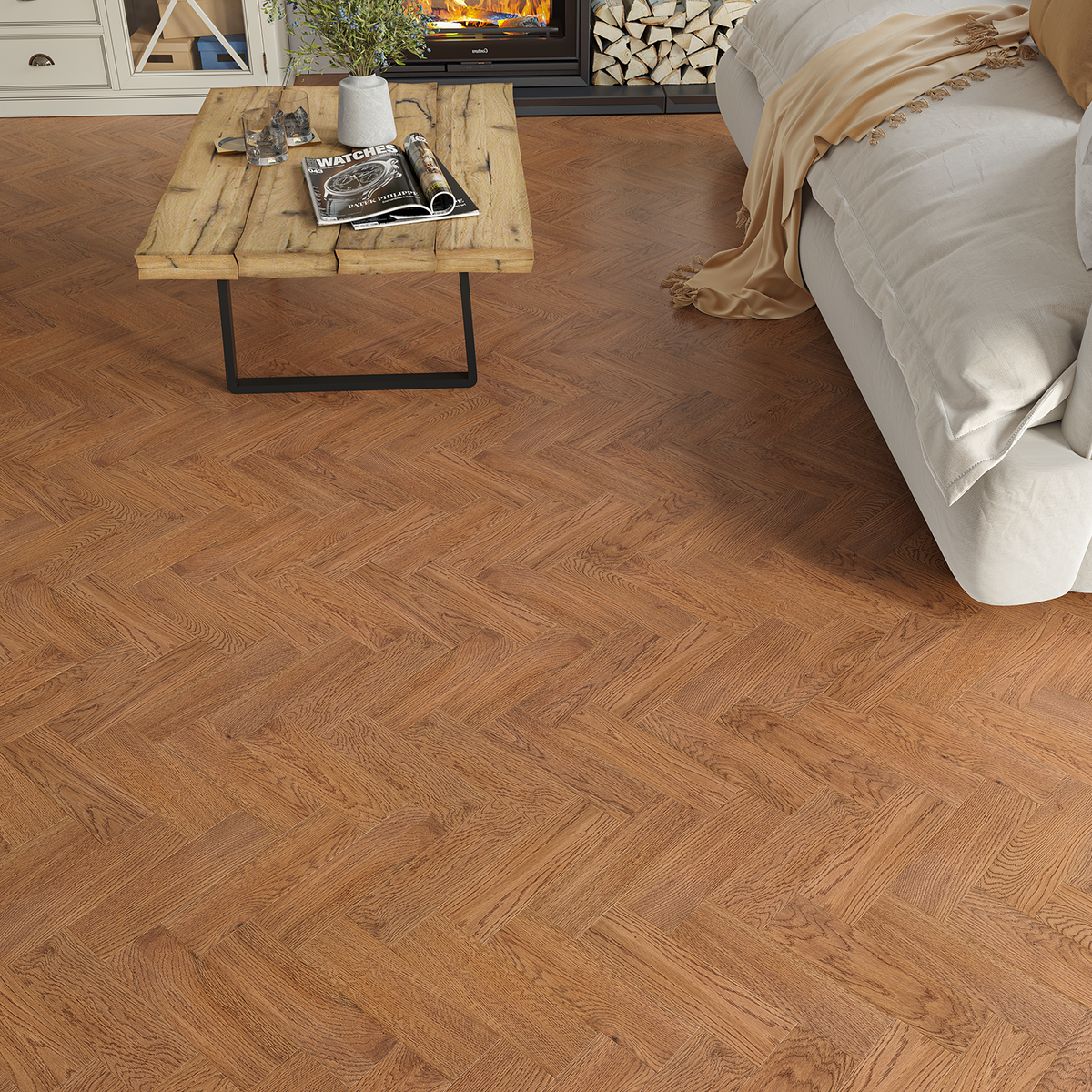
Moss Oak Straight Engineered
£60.75 per m²
£134.99 per m²
Save £74.24 per m²
Running out of stock - Order Now
Laurel Oak Herringbone Engineered
£40.50 per m²
£89.99 per m²
Save £49.49 per m²
In Stock | Next Day Delivery
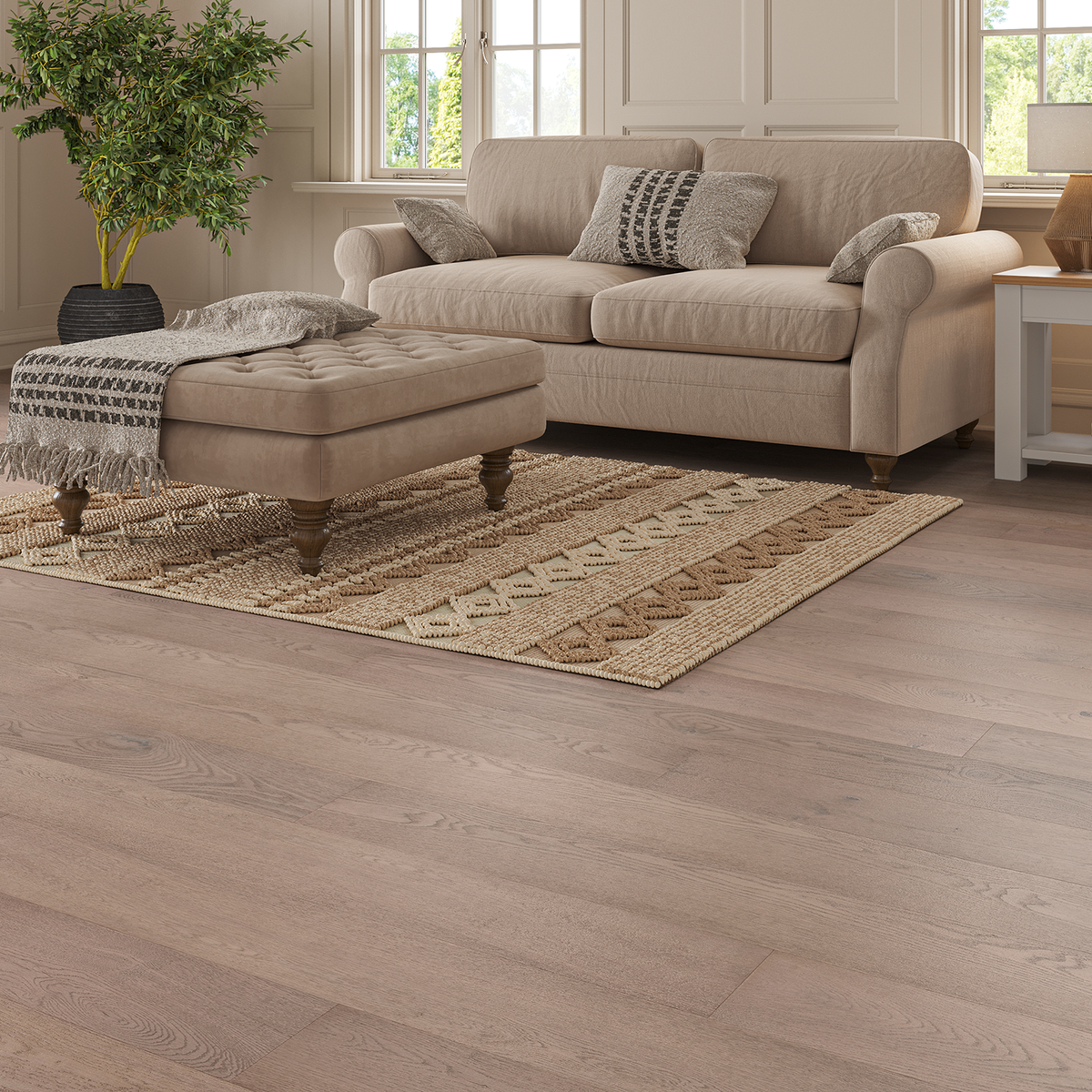
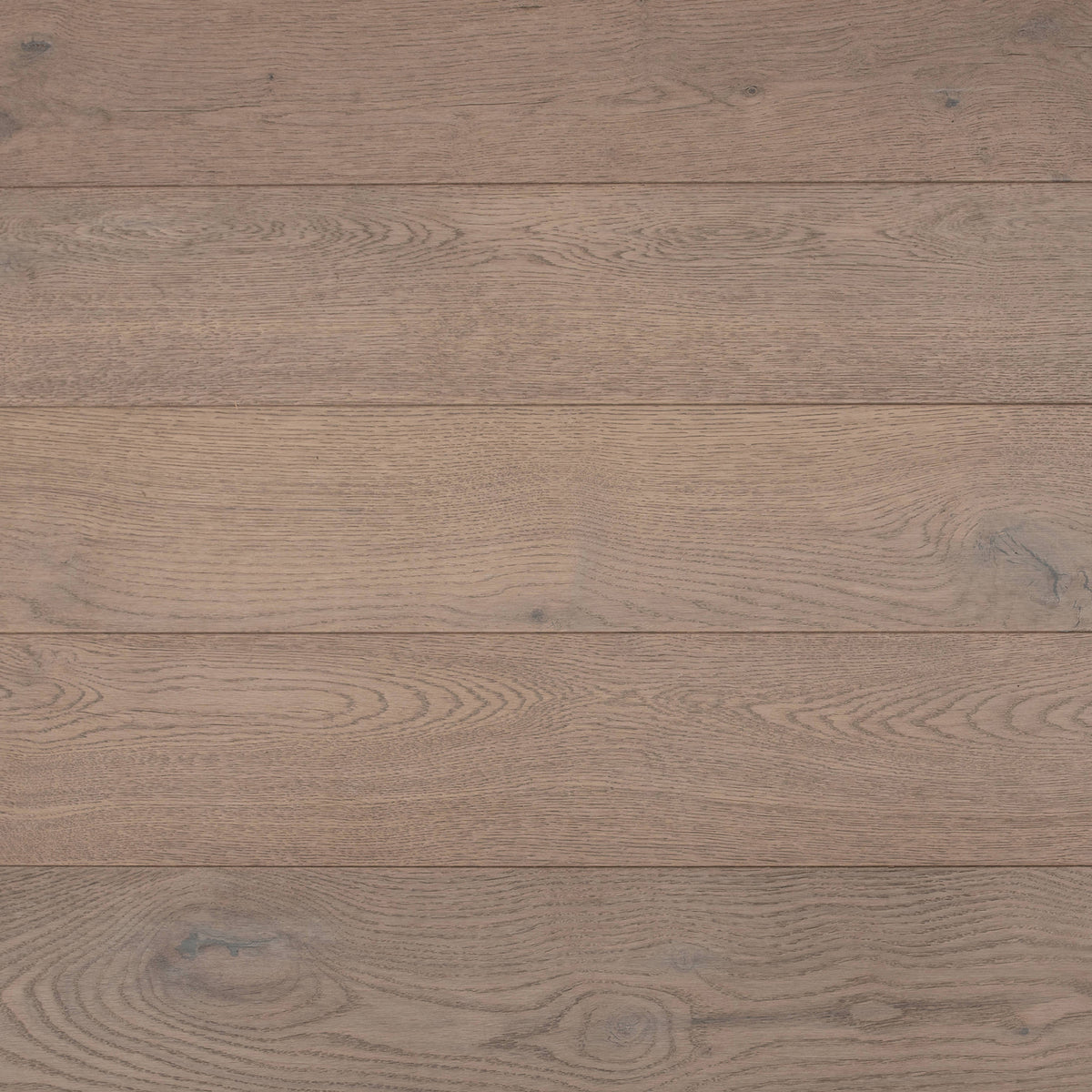
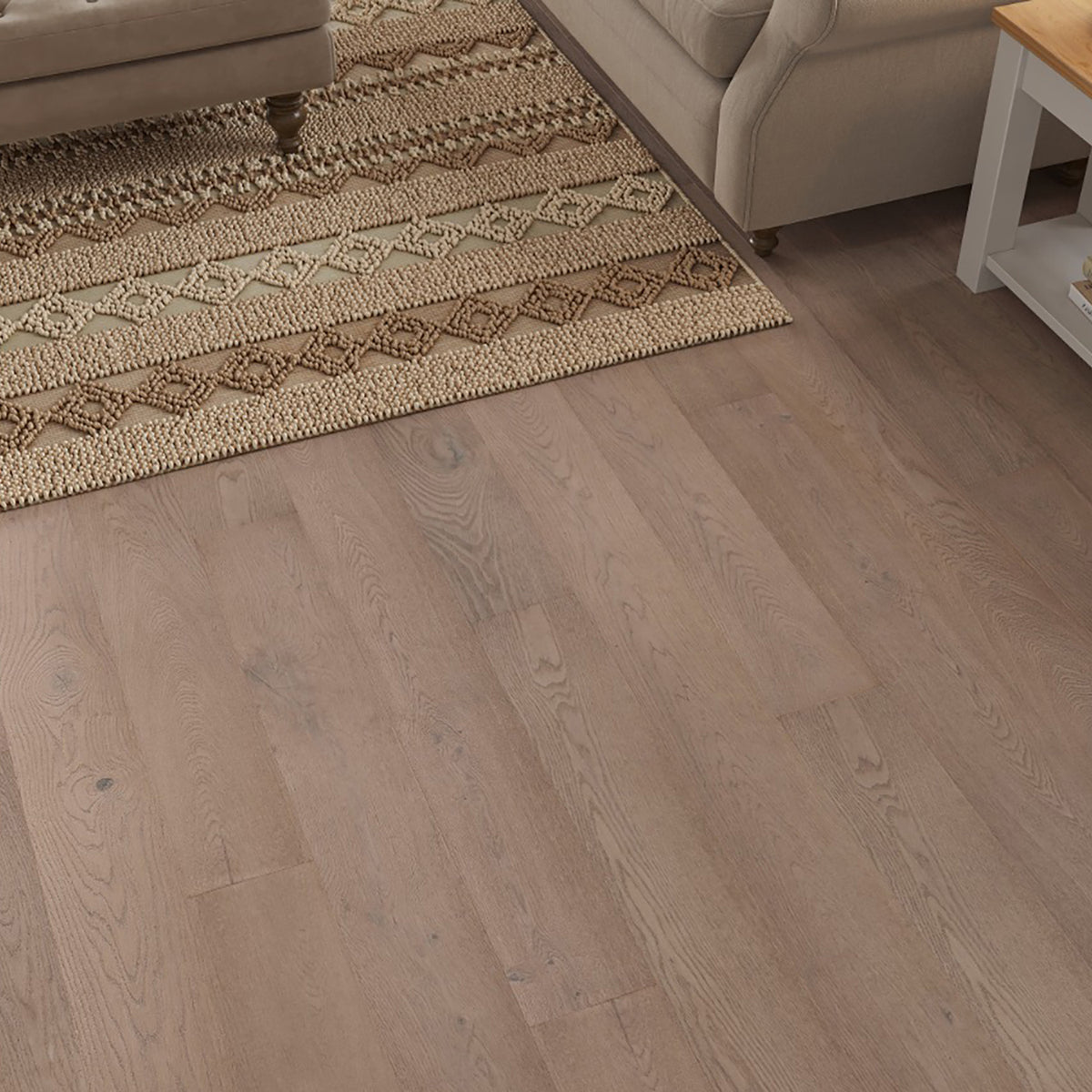
Sienna Walnut Straight Engineered
£74.25 per m²
£165.00 per m²
Save £90.75 per m²
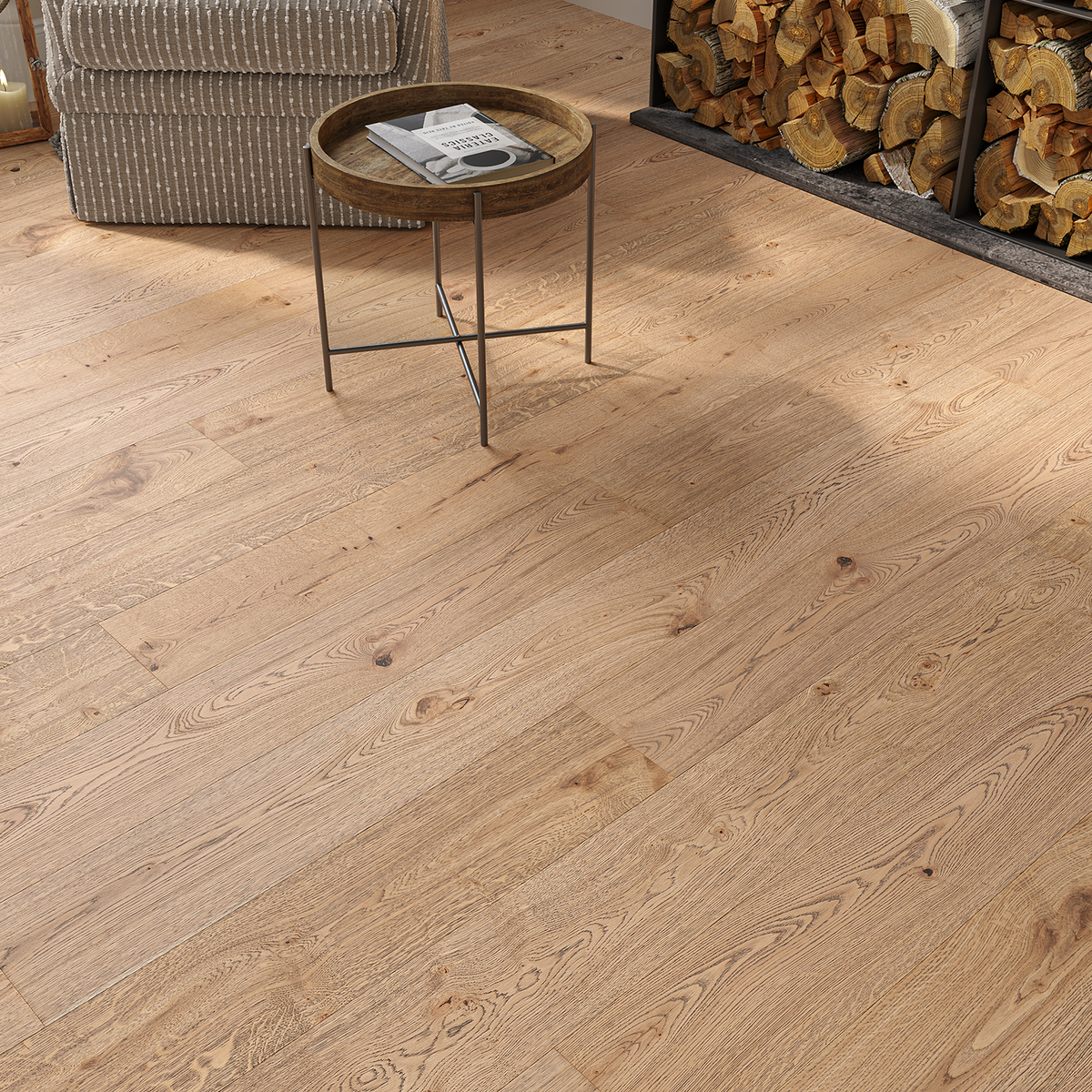
In Stock | Next Day Delivery
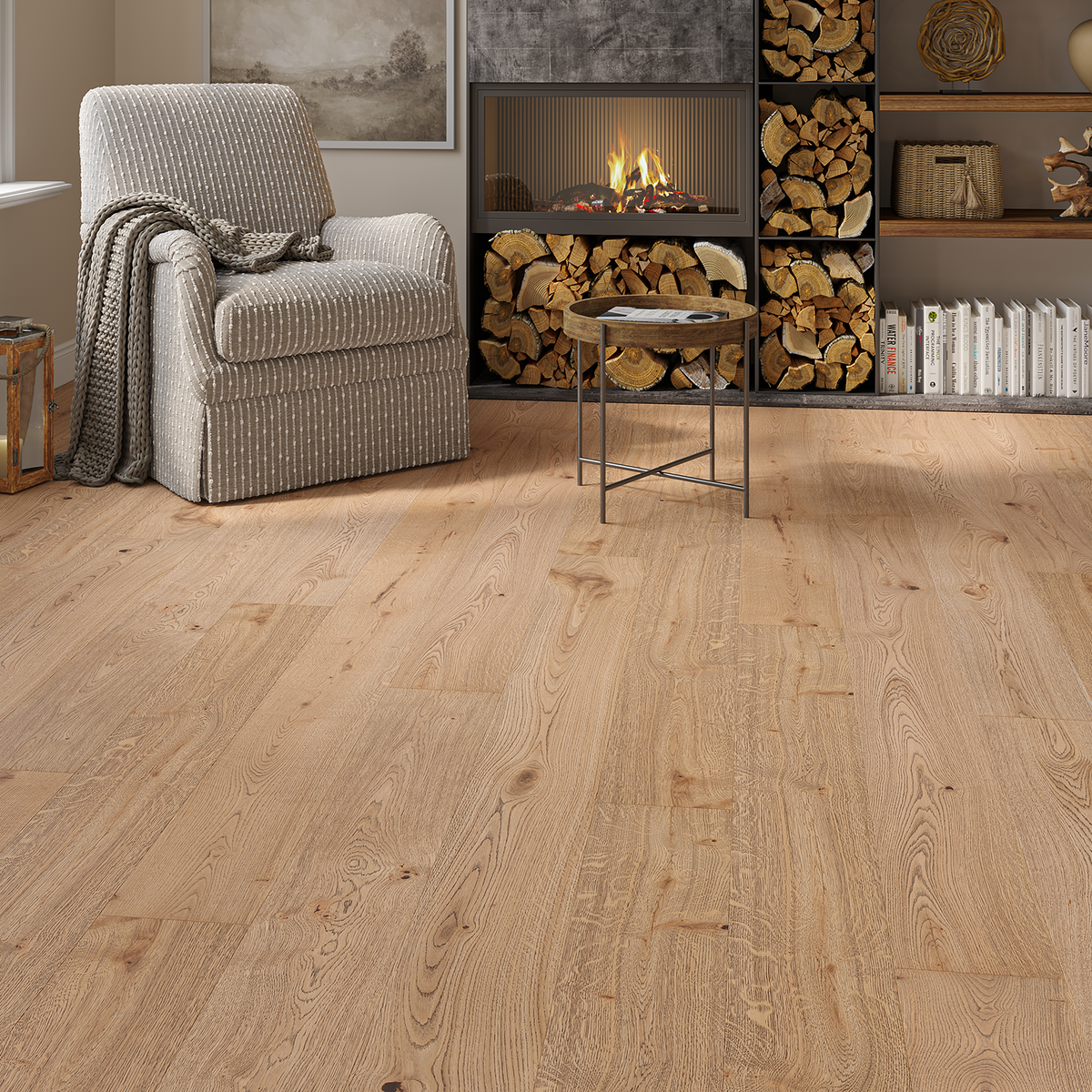
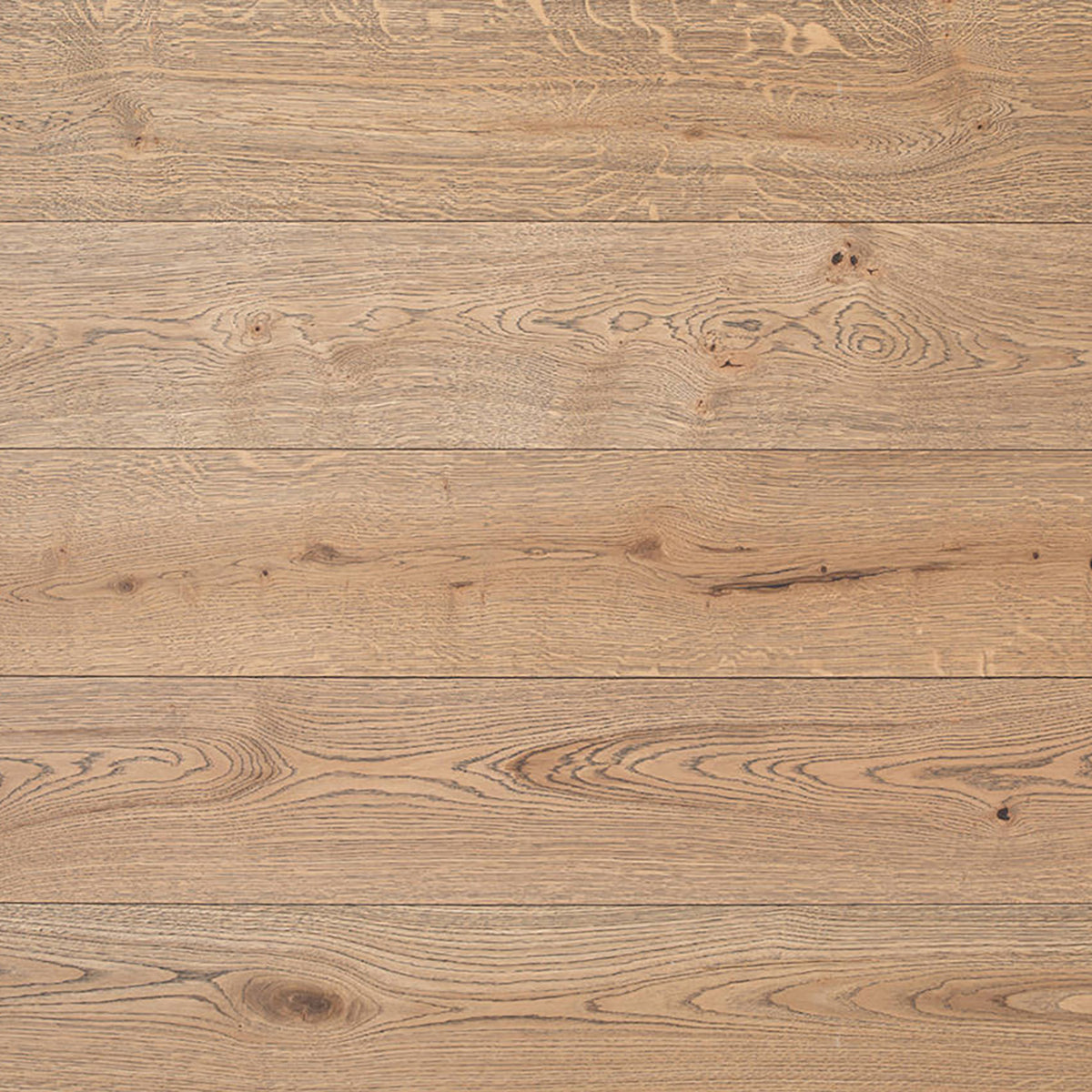
Blossom Oak Straight Engineered
£45.00 per m²
£99.99 per m²
Save £54.99 per m²
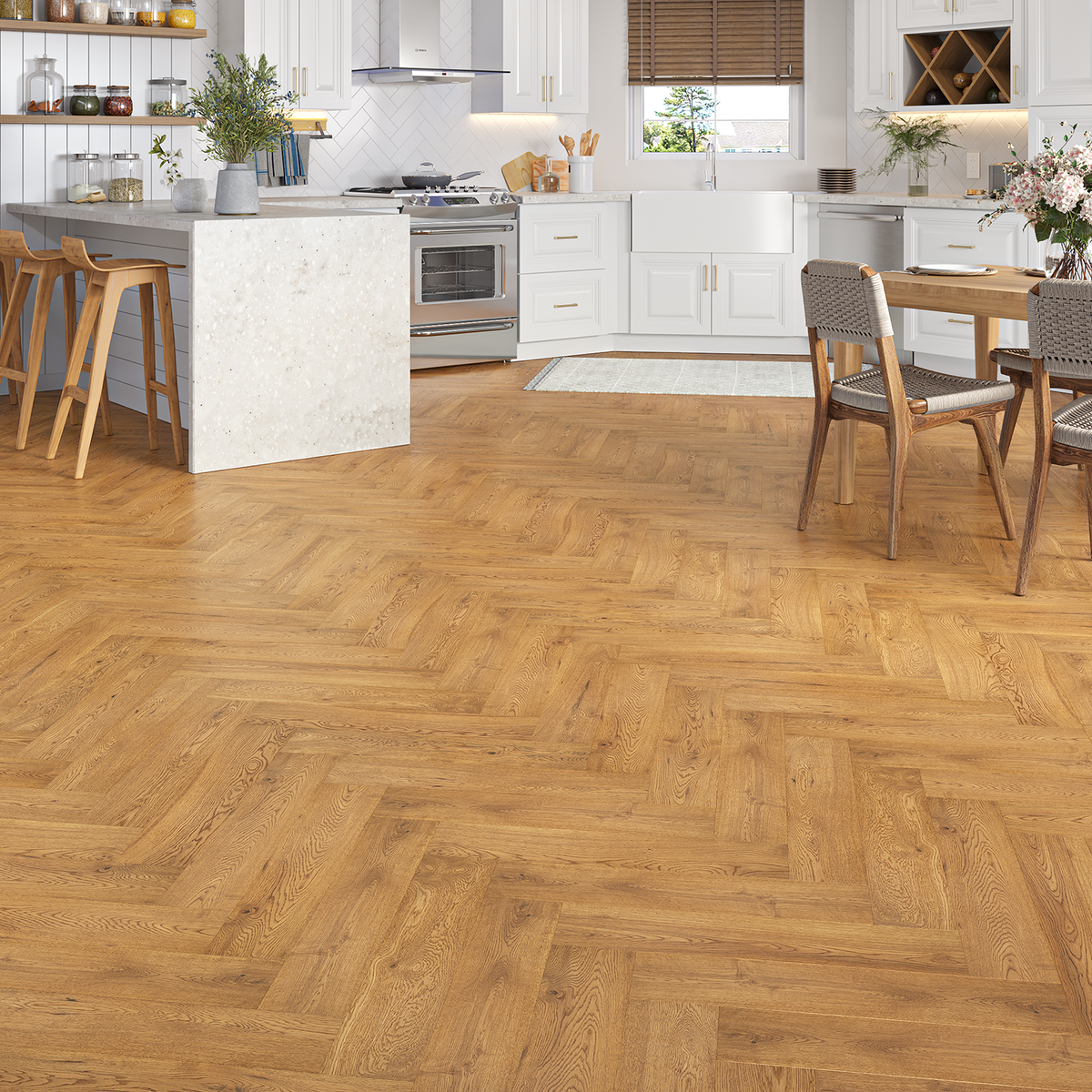
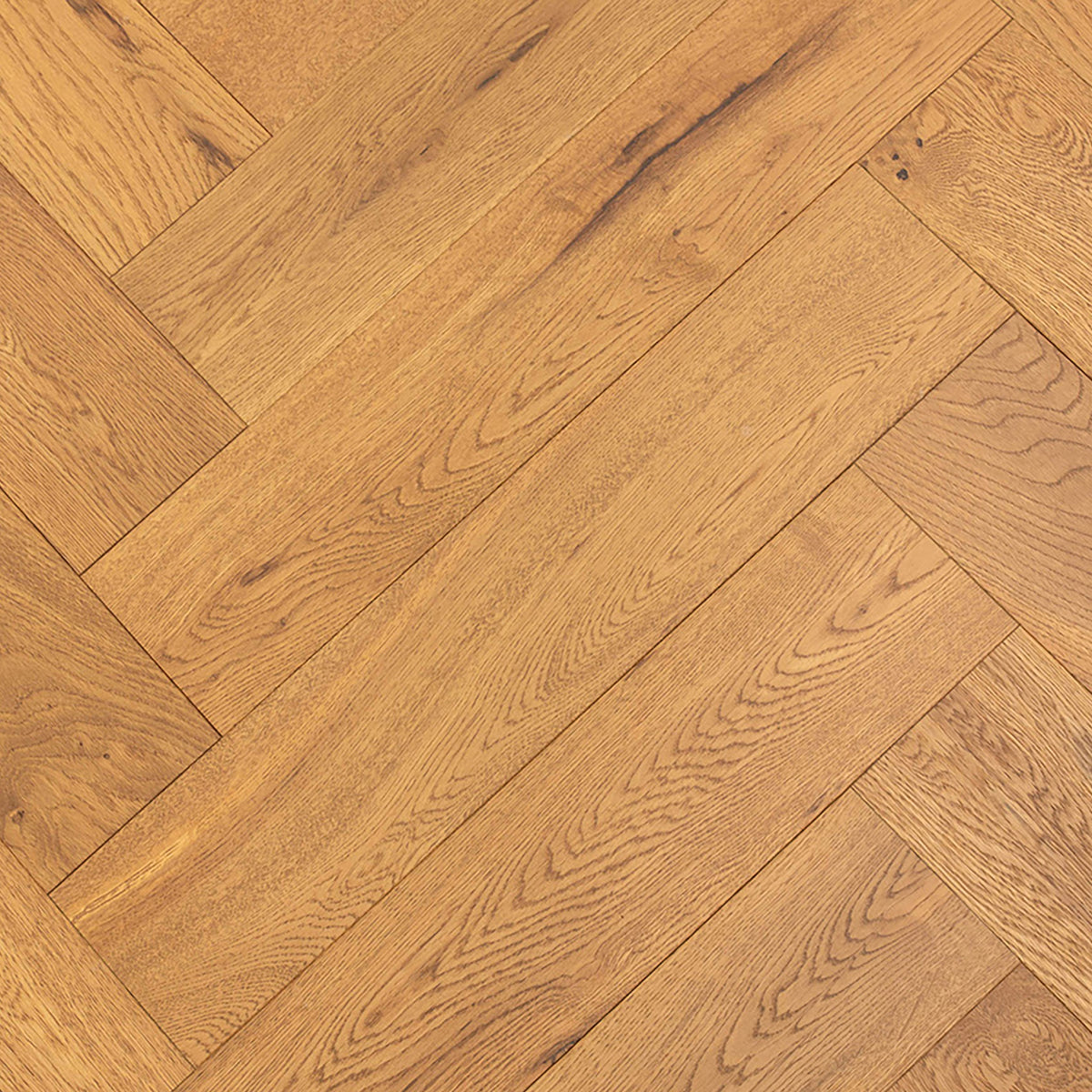
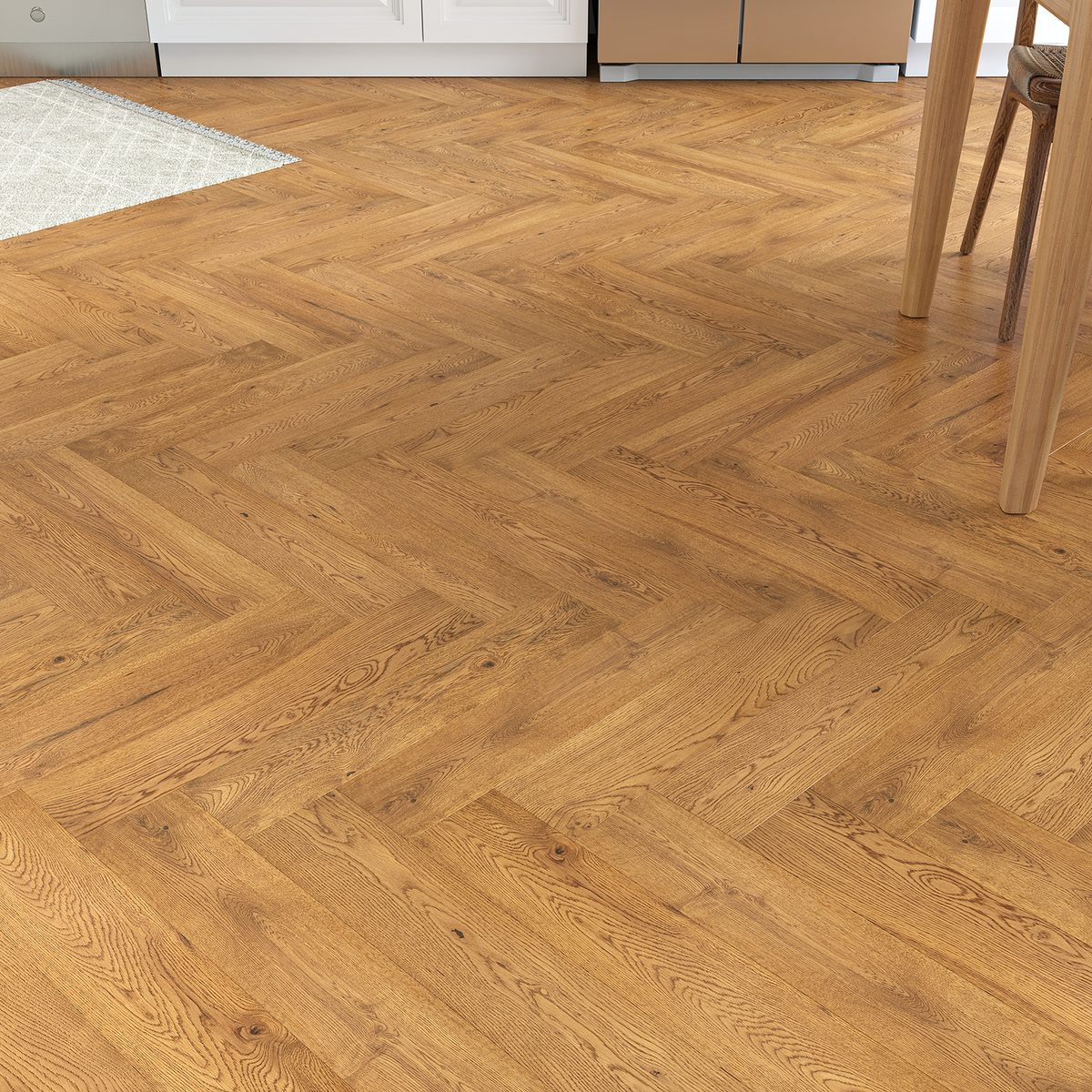
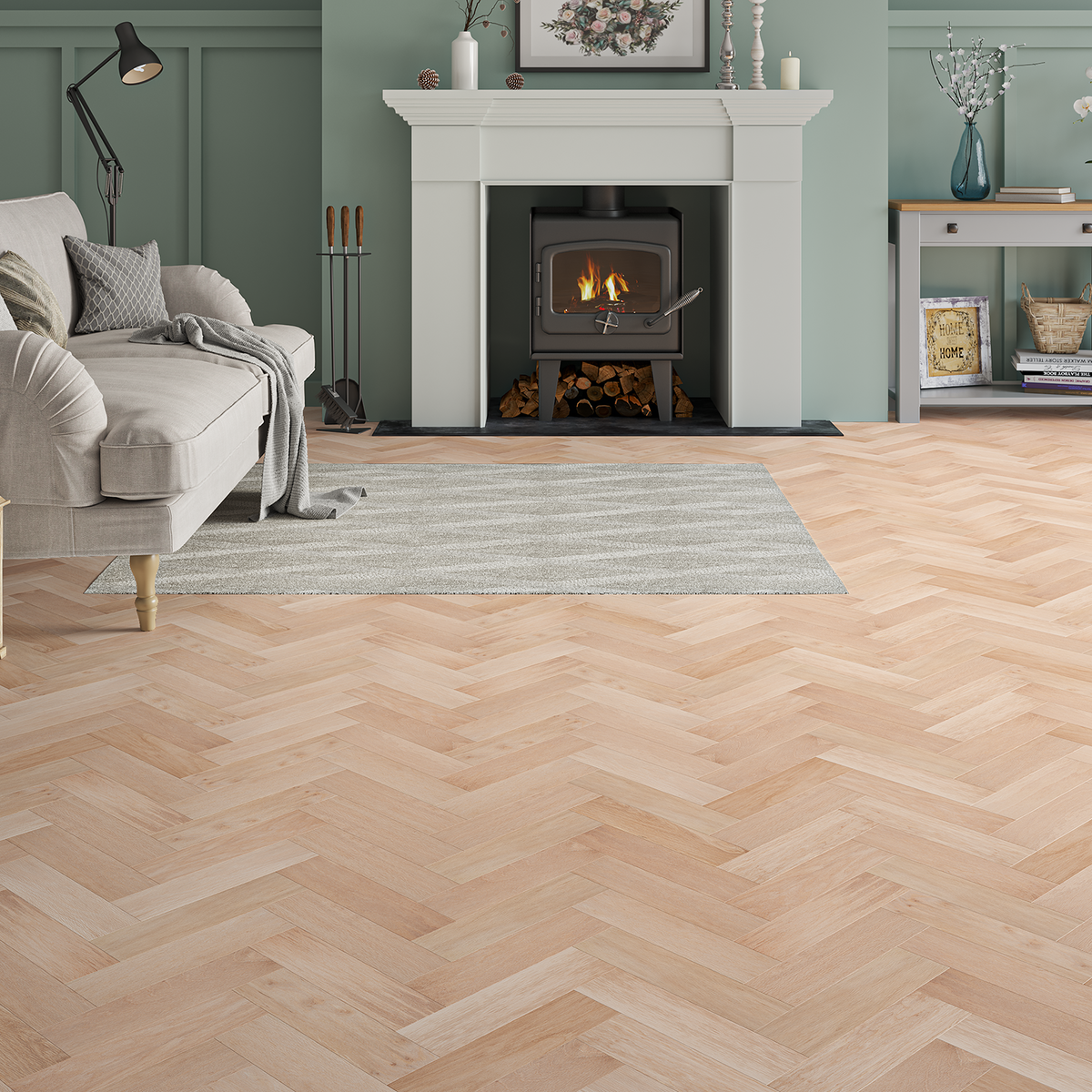
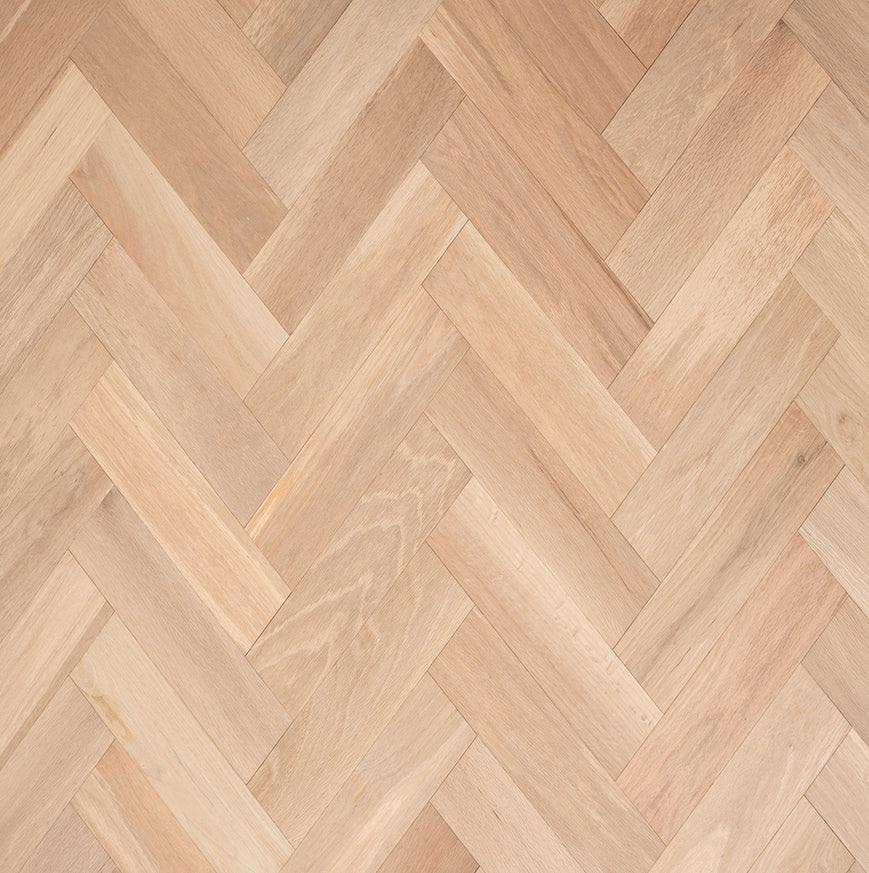
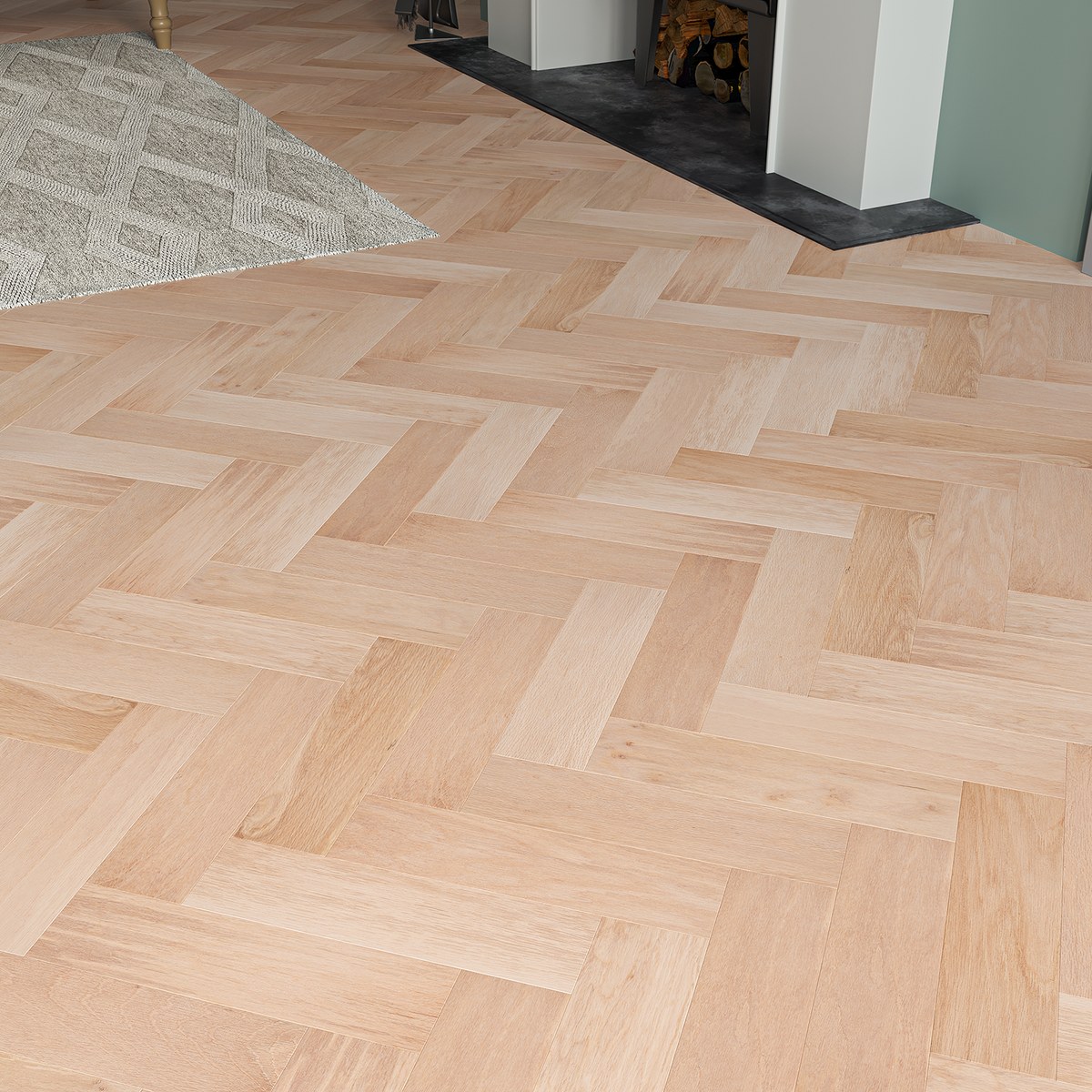
Azalea Oak Herringbone Engineered
£38.25 per m²
£84.99 per m²
Save £46.74 per m²
In Stock | Next Day Delivery
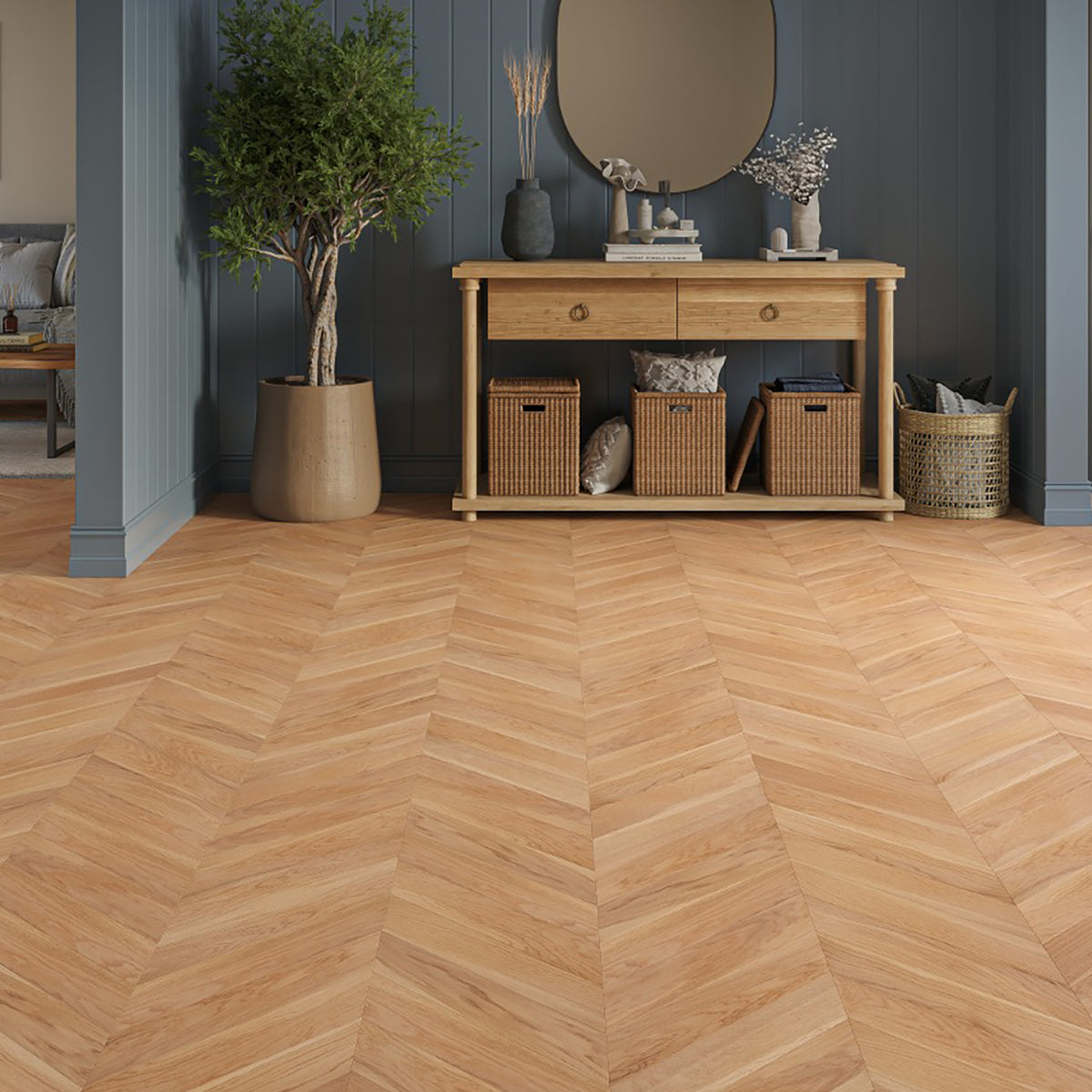
Orchid Oak Herringbone Engineered
£27.00 per m²
£59.99 per m²
Save £32.99 per m²
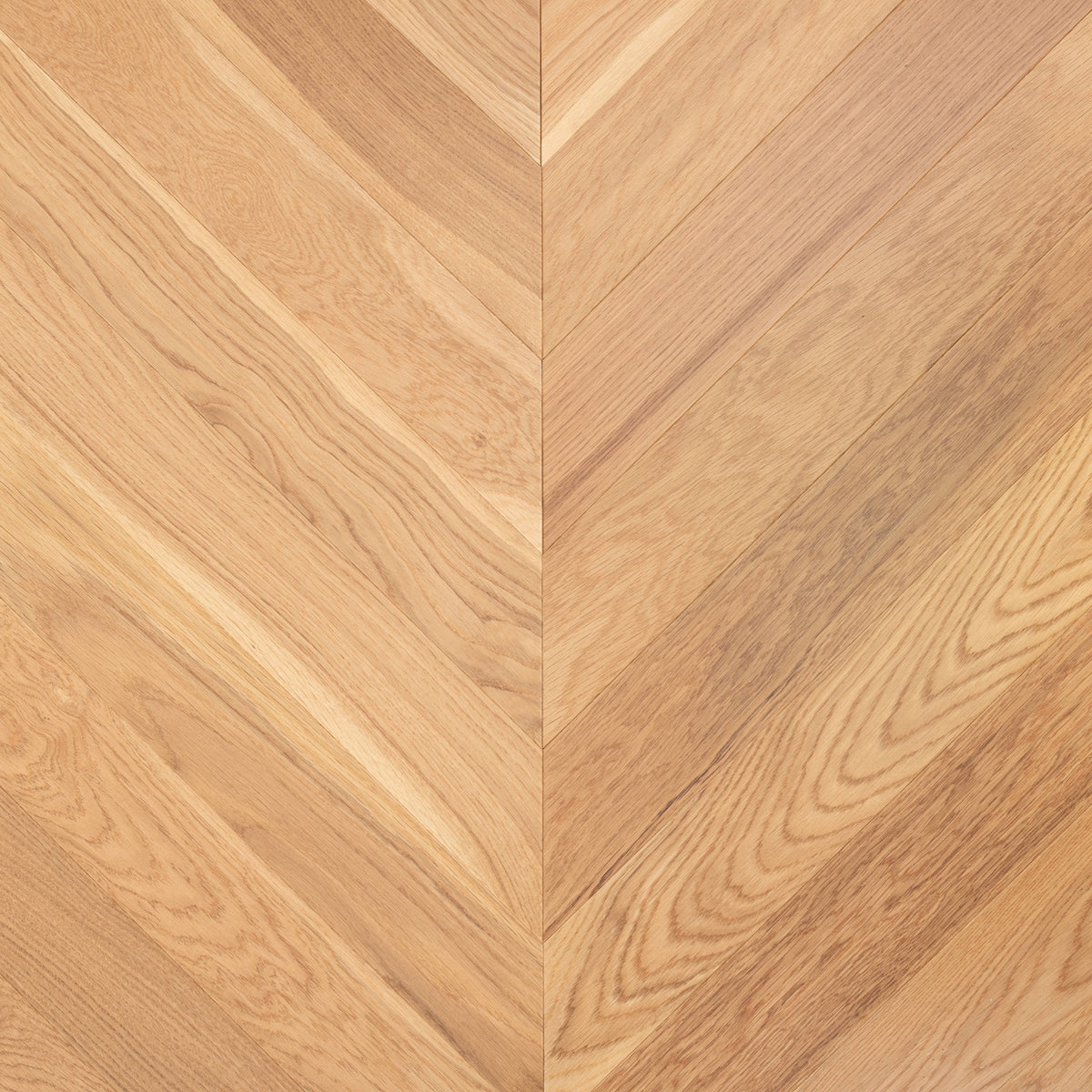
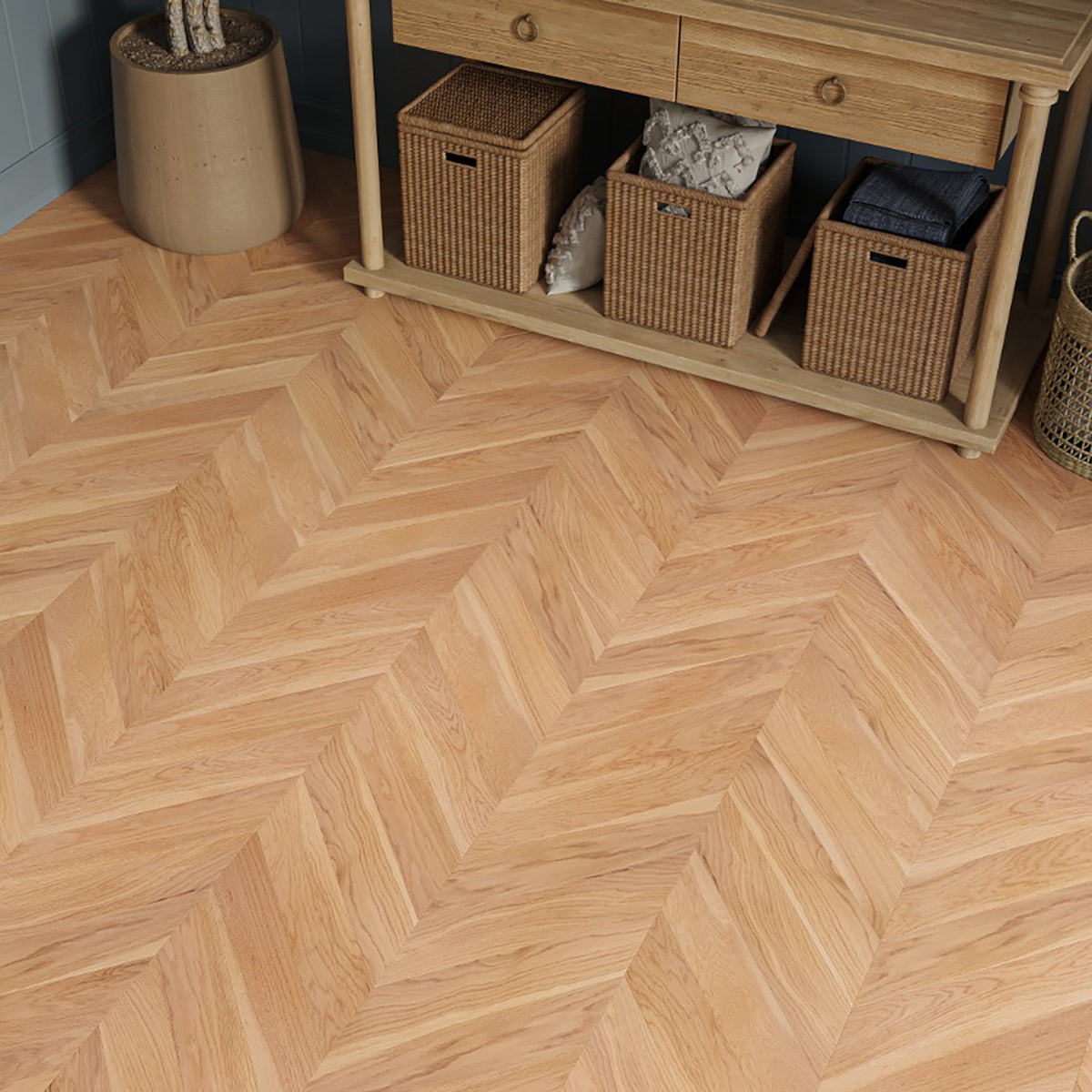
In Stock | Next Day Delivery
Kensington Oak Chevron Engineered
£47.25 per m²
£104.99 per m²
Save £57.74 per m²
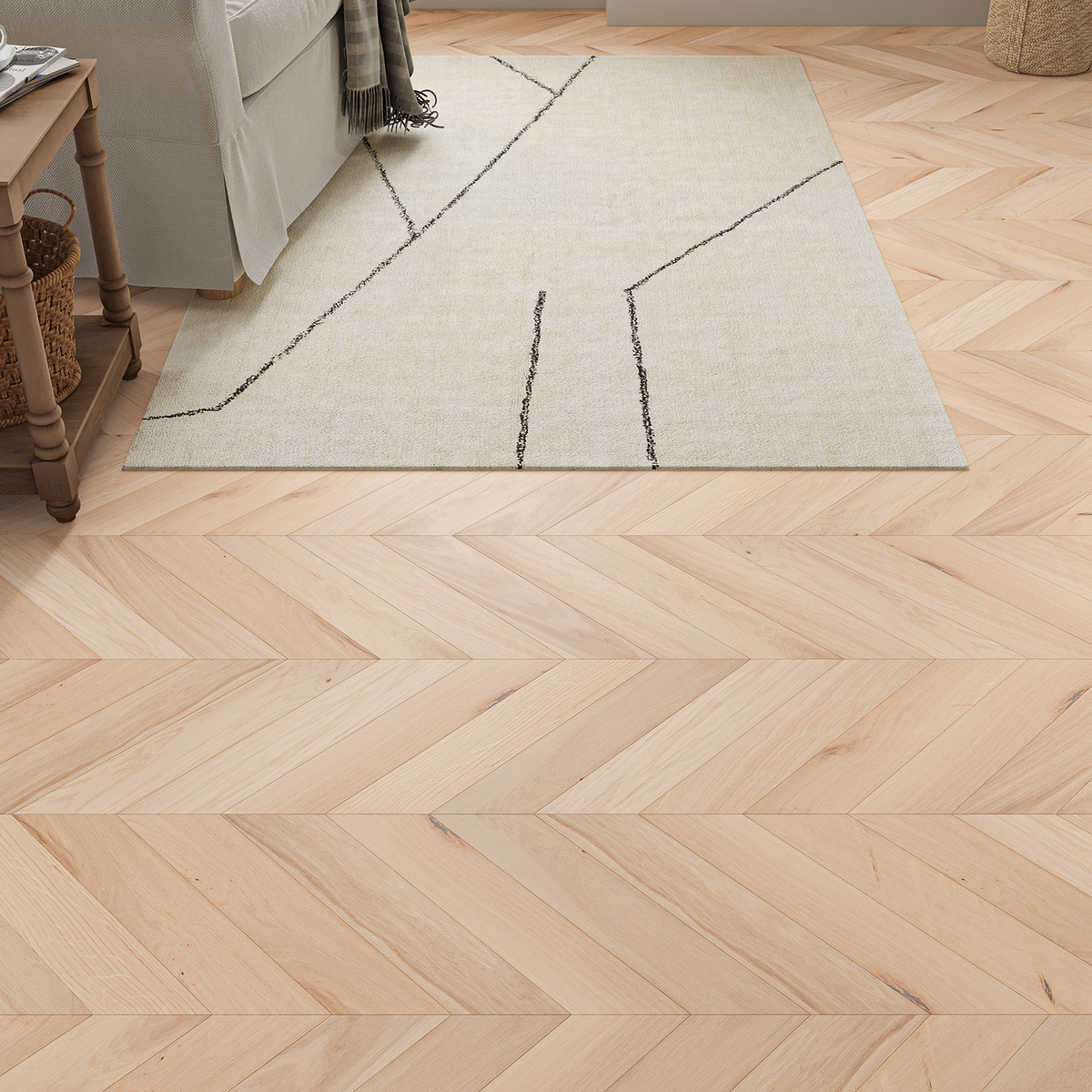
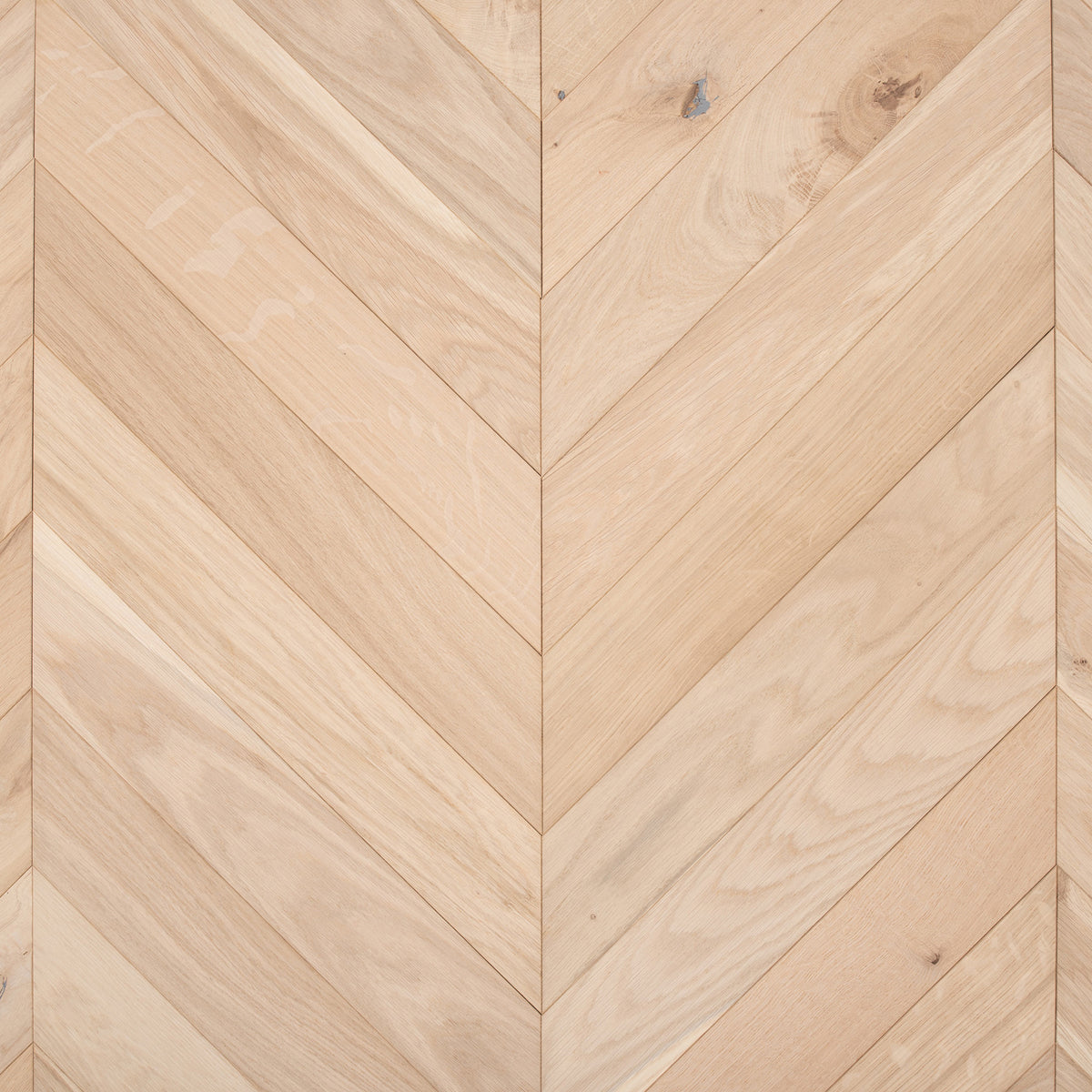
In Stock | Next Day Delivery
Feather Oak Chevron Engineered
£47.25 per m²
£104.99 per m²
Save £57.74 per m²
In Stock | Next Day Delivery
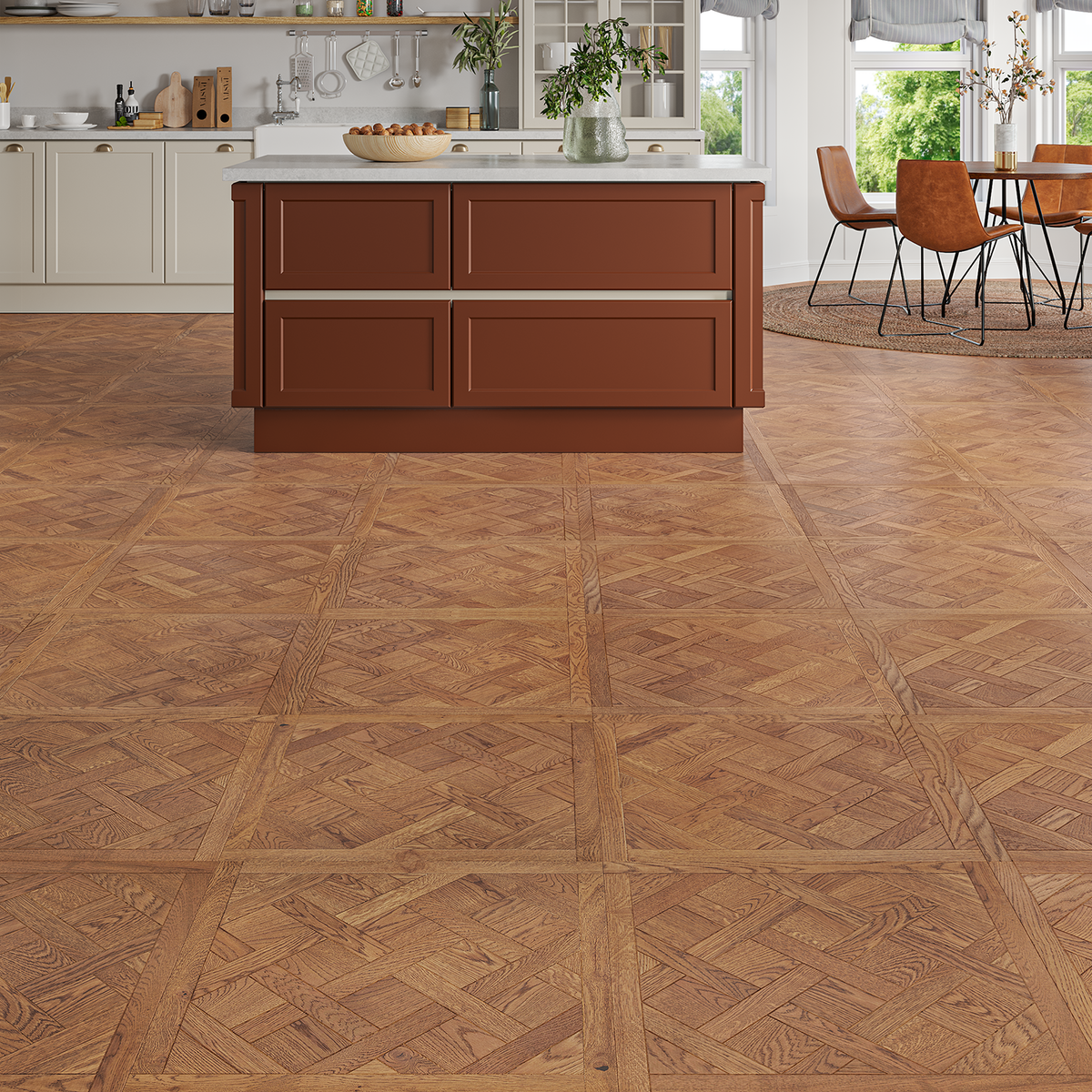
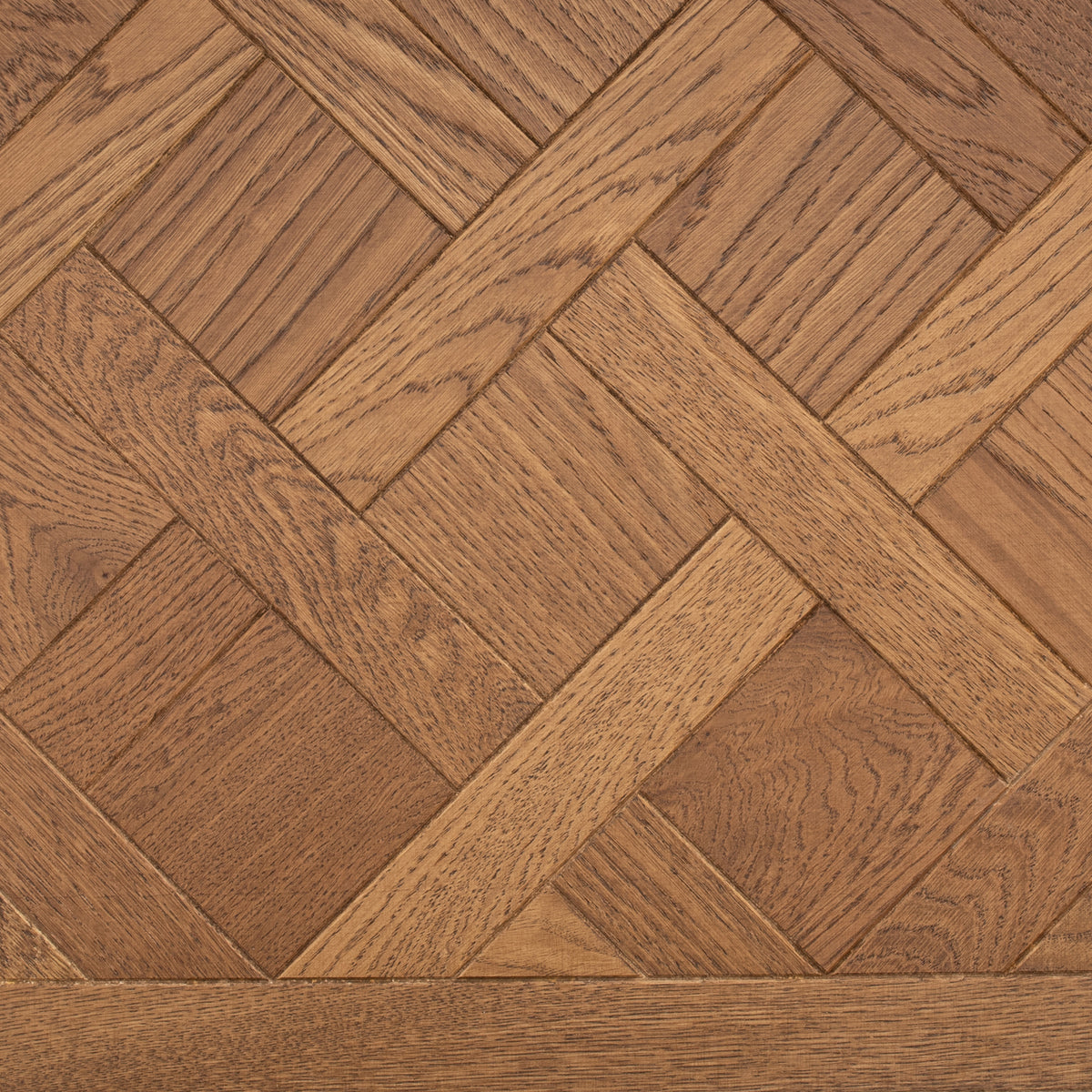
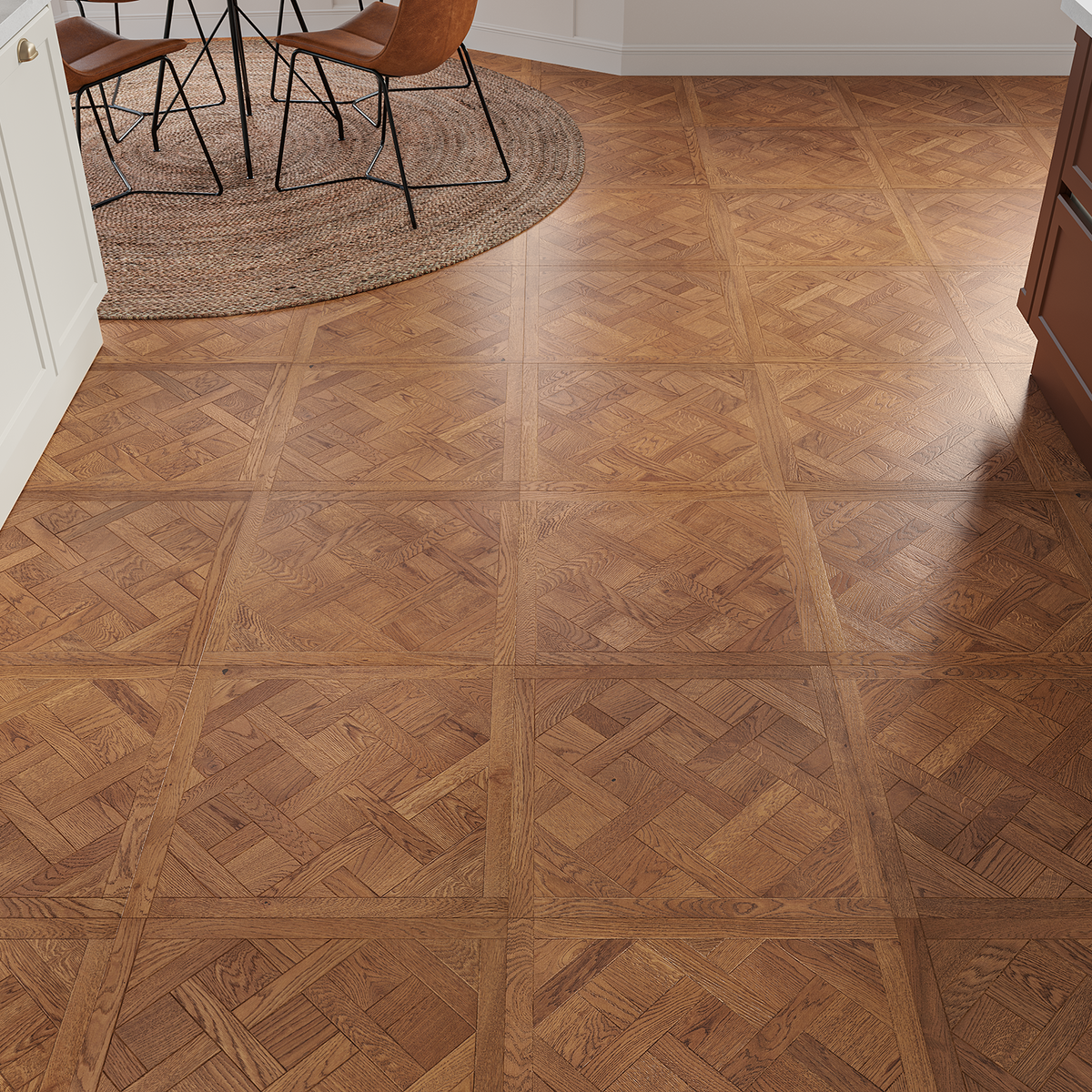
Maison Oak Versaille Engineered
£72.00 per m²
£159.99 per m²
Save £87.99 per m²
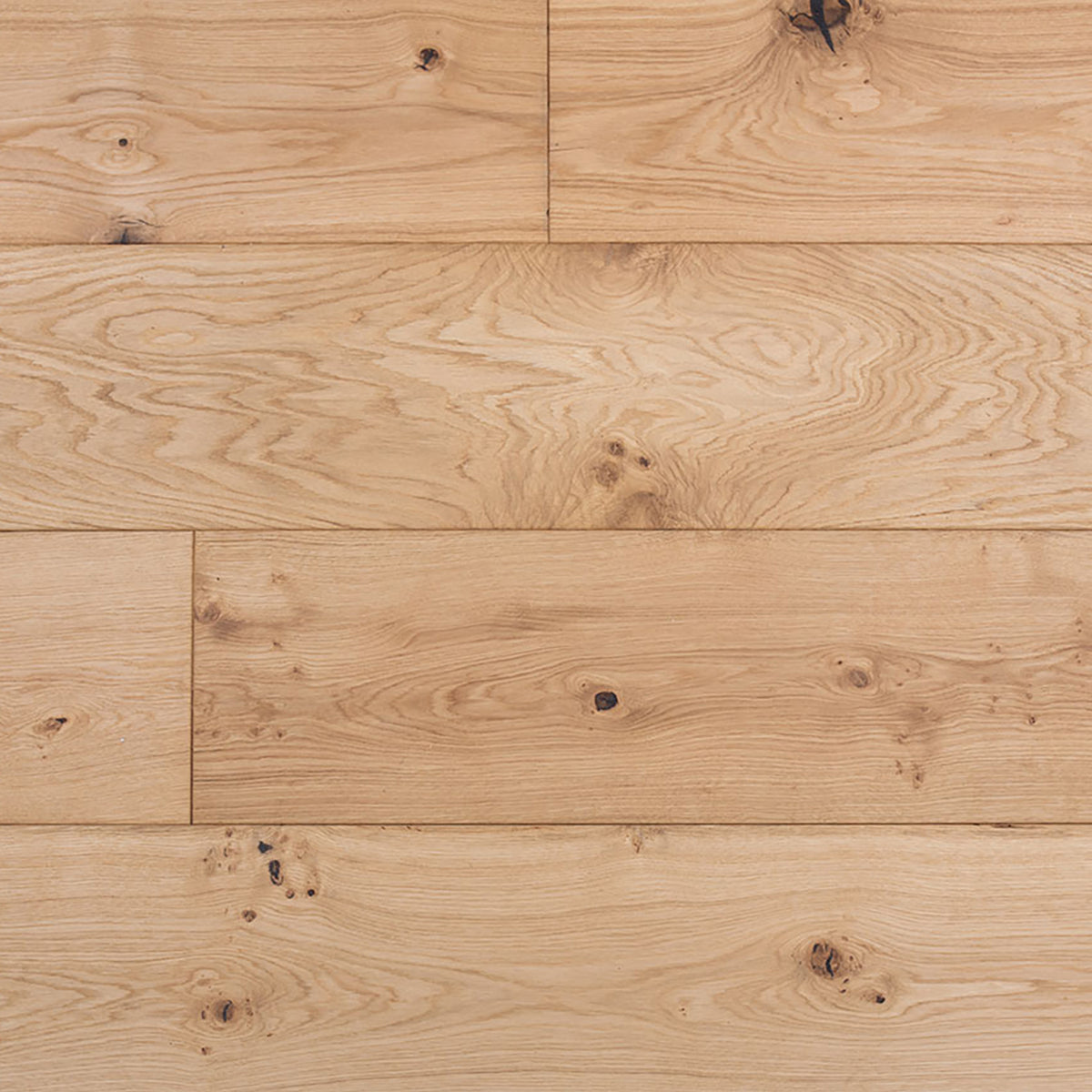
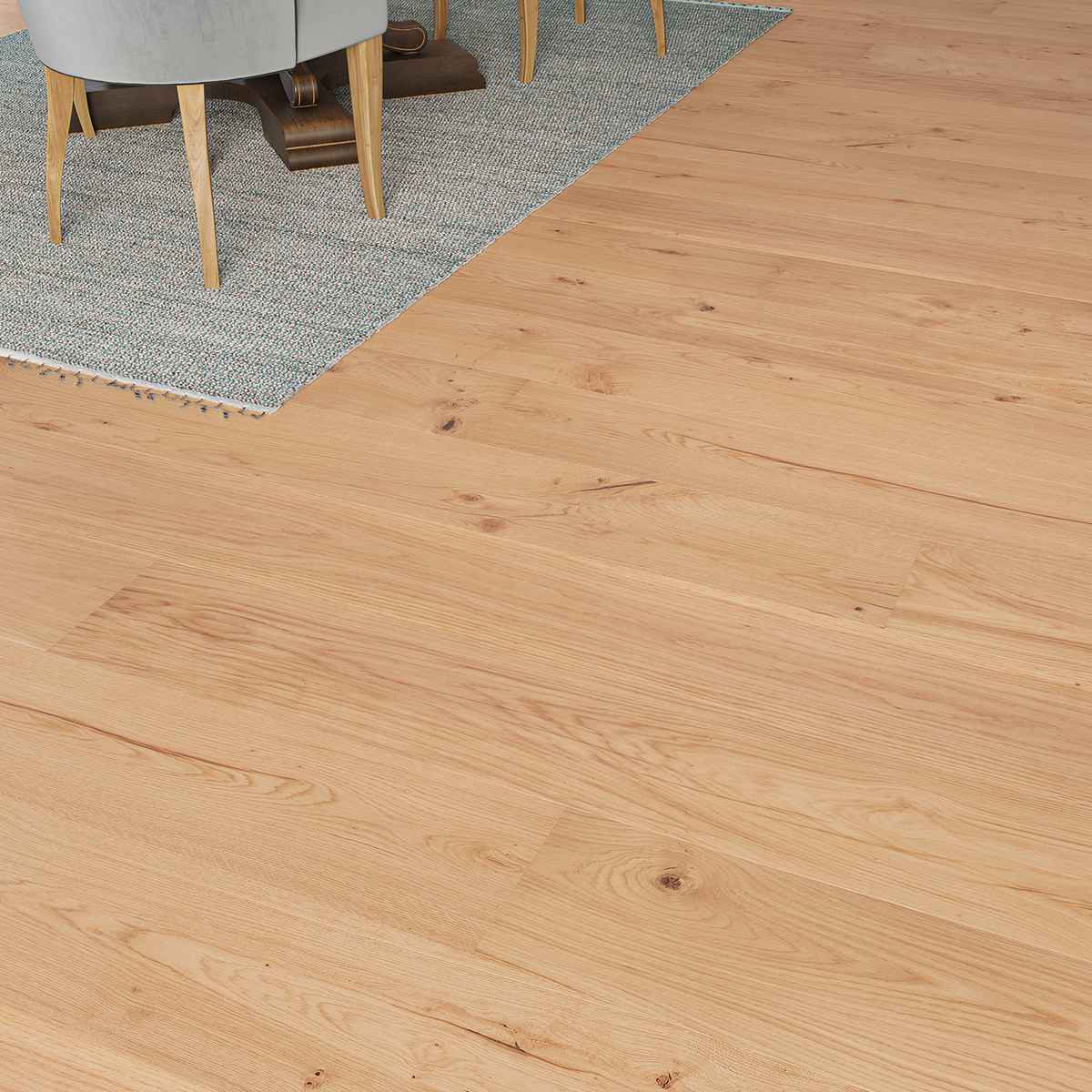
In Stock | Next Day Delivery
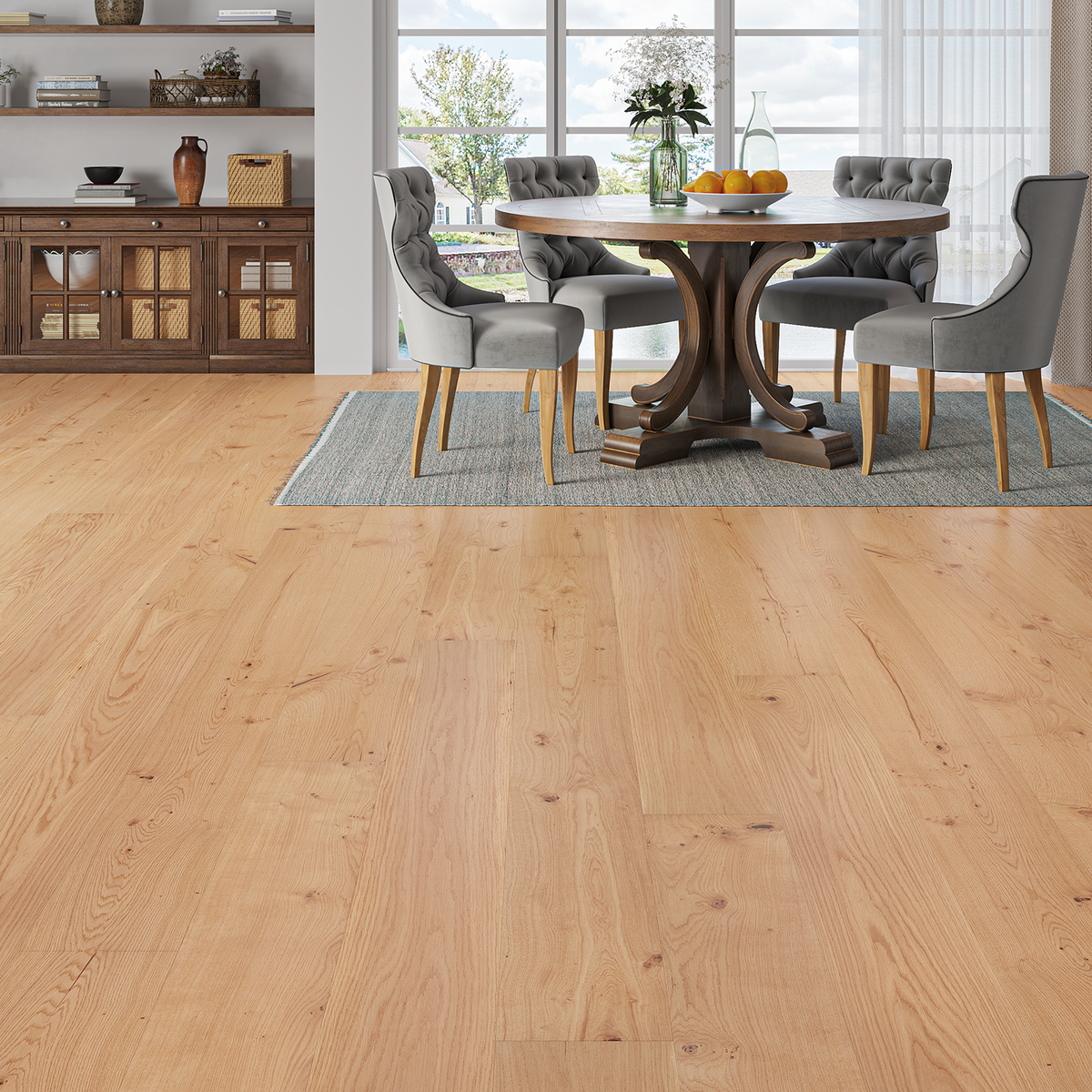
Royal Oak Straight Engineered
£63.00 per m²
£139.99 per m²
Save £76.99 per m²
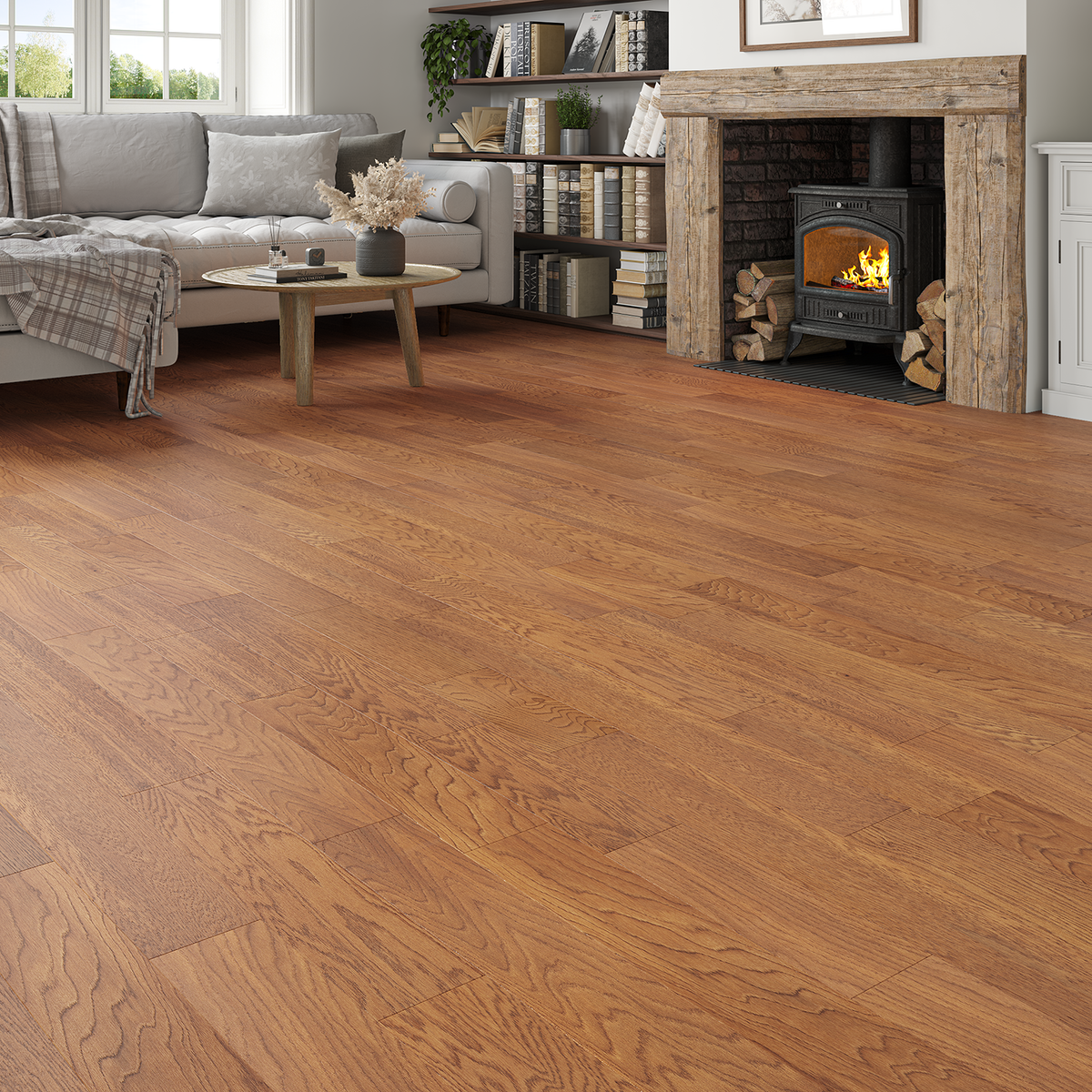
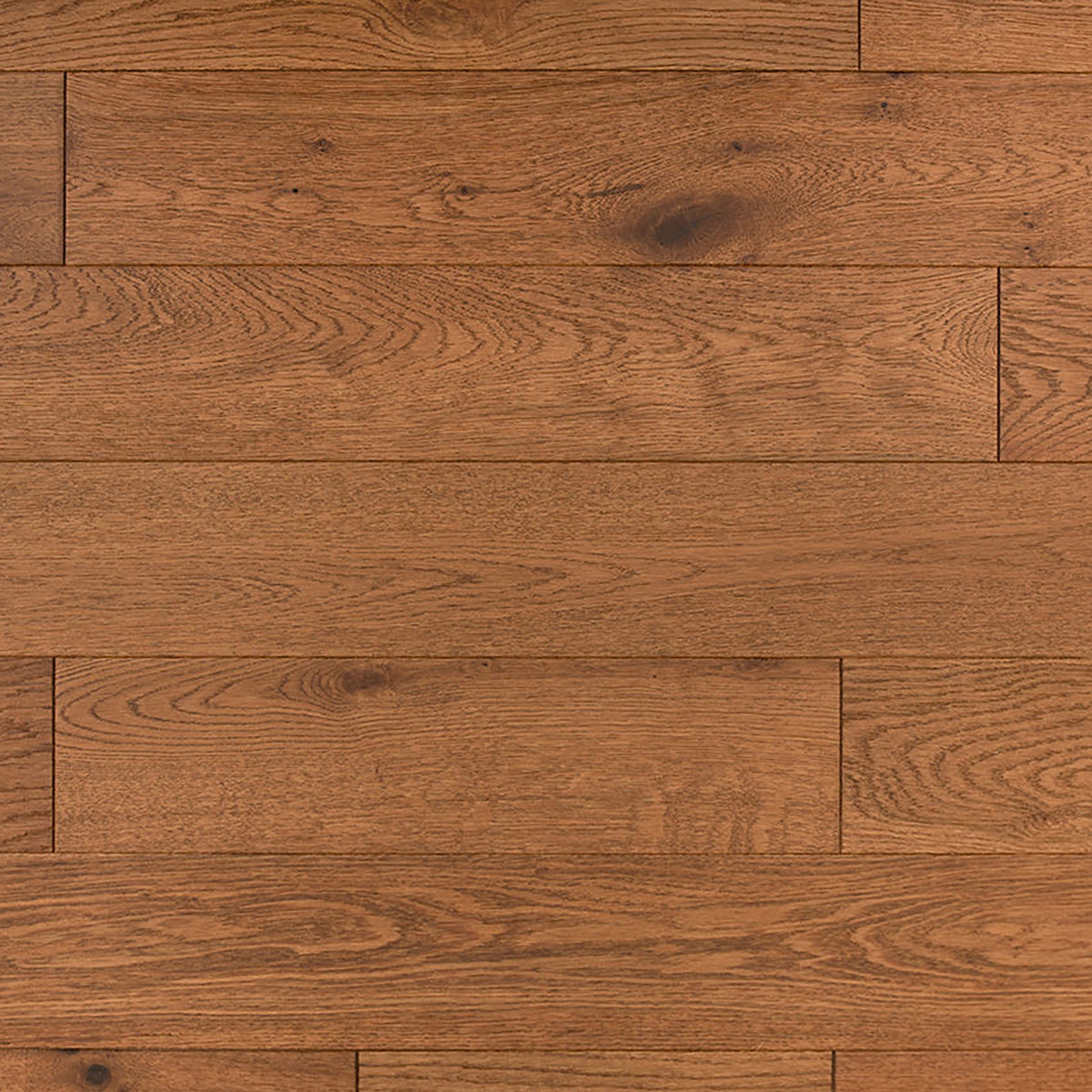
In Stock | Next Day Delivery
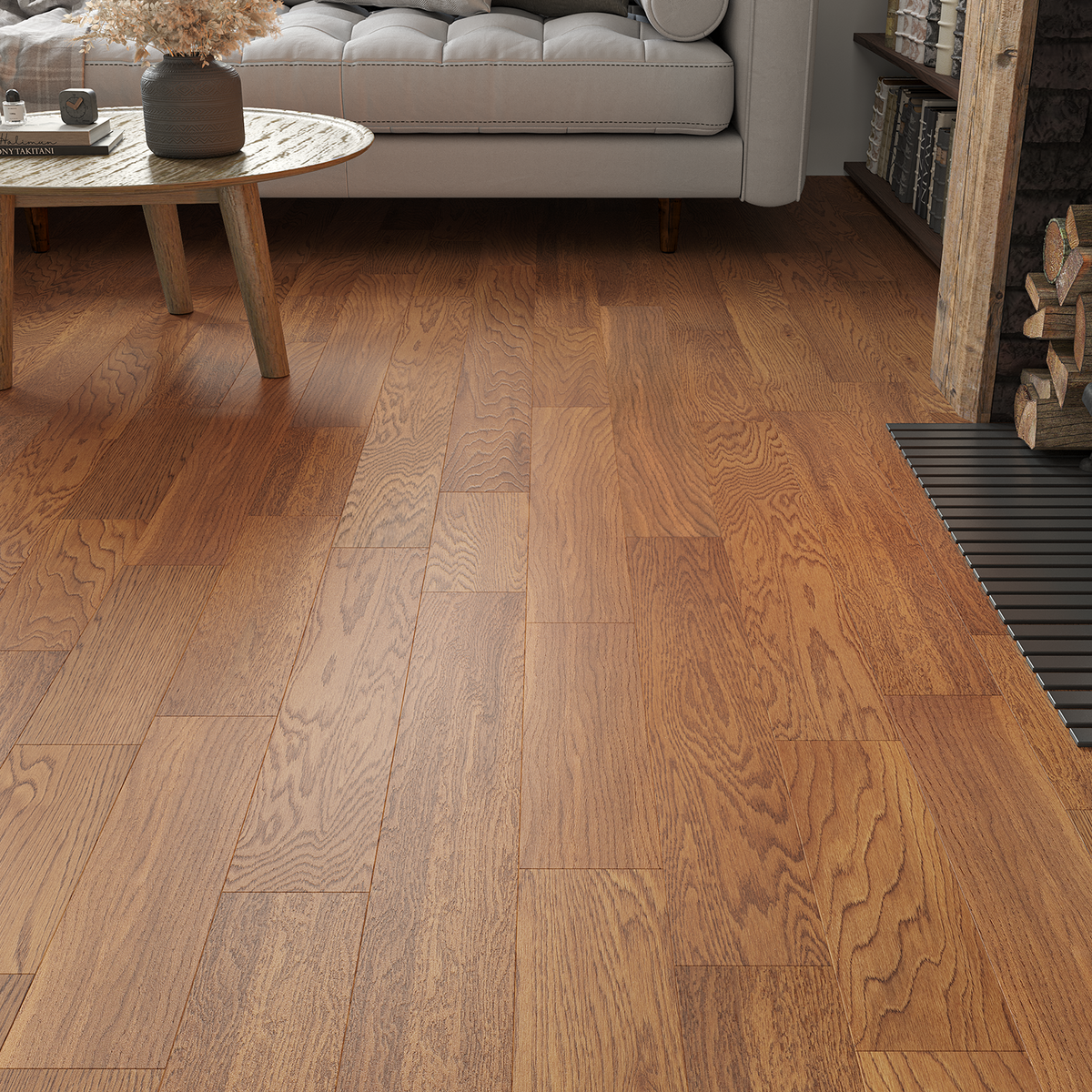
River Oak Straight Engineered
£36.00 per m²
£79.99 per m²
Save £43.99 per m²
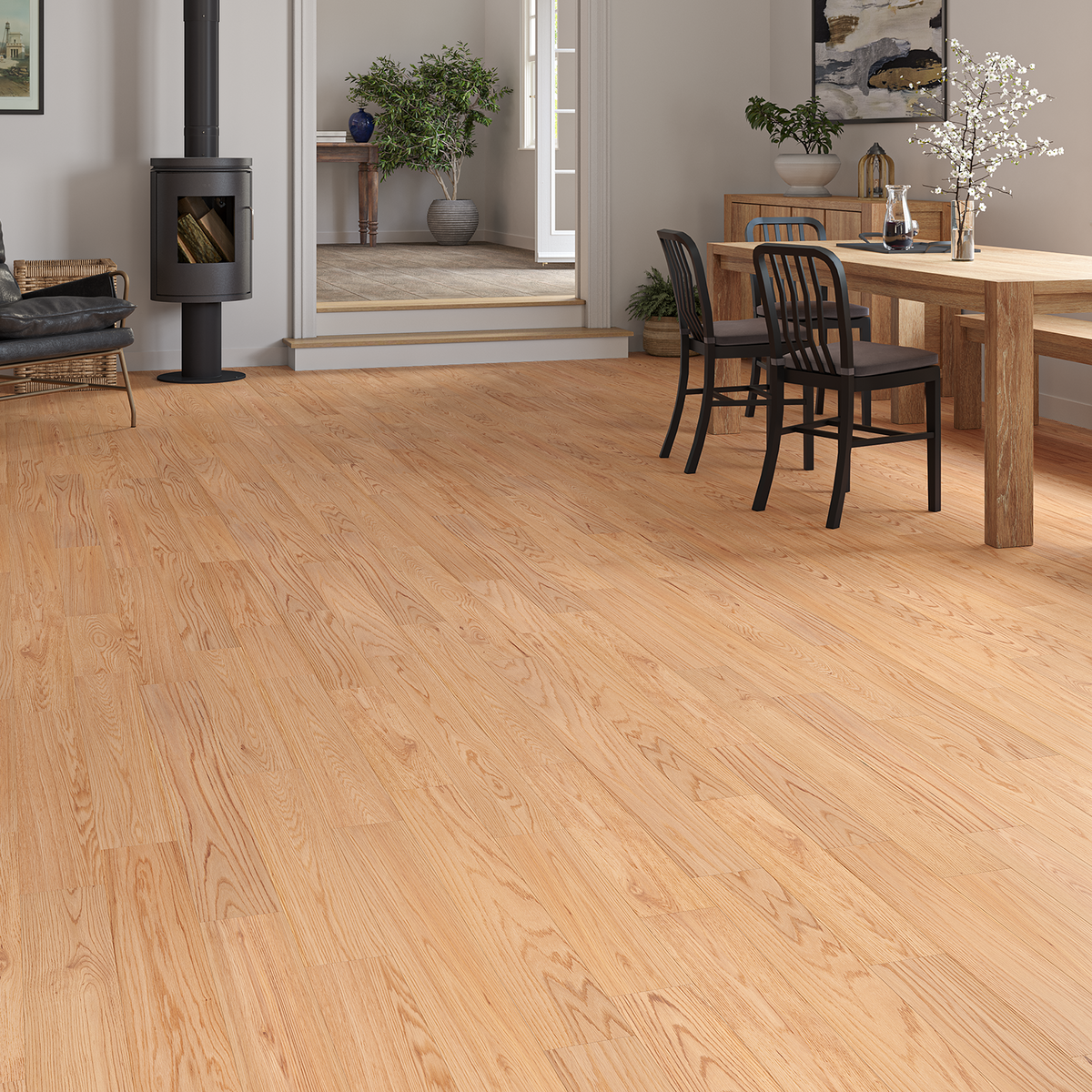
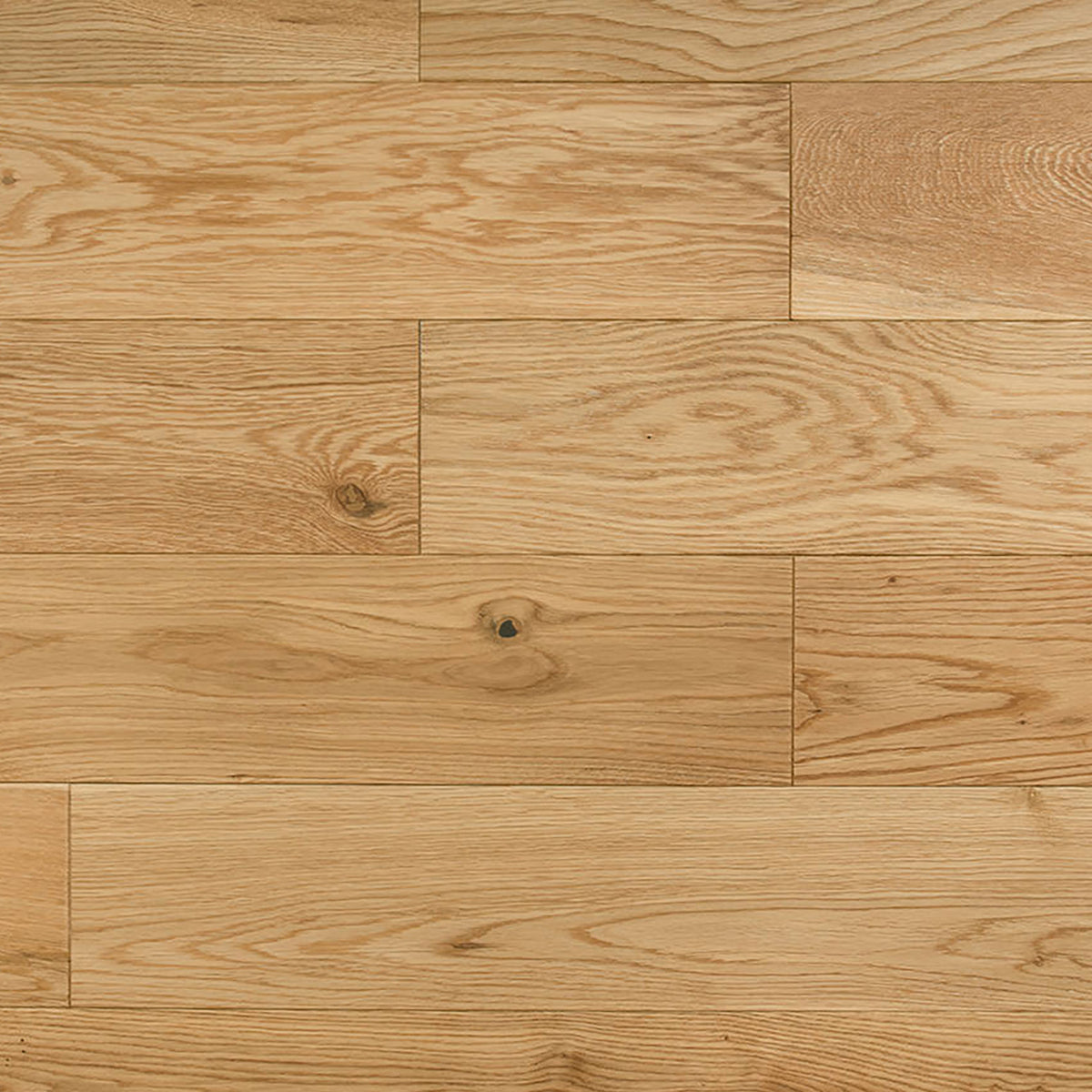
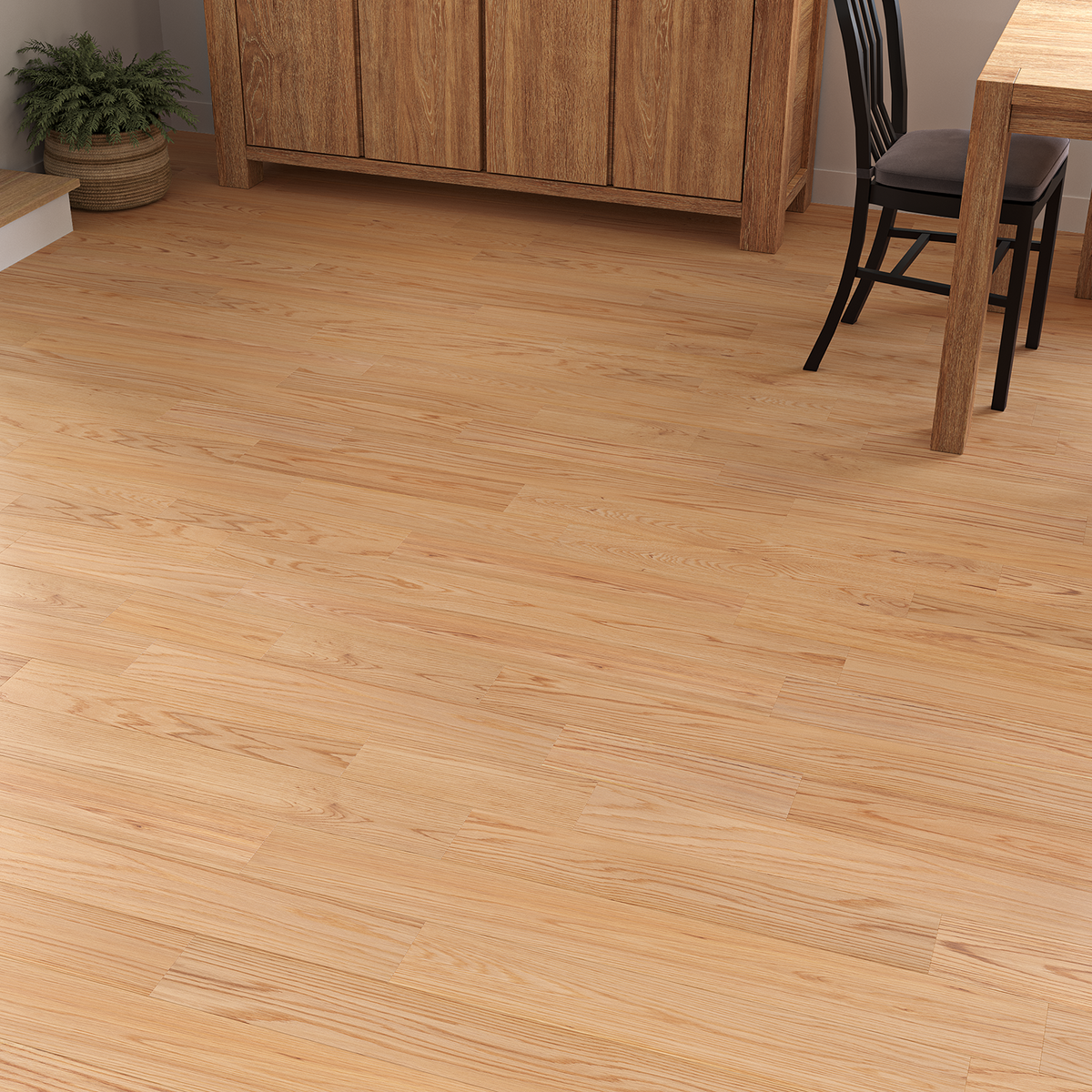
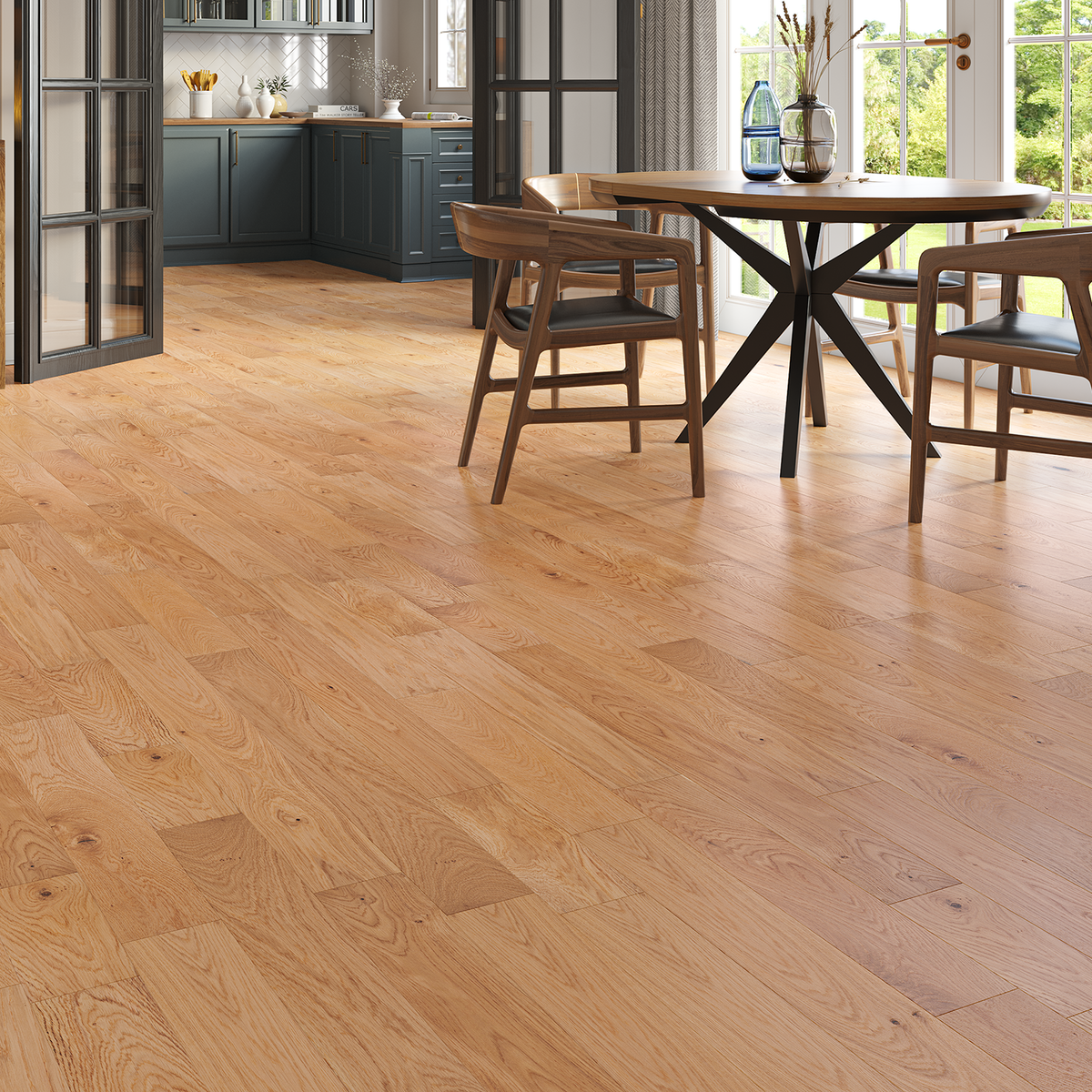
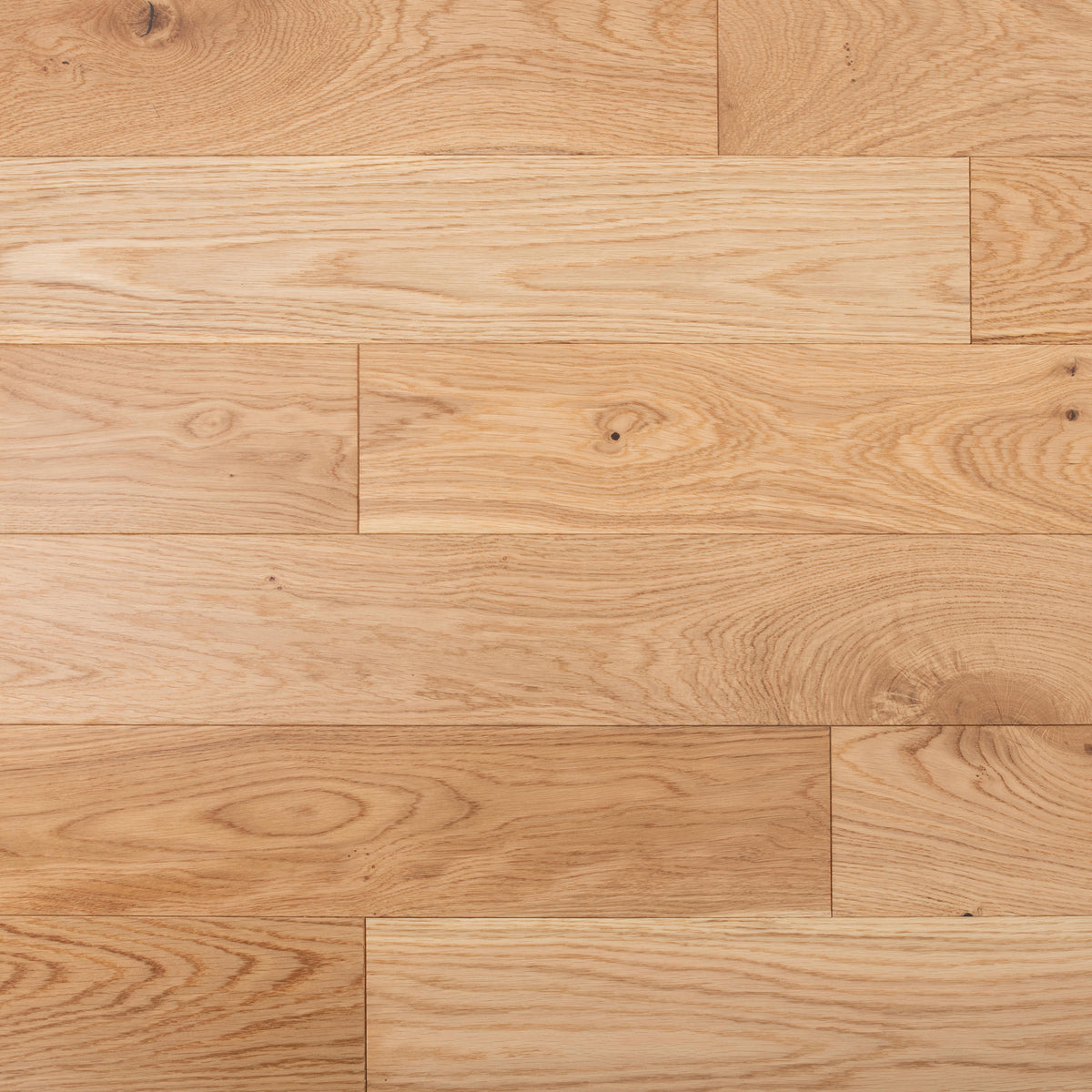
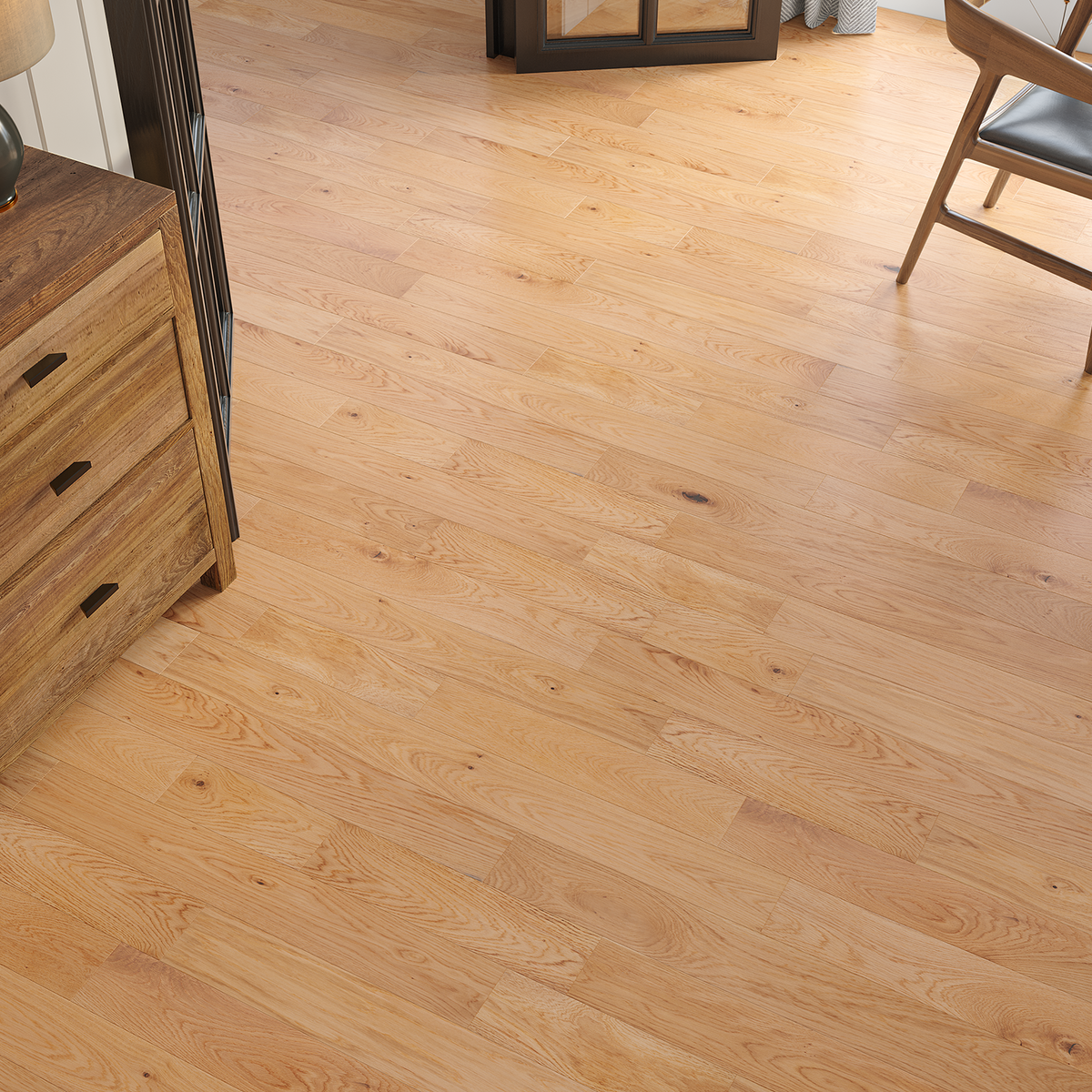
Grove Oak Straight Engineered
£36.00 per m²
£79.99 per m²
Save £43.99 per m²
In Stock | Next Day Delivery
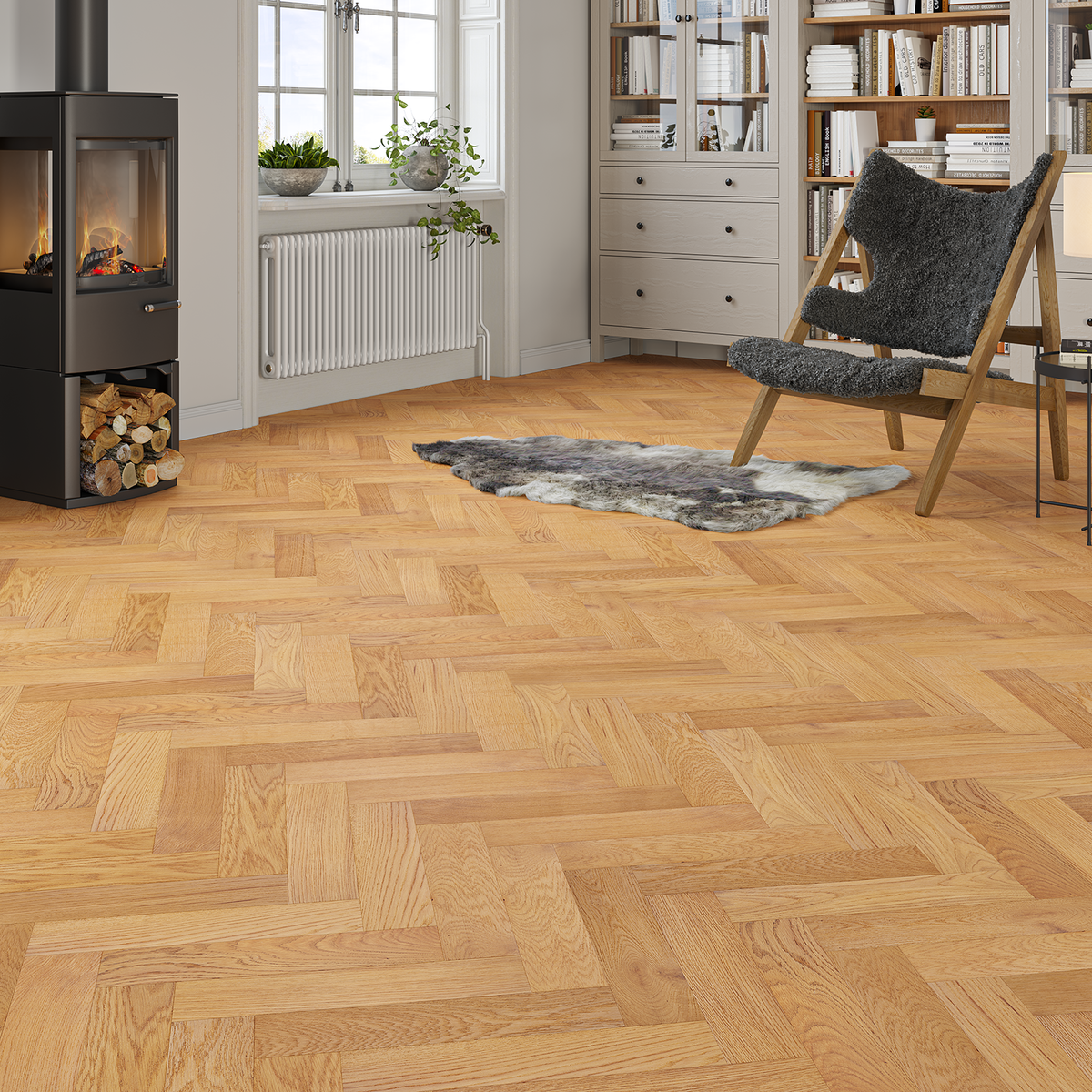
Louvre Oak Straight Engineered
£27.00 per m²
£59.99 per m²
Save £32.99 per m²
In Stock | Next Day Delivery
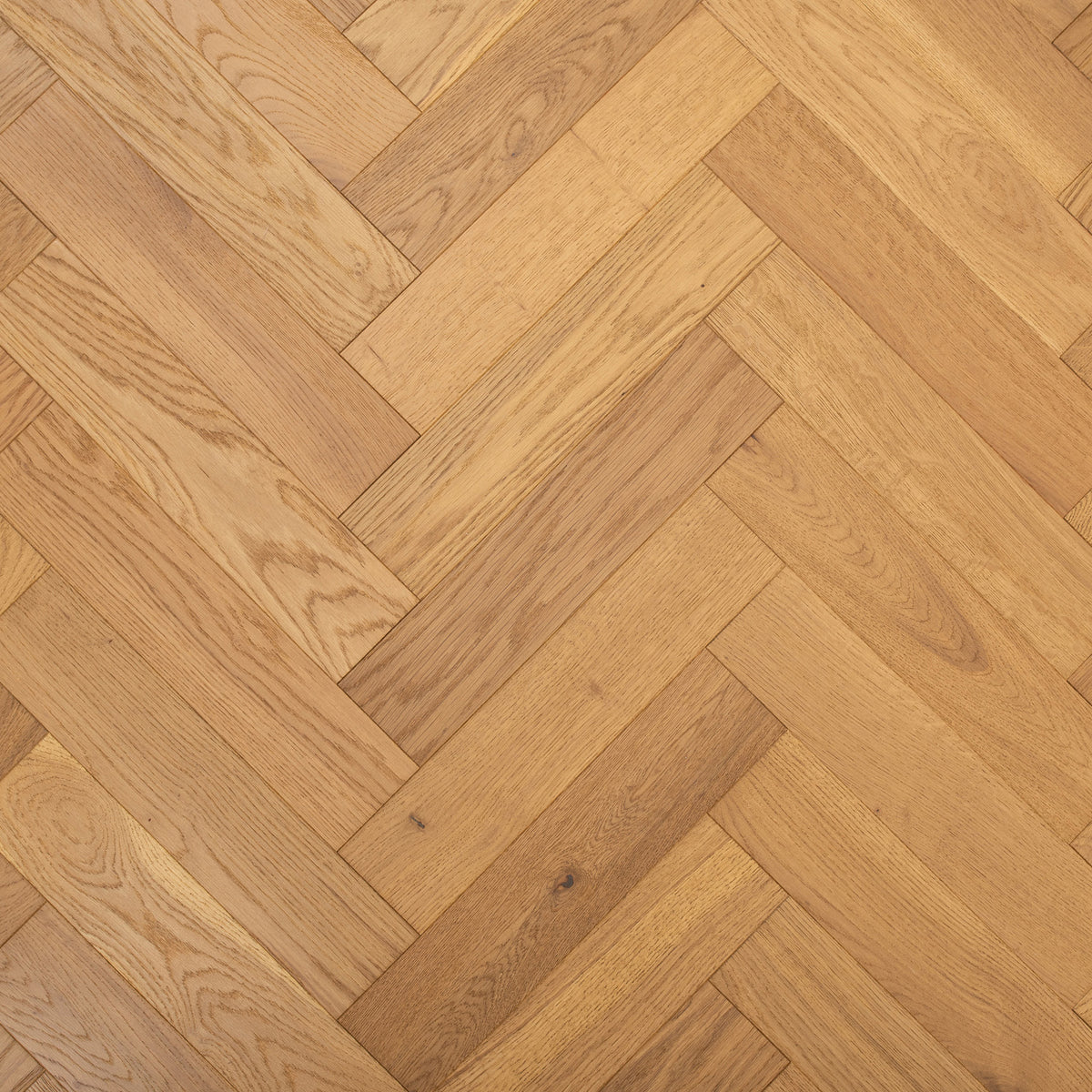
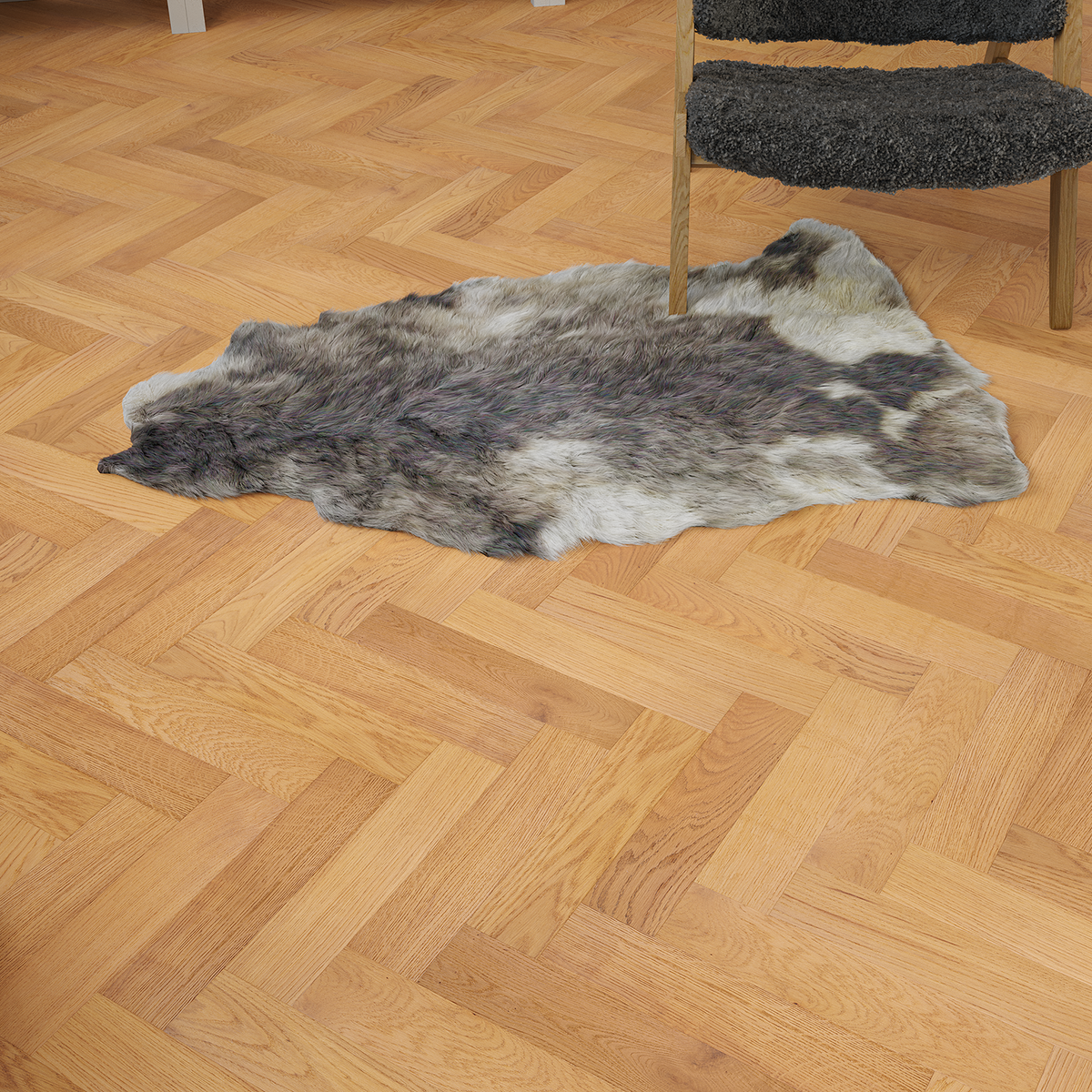
Ivory Oak Herringbone Engineered
£40.50 per m²
£89.99 per m²
Save £49.49 per m²
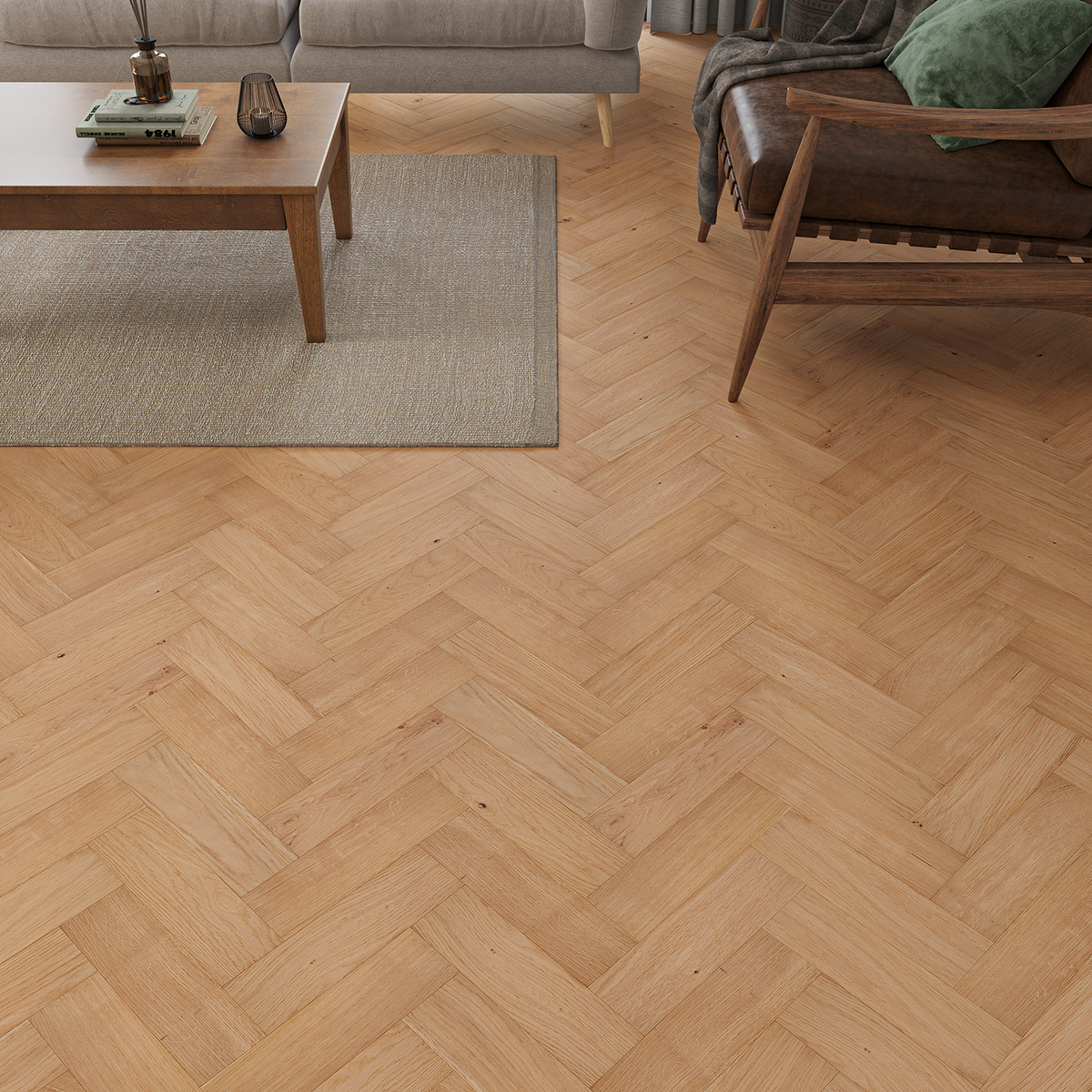
In Stock | Next Day Delivery
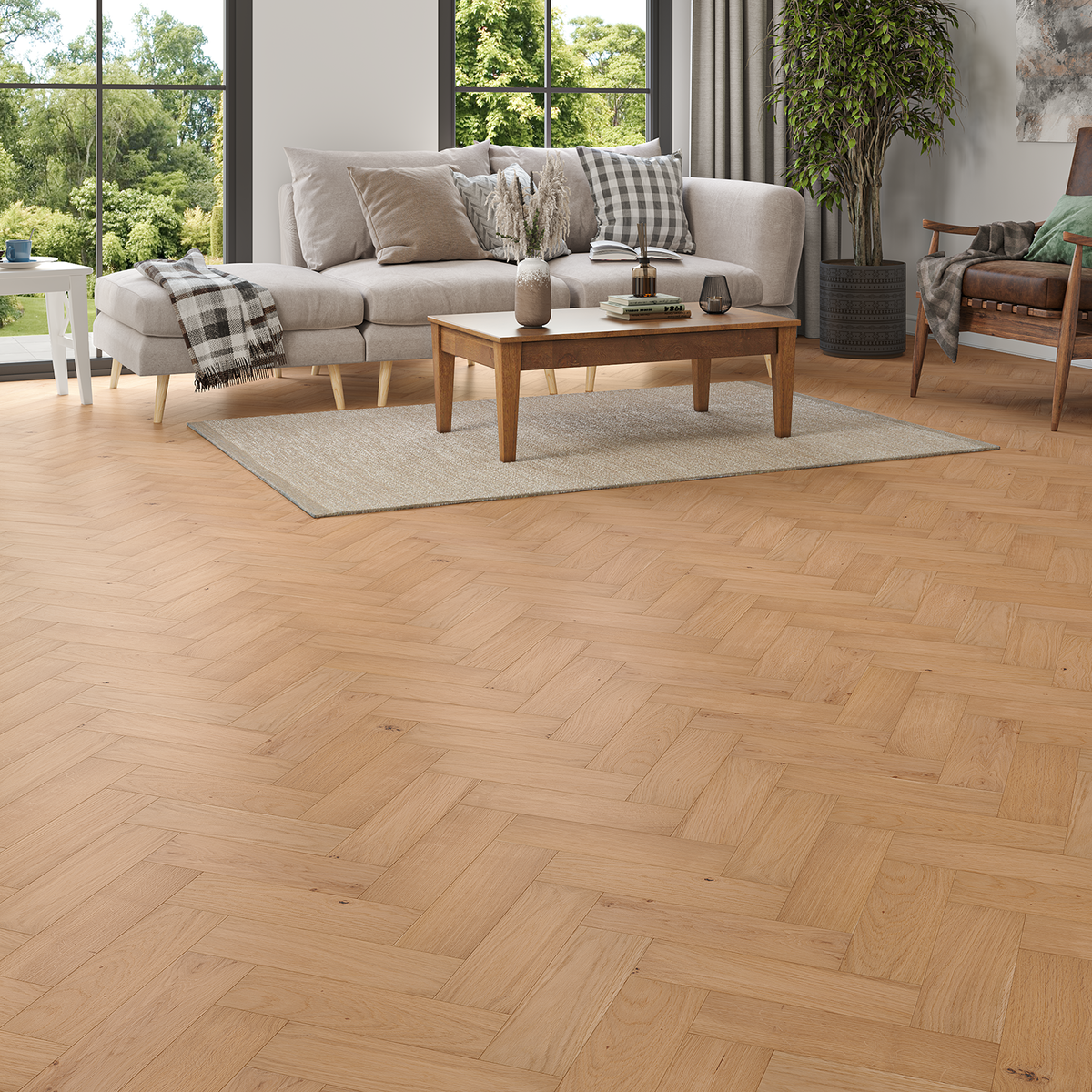
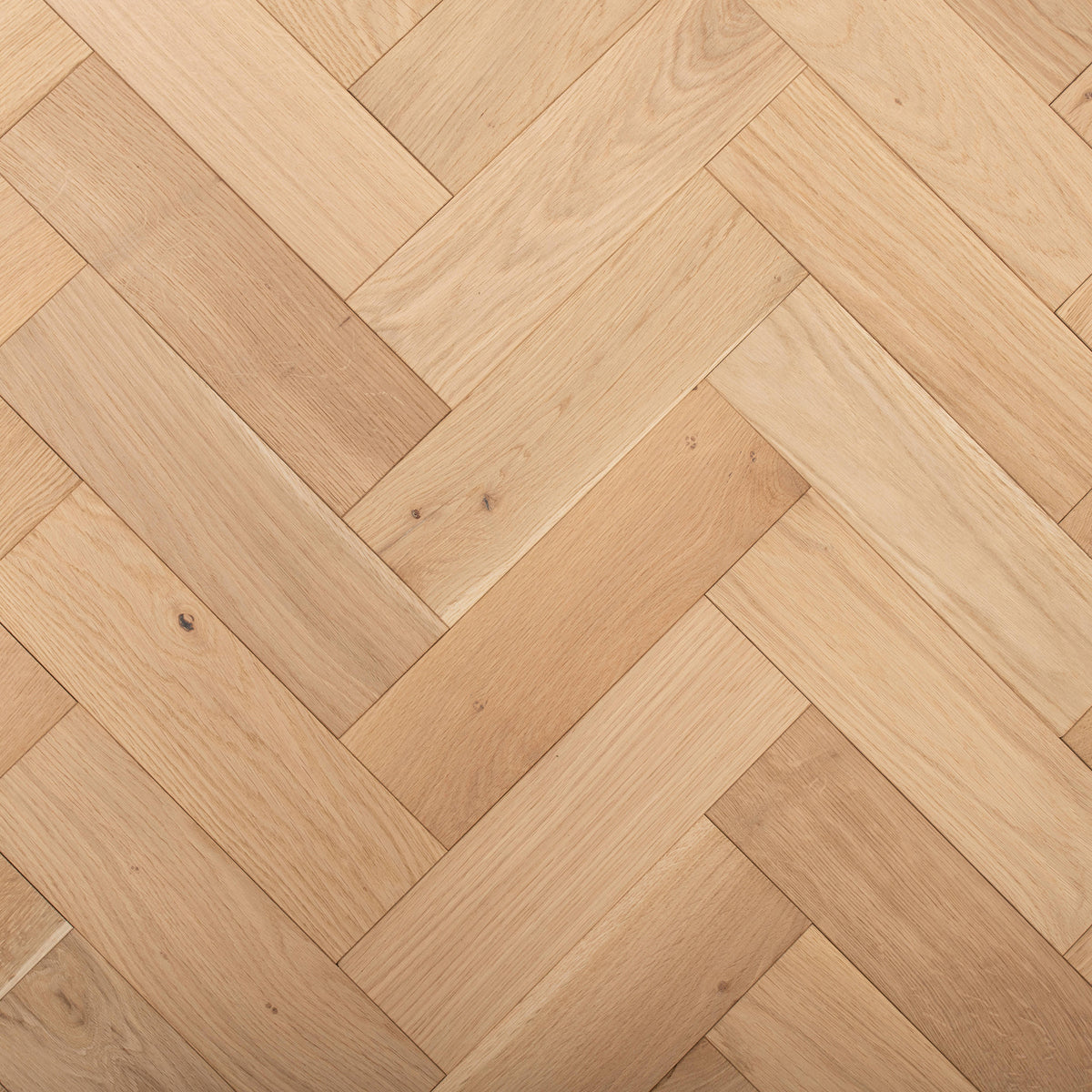
Rowan Oak Herringbone Engineered
£40.50 per m²
£89.99 per m²
Save £49.49 per m²
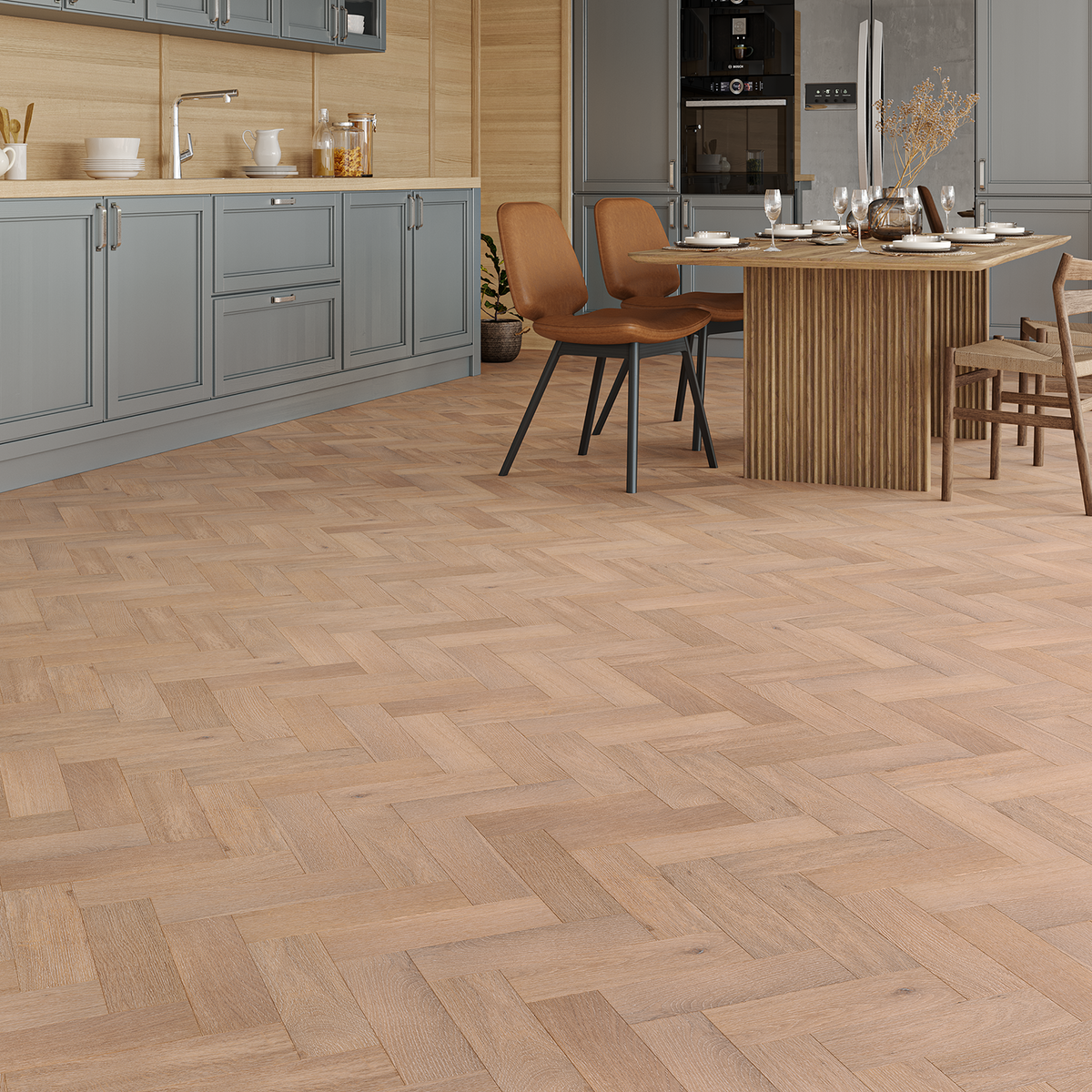
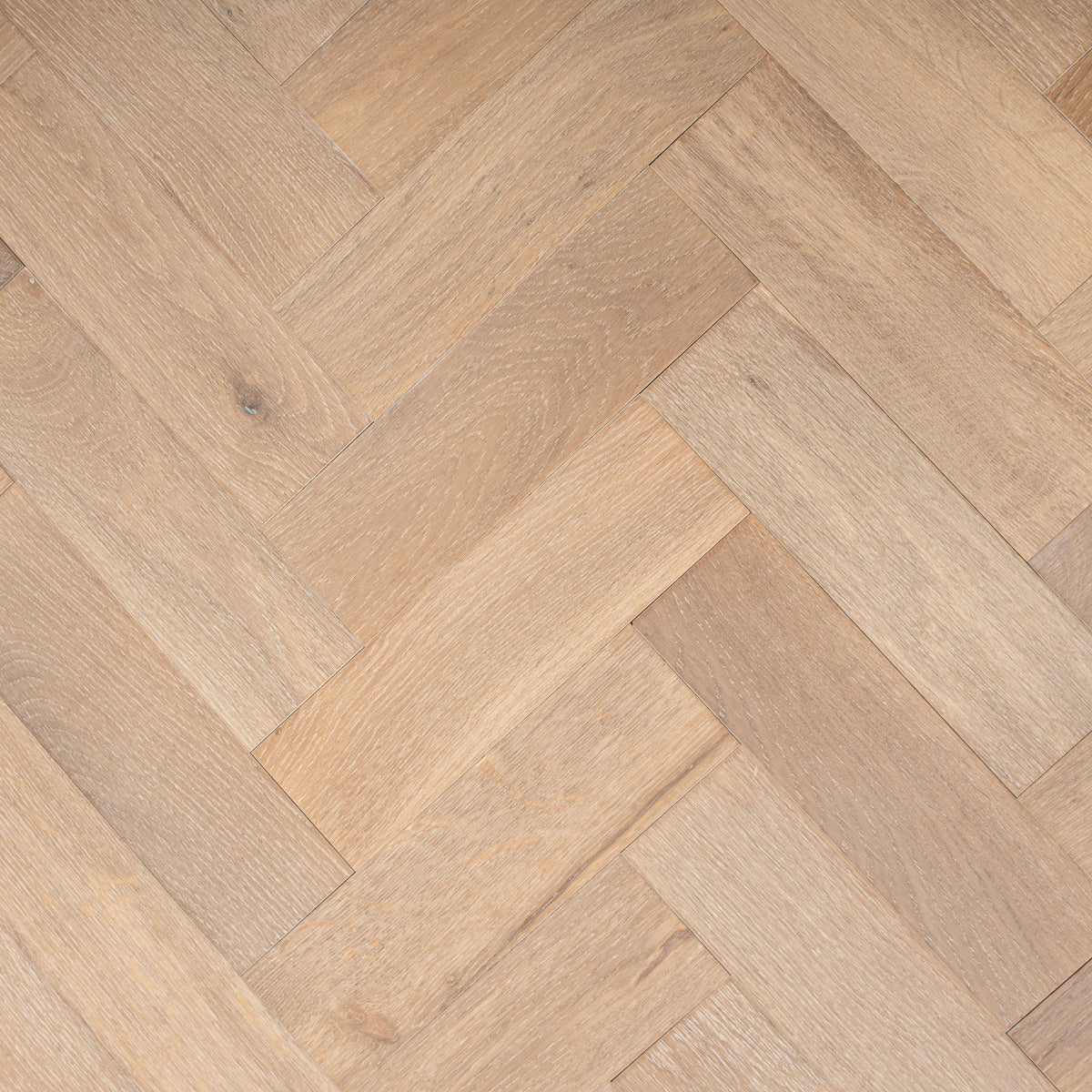
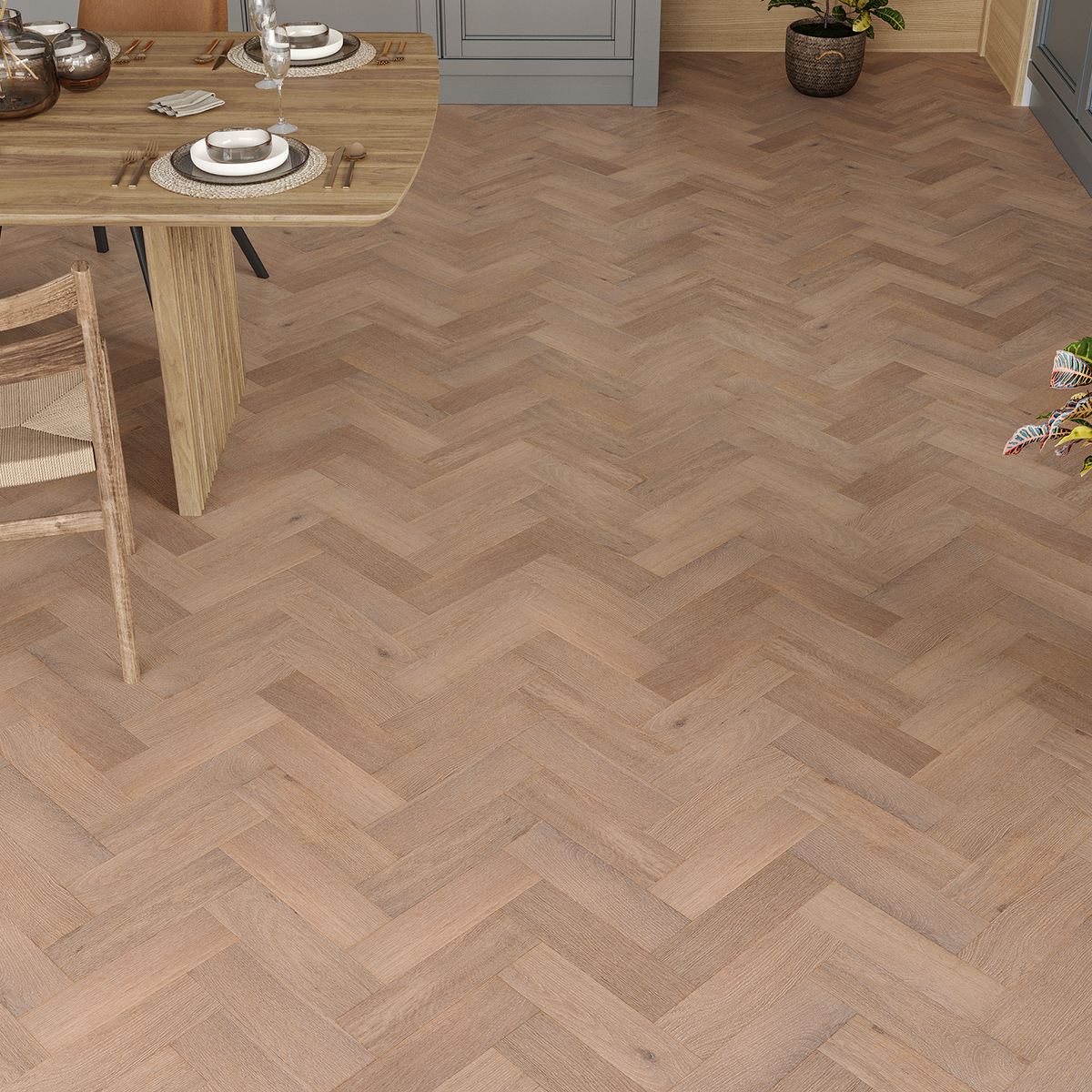
In Stock | Next Day Delivery
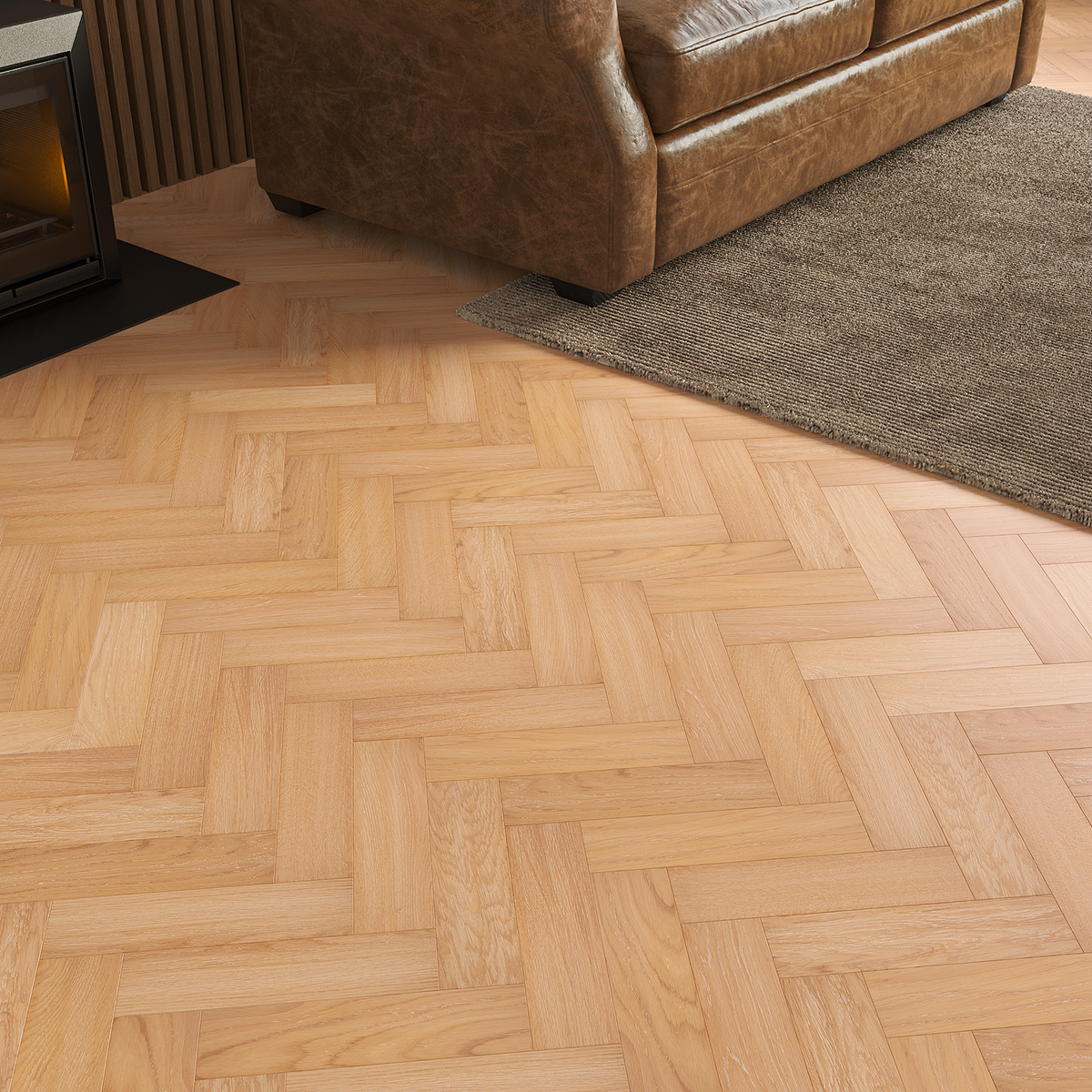
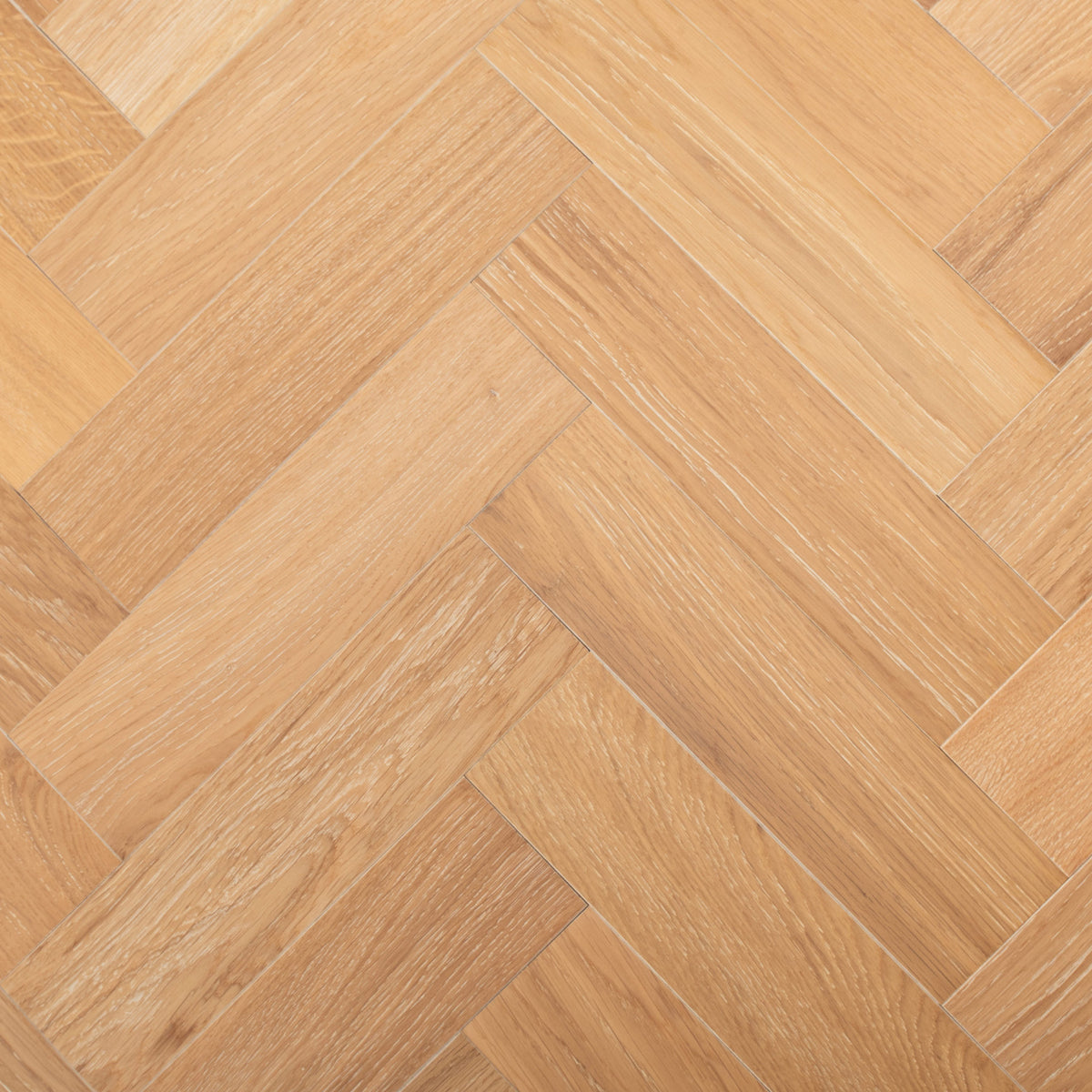
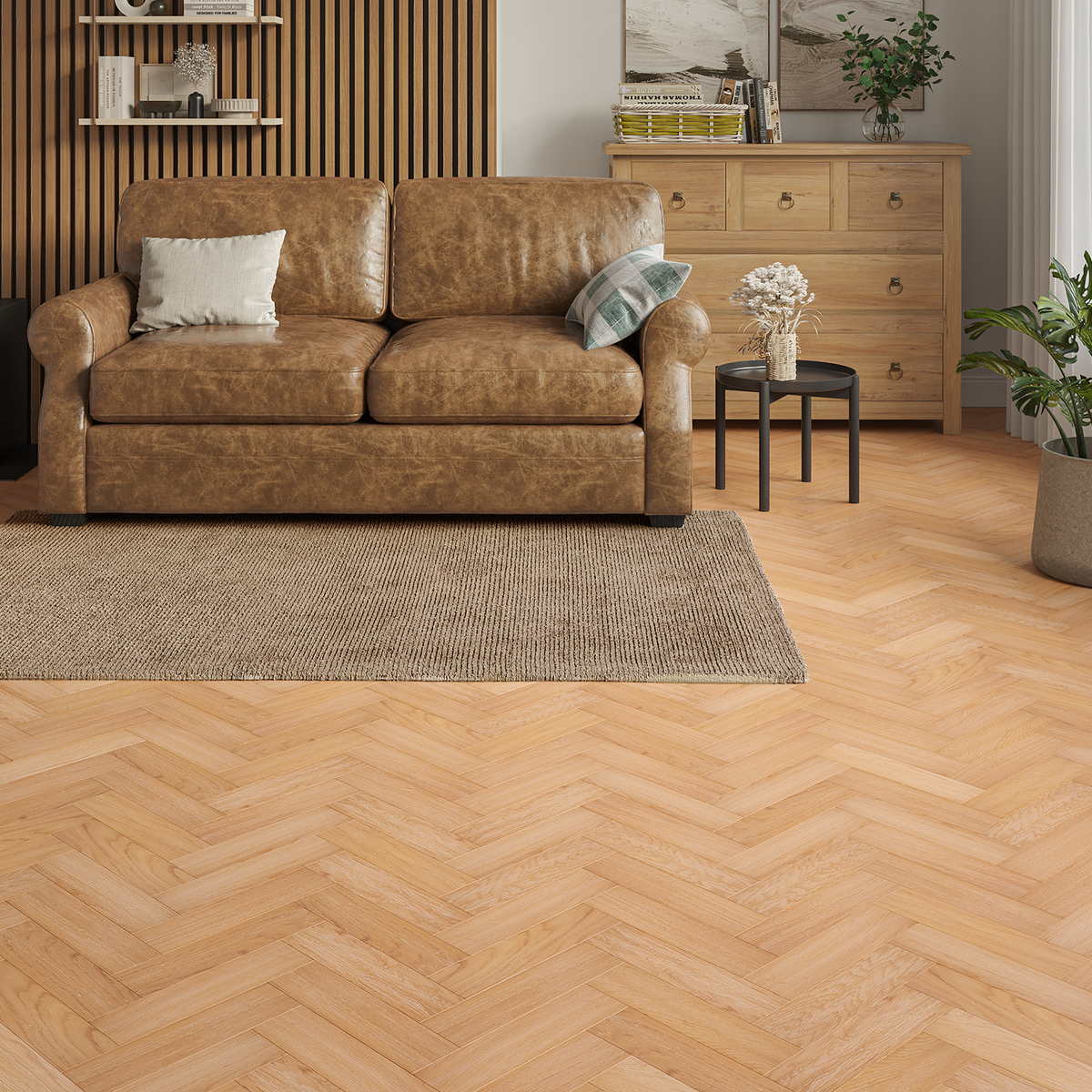
Fern Oak Herringbone Engineered
£40.50 per m²
£89.99 per m²
Save £49.49 per m²
In Stock | Next Day Delivery
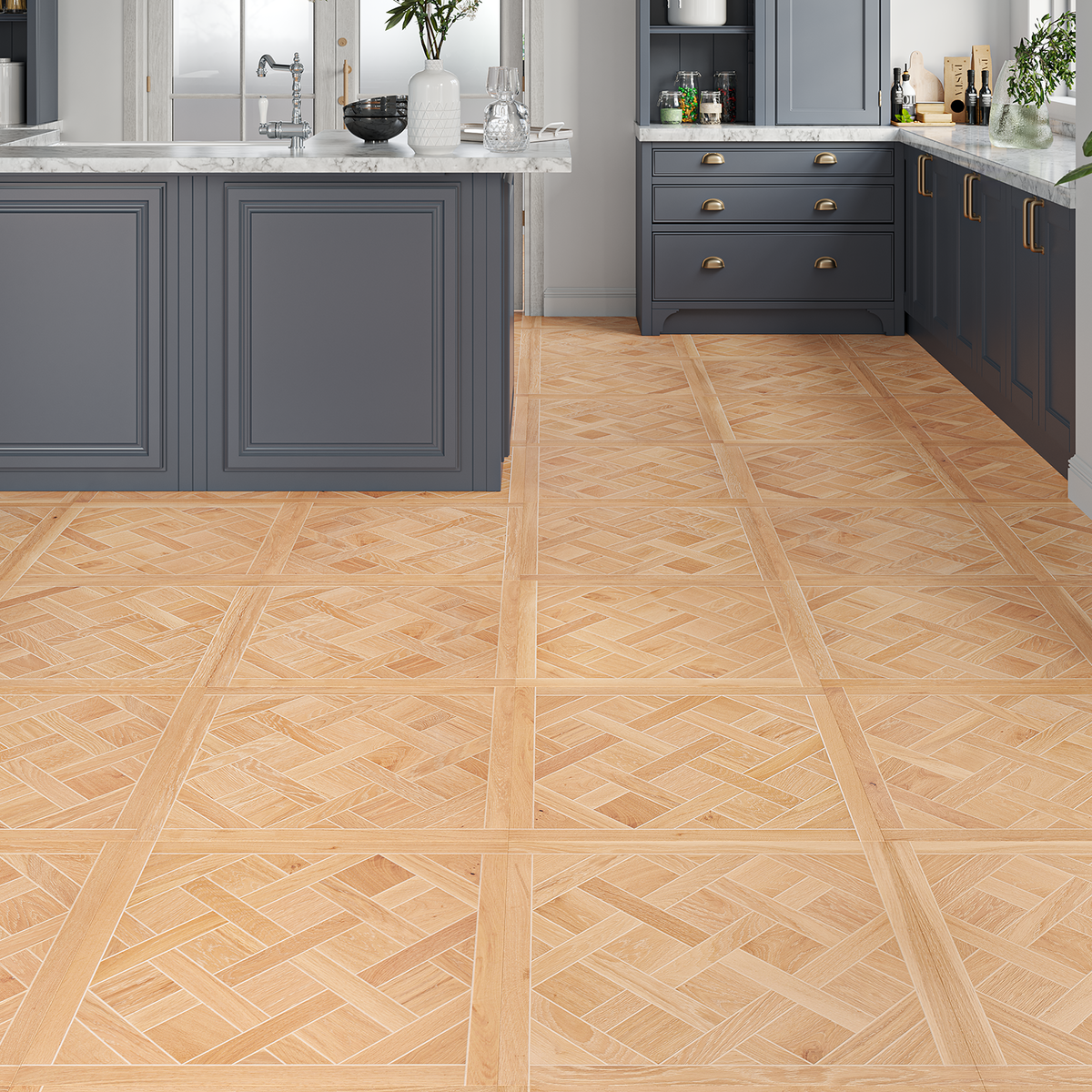
Magnolia Oak Herringbone Engineered
£29.25 per m²
£64.99 per m²
Save £35.74 per m²
In Stock | Next Day Delivery
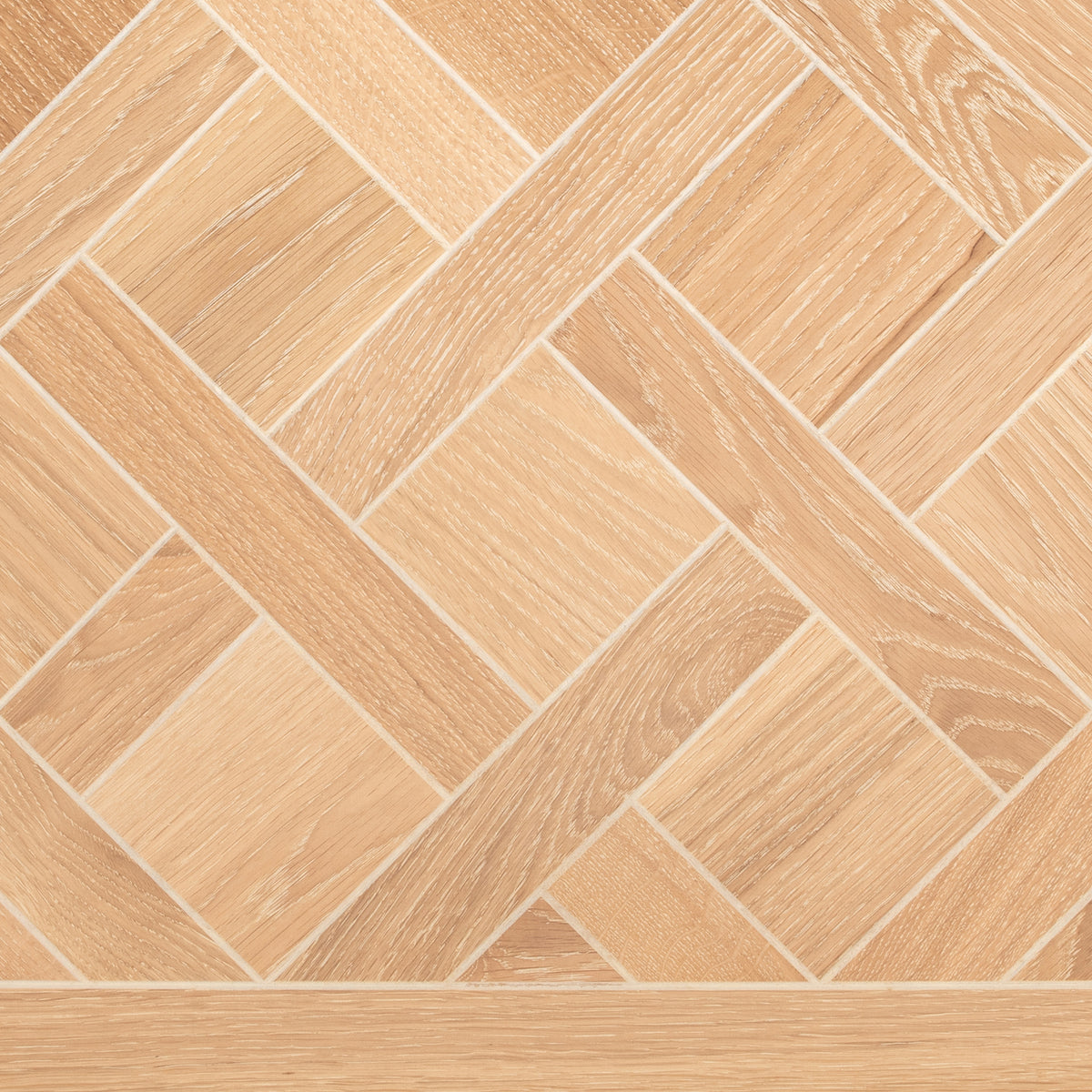
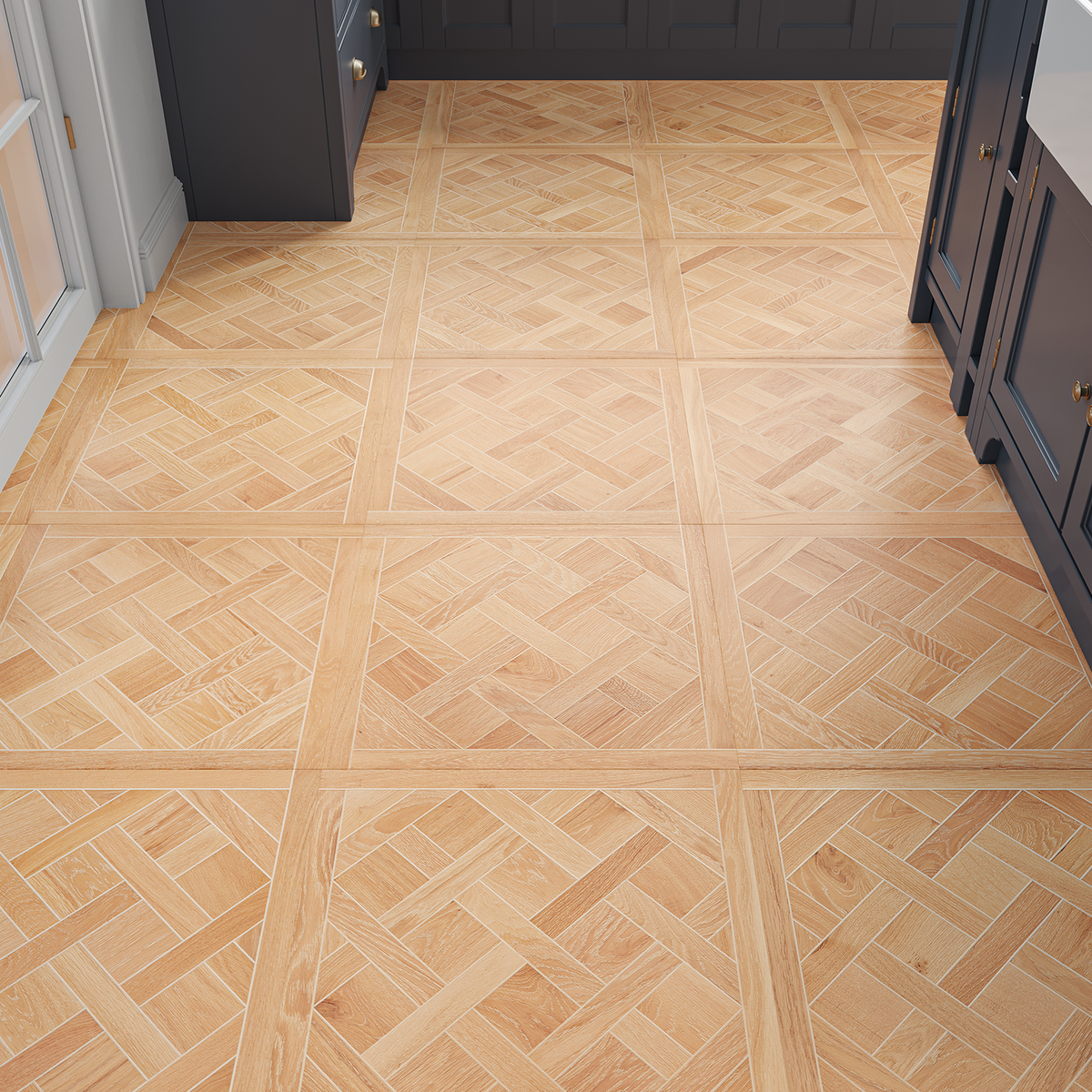
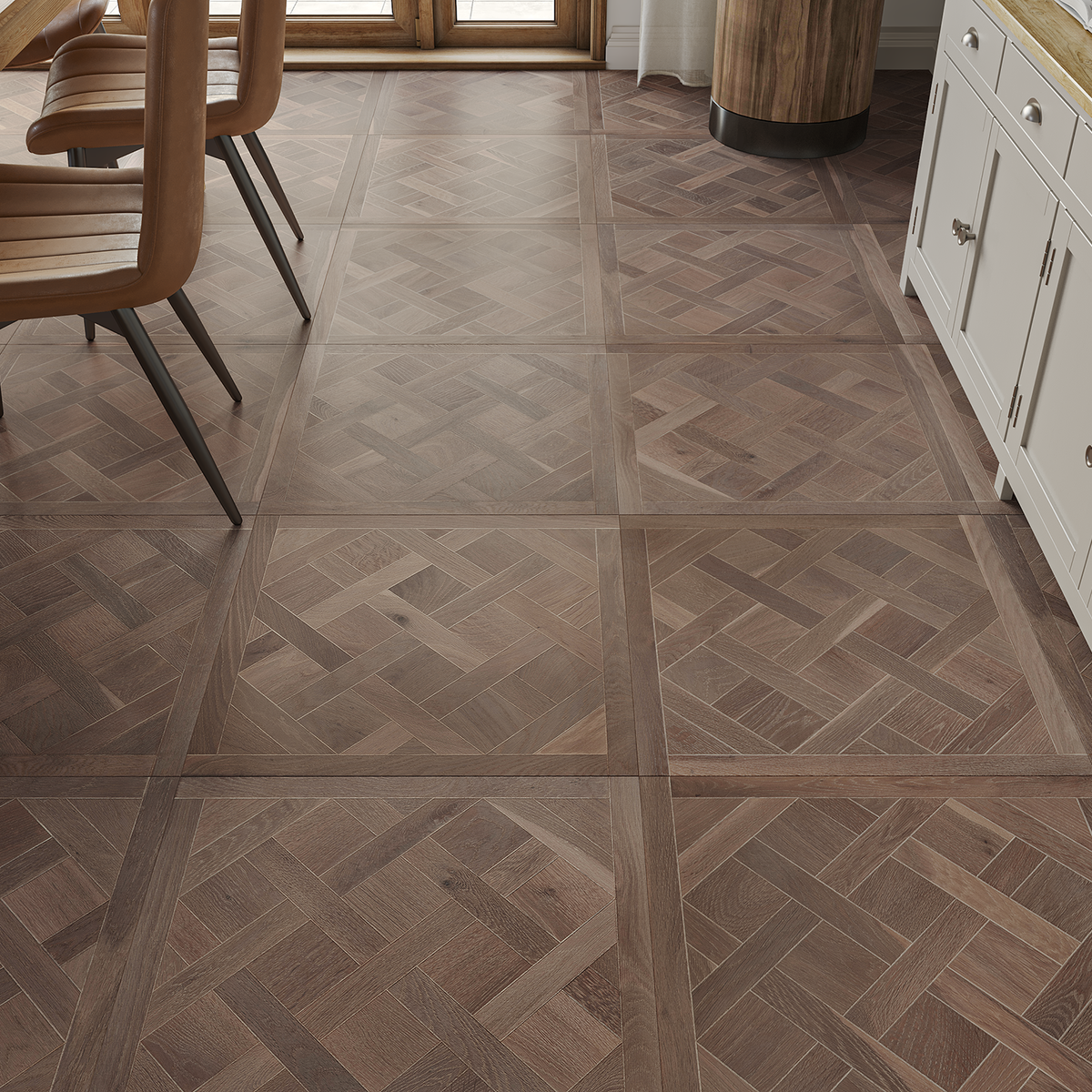
Parisian Oak Versaille Engineered
£72.00 per m²
£159.99 per m²
Save £87.99 per m²
In Stock | Next Day Delivery
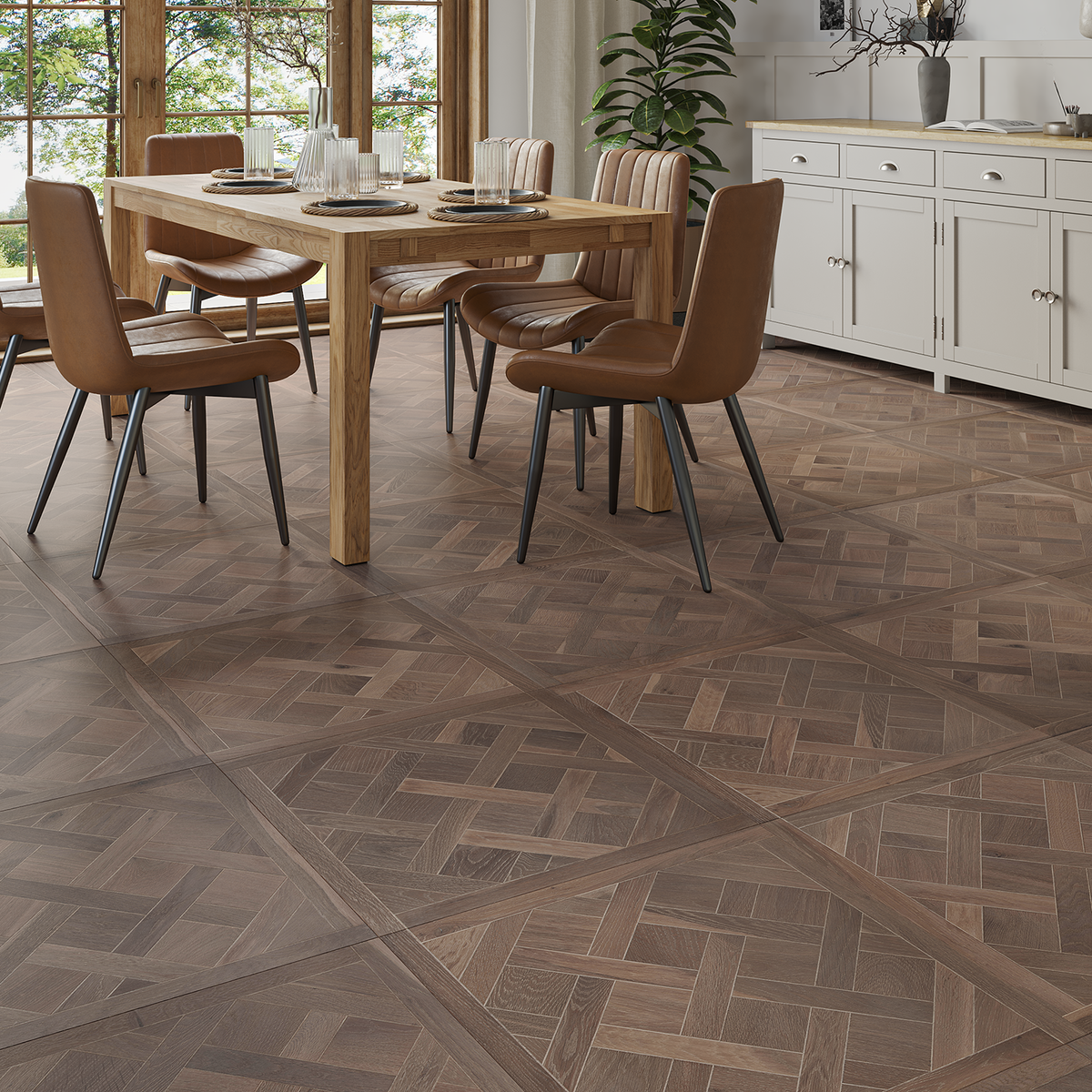
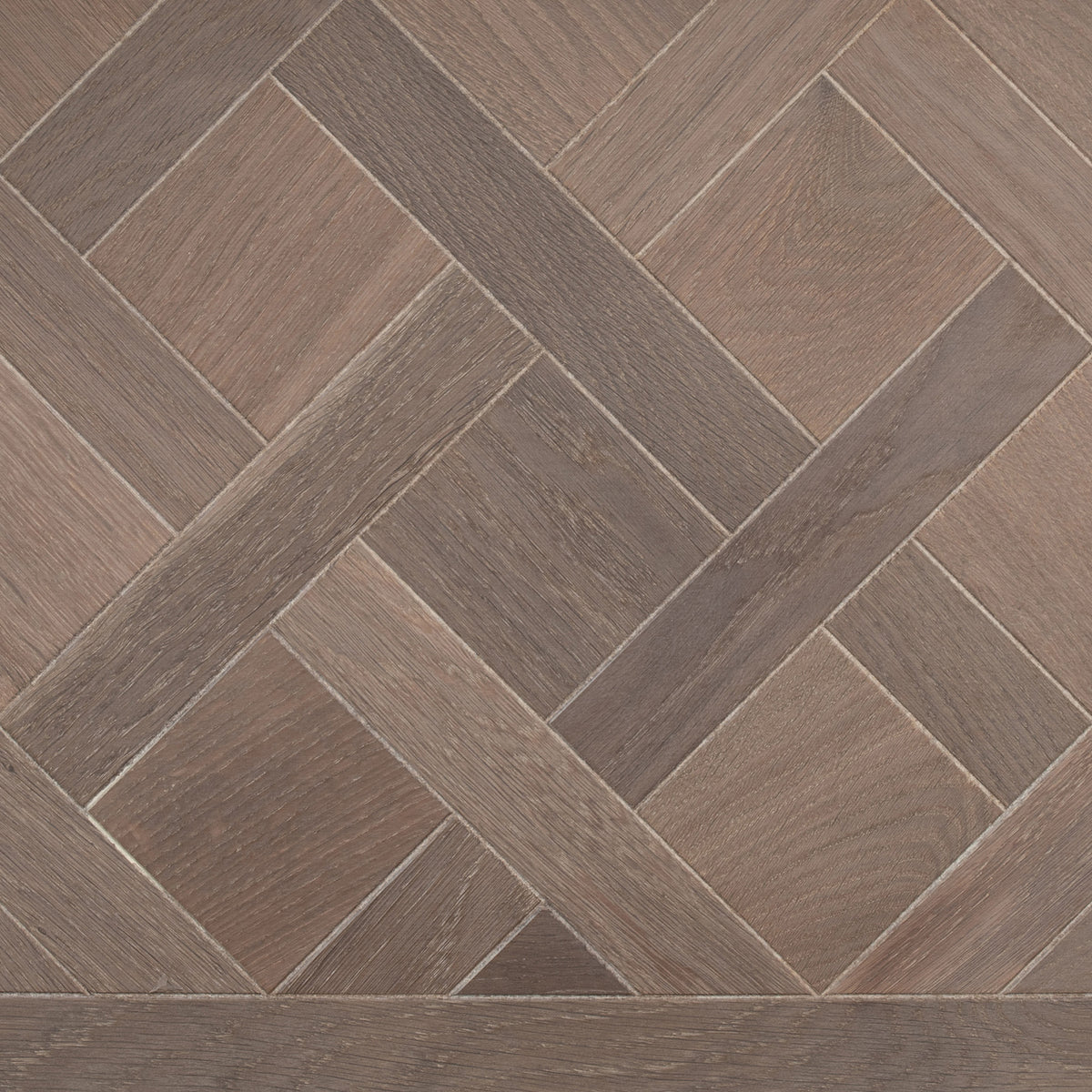
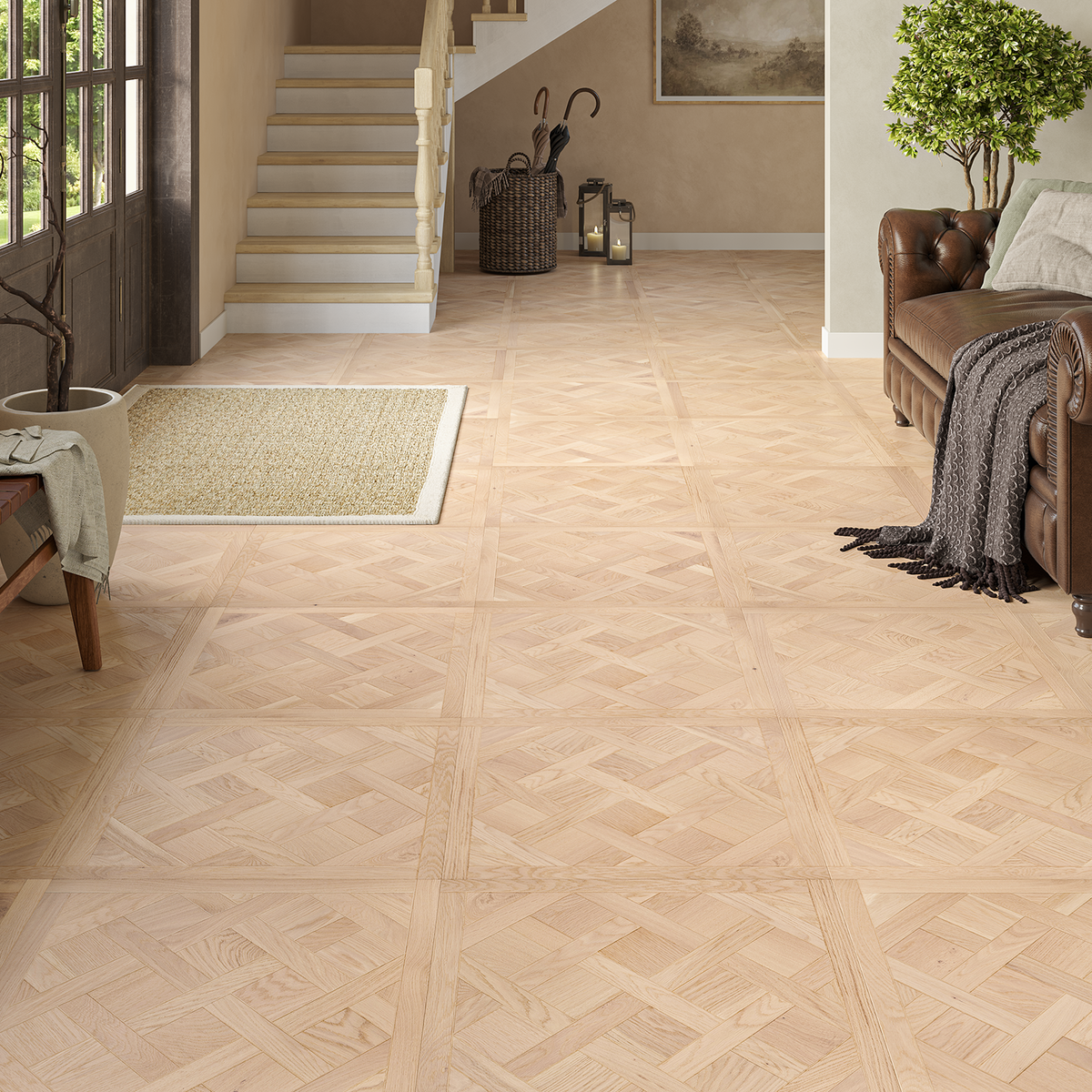
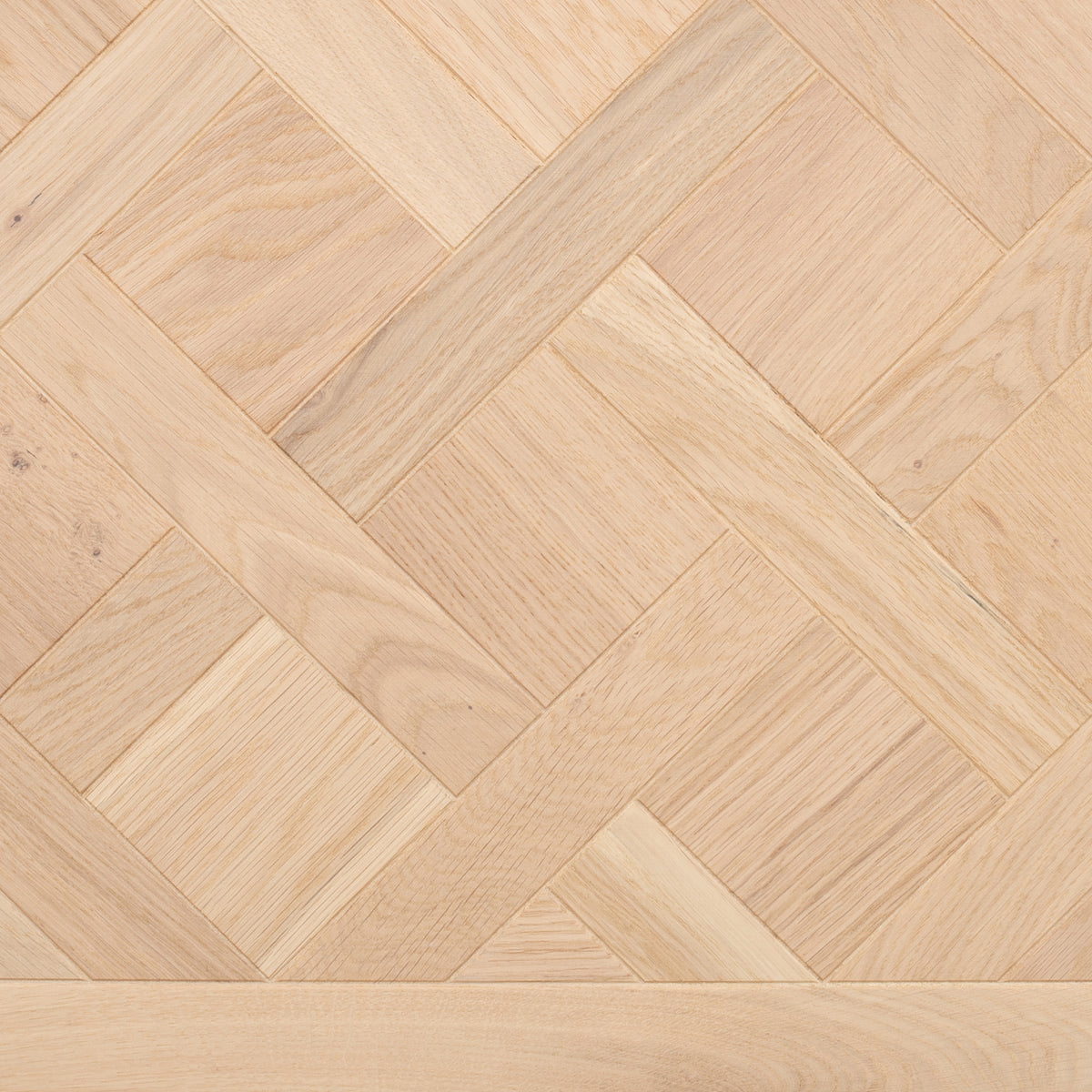
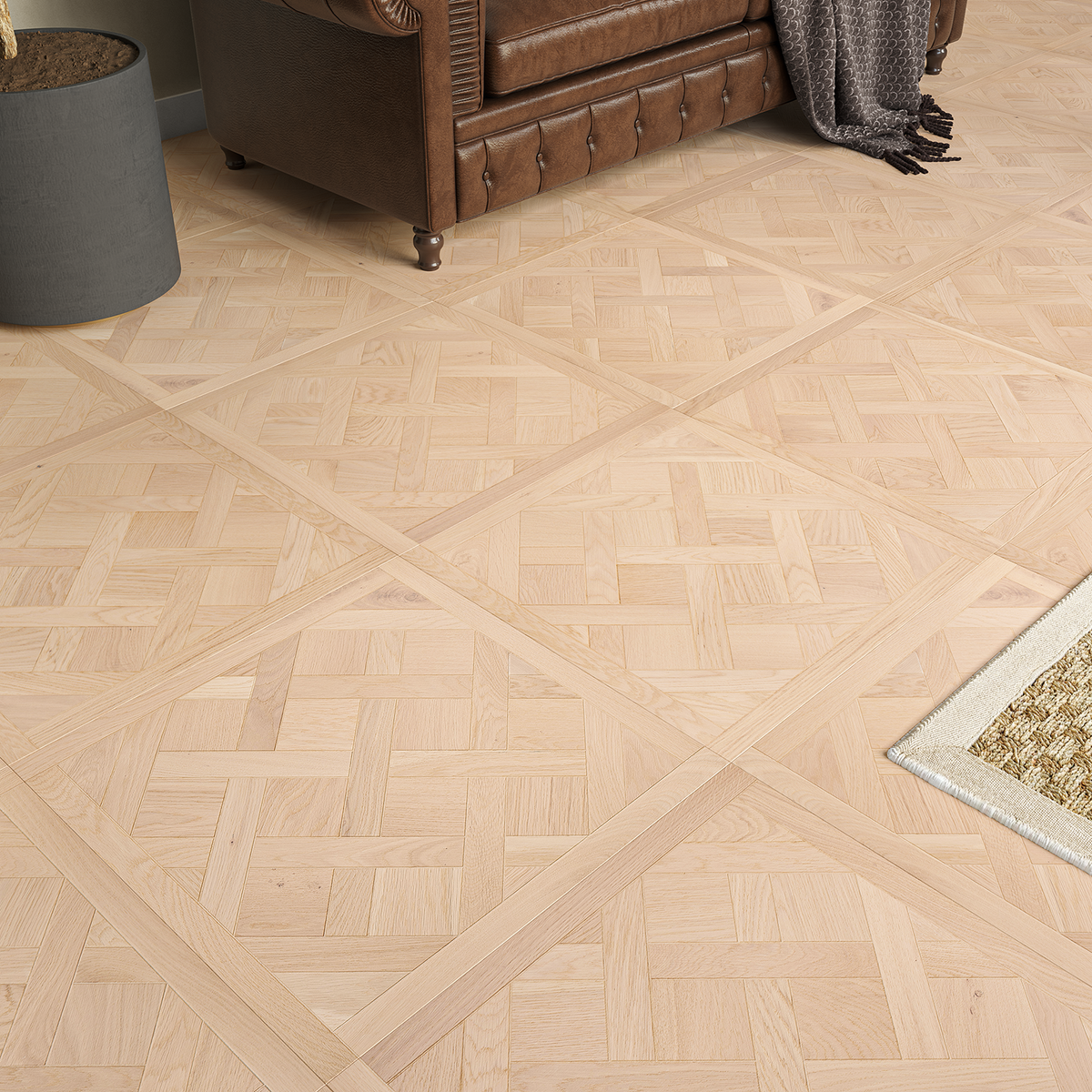
Noble Oak Versaille Engineered
£72.00 per m²
£159.99 per m²
Save £87.99 per m²
In Stock | Next Day Delivery
Dynasty Oak Versaille Engineered
£72.00 per m²
£159.99 per m²
Save £87.99 per m²
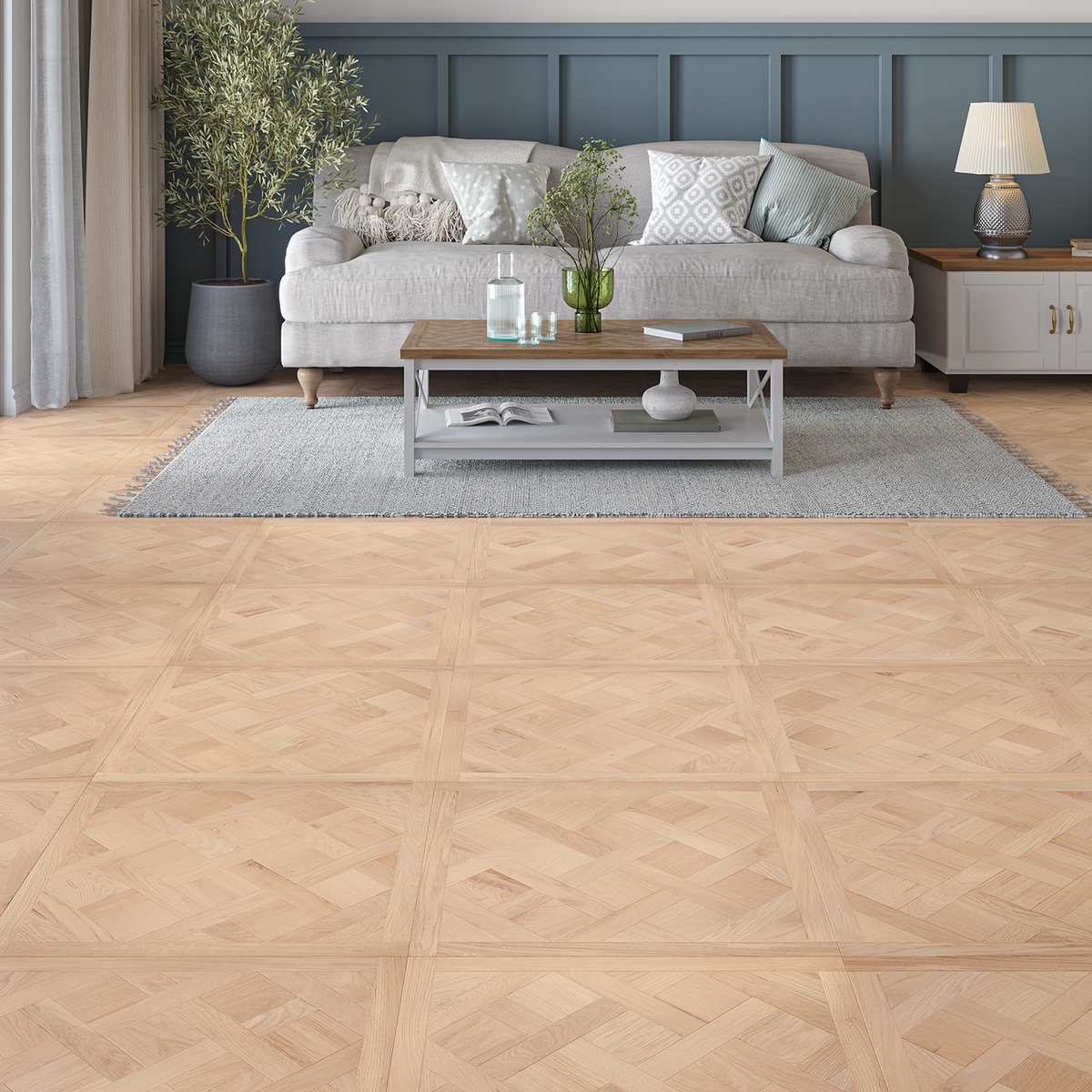
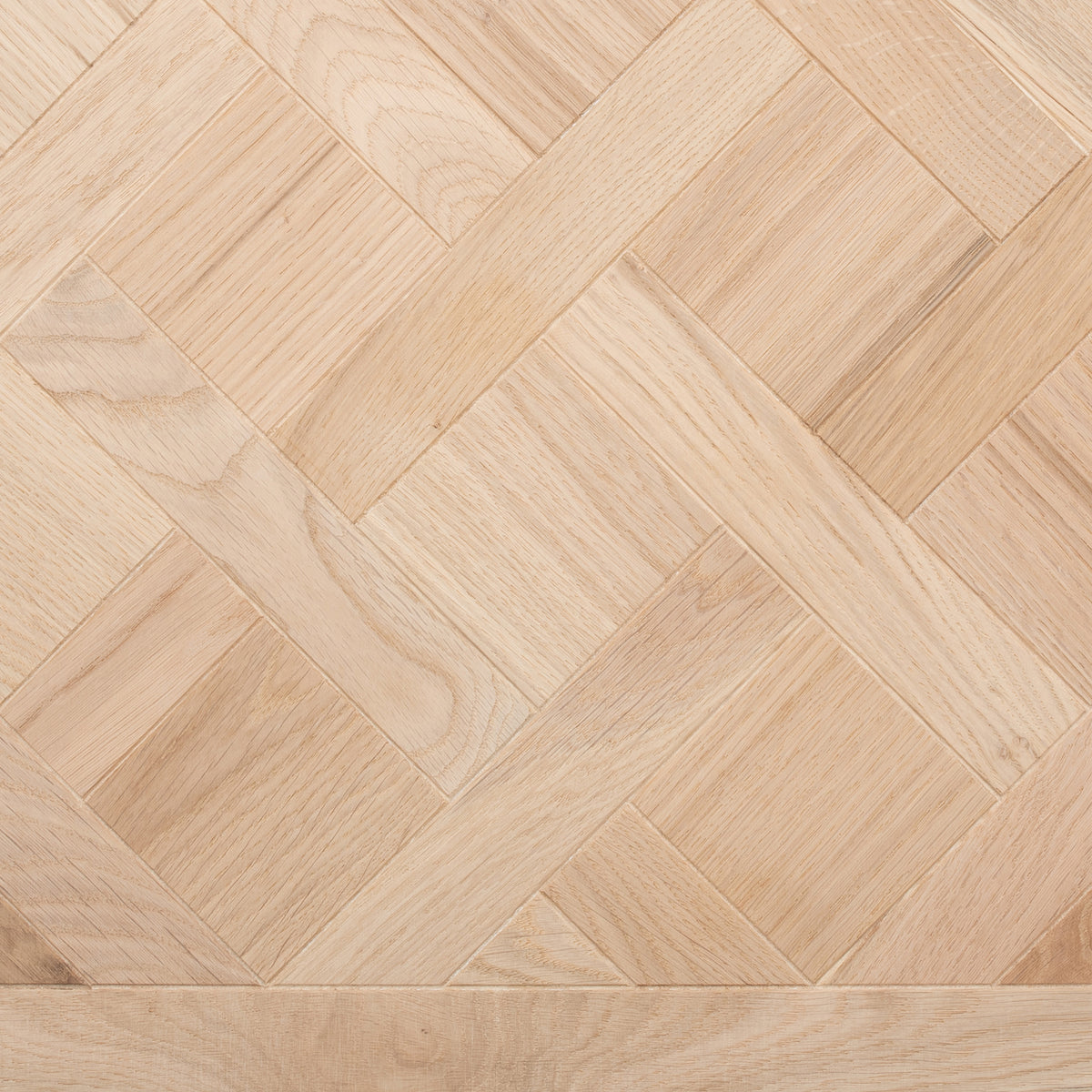
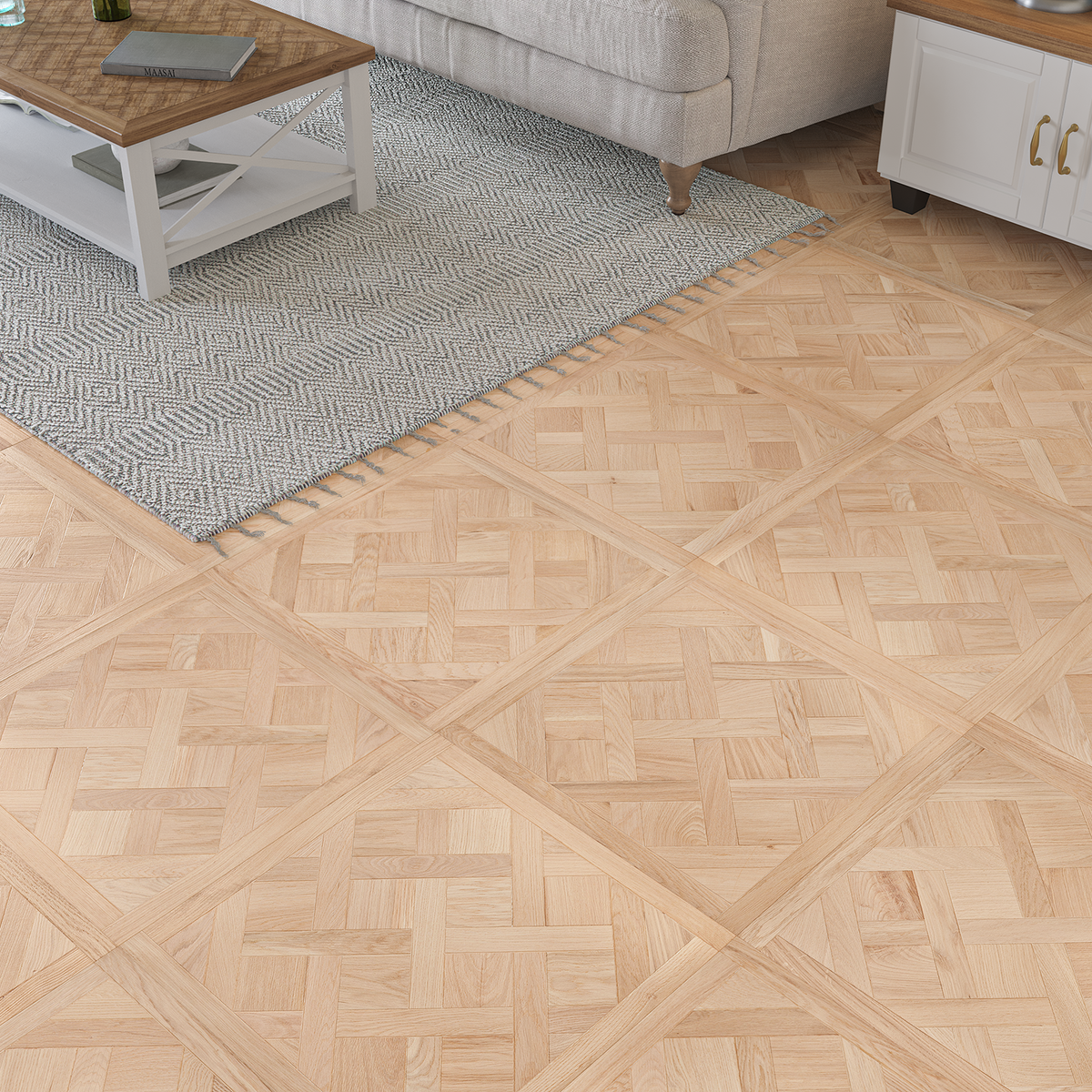
In Stock | Next Day Delivery
Opal Oak Versaille Engineered
£72.00 per m²
£159.99 per m²
Save £87.99 per m²
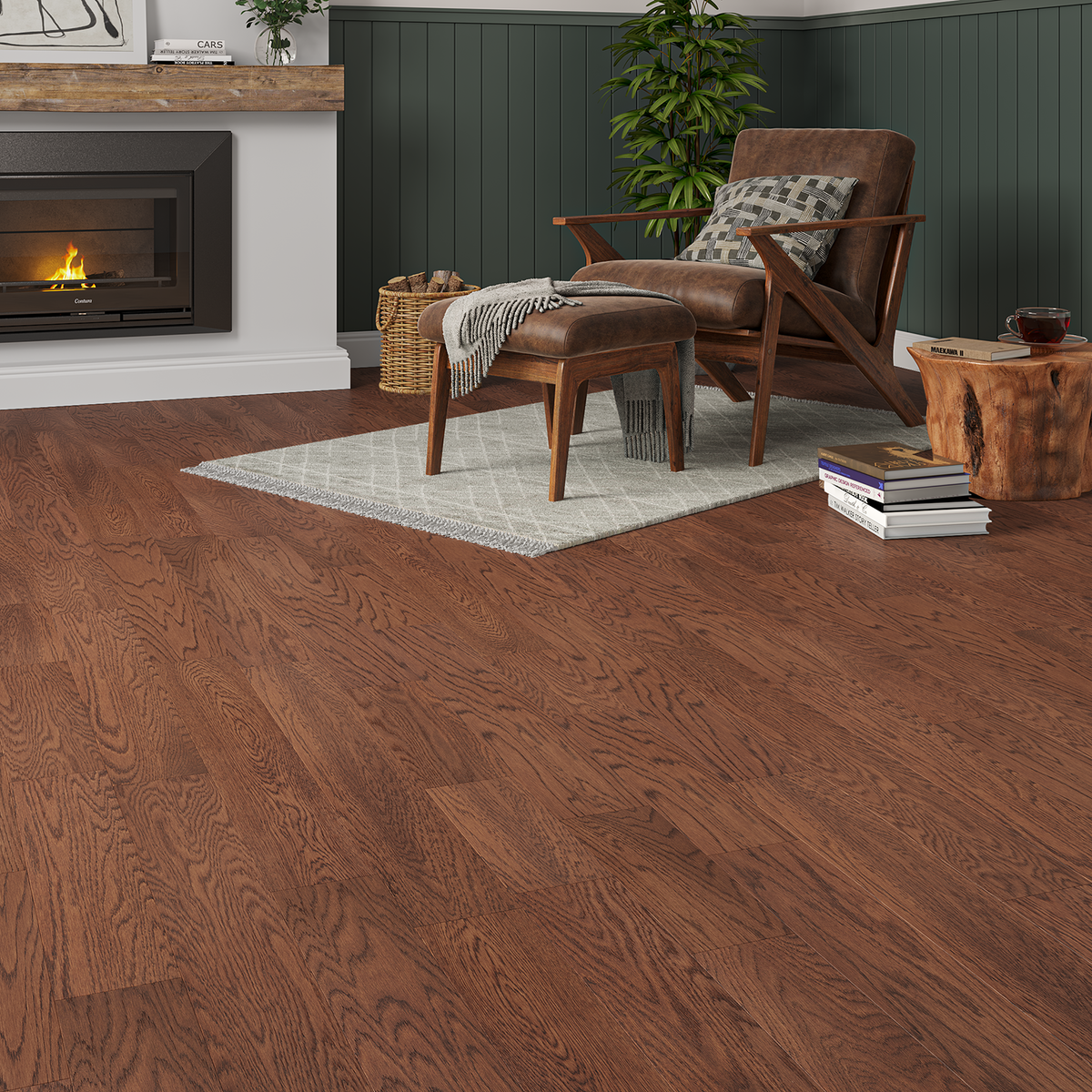
In Stock | Next Day Delivery
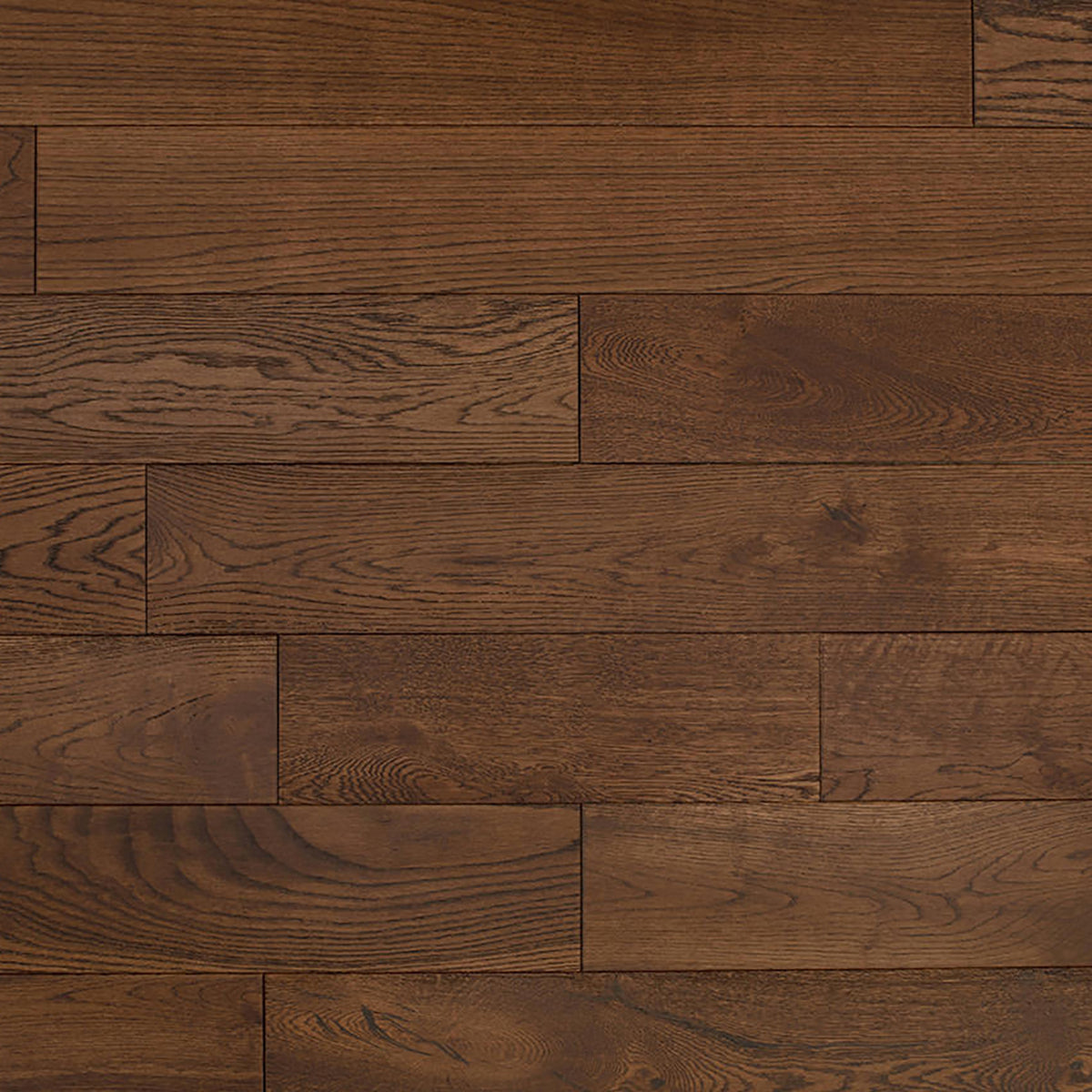
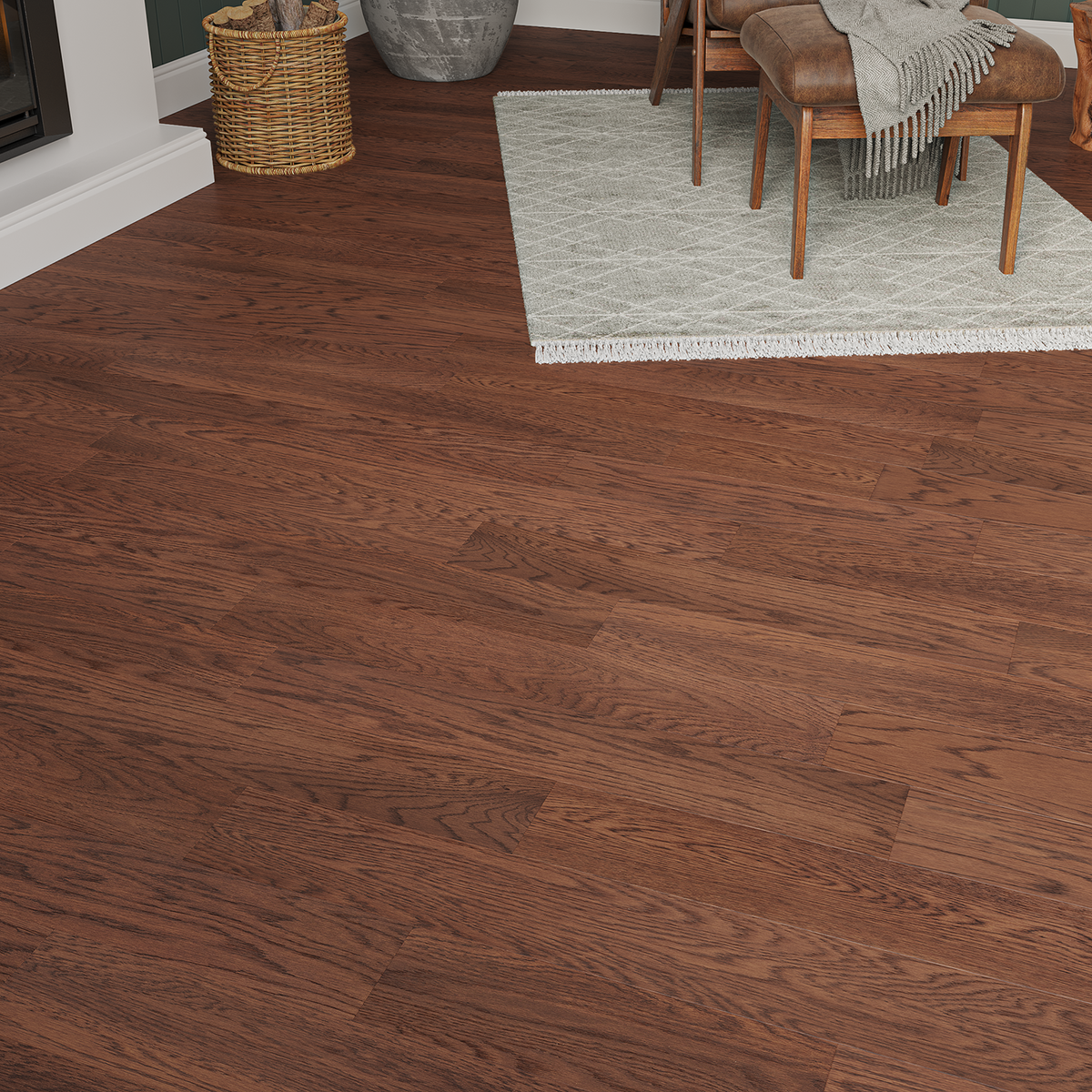
Briar Oak Straight Engineered
£36.00 per m²
£79.99 per m²
Save £43.99 per m²
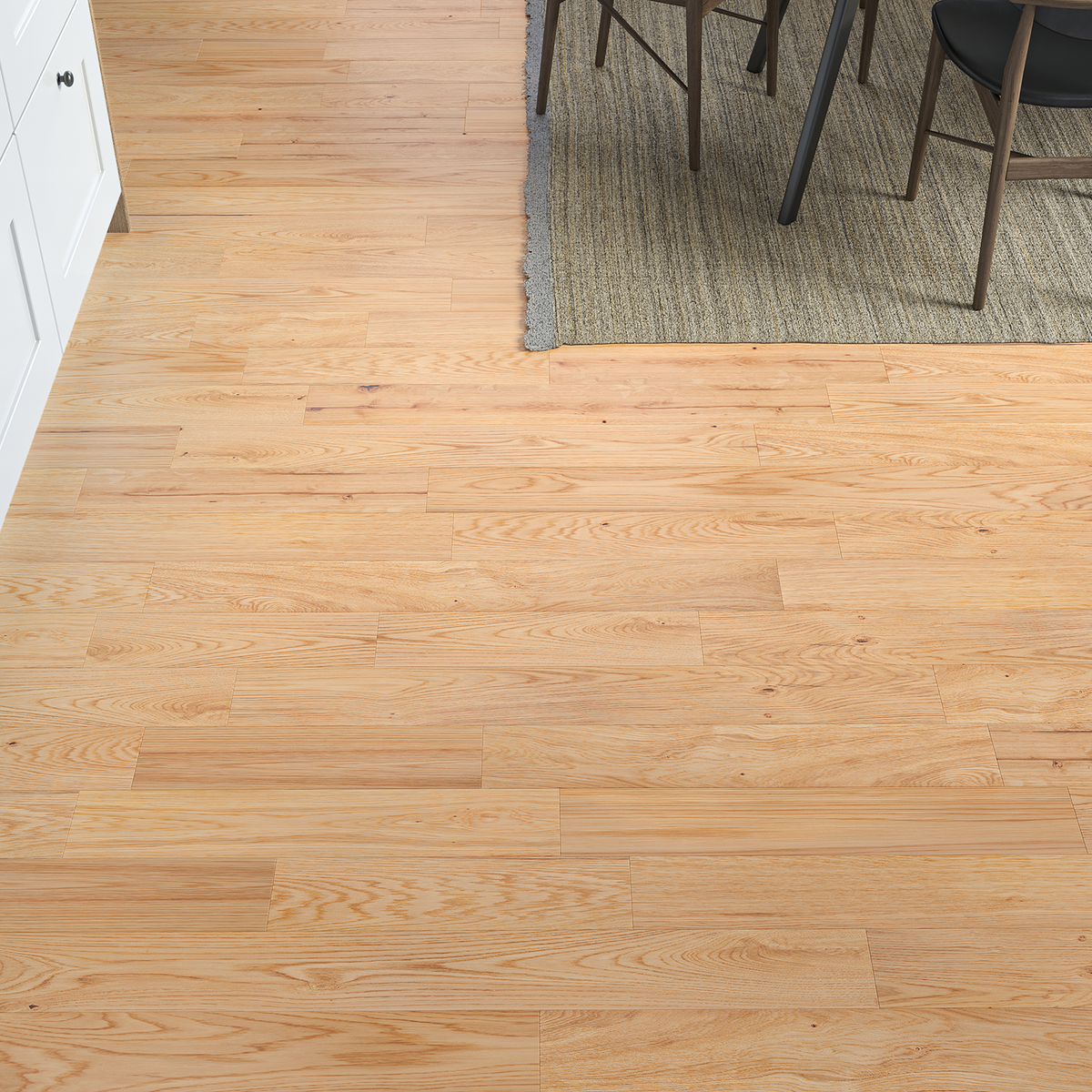
In Stock | Next Day Delivery
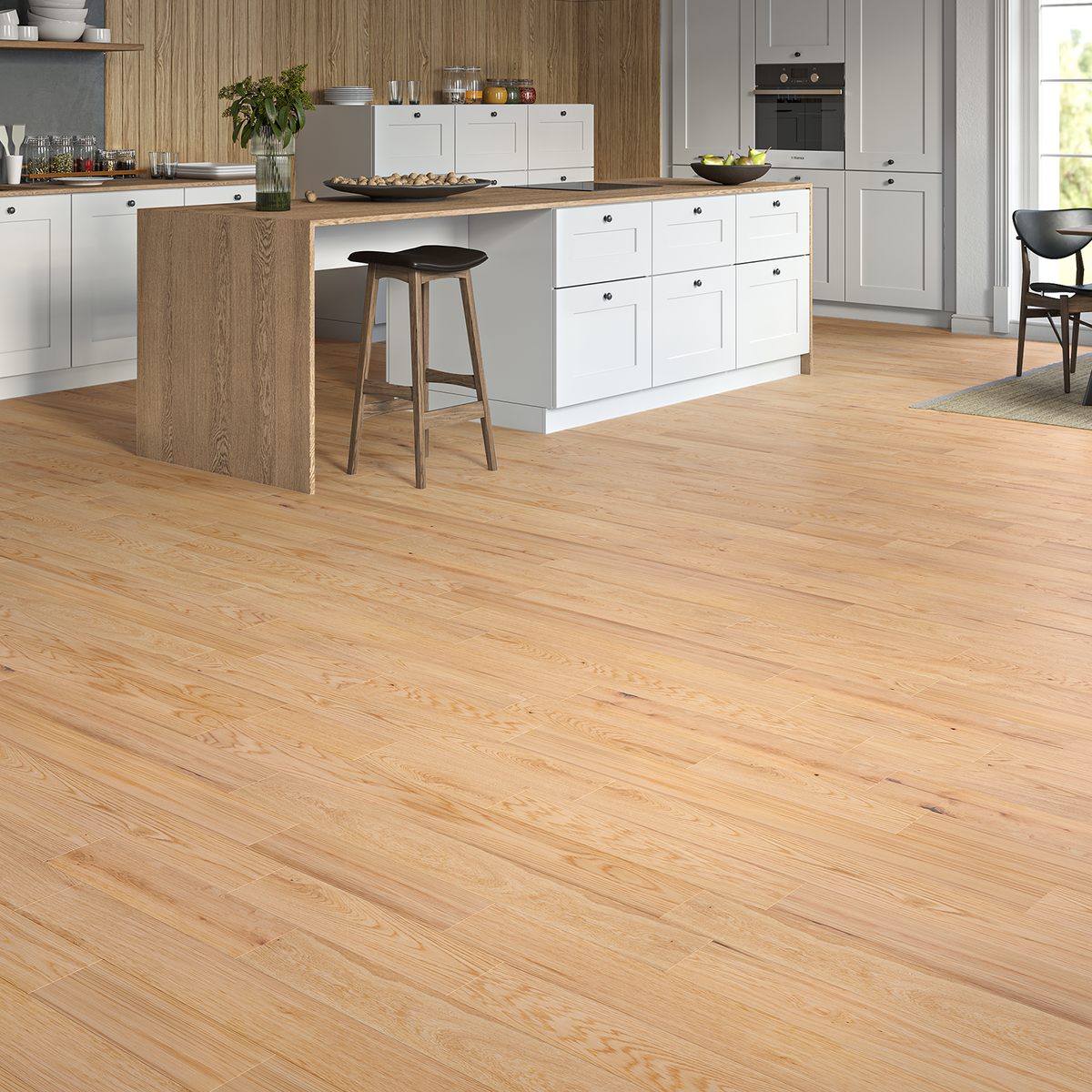
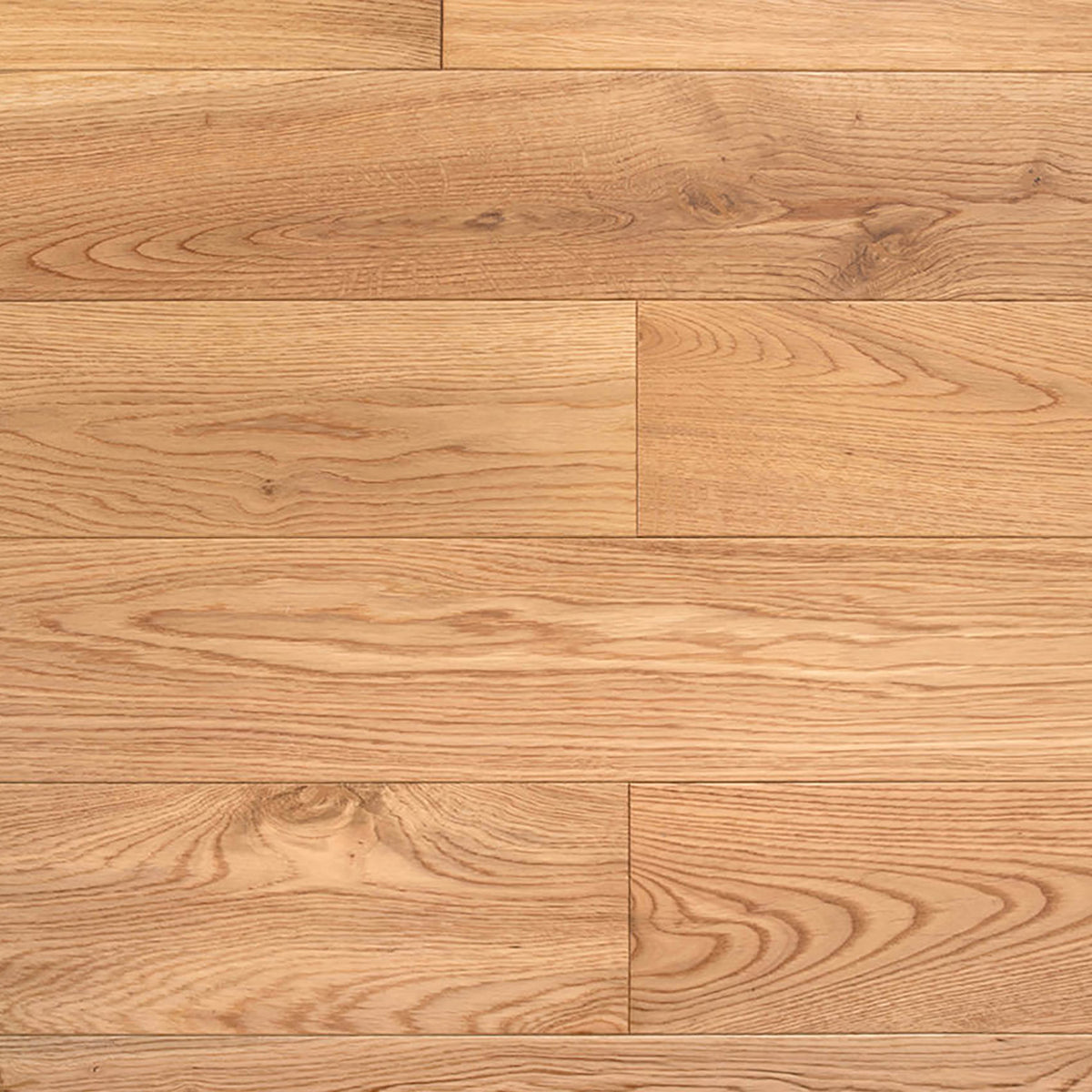
Stillwood Oak Straight Engineered
£36.00 per m²
£79.99 per m²
Save £43.99 per m²
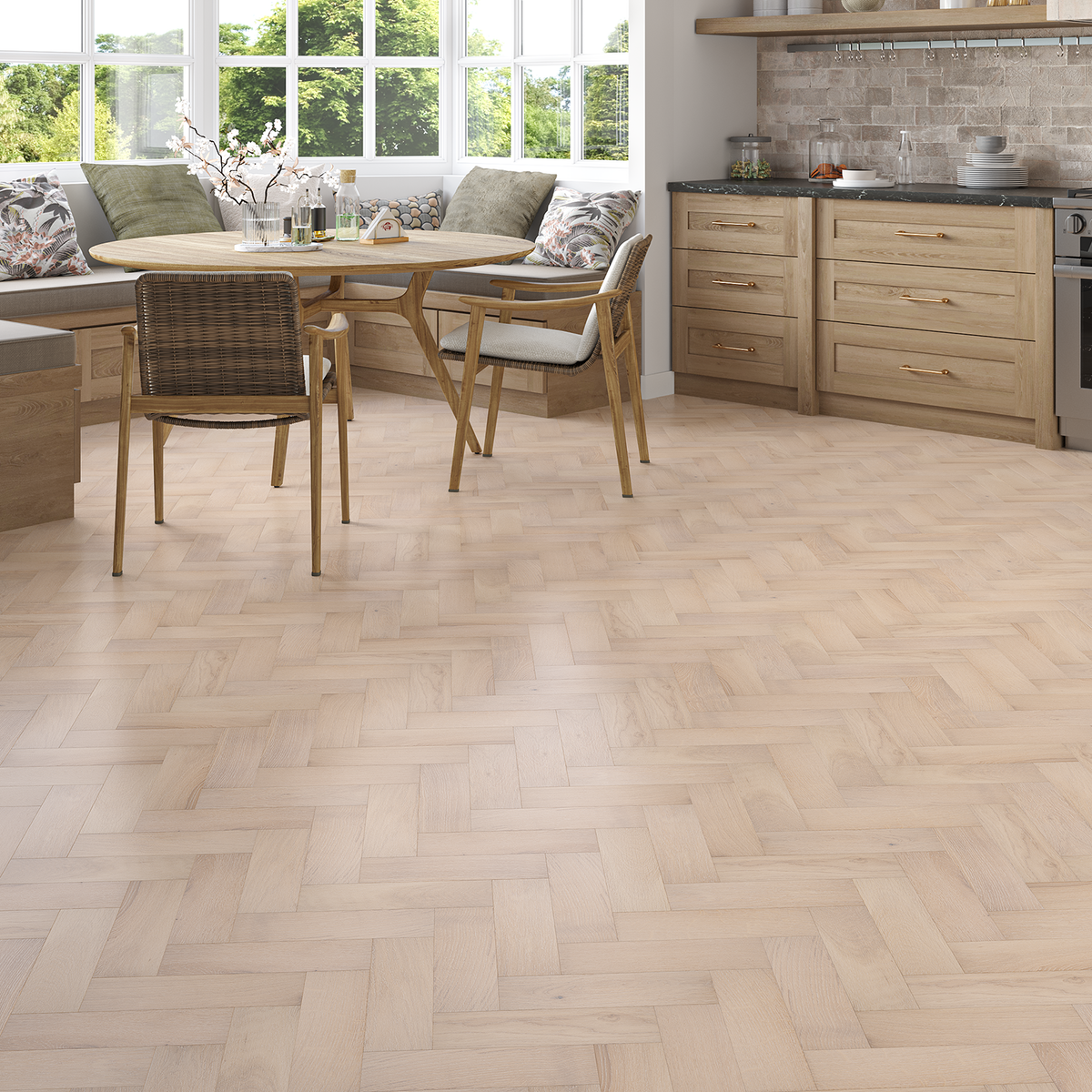
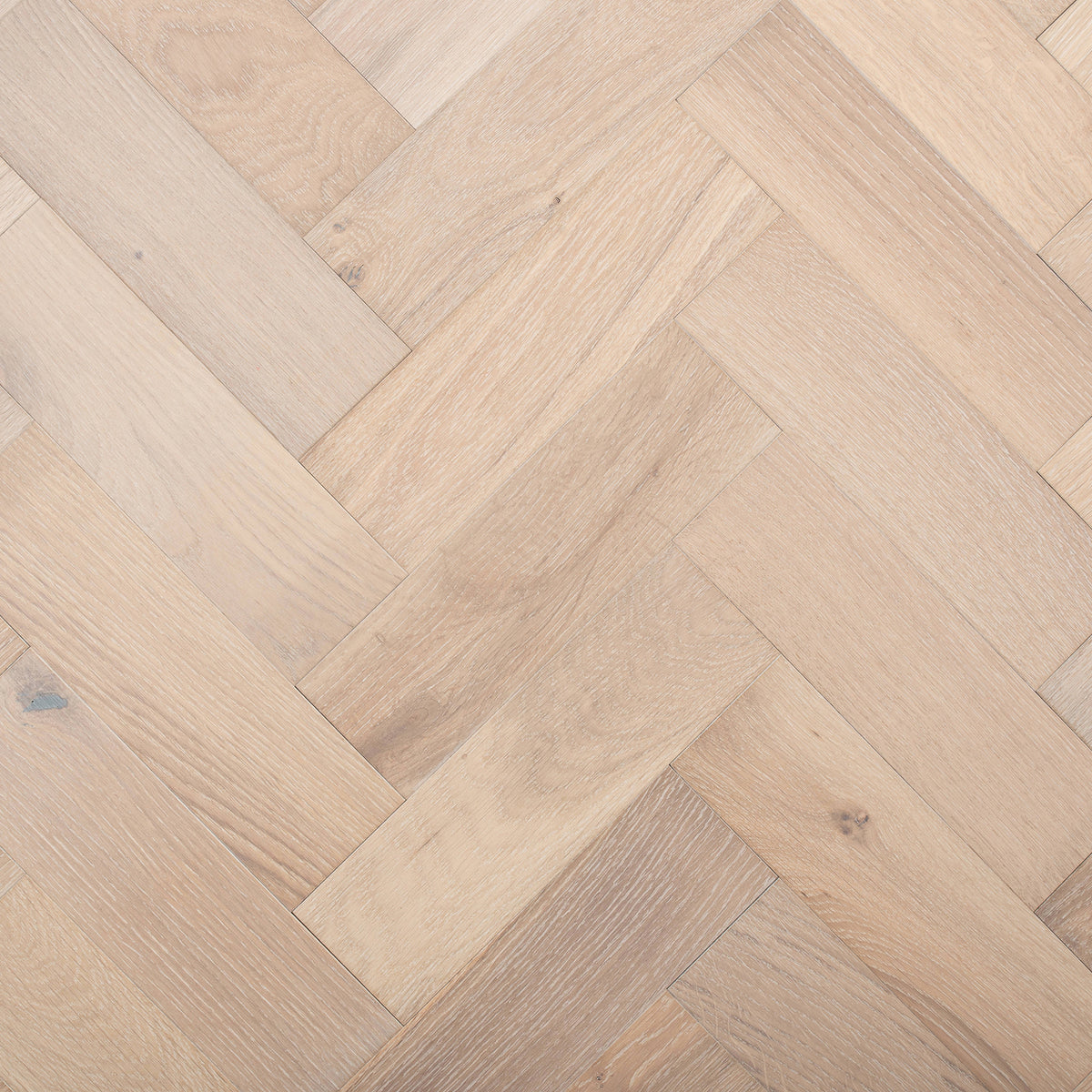
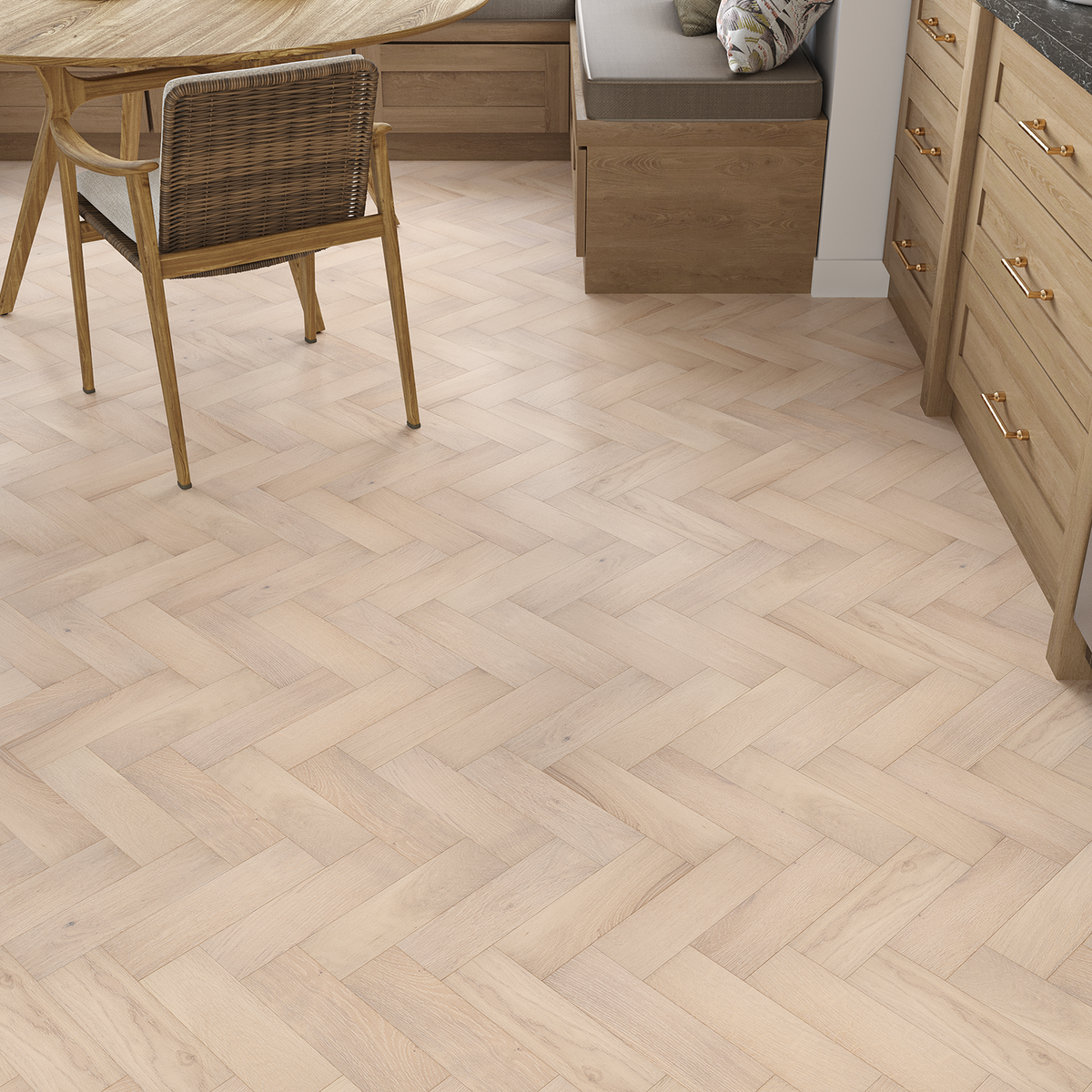
In Stock | Next Day Delivery
Meadow Oak Herringbone Engineered
£40.50 per m²
£89.99 per m²
Save £49.49 per m²
