






Installation Guides
Many of our floors are suitable for DIY installation, especially where the fitting system is designed to keep things straightforward. If you’re confident, have the time, and enjoy being hands-on, this can be a rewarding option.
Explore our installation guides below to get clear, confident before you begin.
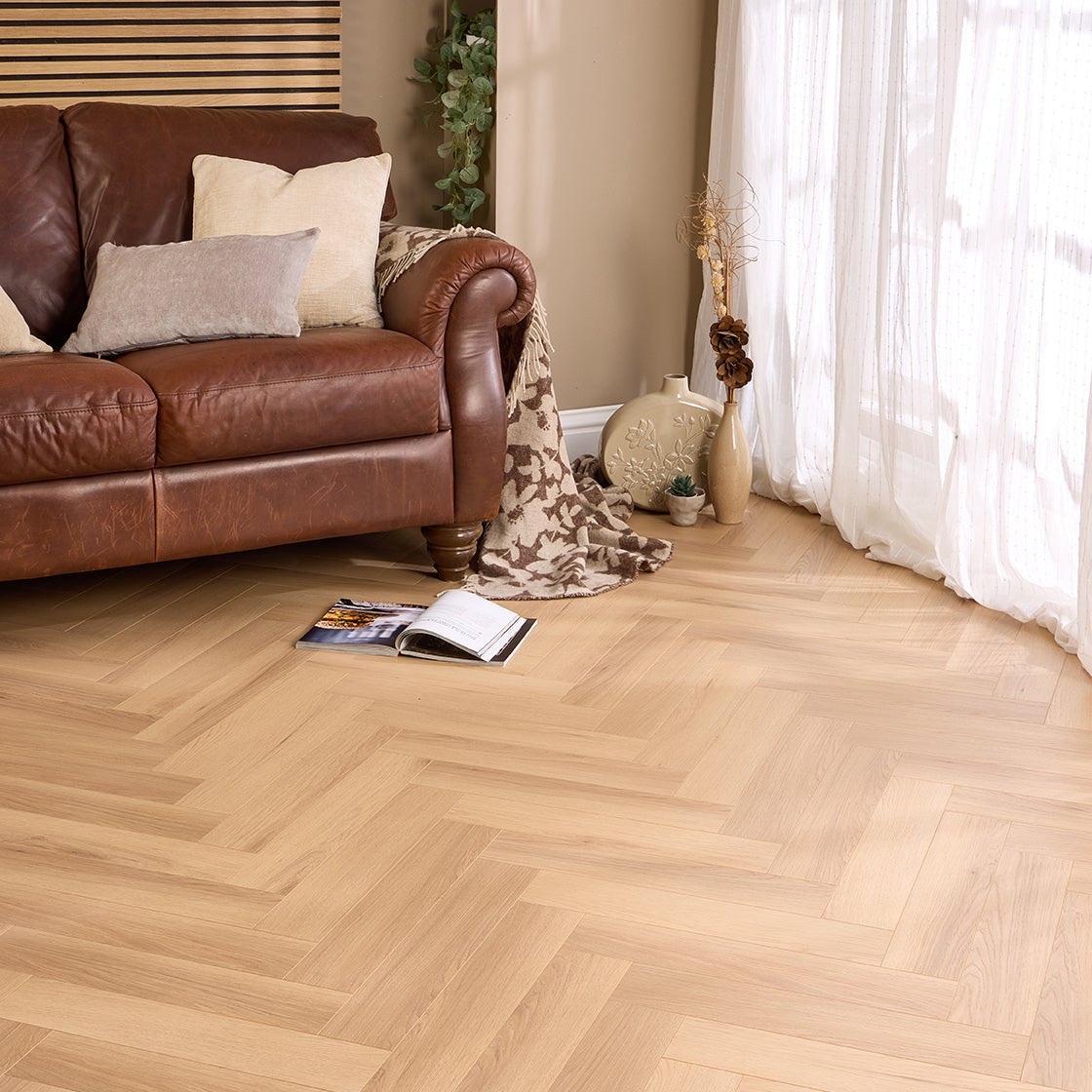
How to Fit Laminate Herringbone Flooring
DOWNLOAD PDF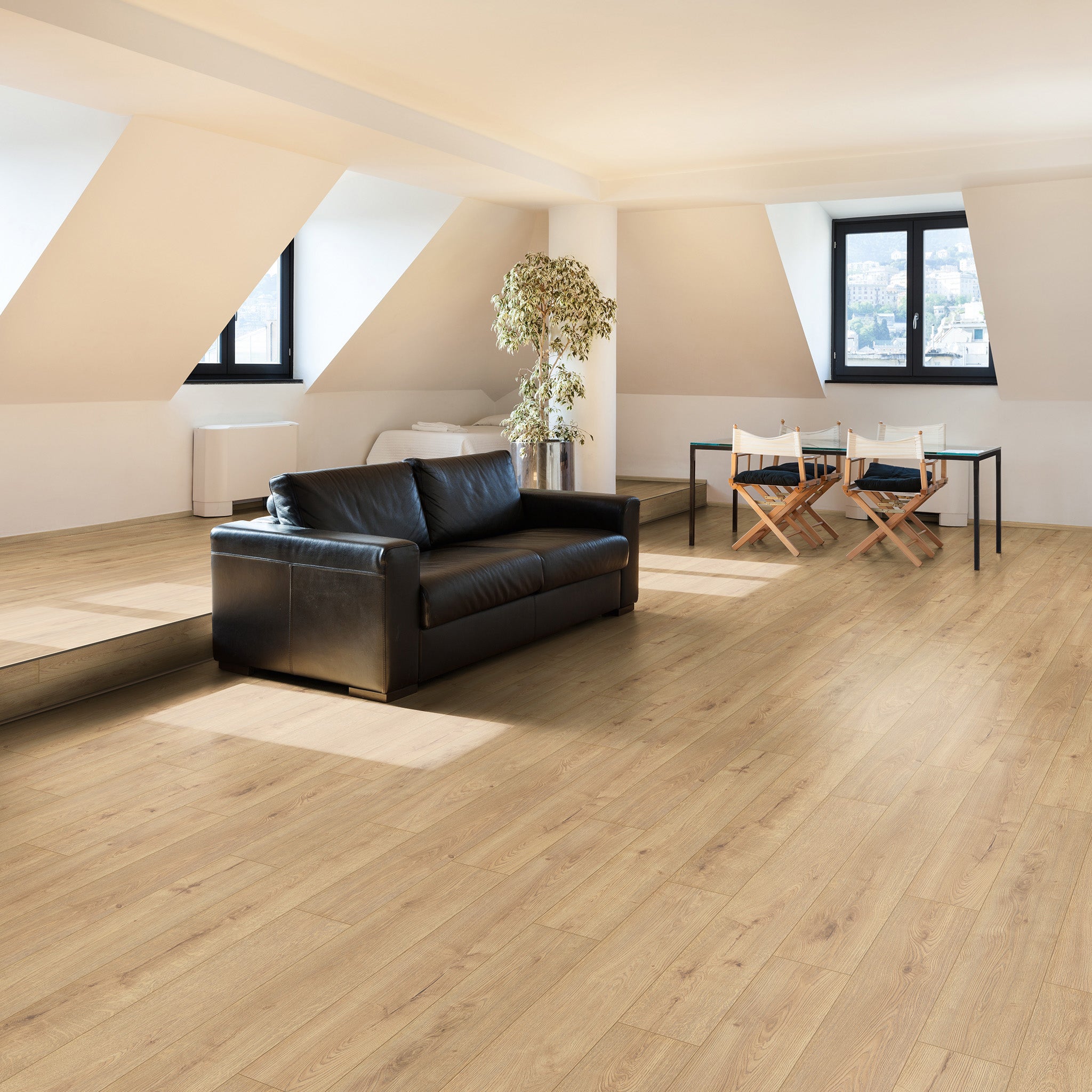
How to fit laminate straight flooring
DOWNLOAD PDF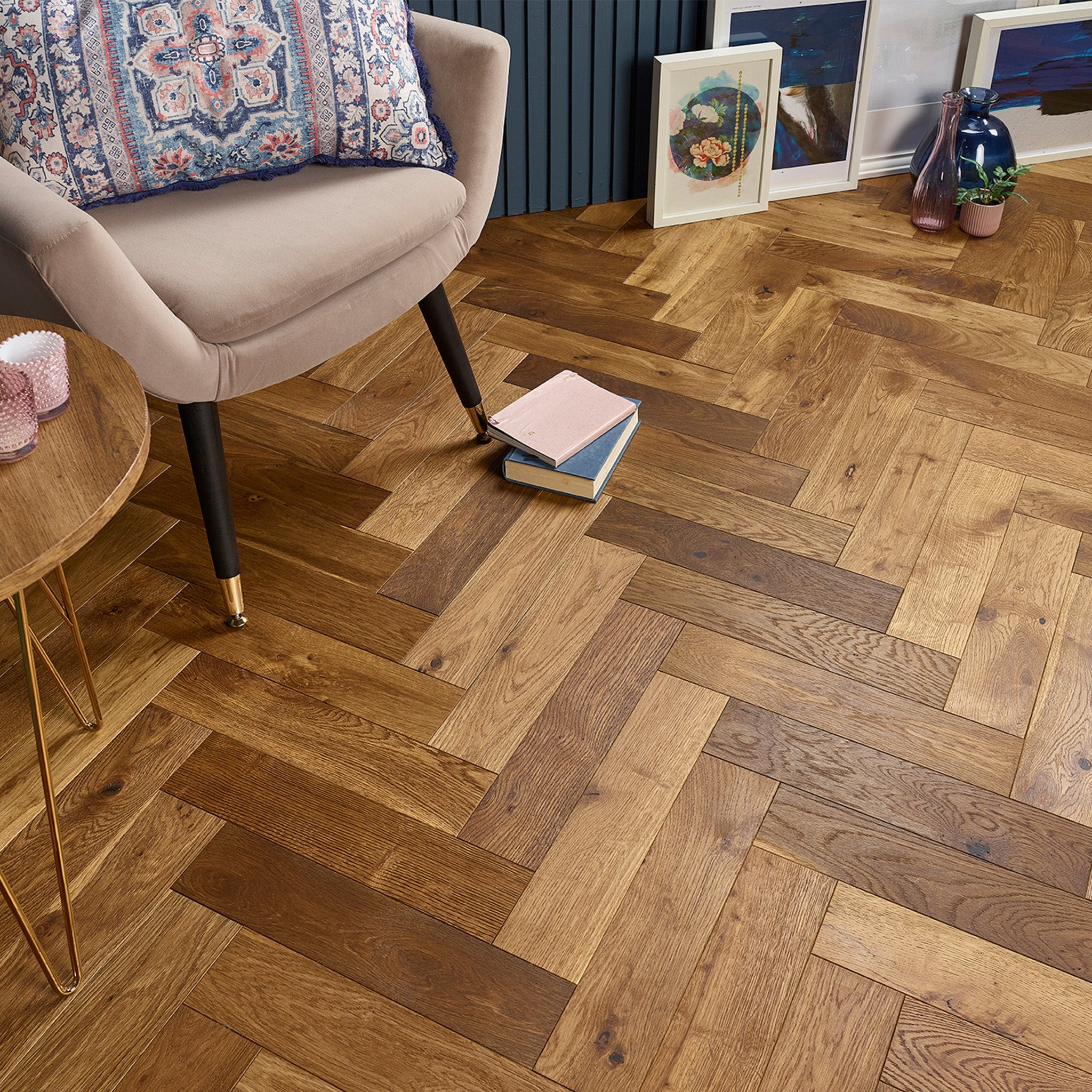
How to fit engineered herringbone flooring
DOWNLOAD PDF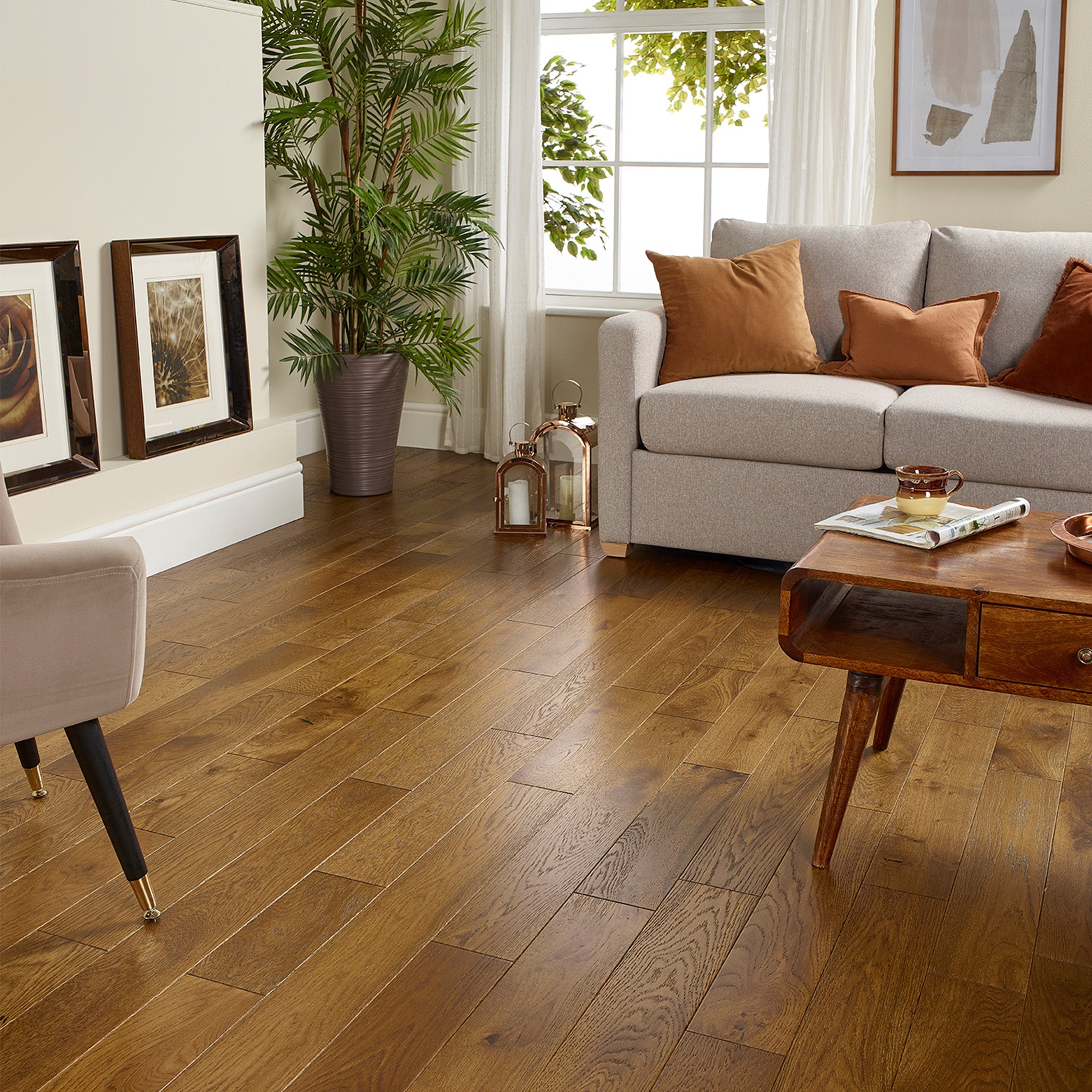
HOW TO FIT ENGINEERED STRAIGHT FLOORING
DOWNLOAD PDF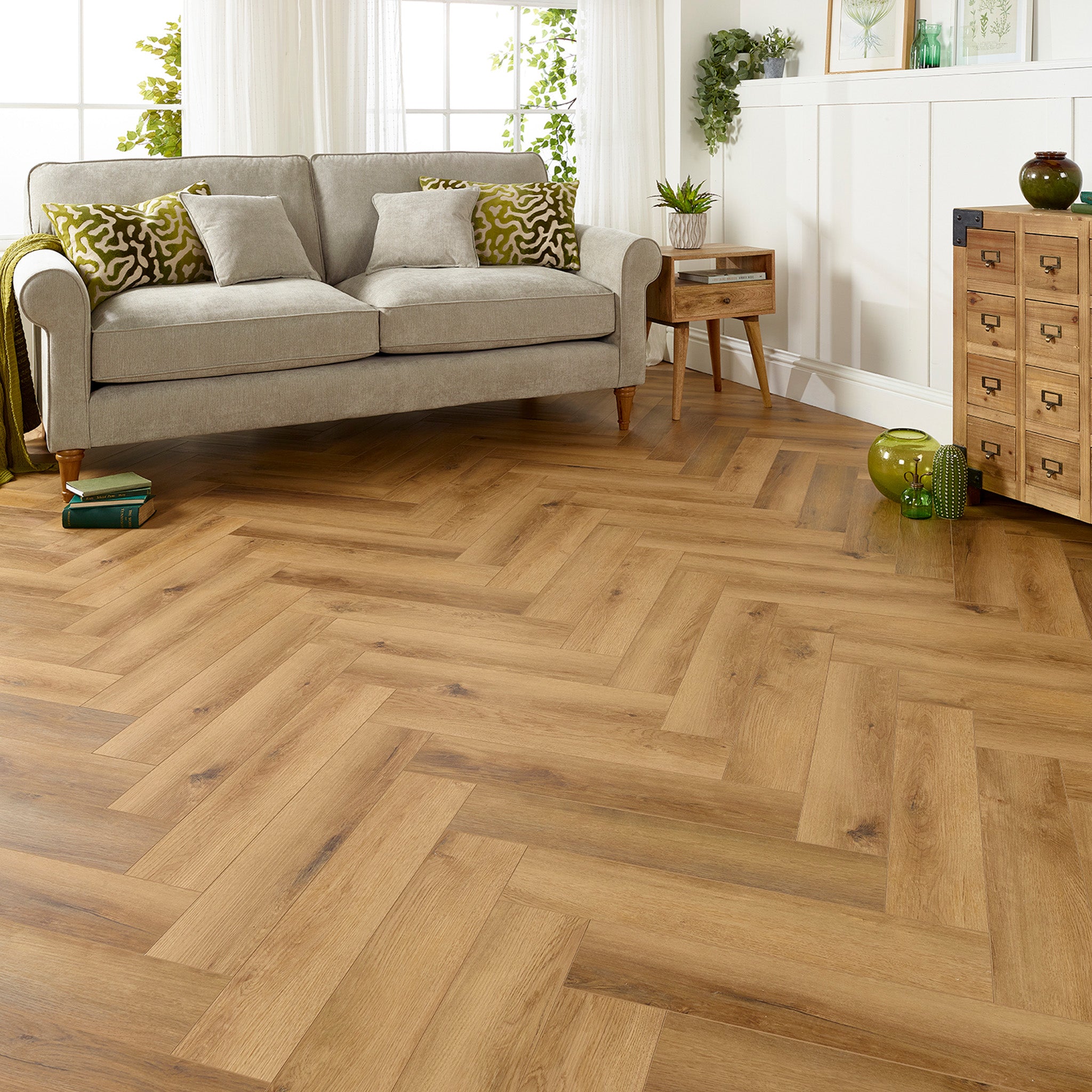
How to fit SPC Click Vinyl Herringbone Flooring
DOWNLOAD PDF
How to fit SPC Click Vinyl Straight Flooring
DOWNLOAD PDFWatch How to install herringbone Flooring
Herringbone flooring can seem complex, but it doesn’t have to be. Our installation video guides you step by step, helping you approach the process with clarity and confidence.
How to measure your room
Measuring your room correctly ensures you order the right amount of flooring. Follow our easy guide for measuring rooms of all shapes and sizes. Doing this early helps:
- Show accurate pricing
- Avoid under- or over-ordering
- Reduce surprises later

A [Length] x B [Width] = M² required
Eg: 5m x 4m = 20m²
RECTANGULAR ROOMS
For standard rectangular rooms, calculating the required flooring is simple. Measure the length and width of the room, then multiply the two to find the total area.
For example, a room measuring 5 metres by 4 metres has an area of 20m².
This means you’ll need at least 20m² of flooring, before allowing for waste.

[A x B] + [C x D] = M² required
Eg: [5m x 2m] + [2.5m x 1.5m] = 13.75m²
IRREGULAR & L-SHAPED ROOMS
For irregular or L-shaped rooms, divide the space into smaller rectangular sections. Measure each section individually, calculate the area of each, then add them together to find the total.
In the example shown, the total flooring required would be 13.75m², before allowing for waste.
